
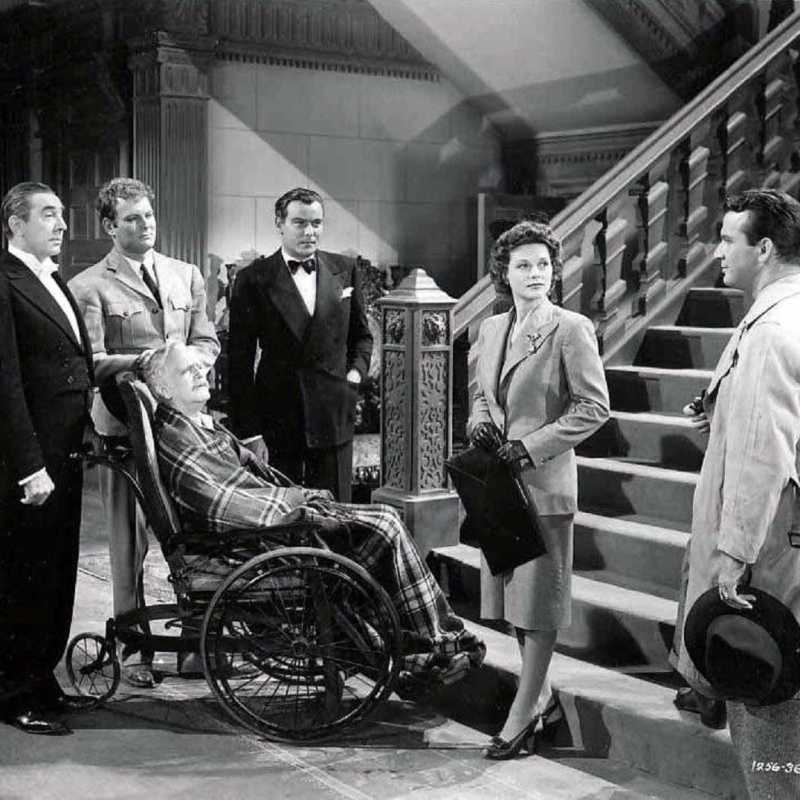
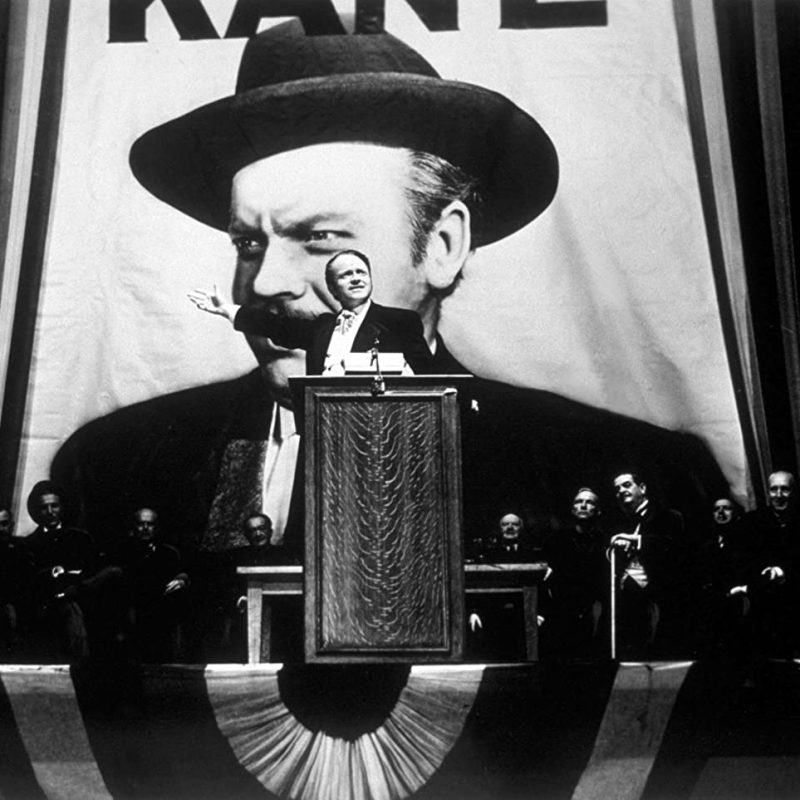
The cinema of the 1940s marked a transformative era in the history of filmmaking, shaped by the global backdrop of World War II and its aftermath. Hollywood, as a major cinematic powerhouse, faced unique challenges during this period, with the war influencing both content and production. War-themed films, such as patriotic propaganda and gritty depictions of combat, dominated the silver screen, reflecting the societal mood and contributing to the war effort.

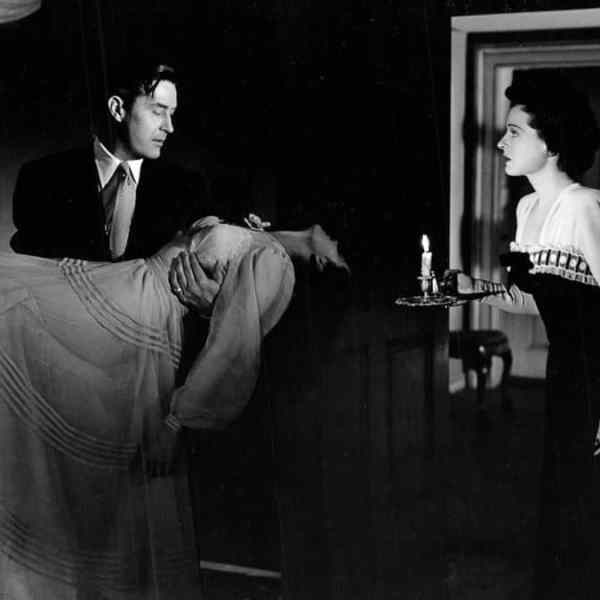
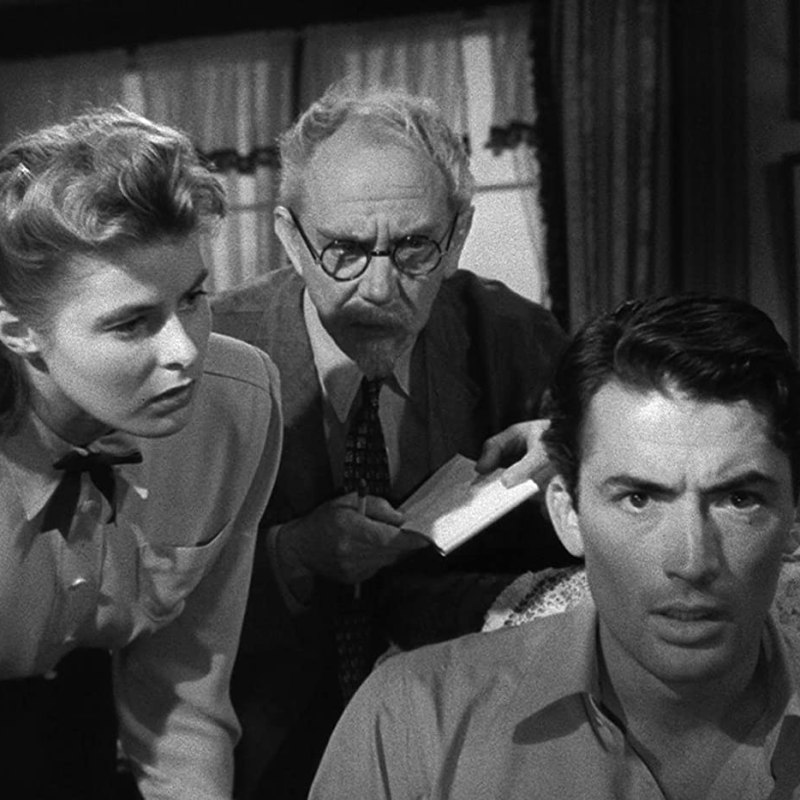
Film noir, a distinct genre characterized by its dark, atmospheric visuals and morally ambiguous narratives, emerged as a prominent style in the 1940s. These films often explored the complexities of human nature, delving into the shadows of society with narratives driven by crime, betrayal, and suspense. Classic examples include “Double Indemnity” (1944) and “The Maltese Falcon” (1941), which became iconic for their atmospheric cinematography and morally intricate plots.
Despite the challenges posed by wartime constraints, the 1940s also witnessed technical advancements such as the widespread adoption of Technicolor, enhancing the visual appeal of films. The decade laid the groundwork for the post-war cinematic landscape, setting the stage for the golden age of Hollywood in the following years. The cinema of the 1940s, with its diverse range of genres and thematic explorations, remains a pivotal chapter in film history, leaving an enduring legacy on storytelling and visual aesthetics in the years to come.



 Roses Have Thoughts