
The cinema of the 1950s marked a transformative era in the history of filmmaking, characterized by a confluence of artistic innovation, social change, and technological advancement. This post-World War II period witnessed the rise of various cinematic movements and the consolidation of Hollywood as the global epicentre of filmmaking.
In the United States, the 1950s saw the emergence of the “Golden Age” of Hollywood, with the industry producing iconic films that continue to resonate with audiences today. Directors like Alfred Hitchcock, Billy Wilder, and Elia Kazan created masterpieces that blended suspense, drama, and social commentary. The decade also introduced the widescreen format and Technicolor, leading to visually spectacular productions like “Ben-Hur” and “The Ten Commandments.”
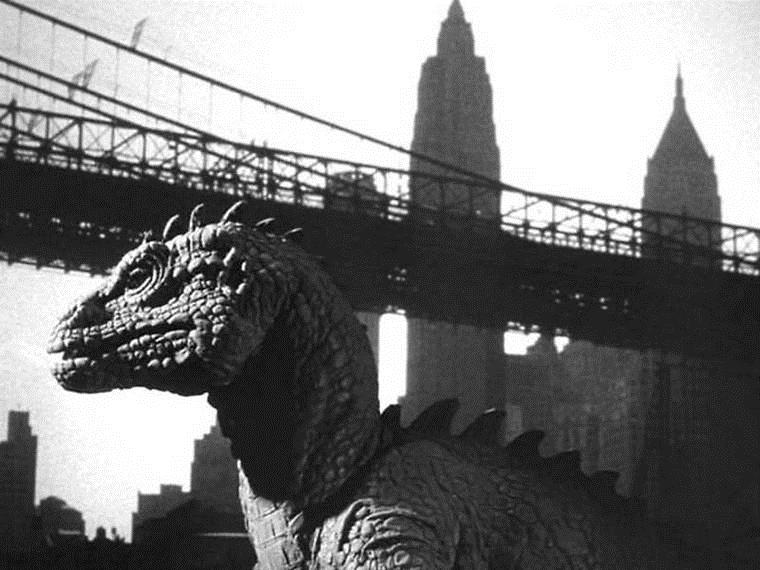
Simultaneously, international cinema experienced a renaissance, with influential movements such as Italian Neorealism, French New Wave, and Japanese cinema gaining prominence. Filmmakers like Federico Fellini, François Truffaut, and Akira Kurosawa crafted films that challenged traditional narrative structures and explored the complexities of human existence.
The 1950s cinema reflected the cultural and political climate of the time, addressing issues such as the Cold War, civil rights, and changing gender roles. As audiences flocked to theatres, cinema became a powerful medium for both entertainment and societal reflection, leaving an indelible mark on the trajectory of film history.





Something went wrong. Please refresh the page and/or try again.
 Roses Have Thoughts