
The 1960s ushered in a dynamic and revolutionary period in cinema, marked by a departure from the conventional norms of storytelling and a surge in experimentation. This decade witnessed the blossoming of the French New Wave, led by directors like Jean-Luc Godard and François Truffaut, who challenged traditional cinematic conventions with innovative techniques such as jump cuts and handheld cameras. Their films, like “Breathless” and “Jules et Jim,” became emblematic of a new, free-spirited approach to storytelling.
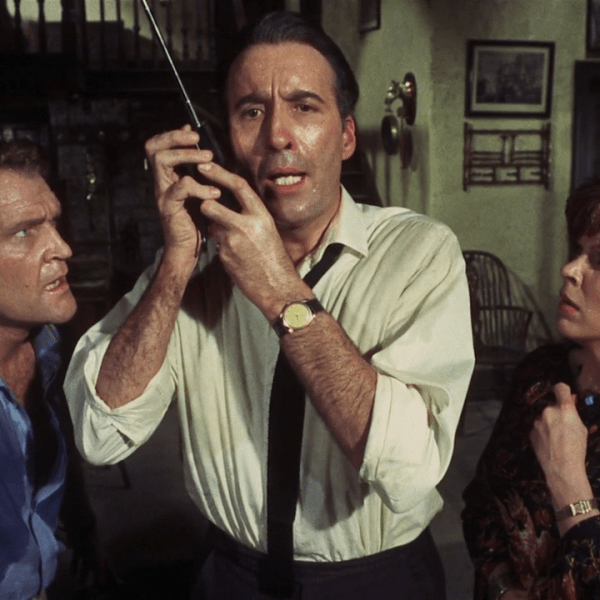
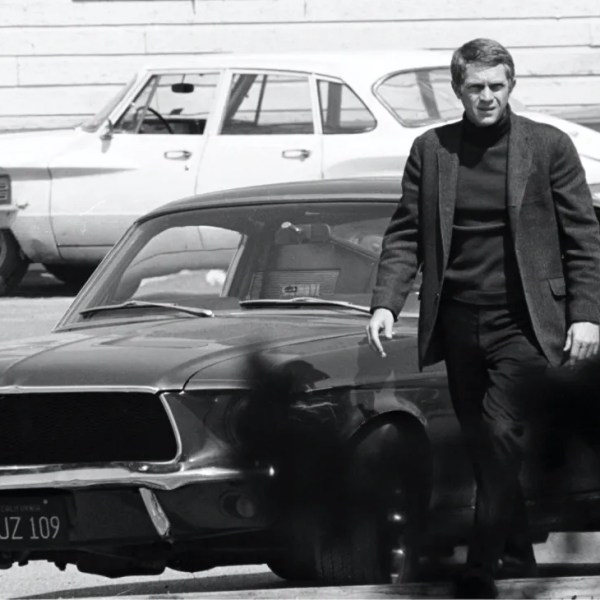
In Hollywood, the 1960s brought forth a wave of socially conscious films that tackled issues ranging from civil rights to the counterculture movement. Iconic works such as “To Kill a Mockingbird,” “The Graduate,” and “Easy Rider” captured the zeitgeist of the era and reflected the societal upheavals taking place.

Internationally, directors like Ingmar Bergman in Sweden and Akira Kurosawa in Japan continued to shape cinematic landscapes with introspective and visually striking works. The decade also witnessed the rise of the “spaghetti western” genre, spearheaded by Sergio Leone, whose “Dollars Trilogy” starring Clint Eastwood left an indelible mark on the Western genre.
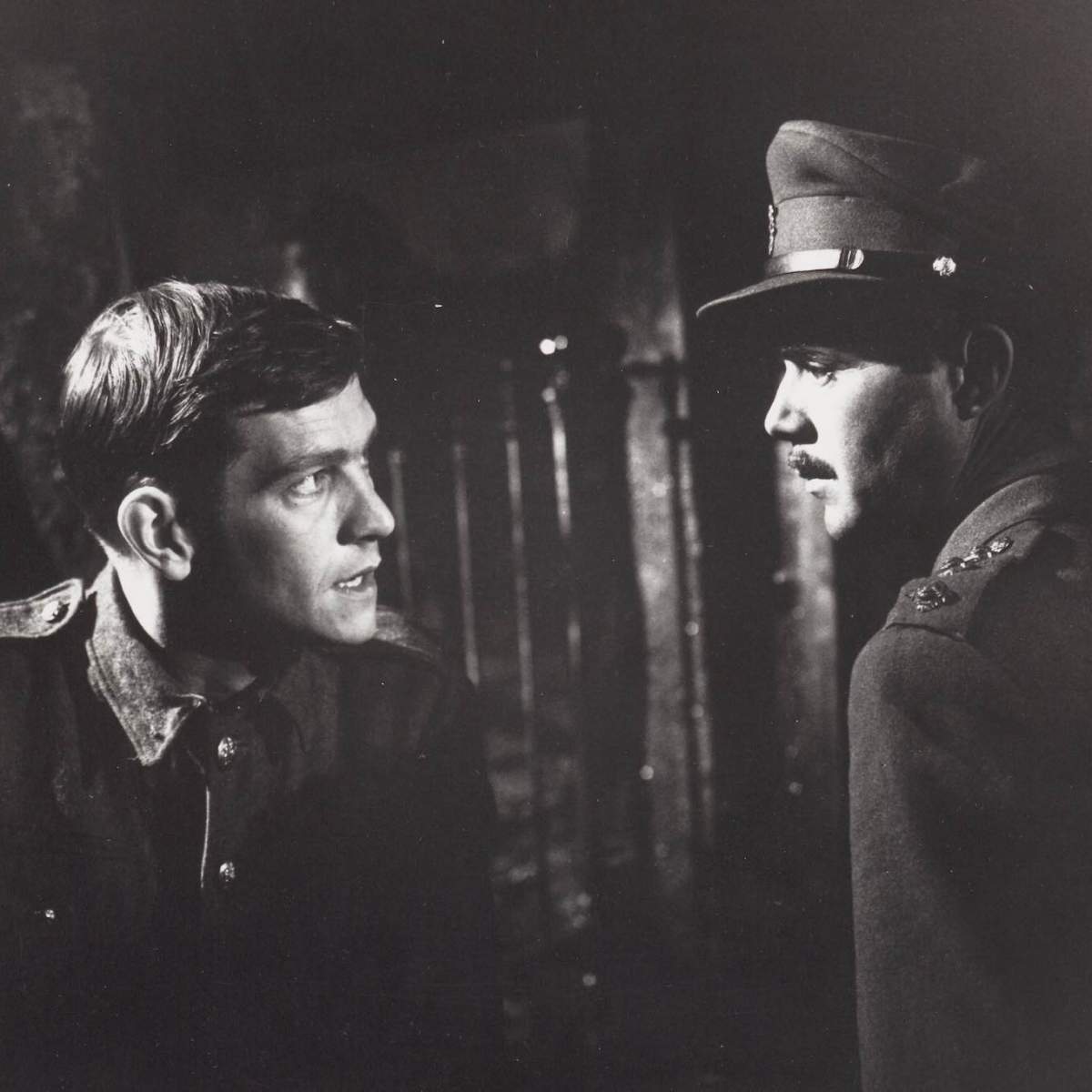
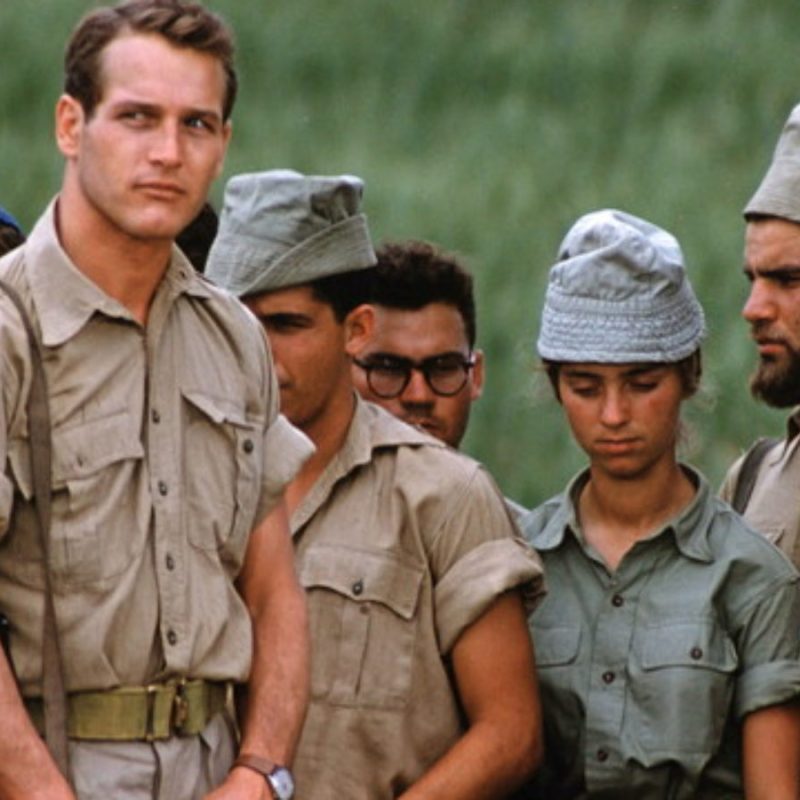
The 1960s cinema not only mirrored the cultural and political transformations of the time but also paved the way for a more liberated and experimental approach to storytelling that would influence filmmakers for decades to come.




Something went wrong. Please refresh the page and/or try again.
 Roses Have Thoughts