
The cinema of the 1990s bore witness to a dynamic and diverse landscape, marked by a confluence of technological advancements, burgeoning independent filmmaking, and a shift in thematic exploration. Hollywood, during this era, underwent a renaissance with the rise of influential directors like Quentin Tarantino, who reshaped storytelling conventions with films like “Pulp Fiction.” The decade also saw the emergence of visionary filmmakers such as the Coen Brothers and David Fincher, whose distinctive styles left an indelible mark on cinematic storytelling.
The 1990s was a pivotal period for animation, with Disney’s Renaissance producing classics like “The Lion King” and “Beauty and the Beast,” while Pixar introduced groundbreaking computer-animated films like “Toy Story,” revolutionizing the animation industry. Meanwhile, independent cinema flourished with the success of films like “Pulp Fiction” and “The Blair Witch Project,” showcasing a willingness to experiment with narrative structures and thematic content.
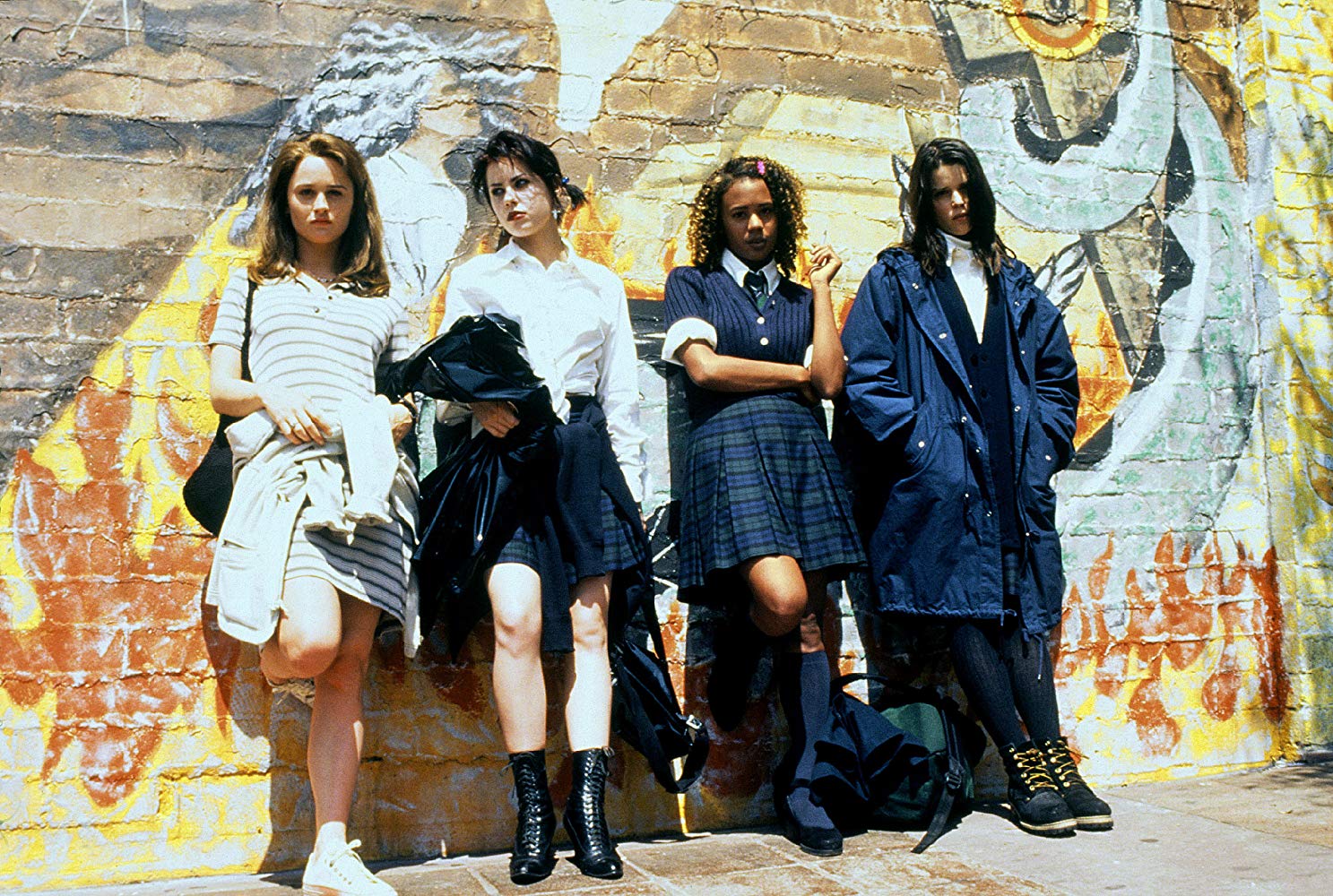
Culturally, the cinema of the 1990s mirrored societal shifts, addressing issues like globalization, the impact of technology, and a reevaluation of gender roles. Films like “The Matrix” explored the intersection of reality and technology, while “Thelma & Louise” challenged gender norms. The 1990s cinema, therefore, stands as a testament to the industry’s adaptability and willingness to explore new artistic frontiers.









Something went wrong. Please refresh the page and/or try again.
 Roses Have Thoughts