

Early LGBT cinema emerged as a significant cultural movement in the late 19th and early 20th centuries, albeit in an era when homosexuality was deeply stigmatized and criminalized in many parts of the world. Despite societal prejudices, pioneering filmmakers dared to explore same-sex desire, identity, and relationships through their art. These early cinematic works, often characterized by subtle subtext and coded messages, played a vital role in shaping LGBT representation and fostering a sense of community among queer audiences

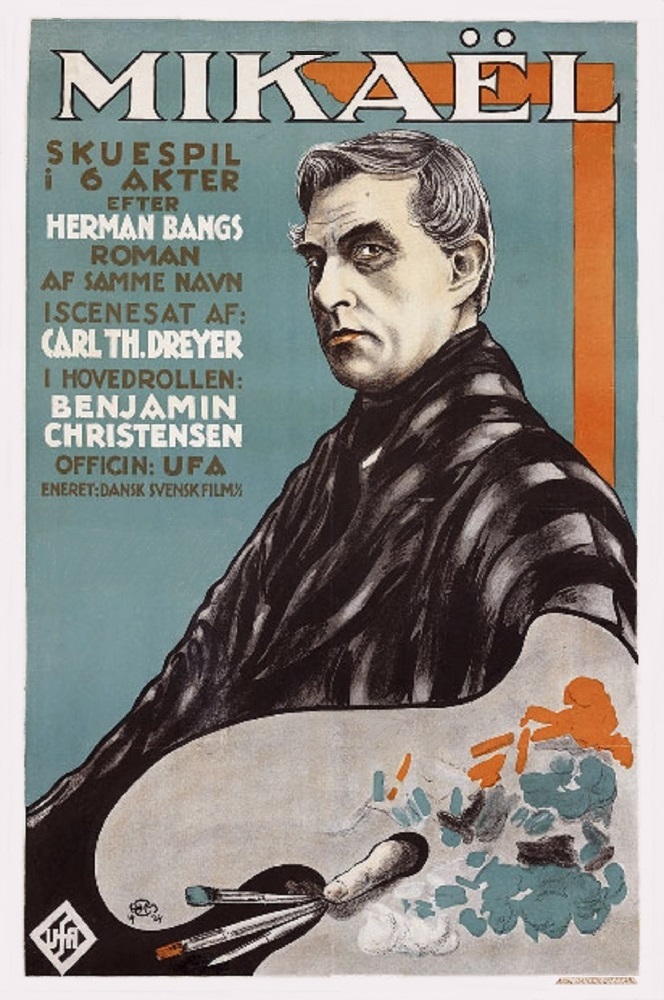
Michael
1924
Telling the story of a painter who becomes enamoured with his young male model, This movie is considered one of the earliest films to feature a gay character.

Victor and Victoria
1933
Victor and Victoria is a German film about a female impersonator named Viktor who falls in love with a man named Richard. The film was considered groundbreaking at the time for its positive portrayal of homosexuality.
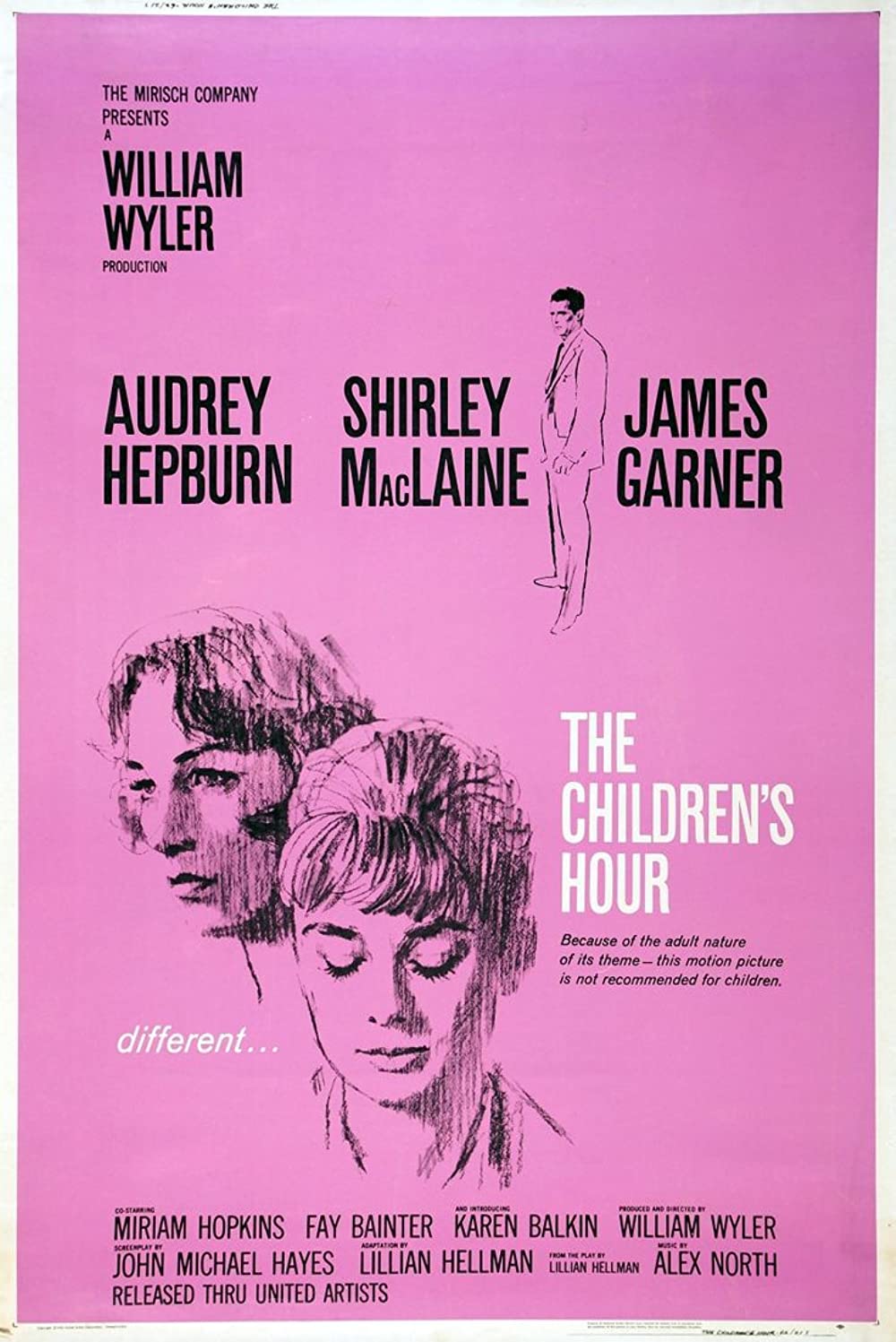
The Children’s Hour
1961
Based on a play of the same name by Lillian Hellman. The Children’s Hour tells the story of two women who run a boarding school for girls and are accused of having a lesbian relationship. The film starred Audrey Hepburn, Shirley MacLaine, and James Garner.
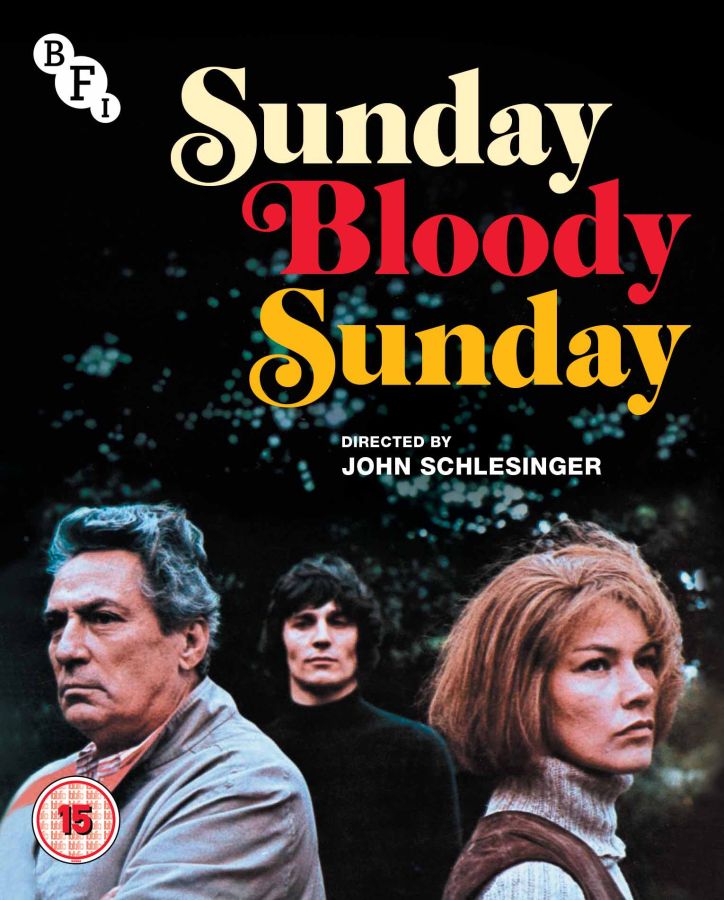
Sunday Bloody Sunday
1971
This story of a love triangle between a young bisexual artist, a middle-aged doctor, and a divorced businesswoman was notable for its frank portrayal of bisexuality and for being one of the first mainstream films to do so.
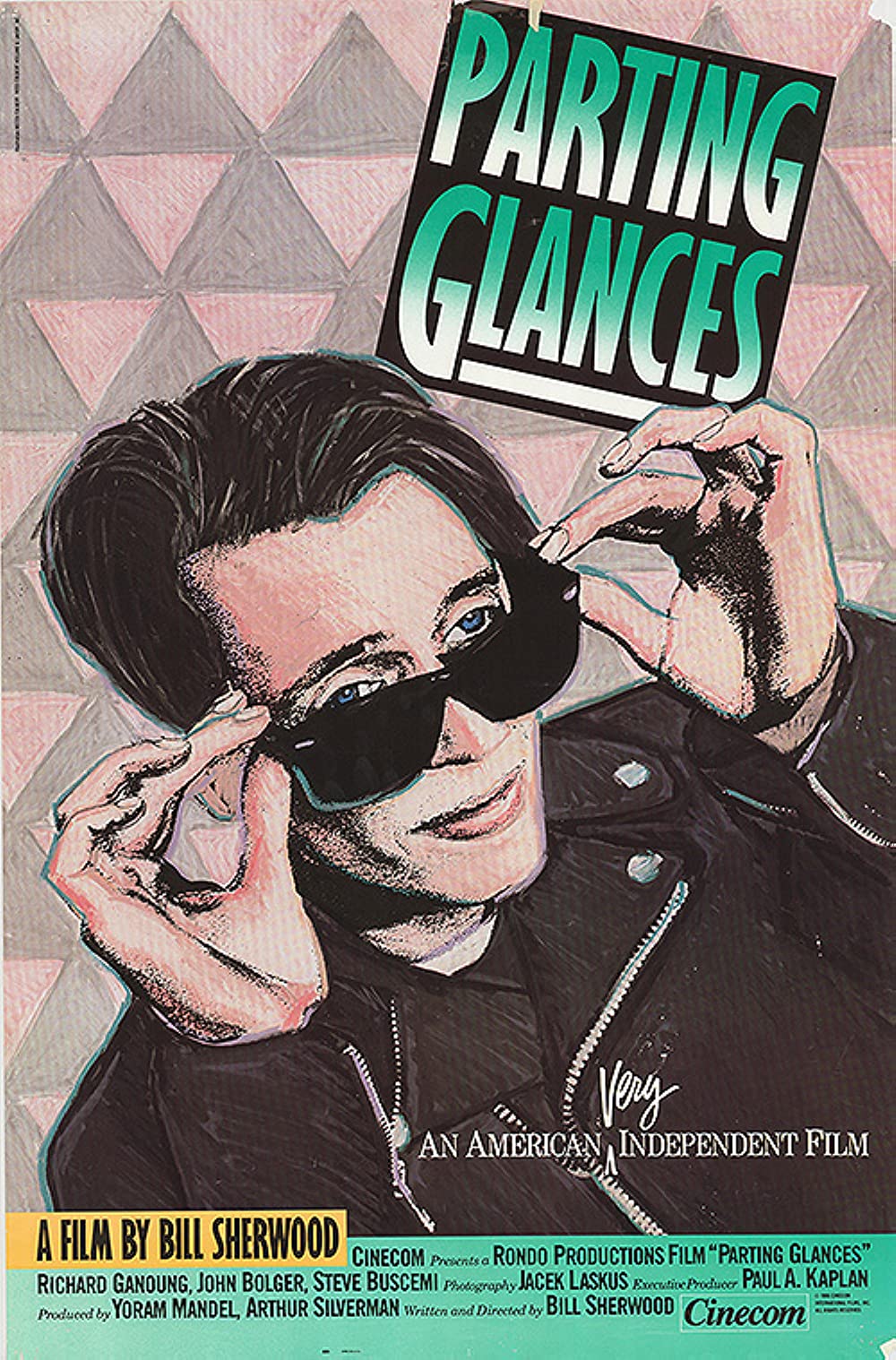
Parting Glances
1986
Parting Glances is a romantic drama about a gay couple who are forced to confront their relationship as one of them prepares to move to Africa. The film was praised for its realistic portrayal of gay life in the 1980s and for featuring a diverse cast of characters.
Other notable films you should check out are “Different from the Others” (1919), directed by Richard Oswald, which is considered one of the first explicitly pro-gay films. It depicted the struggles of a homosexual violinist and delved into themes of discrimination and persecution. Another influential film was “Mädchen in Uniform” (1931), directed by Leontine Sagan, which explored a lesbian relationship in a strict boarding school setting, confronting issues of power dynamics and societal expectations.

While early LGBT films faced censorship and condemnation, they served as a source of empowerment for marginalized communities. These movies provided a glimpse of queer life and offered a form of validation, offering audiences a reflection of their own experiences and emotions. Through the lens of cinema, viewers found solace, connection, and a sense of identity.
The legacy of early LGBT cinema is profound, as it laid the groundwork for the vibrant and diverse queer representation seen in contemporary cinema. By challenging societal norms and risking censorship, these filmmakers paved the way for a more inclusive cinematic landscape that continues to evolve and tell authentic stories of the LGBT community.

 Roses Have Thoughts
Leave a comment