

French cinema has had an indelible impact on the global film industry, renowned for its artistry, innovation, and unique storytelling. With a rich history dating back to the late 19th century, French cinema has consistently produced influential filmmakers, iconic films, and cinematic movements that have shaped the medium. From the early days of the Lumière brothers’ pioneering work in silent cinema to the avant-garde experiments of the French New Wave in the 1960s, French filmmakers have consistently pushed the boundaries of storytelling and aesthetics. Directors like François Truffaut, Jean-Luc Godard, and Claude Chabrol challenged traditional narrative structures, embraced improvisation, and delved into social and political issues with their films.
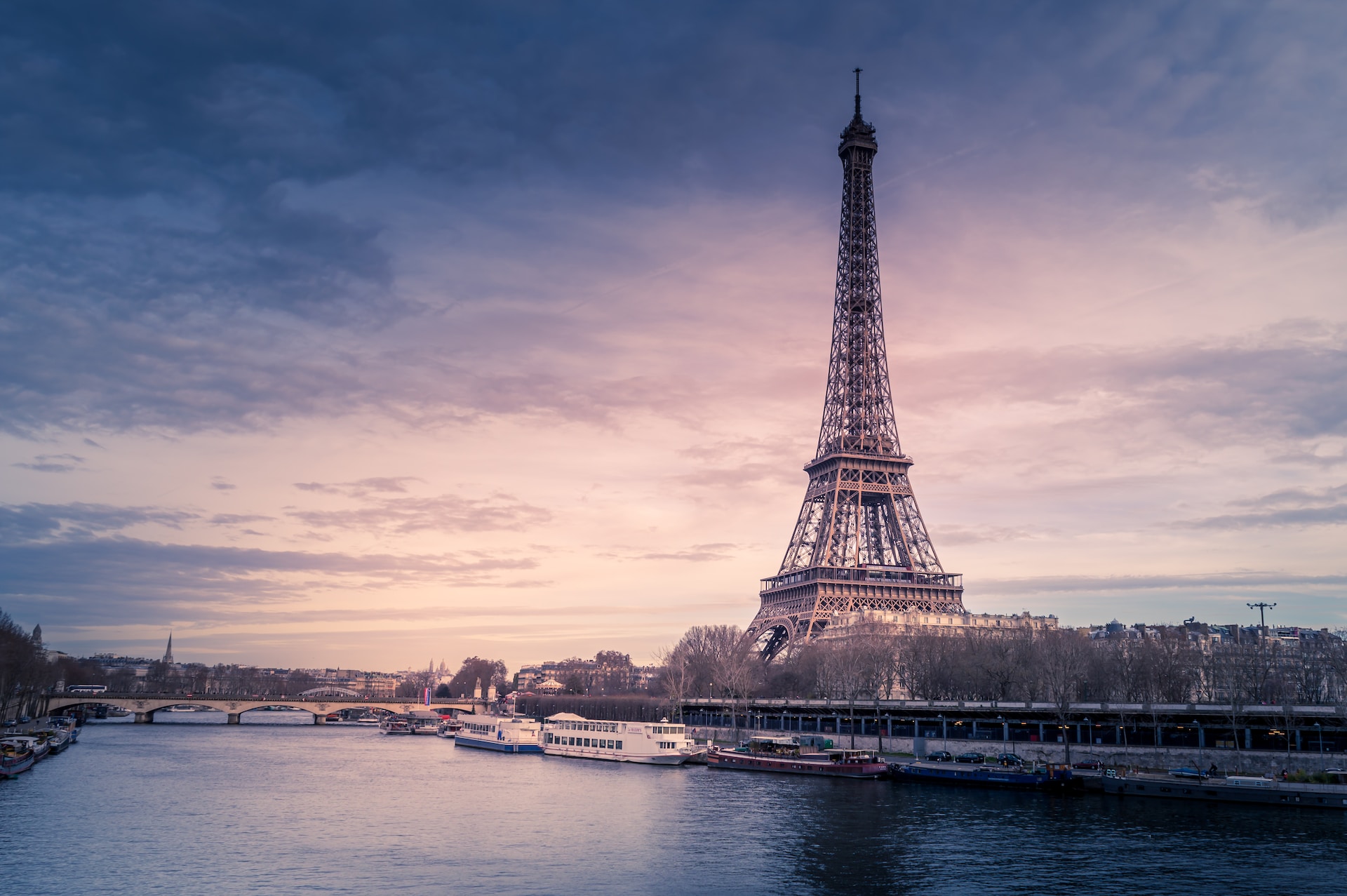
French cinema also boasts a strong tradition of auteurs, filmmakers who imprint their personal vision and style on their works. Filmmakers like Jean Renoir, Jacques Tati, and Jean-Pierre Jeunet have created distinct worlds on screen, characterized by their visual flair, humanistic themes, and meticulous attention to detail. The influence of French cinema extends beyond its own borders, inspiring filmmakers worldwide and shaping the language of cinema. The Cannes Film Festival, held annually in France, is one of the most prestigious and celebrated film events, showcasing the best of international cinema.
Whether it’s the poetic realism of Jean Cocteau’s “Beauty and the Beast,” the philosophical musings of Jean-Paul Sartre in Alain Resnais’ “Last Year at Marienbad,” or the gritty realism of Mathieu Kassovitz’s “La Haine,” French cinema continues to captivate audiences with its diversity, creativity, and willingness to explore the complexities of the human condition.
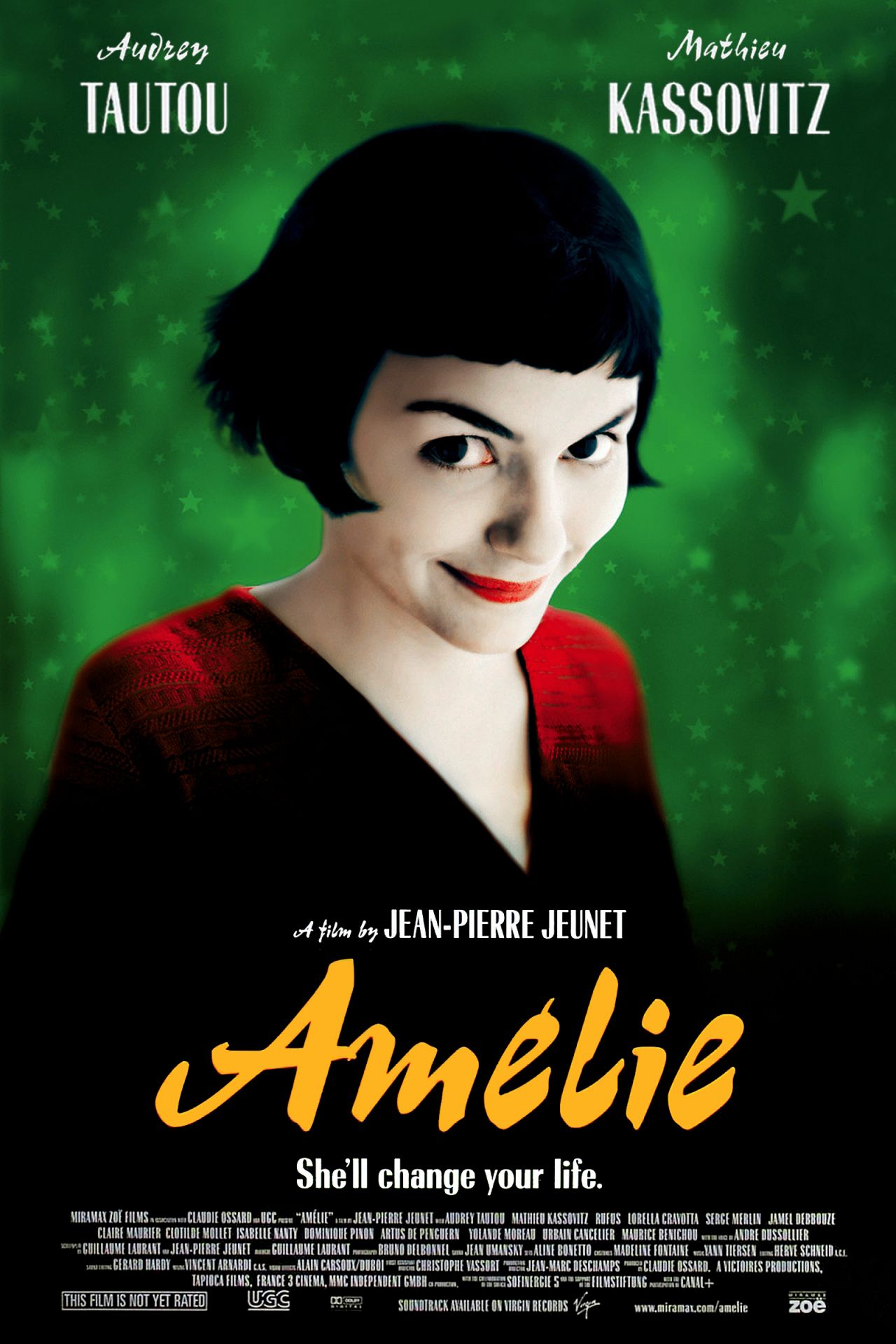
Amélie
2001
This whimsical romantic comedy follows the story of a shy and imaginative waitress who decides to become a secret matchmaker for those around her in Paris. The film is known for its charming performances, quirky characters, and stunning cinematography.

La Haine
1995
A powerful drama telling the story of three young men from different ethnic backgrounds who navigate the harsh realities of life in the Parisian suburbs after a riot. The film is a gritty exploration of race, class, and identity, and is known for its raw performances and unflinching social commentary.
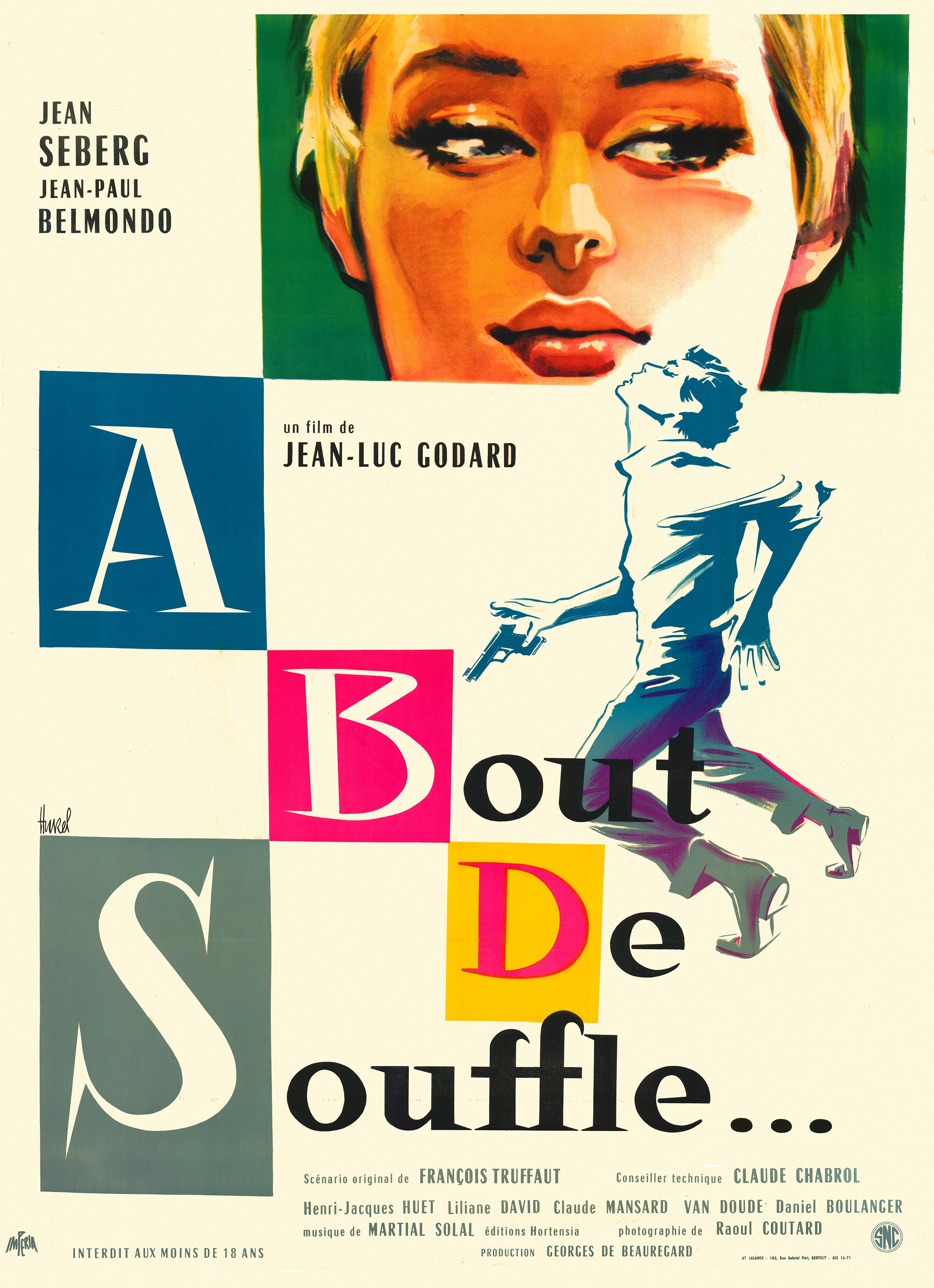
Breathless
1960
A truly iconic piece of crime drama telling the story of a petty criminal who falls in love with an American student in Paris. The film is known for its innovative use of jump cuts and its influence on the French New Wave movement and is widely regarded as a classic of world cinema.
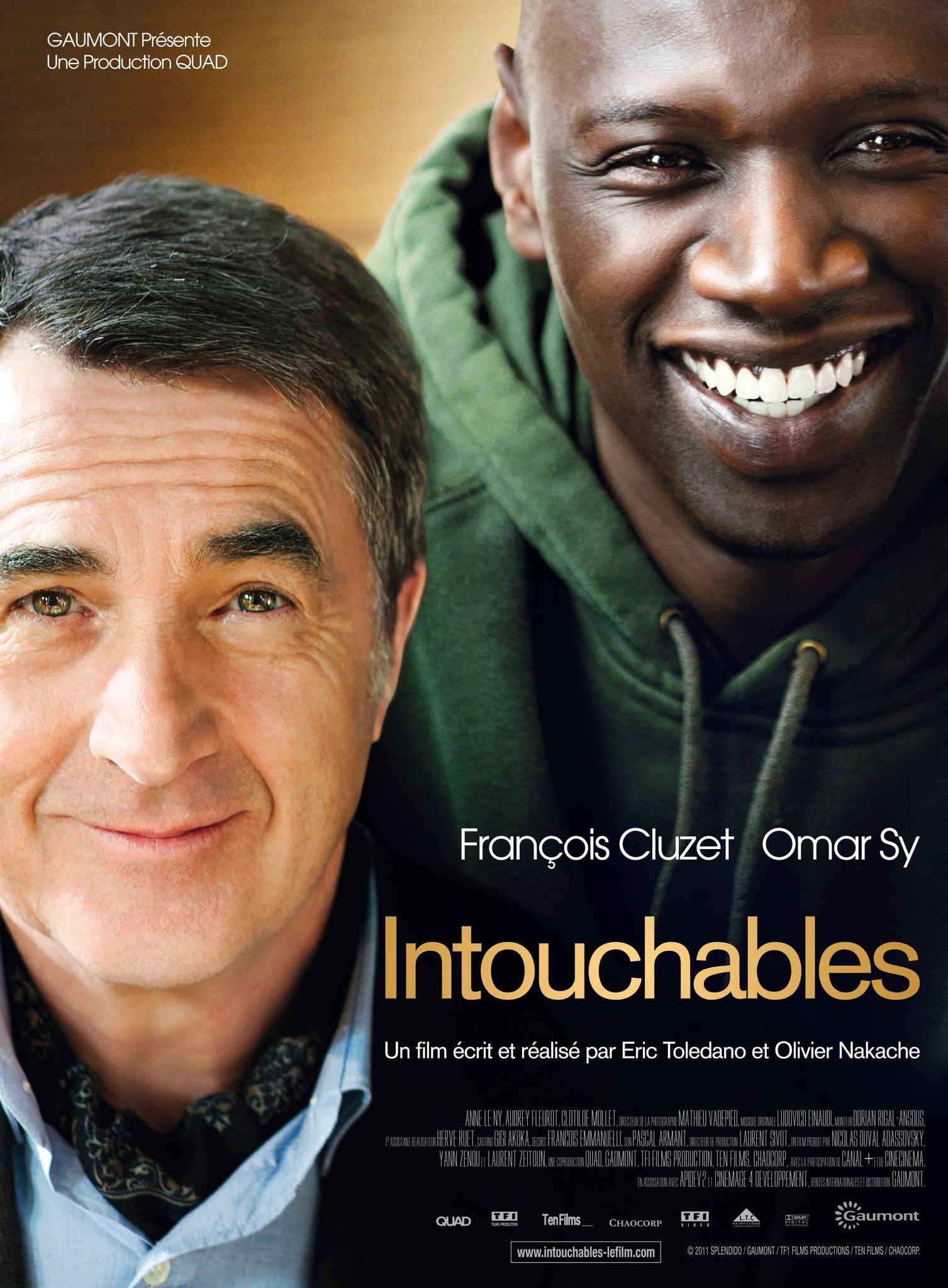
The Intouchables
2011
Olivier Nakache and Éric Toledano
This heartwarming comedy-drama is based on the true story of a wealthy quadriplegic who hires a young man from the projects to be his caregiver. The film is known for its touching performances, witty humour, and poignant exploration of friendship and human connection.
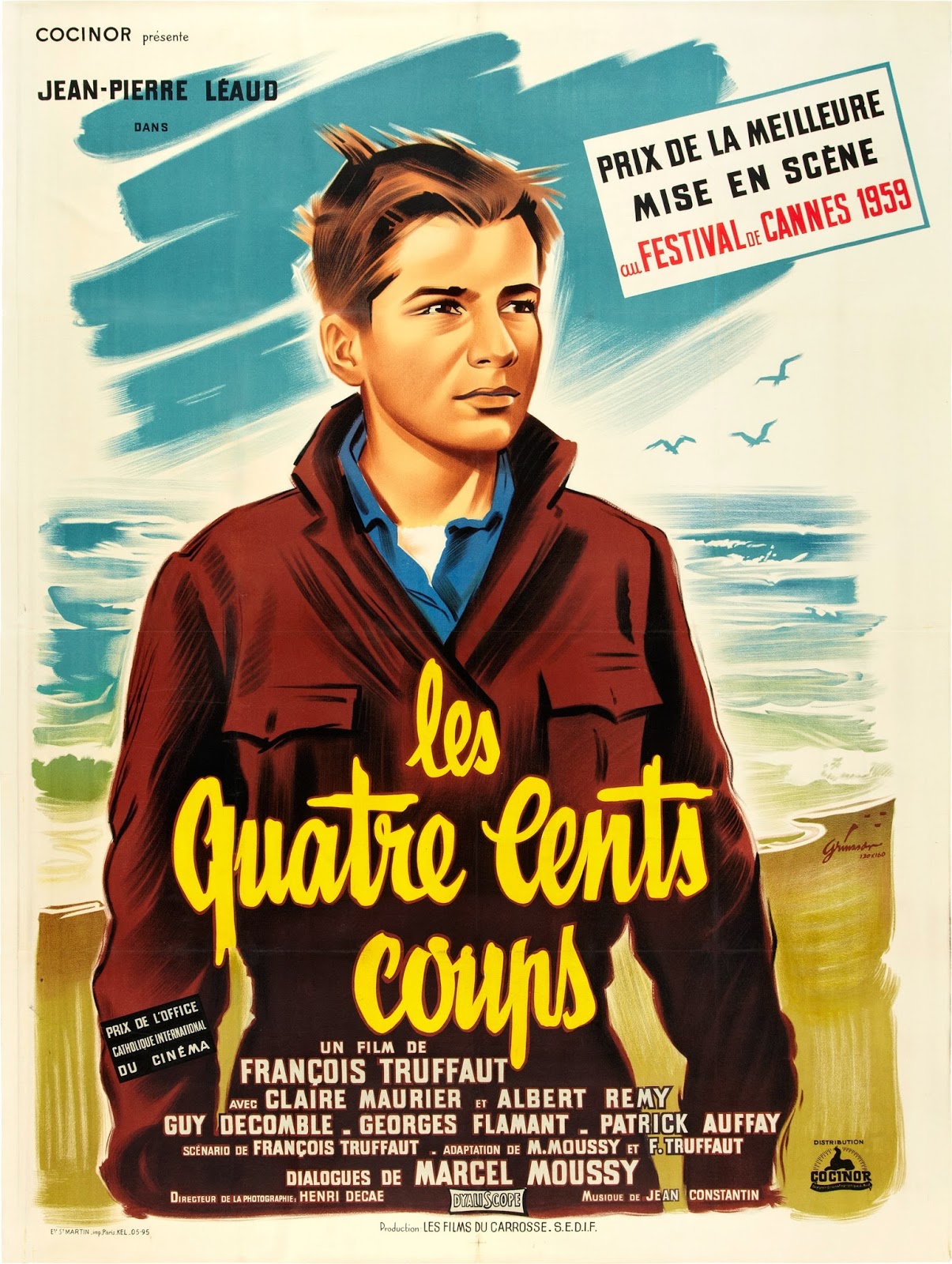
The 400 Blows
1959
A coming-of-age drama following the story of a young boy growing up in Paris and his struggles with family, school, and authority. The film is a seminal work of the French New Wave movement and is known for its naturalistic performances, powerful storytelling, and masterful direction by Truffaut.

In conclusion, French cinema is a vibrant and influential force in the world of filmmaking. Its rich history, visionary directors, and distinctive artistic approach have contributed to its enduring legacy and global acclaim.
 Roses Have Thoughts
Leave a comment