


Synopsis – A surgeon causes an accident which leaves his daughter disfigured and goes to extreme lengths to give her a new face – Eyes Without a Trace.
Director – Georges Franju
Starring – Pierre Brasseur, Alida Valli, Juliette Mayniel, Edith Scob
Genre – Horror
Released – 1960
“Haunting,” “beautifully chilling,” and “unforgettable” are just a few words that come to mind when trying to describe the 1960 French horror film, “Eyes Without a Face” (original title: “Les yeux sans visage”). Directed by Georges Franju, this black-and-white masterpiece not only transcends the genre but also delves deep into the realms of psychological terror and human morality. With its mesmerizing visuals, powerful performances, and thought-provoking themes, “Eyes Without a Face” stands as a timeless classic that continues to resonate with audiences to this day.
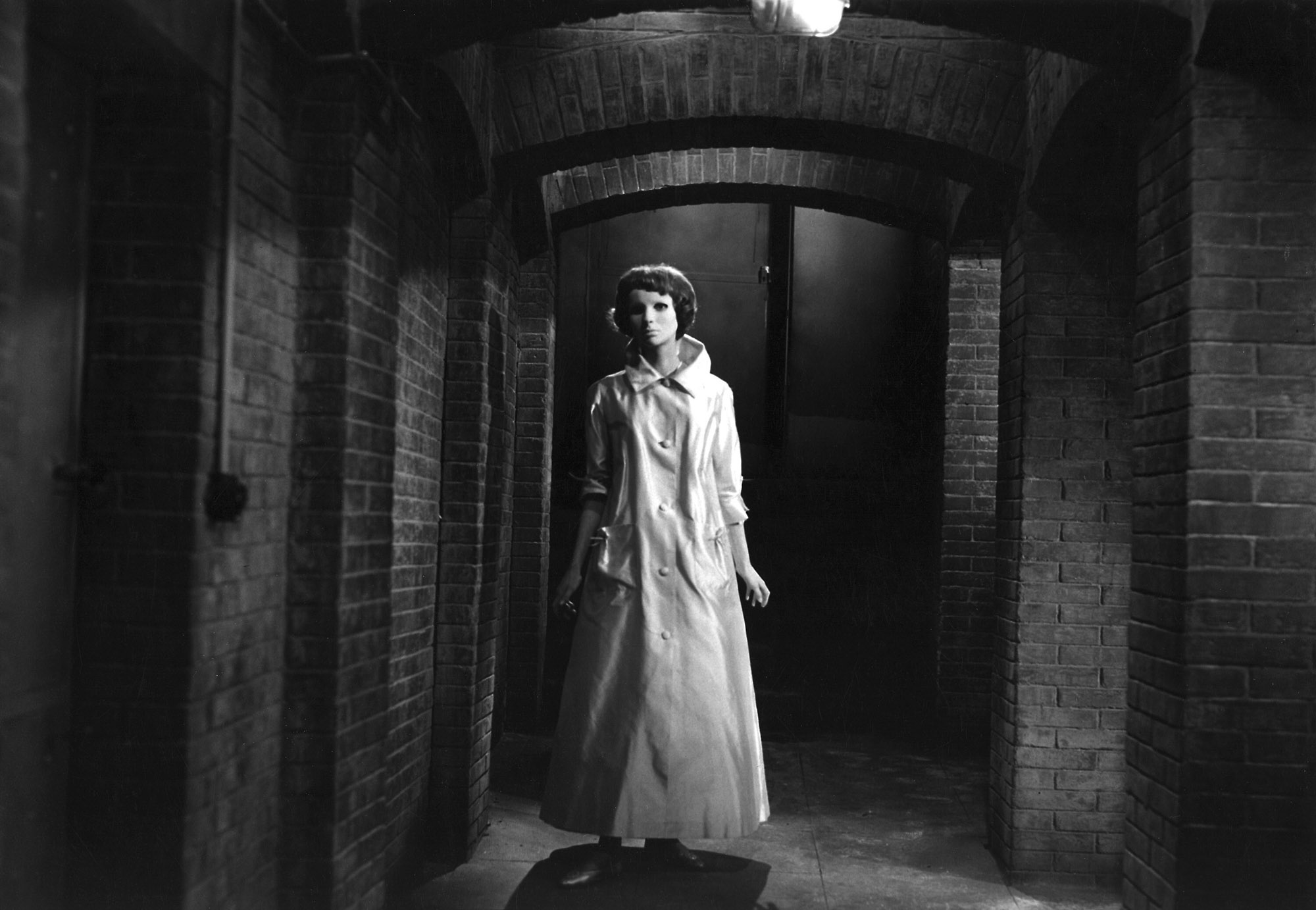
Set on the outskirts of Paris, the film follows Dr Génessier, a brilliant yet tormented surgeon, who is haunted by the tragic accident that disfigured his daughter, Christiane. Obsessed with restoring her face, Génessier becomes involved in a series of sinister experiments, luring young women and attempting to transplant their faces onto Christiane. As the story unfolds, we are taken on a journey that explores the depths of a father’s love, the ethics of scientific progress, and the consequences of playing god.
One of the film’s most striking aspects is its visual composition. Franju masterfully crafts every frame, using shadows, light, and the stark contrast of black and white to evoke a sense of unease and create an atmosphere of foreboding. The haunting imagery of Christiane’s mask, reminiscent of a blank porcelain doll, has become an iconic symbol of horror cinema. The surgical sequences, while not overly explicit, are profoundly unsettling, as they tap into our primal fears of bodily violation. The cinematography is a work of art in itself, with every shot carefully constructed to enhance the film’s unsettling and macabre nature.
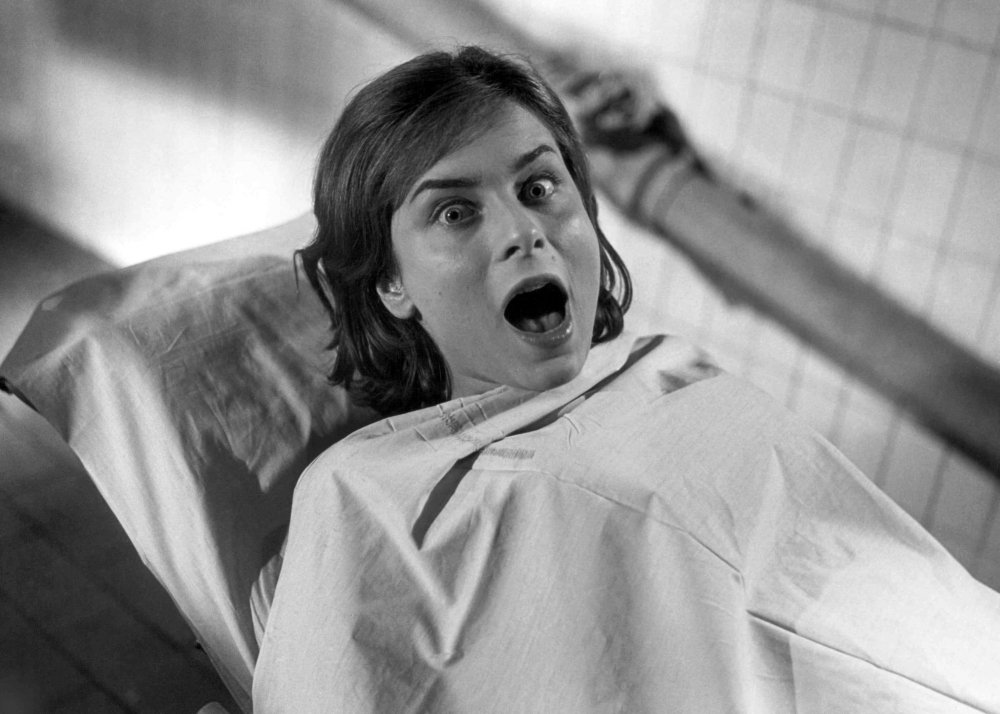
The performances in “Eyes Without a Face” are nothing short of exceptional. Edith Scob’s portrayal of Christiane is a silent tour de force, capturing the character’s vulnerability, isolation, and profound sadness. Scob conveys a multitude of emotions solely through her eyes, which are the only visible part of her face. Pierre Brasseur delivers a chilling performance as Dr Génessier, a complex and morally ambiguous character torn between his love for his daughter and his monstrous actions. The chemistry between Scob and Brasseur is palpable, adding an additional layer of depth to their strained relationship.
Beyond its horror elements, the film raises thought-provoking questions about the nature of identity, beauty, and the consequences of unchecked ambition. Franju uses the horror genre as a vehicle to explore profound human themes, challenging the audience to question the ethics of scientific progress and the lengths we are willing to go to achieve personal desires. The film’s themes resonate strongly even today, as advancements in technology and medicine continue to raise ethical dilemmas that mirror those presented in “Eyes Without a Face.”

In conclusion, “Eyes Without a Face” is a haunting masterpiece that has left an indelible mark on the horror genre. From its atmospheric visuals to its thought-provoking themes, the film captivates and disturbs in equal measure. Franju’s direction, coupled with outstanding performances, elevates the film to a level of artistry rarely seen in horror cinema. If you are a fan of atmospheric horror that delves into the depths of the human psyche, then “Eyes Without a Face” is an absolute must-watch. Just be prepared to have its haunting imagery linger with you for a long time to come.

 Roses Have Thoughts
Leave a comment