

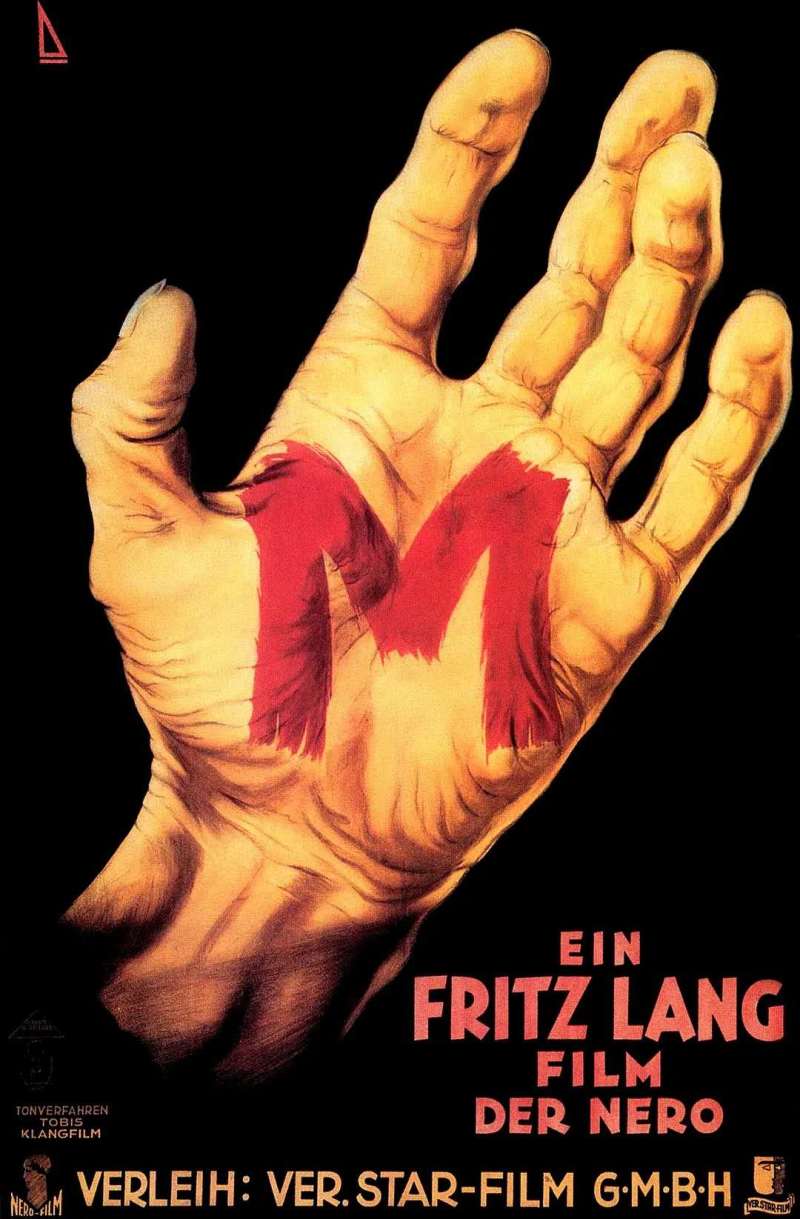
Synopsis – When the police in a German city are unable to catch a child murderer, other criminals join in the manhunt – M
Director – Fritz Lang
Starring – Peter Lorre, Otto Wernicke, Inge Landgut
Genre – Crime | Mystery | Thriller
Released – 1931
M is a gripping and thought-provoking film that transcends the boundaries of time and remains a timeless classic. Directed by the legendary Fritz Lang, this 1931 German masterpiece seamlessly weaves together elements of suspense, psychological depth, and social commentary, leaving the audience captivated from start to finish. With its innovative storytelling techniques, brilliant performances, and profound themes, M stands as a testament to Lang’s visionary filmmaking and remains an influential piece of cinematic history.

Set in Berlin during the early 1930s, M delves into the dark underbelly of society, exploring the hunt for a child murderer who terrorizes the city. Peter Lorre delivers a mesmerizing performance as Hans Beckert, the disturbed and hauntingly sympathetic serial killer. Lorre’s ability to convey the torment and vulnerability of his character is nothing short of remarkable, eliciting a simultaneous feeling of fear and empathy from the audience. His portrayal of a man trapped in the clutches of his own demons is chilling and unforgettable.
Lang’s direction is nothing short of brilliant, utilizing a multitude of techniques to enhance the film’s impact. The use of shadow and light is masterful, creating a visual atmosphere that mirrors the characters’ emotional states. The iconic sequence where the murderer whistles “In the Hall of the Mountain King” is a testament to Lang’s innovative style, evoking a sense of unease and building suspense without relying on explicit violence. This approach not only showcases Lang’s skill as a director but also highlights the power of suggestion and the viewer’s imagination.
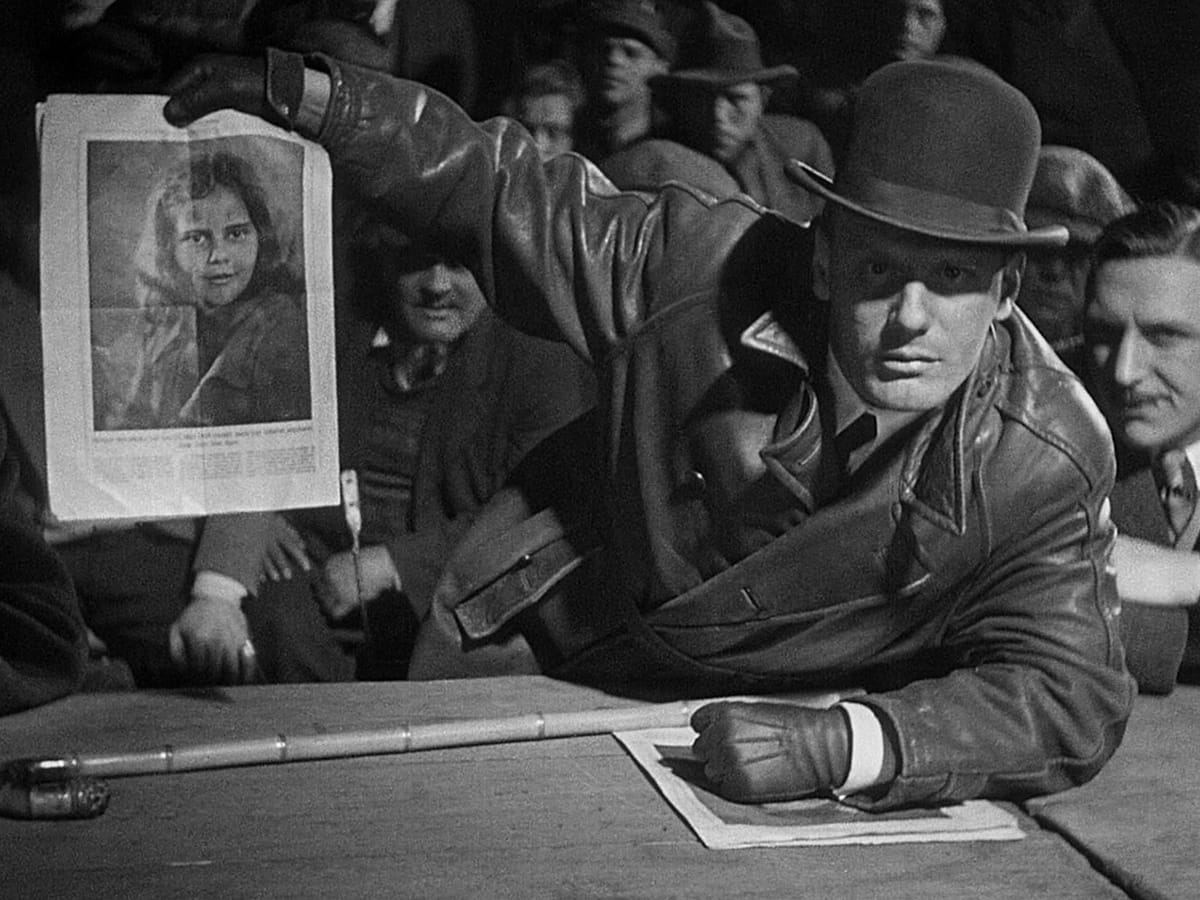
One of the film’s greatest strengths lies in its ability to explore complex themes and social commentary. M serves as an indictment of a society on the brink of chaos, grappling with the aftermath of World War I and the rise of Nazi Germany. Lang presents a world consumed by fear, where paranoia and mob justice threaten to overshadow justice itself. Through the character of Beckert, the film raises questions about the nature of evil, mental illness, and the responsibility of society to address the root causes of criminal behaviour. The exploration of these themes makes M a profound and thought-provoking experience.
The supporting cast in M is exceptional, with standout performances from Gustaf Gründgens as the shrewd criminal mastermind Schränker and Otto Wernicke as Inspector Lohmann, the relentless investigator determined to bring the murderer to justice. The meticulous attention to detail in the portrayal of each character adds depth to the narrative and elevates the overall viewing experience.
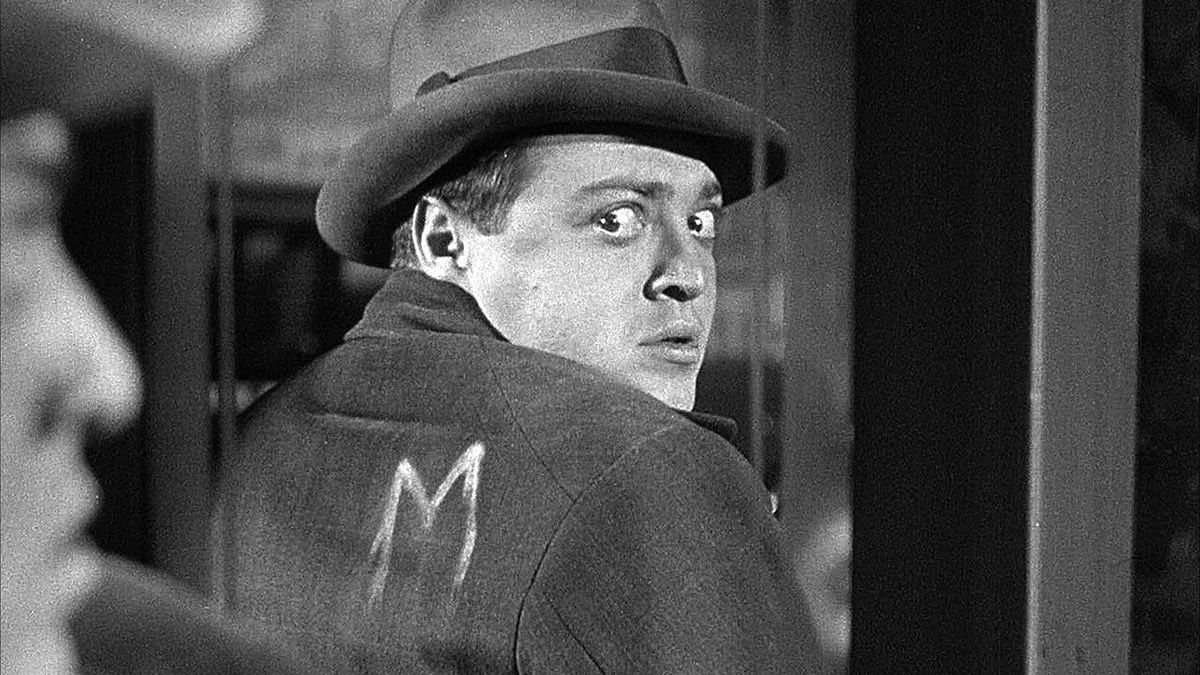
Furthermore, the film’s innovative sound design deserves recognition. Considering its release during the early days of sound cinema, Lang effectively utilizes silence and sound effects to create a heightened sense of tension. The recurring use of whistling and the eerie nursery rhyme add an unsettling layer to the film, further accentuating the atmosphere of unease and impending danger.
In conclusion, M is an exceptional film that continues to resonate with audiences even after more than nine decades since its release. Fritz Lang’s directorial prowess, Peter Lorre’s unforgettable performance, and the film’s exploration of timeless themes make it a cinematic masterpiece. M’s impact on the film industry cannot be overstated, as its influence can be seen in numerous crime thrillers and psychological dramas that followed. For anyone seeking a captivating and thought-provoking cinematic experience, M is an absolute must-see.
 Roses Have Thoughts
Leave a comment