

The history of sea travel in cinema reflects the evolution of cinematic storytelling and the enduring fascination with maritime adventures. From the early days of silent films to the present, ships and sea voyages have provided filmmakers with a rich tapestry of narratives. In the early 20th century, silent films like The Sea Beast (1926) and The Sea Hawk (1924) showcased maritime adventures with daring pirates and swashbuckling heroes. These films captured the allure of the high seas and the dangers that lurked within.

As technology advanced, films began to explore more realistic portrayals of sea travel. Mutiny on the Bounty (1935) and its later remake in 1962 depicted the true story of mutiny aboard a British naval vessel, immersing audiences in the world of sailing ships and the conflicts that arise among their crews. The mid-20th century witnessed a surge in maritime epics like The African Queen (1951) and Around the World in 80 Days (1956), which showcased the grandeur of ocean liners and the exotic locales they traversed. These films captured the spirit of adventure and the thrill of exploring new horizons.
The disaster film genre emerged with classics like The Poseidon Adventure (1972) and Titanic (1997), where ships became the centre of catastrophic events. These films emphasized the vulnerability of human beings in the face of maritime disasters and explored themes of survival and human resilience. Contemporary films like Contraband (2012) and Captain Phillips (2013) continue to delve into the challenges of modern sea travel, highlighting the perils faced by sailors and the courage required to overcome them.
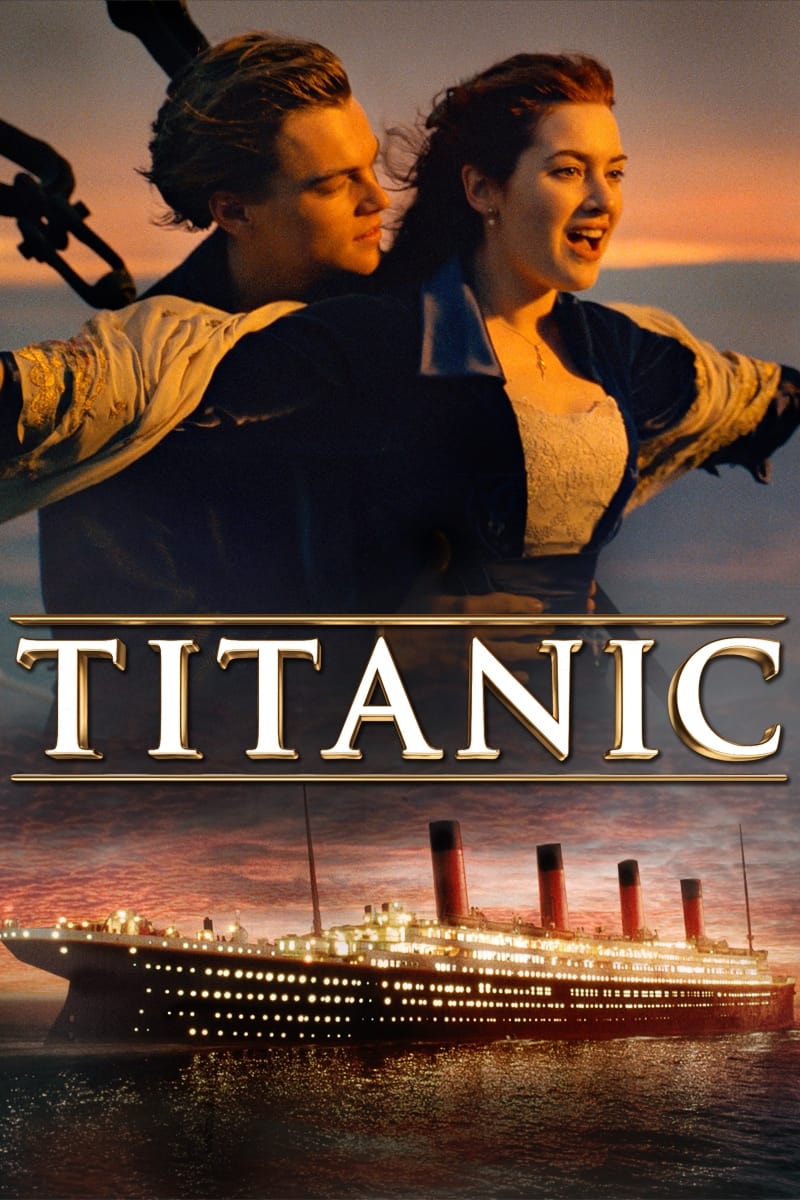
Titanic
1997
This epic romance and disaster film set in 1912, tells the story of a young aristocrat, Rose, and a working-class artist, Jack, who fall in love aboard the ill-fated RMS Titanic. The film garnered critical acclaim for its breathtaking visuals, compelling performances, and tragic storyline. It remains one of the most successful and beloved movies of all time.

Master and Commander: The Far Side of the World
2003
Set during the Napoleonic Wars, this historical drama film follows Captain Jack Aubrey, played by Russell Crowe, and his crew as they engage in intense naval battles and face personal challenges aboard the HMS Surprise. The film is praised for its realistic portrayal of life at sea and its stunning cinematography.
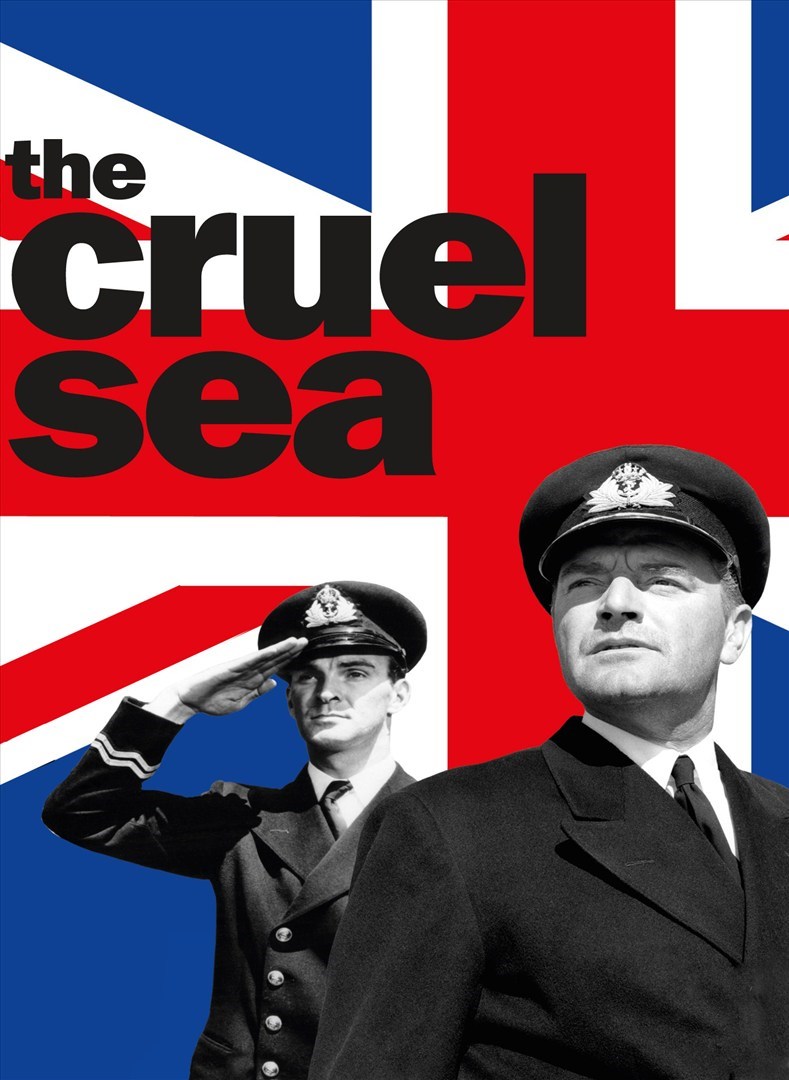
The Cruel Sea
1953
A British war film based on the novel by Nicholas Monsarrat. Set during World War II, it depicts the challenges faced by the crew of a British Royal Navy corvette as they engage in perilous convoy escort missions and battle against German U-boats. The film portrays the harsh realities of war at sea, showcasing the toll it takes on the sailors’ physical and emotional well-being.
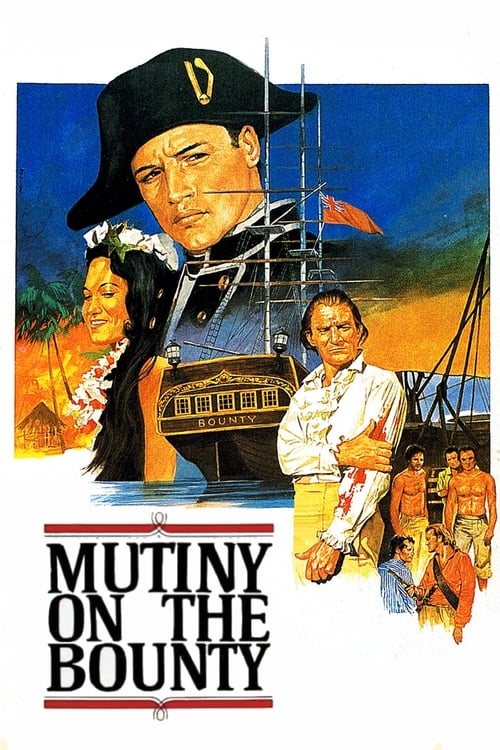
Mutiny on the Bounty
1962
This historical drama is Based on a true story, it follows the ill-fated voyage of the HMS Bounty and the infamous mutiny led by Fletcher Christian, played by Marlon Brando, against Captain William Bligh, portrayed by Trevor Howard. The film explores themes of power, rebellion, and the clash of personalities in a gripping tale set amidst the beauty of the South Pacific.

The Poseidon Adventure
1972
One of the great 70s disaster films, this movie centres around the SS Poseidon, a luxury ocean liner that capsizes after being struck by a massive tidal wave. A group of survivors, led by Reverend Scott, played by Gene Hackman, must navigate through the ship’s upside-down corridors and overcome various obstacles to reach safety. The film is known for its thrilling suspense, intense performances, and groundbreaking visual effects.

Throughout the history of cinema, sea travel has provided a rich canvas for filmmakers to explore themes of adventure, romance, disaster, and heroism. The allure of the open ocean continues to captivate audiences, making ships and sea voyages an enduring presence in cinema.
 Roses Have Thoughts
Leave a comment