

The fascination with dinosaurs has captured the imagination of humans for centuries. These colossal creatures that roamed the Earth millions of years ago have left an indelible mark on popular culture. One medium that has played a significant role in bringing dinosaurs to life is film. From the earliest days of cinema to the cutting-edge technology of today, the history of dinosaurs in film is a fascinating journey through time, showcasing the evolution of filmmaking techniques and our ever-evolving understanding of these prehistoric giants.
The Silent Era: Early Encounters

The journey of dinosaurs in film began in the silent era, at the dawn of cinema itself. Willis O’Brien, a pioneer in stop-motion animation, made a significant contribution to the genre with his 1914 short film, “The Dinosaur and the Missing Link.” This early effort featured a stop-motion dinosaur that interacted with live-action characters, setting the stage for what was to come.
However, it was the groundbreaking film “The Lost World” (1925) that truly marked a turning point in the history of dinosaurs in film. Directed by Harry O. Hoyt and adapted from Sir Arthur Conan Doyle’s novel, the film featured stop-motion dinosaurs created by Willis O’Brien. The dinosaurs were brought to life in spectacular fashion and left audiences in awe. “The Lost World” established stop-motion as the go-to technique for depicting dinosaurs in film.
The Golden Age of Stop-Motion: King Kong
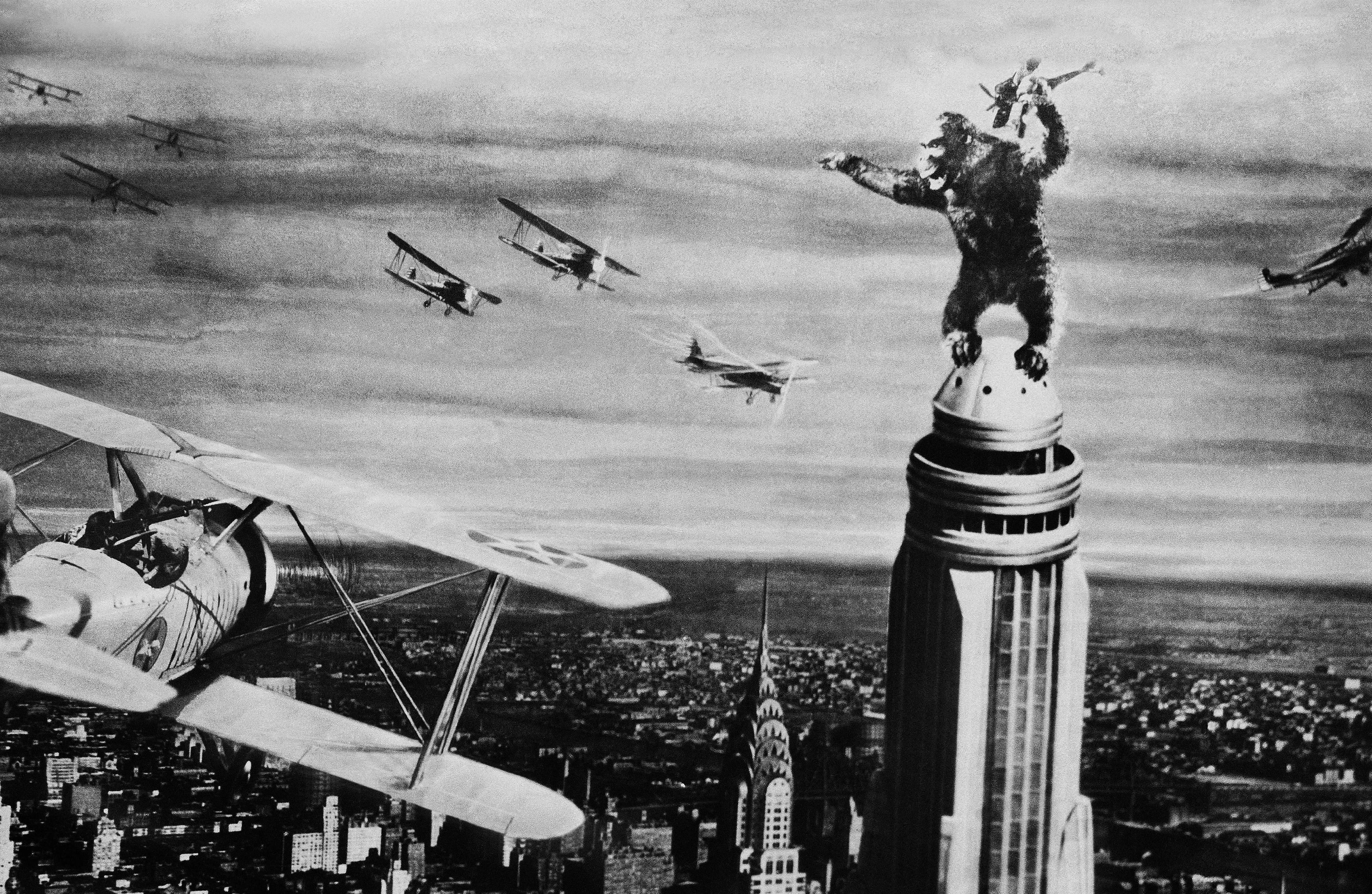
The 1930s saw the pinnacle of stop-motion animation with the release of “King Kong” (1933), directed by Merian C. Cooper and Ernest B. Schoedsack. Willis O’Brien’s mastery of stop-motion animation was on full display as he created the iconic character of Kong, a gigantic ape that tussles with dinosaurs on Skull Island.
The film was a massive success and solidified the place of dinosaurs in popular culture. The groundbreaking special effects in “King Kong” set a new standard for visual storytelling and showcased the potential of stop-motion animation. It also marked the first time that audiences saw a dinosaur and a giant ape on the same screen, igniting the imagination of filmmakers and viewers alike.
The Advent of Technicolor: Fantasia
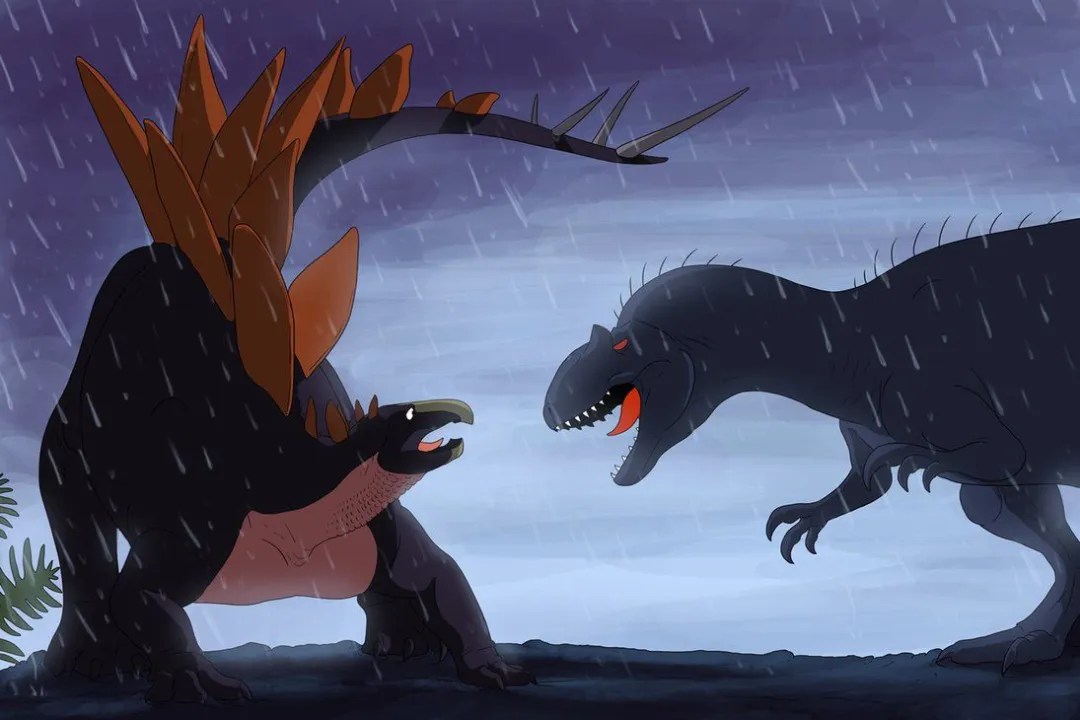
In 1940, Walt Disney released “Fantasia,” a ground-breaking animated film that featured a segment titled “The Rite of Spring.” This segment was a bold experiment in blending animation and classical music, and it included a stunning sequence depicting the evolution of life on Earth, complete with dinosaurs.
Although “Fantasia” was not solely focused on dinosaurs, this segment left a lasting impression on audiences. The use of Technicolor and innovative animation techniques brought dinosaurs to life in a way that had never been seen before. Disney’s vision set the stage for future filmmakers to explore the possibilities of using dinosaurs in creative and visually stunning ways.
The Dinosaur Renaissance: The 1990s
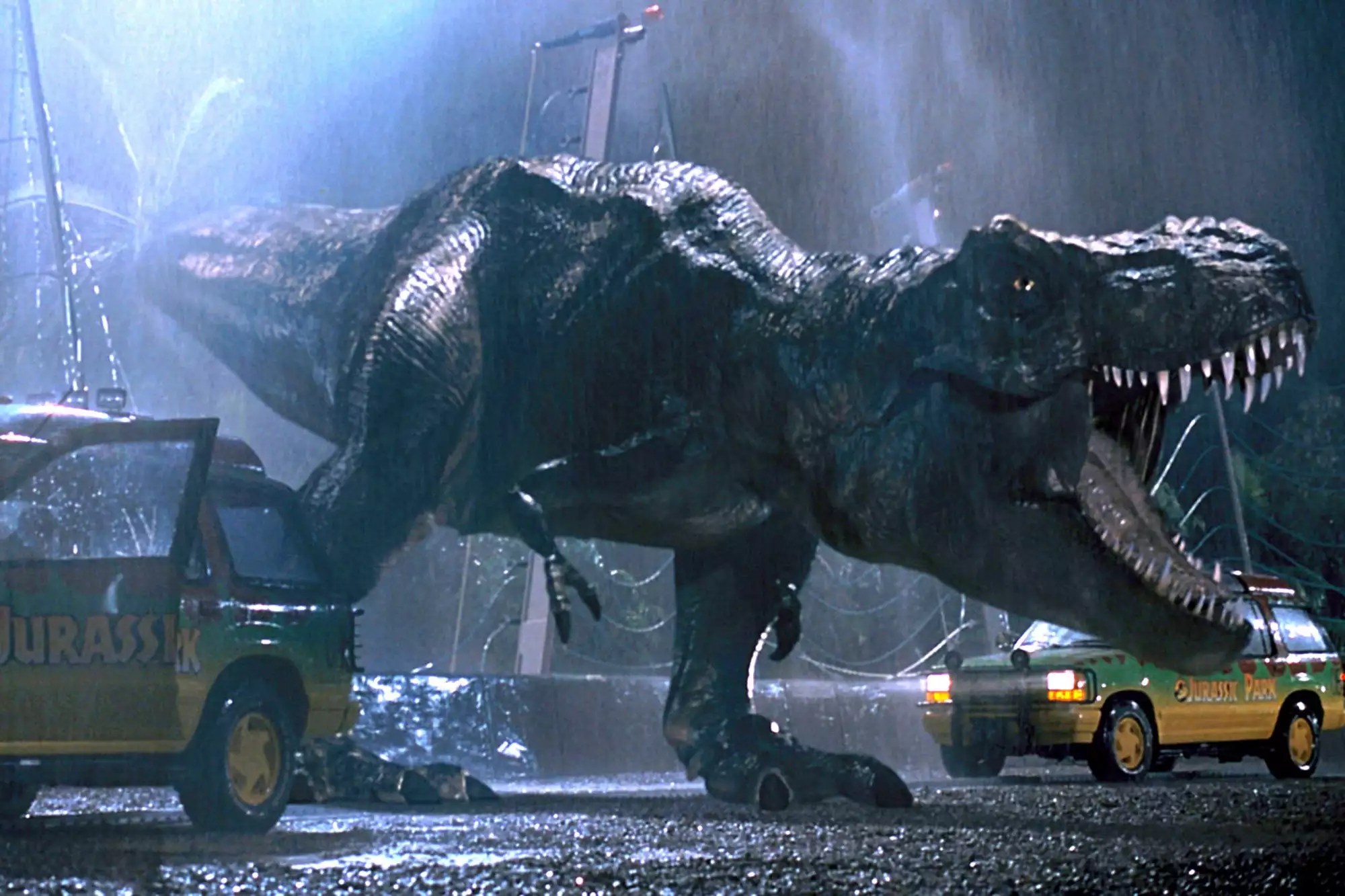
While the 1950s and 1960s saw a flurry of B-movies featuring dinosaurs, it wasn’t until the 1990s that dinosaurs in film experienced a true renaissance. This era was marked by two iconic films that redefined the genre: “Jurassic Park” (1993) and “The Land Before Time” (1988).
“Jurassic Park,” directed by Steven Spielberg, was a game-changer in the world of visual effects. Using a combination of animatronics, puppetry, and computer-generated imagery (CGI), Spielberg and his team created incredibly lifelike dinosaurs. The film’s groundbreaking use of CGI ushered in a new era of filmmaking, where dinosaurs could be seamlessly integrated into live-action scenes. “Jurassic Park” not only thrilled audiences but also pushed the boundaries of what was possible in cinema.
“The Land Before Time,” a family-oriented animated film directed by Don Bluth, showcased a different approach to portraying dinosaurs in film. Through traditional hand-drawn animation, it captured the hearts of children and adults alike, delivering a touching story about friendship and survival in a prehistoric world.
The Digital Age: Advancements in CGI
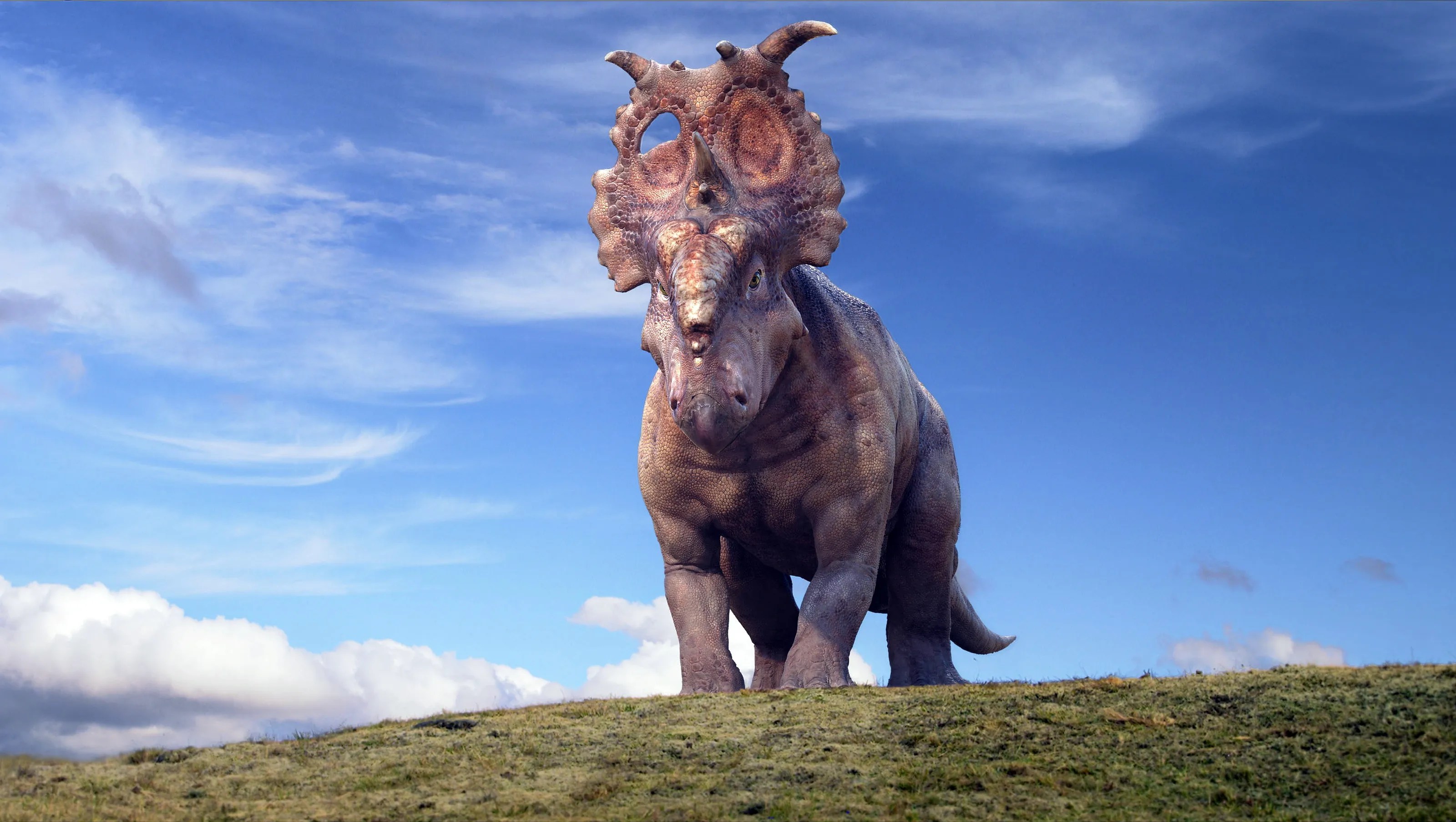
As technology continued to advance, so did the portrayal of dinosaurs in film. The 21st century saw a proliferation of films that used CGI to create breathtakingly realistic dinosaurs. “Walking with Dinosaurs” (2013), a BBC miniseries, used cutting-edge CGI to depict dinosaurs in a documentary-style format, bringing them to life as never before.
The “Jurassic Park” franchise also continued to thrive with sequels like “Jurassic World” (2015), which relied heavily on CGI to create even more spectacular dinosaur action sequences. These films demonstrated the evolution of CGI technology and its ability to create awe-inspiring dinosaur visuals.
Conclusion: From Clay Models to Digital Realism
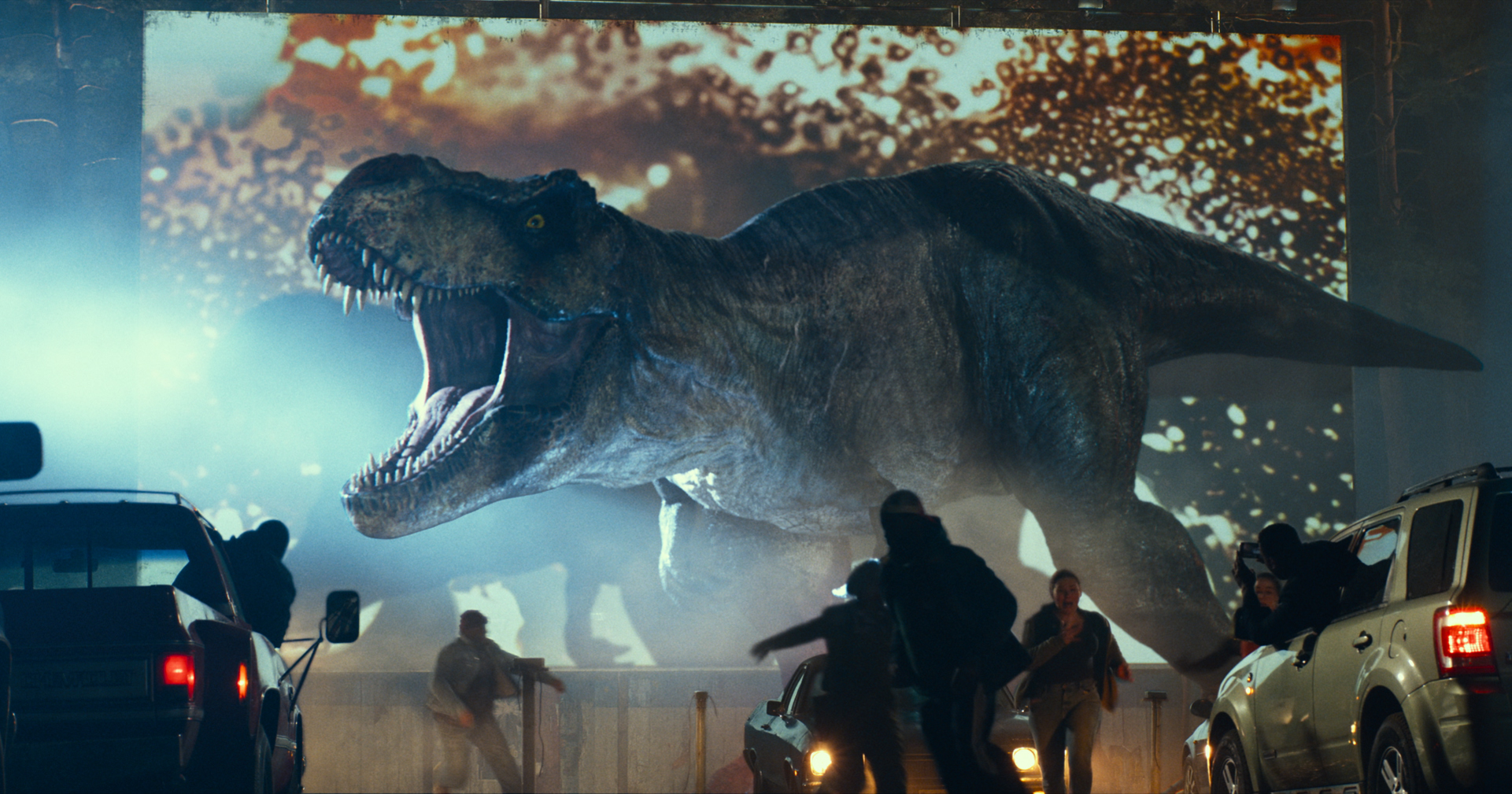
The history of dinosaurs in film is a testament to the evolution of filmmaking techniques and our enduring fascination with these ancient creatures. From the early days of stop-motion animation to the digital realism of today, filmmakers have continually pushed the boundaries of technology and storytelling to bring dinosaurs to life on the silver screen.
As we look to the future, it’s clear that dinosaurs will continue to be a captivating and integral part of cinema. Advances in technology will likely lead to even more realistic and immersive dinosaur experiences for audiences. Whether they are portrayed as fierce predators, gentle giants, or lovable animated characters, dinosaurs will continue to capture our imaginations and remind us of the incredible history of our planet. The history of dinosaurs in film is a journey that has spanned over a century, and it shows no signs of extinction.


Something went wrong. Please refresh the page and/or try again.
 Roses Have Thoughts
Leave a comment