

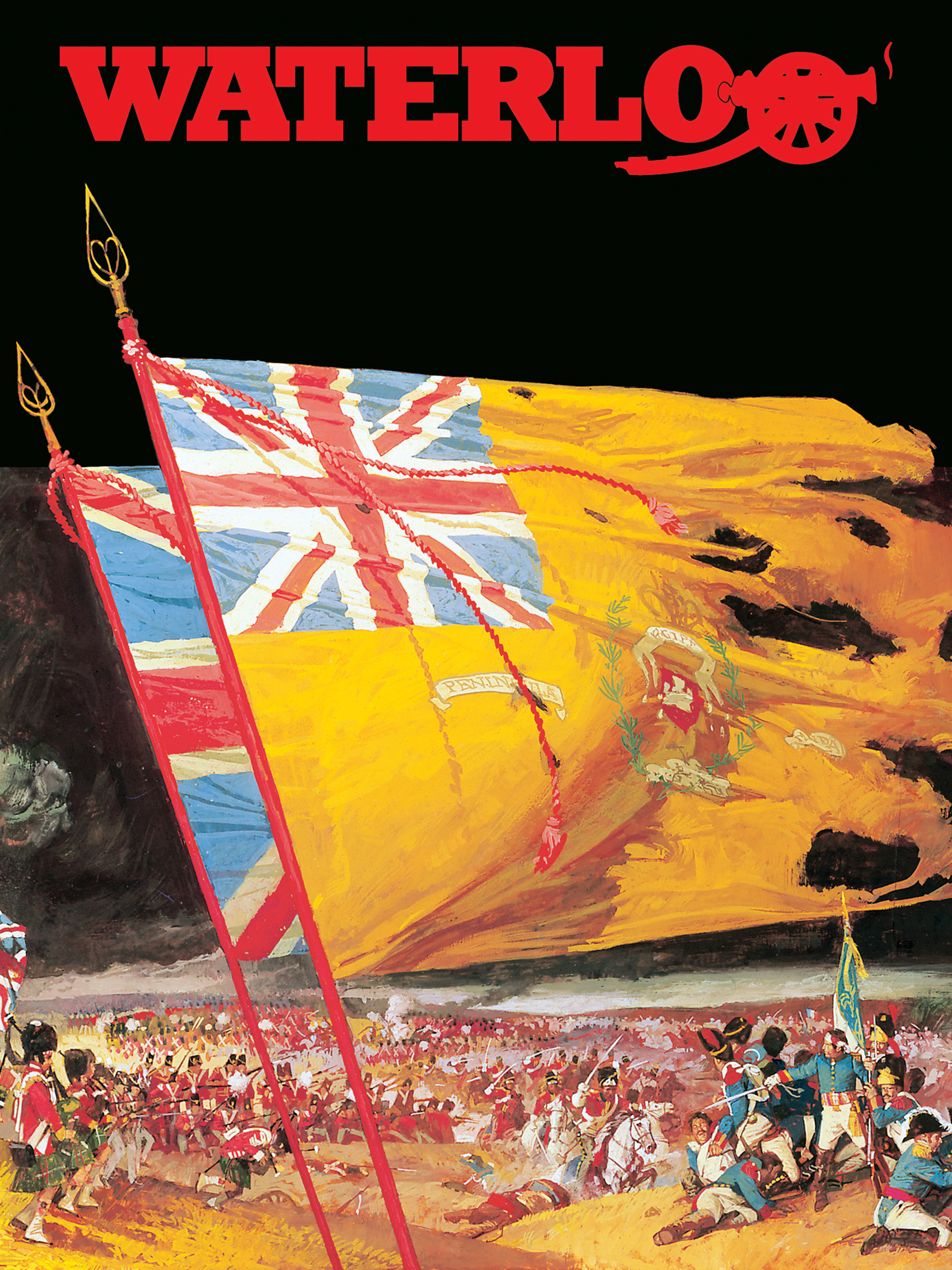
Synopsis-Napoleon has returned from exile to the delight of his French countrymen and has assembled an army to conquer Europe. Wellington led the allied forces of the British, Austrians, Prussians and Russians to fight the French, with the two armies finally meeting in Waterloo, Belgium.
Director- Sergei Bondarchuk
Starring- Rod Steiger, Christopher Plummer, Jack Hawkins, Orson Welles
Genre- Historical | War | Drama
Released- 1970
“Waterloo” (1970) is a cinematic masterpiece that brilliantly captures the epic scale and historical significance of the Battle of Waterloo. Directed by Sergei Bondarchuk, this film stands as a monumental achievement in the realm of historical war dramas and Soviet cinema.
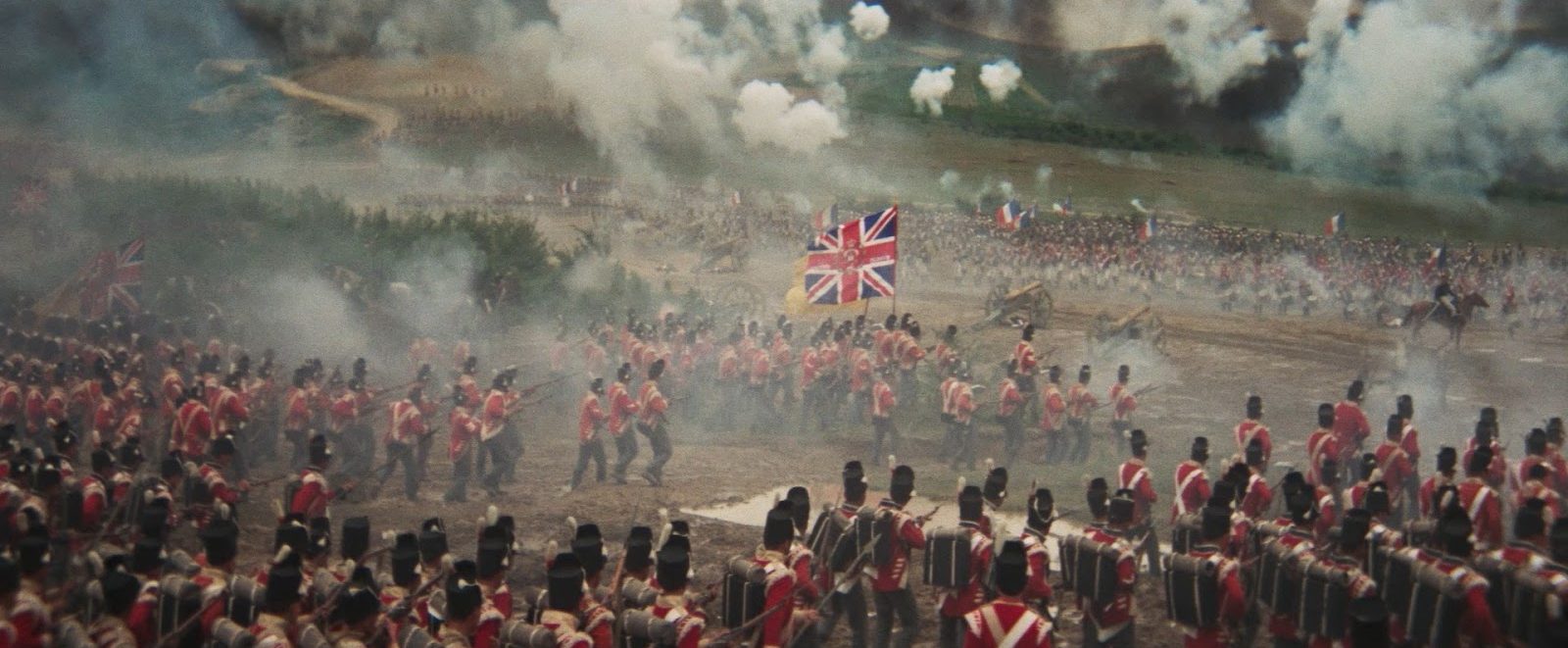
The film unfolds with meticulous attention to detail, recreating the events leading up to and during the Battle of Waterloo with astonishing accuracy. Every aspect is meticulously crafted from the costumes to the weaponry, transporting the audience back to 1815. The cinematography is breathtaking, with sweeping shots of the vast battlefield, capturing the chaos and intensity of the conflict.
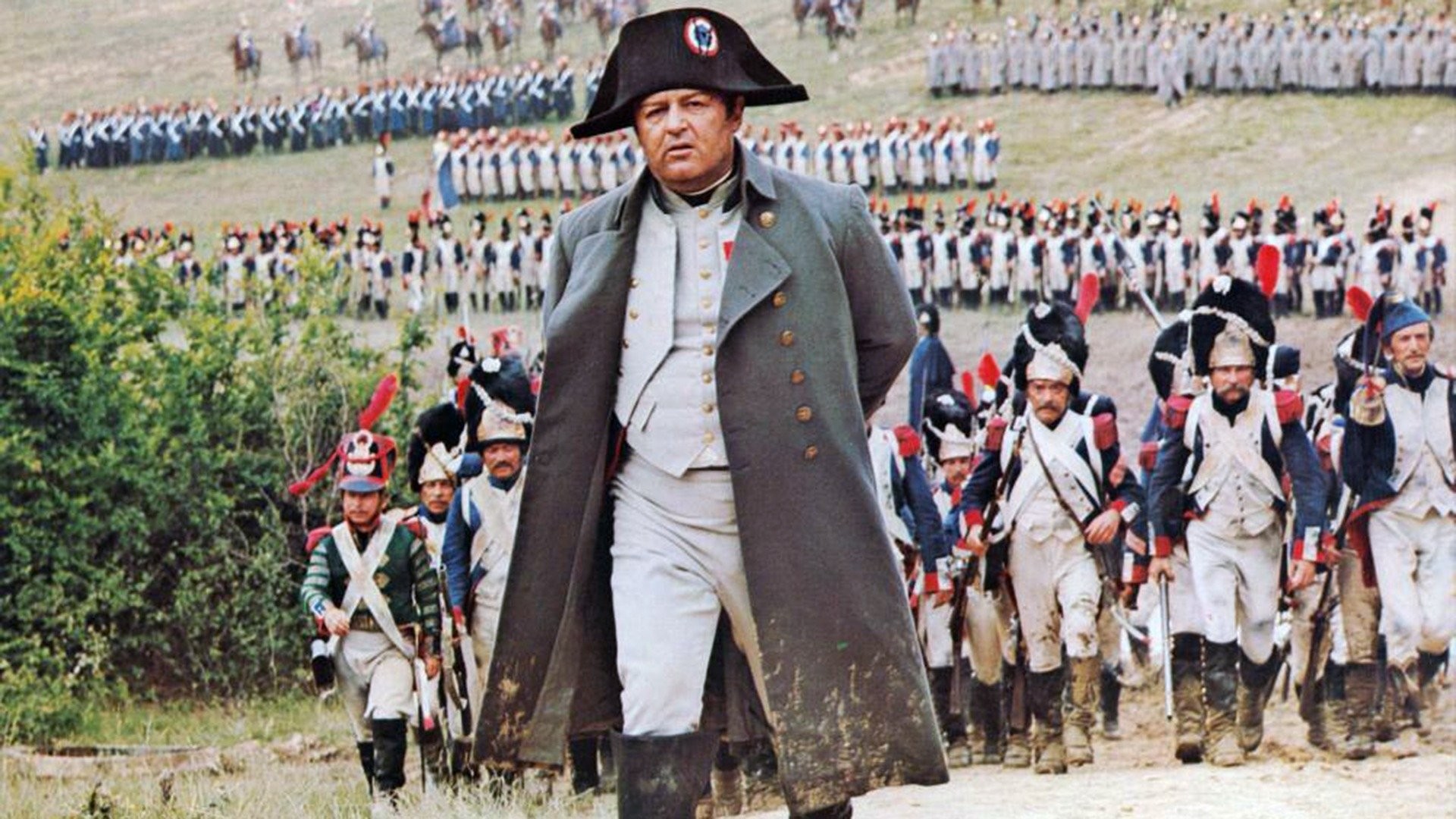
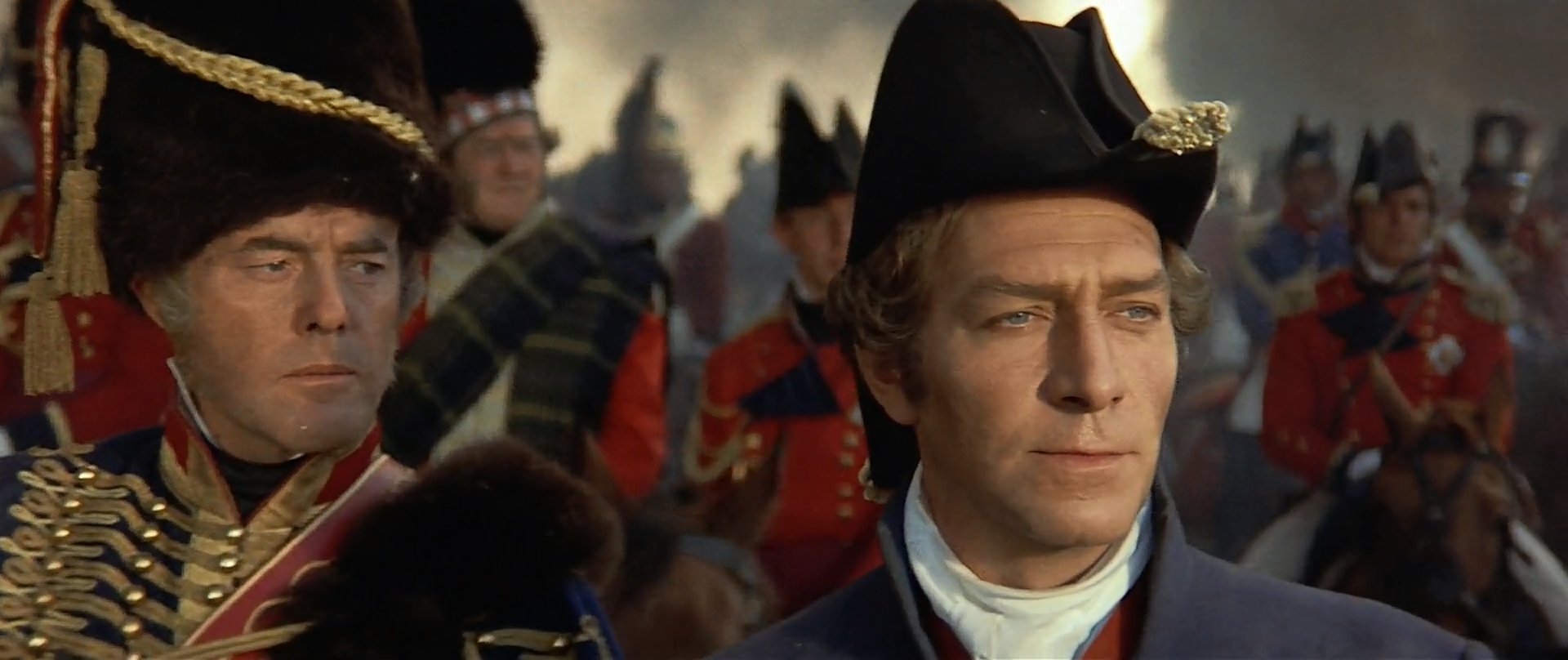
The performances in “Waterloo” are nothing short of exceptional. Rod Steiger delivers a powerful portrayal of Napoleon Bonaparte, capturing both the charisma and the vulnerabilities of the historical figure. His nuanced performance allows the audience to empathize with Napoleon, despite the controversial nature of his character. Christopher Plummer, playing the Duke of Wellington, provides a counterbalance with a stoic and commanding presence, creating a compelling dynamic between the two leaders.
What sets “Waterloo” apart is its commitment to historical accuracy. The filmmakers went to great lengths to recreate the Battle of Waterloo with authenticity, even securing the cooperation of the Soviet army to provide thousands of soldiers for the battle scenes. This dedication to realism elevates the film, immersing the audience in the visceral experience of 19th-century warfare.
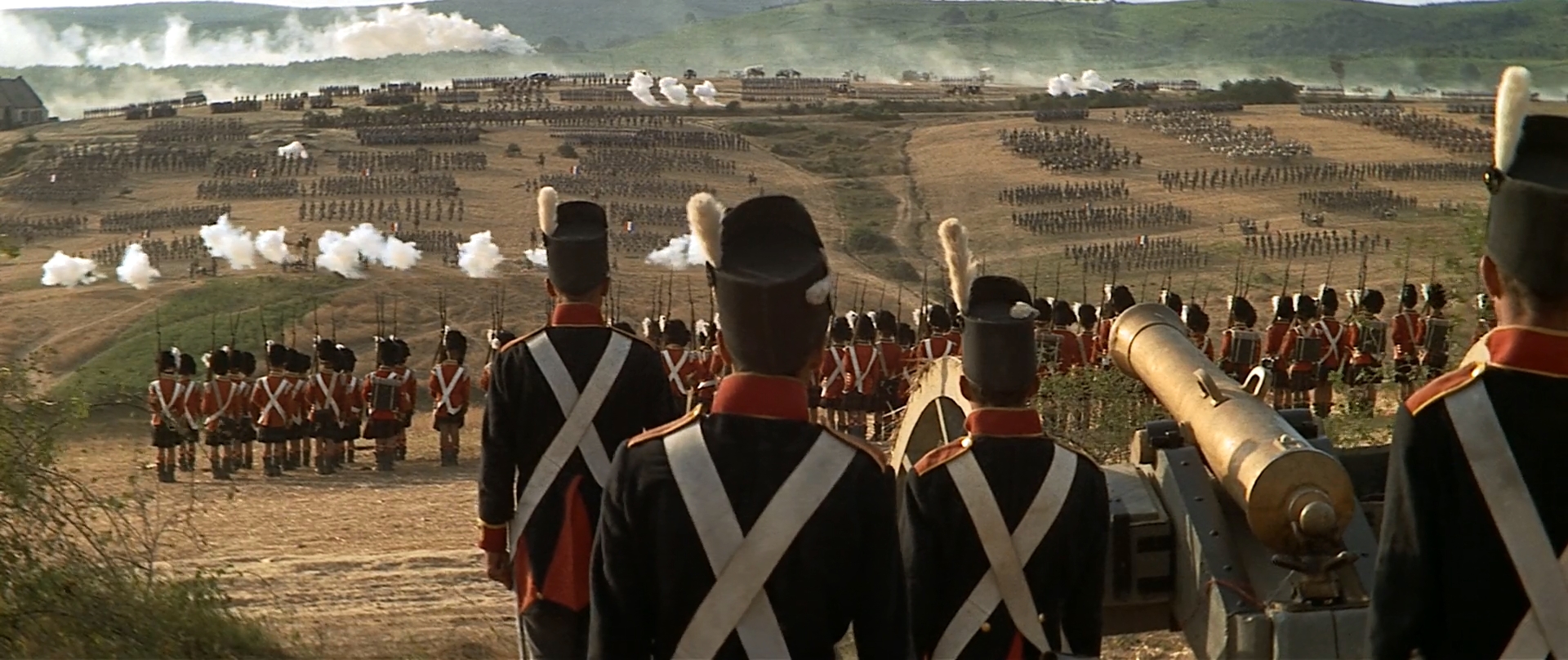
The battle sequences are a tour de force of filmmaking, choreographed precisely and executed with stunning practical effects. The sheer scale of the production is awe-inspiring, with thousands of soldiers, horses, and cannons converging on the battlefield. The result is a visual spectacle that rivals some of the most iconic war scenes in cinematic history.
Beyond the spectacle, “Waterloo” delves into the psychological and strategic aspects of war. The film explores the minds of both Napoleon and Wellington, offering insight into their motivations and decision-making processes. This adds a layer of depth to the narrative, transforming it from a mere reenactment of historical events into a nuanced exploration of leadership and the human experience during conflict.
The musical score, composed by Nino Rota, complements the film perfectly, enhancing the emotional impact of key moments. The music swells with tension during the battle scenes and evokes a sense of grandeur during the quieter, reflective moments. Rota’s work contributes significantly to the film’s overall immersive quality.
Despite its historical specificity, “Waterloo” manages to transcend its subject matter, resonating with audiences on a universal level. It is not merely a historical war film but a profound exploration of power, ambition, and the human cost of conflict. Helped in part by the neutral stance that the film takes, There are heroics to be found on both sides and a deep sense that whoever wins the battle, still loses. Highlighted at the end by Plummer delivering the famous Duke of Wellington’s quote “Nothing except a battle lost can be half so melancholy as a battle won”.
In conclusion, “Waterloo” (1970) is a cinematic triumph that successfully brings one of history’s defining moments to life on the big screen. With its unparalleled attention to detail, outstanding performances, and breathtaking visuals, the film stands as a testament to the potential of historical dramas to captivate and educate audiences. Whether you’re a history enthusiast or simply a fan of exceptional filmmaking, “Waterloo” is a must-watch that continues to hold its place among the greatest war films ever made.
 Roses Have Thoughts
Leave a comment