
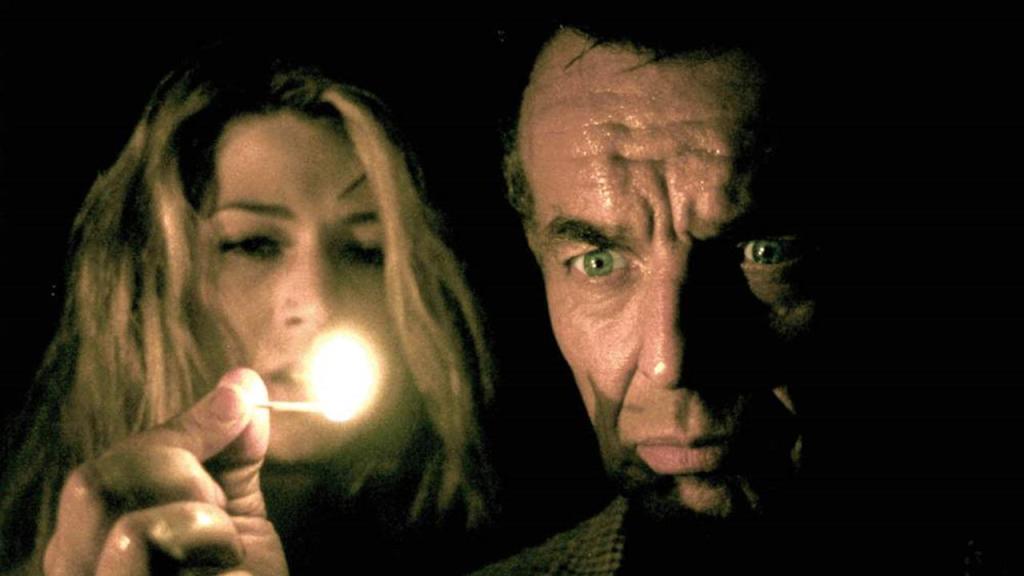
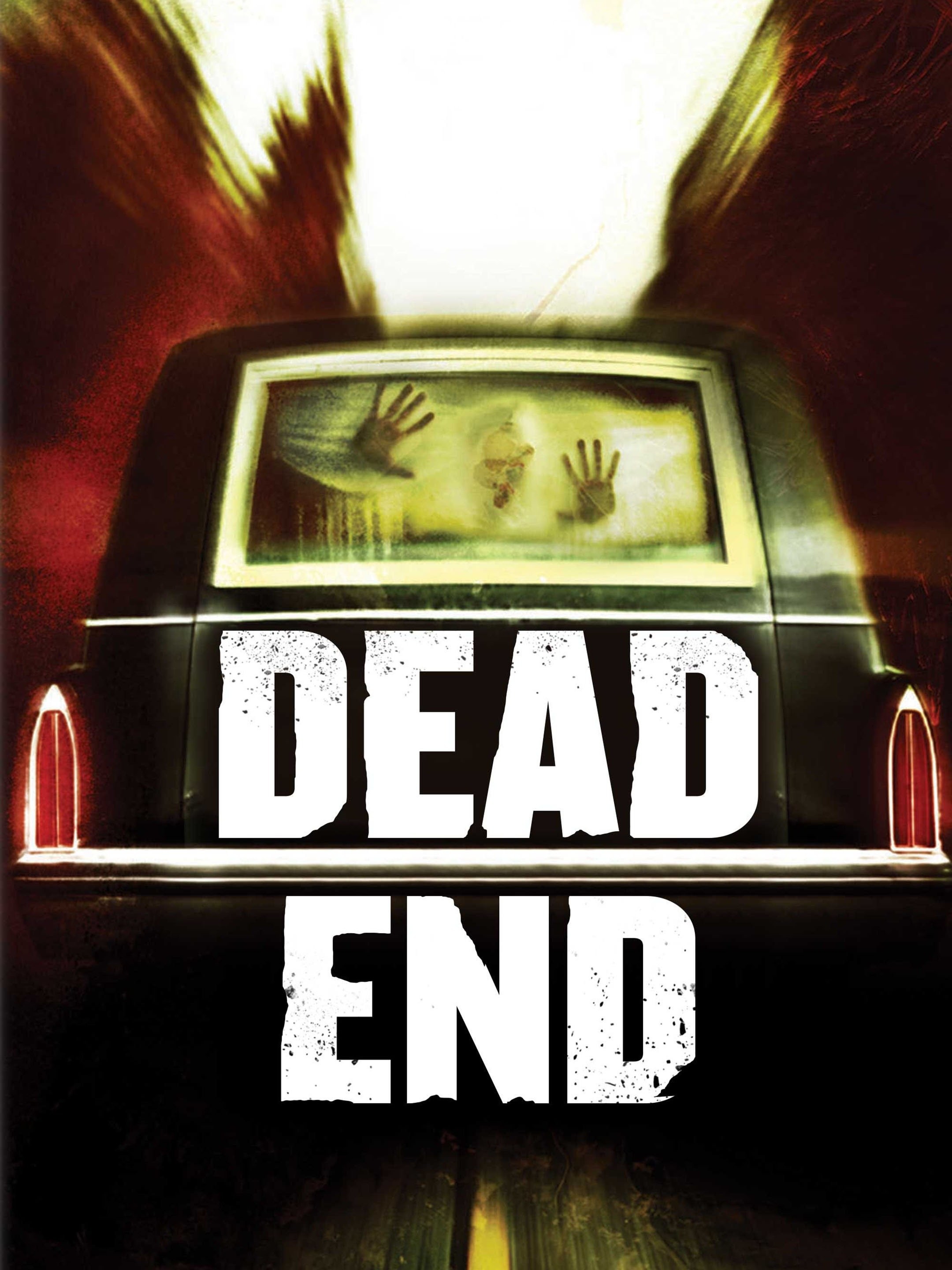
Synopsis- Frank and his family are on their way to his in-laws for Christmas. On the way, they offer a ride to a woman clad in white. When she disappears, bodies start piling up.
Directors- Jean-Baptiste Andrea, Fabrice Canepa
Starring- Ray Wise, Lin Shaye, Mick Cain
Released- 2003
Dead End (2003) is a psychological thriller that navigates the thin line between reality and the supernatural. Directed by Jean-Baptiste Andrea and Fabrice Canepa, the film offers a unique take on the horror genre, blending elements of suspense, mystery, and a touch of dark humour. While it has its merits, the film falls short of reaching its full potential.
One of the film’s strengths lies in its atmospheric tension. The setting, a seemingly endless, desolate road in the middle of nowhere, creates an eerie backdrop that keeps viewers on edge. The directors effectively use the isolation of this setting to build a sense of dread and paranoia. The cinematography captures the bleakness of the surroundings, enhancing the overall chilling atmosphere.
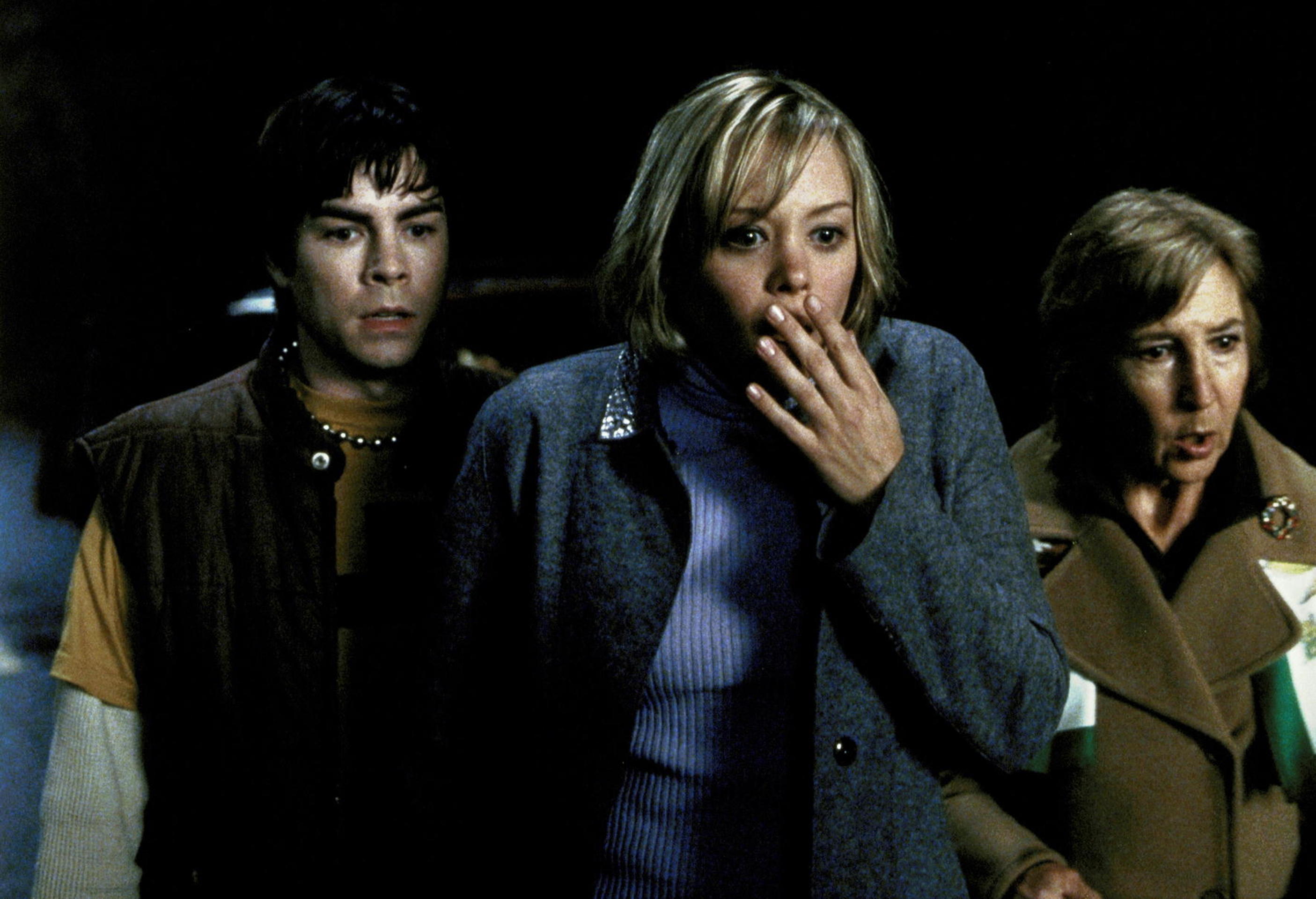
The cast, led by Ray Wise and Lin Shaye, delivers solid performances that contribute to the film’s unsettling vibe. Wise, in particular, brings a convincing mix of scepticism and fear to his role as the patriarch of the ill-fated family. The dynamics among the characters add an intriguing layer to the narrative, exploring the tensions within the family as they grapple with the bizarre events unfolding around them.
The plot takes unexpected turns, keeping audiences guessing about the true nature of the supernatural force at play. As the family encounters strange and increasingly surreal occurrences, the film toys with perceptions of reality. The ambiguity surrounding the nature of the threat adds a psychological element, forcing viewers to question the characters’ sanity and the boundaries between life and death.

However, “Dead End” stumbles in maintaining a consistent tone. While the film successfully blends horror and humour in some moments, at other times, the shifts between these elements feel jarring. The comedic moments, often provided by the quirky character Marion (Alexandra Holden), occasionally undermine the tension the film works hard to establish. The balance between horror and humour is delicate, and in this case, it feels uneven, impacting the overall cohesiveness of the viewing experience.
Additionally, the resolution of the film may leave some viewers divided. The ambiguity that works well in building suspense and intrigue also contributes to an ending that feels abrupt and inconclusive. While open-ended conclusions can be effective, “Dead End” leans towards leaving too many unanswered questions, potentially leaving some viewers unsatisfied.
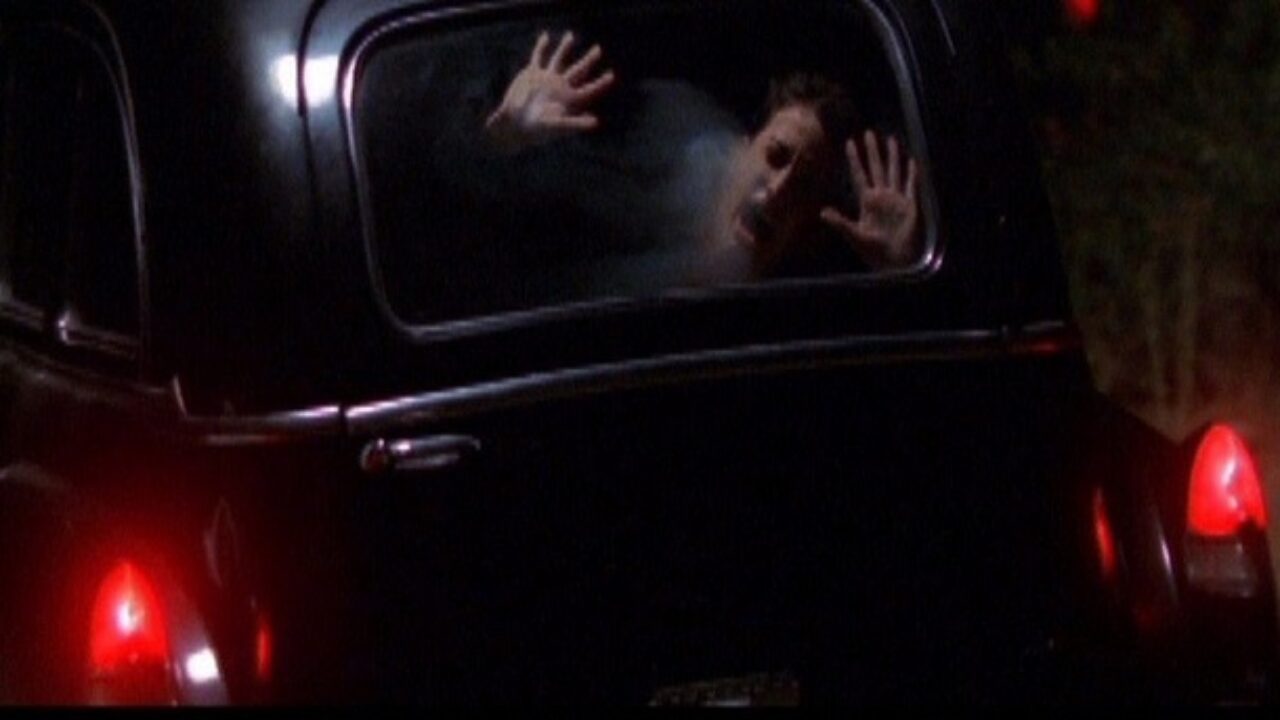
Despite its flaws, “Dead End” remains a memorable entry in the psychological horror genre. The film’s unique premise, atmospheric setting, and commendable performances create an engaging experience for those seeking a departure from conventional horror tropes. However, the film’s uneven tone and inconclusive resolution prevent it from reaching the heights of excellence. With a more refined balance and a more satisfying conclusion, “Dead End” could have been a standout in its genre. As it stands, it offers a chilling journey that falls just short of its full potential.
 Roses Have Thoughts
Leave a comment