

British cinema has a rich and diverse history, marked by iconic films, talented filmmakers, and a unique storytelling tradition. Here, we explore some of the aspects that contribute to the greatness of British cinema.
Historical Significance
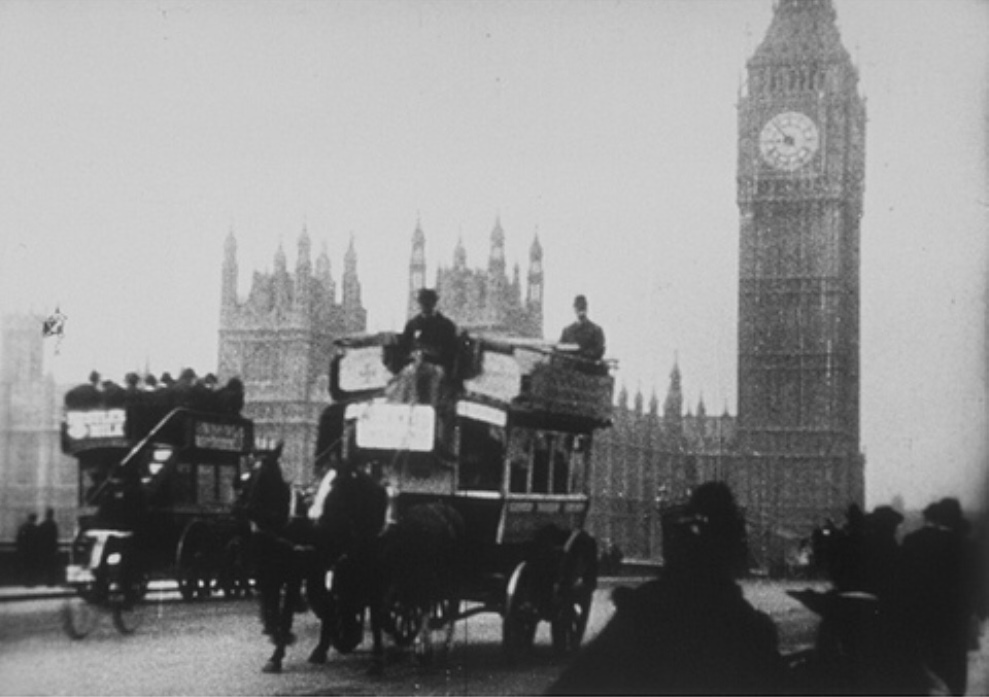
British cinema has played a pivotal role in the evolution of filmmaking. The Lumière brothers’ first public screening of films in 1896 marked the beginning of cinema, and soon after, British filmmakers like Robert W. Paul and George Albert Smith made significant contributions to the early development of the medium.
Influential Directors
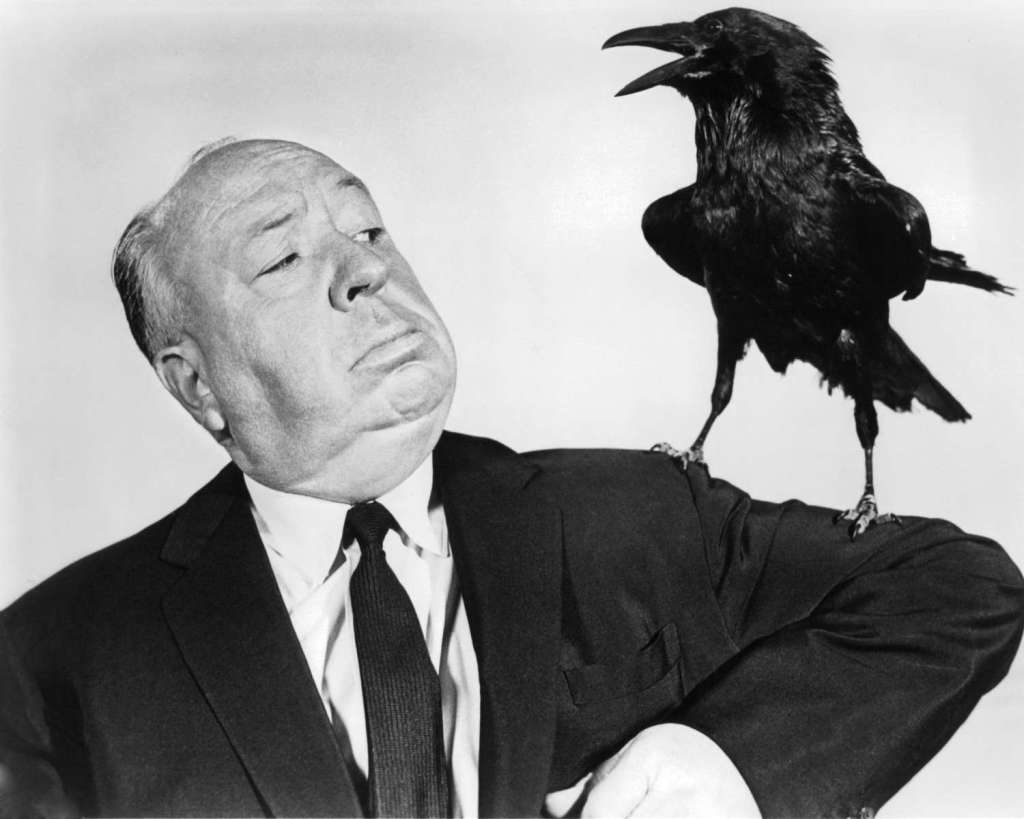
British cinema boasts a lineup of exceptional directors whose work has left an indelible mark on the global film industry. Sir Alfred Hitchcock, often hailed as the “Master of Suspense,” directed classics such as “Psycho” and “Vertigo.” Stanley Kubrick, though born in the U.S., spent much of his career in the UK and created masterpieces like “A Clockwork Orange” and “2001: A Space Odyssey.”

Distinctive Genres and Styles
British cinema is known for its diverse range of genres and unique storytelling styles. From the gritty realism of films like “Trainspotting” to the whimsical charm of the James Bond series, British filmmakers have consistently showcased their ability to tell stories that resonate across different genres.
Period Dramas and Literary Adaptations
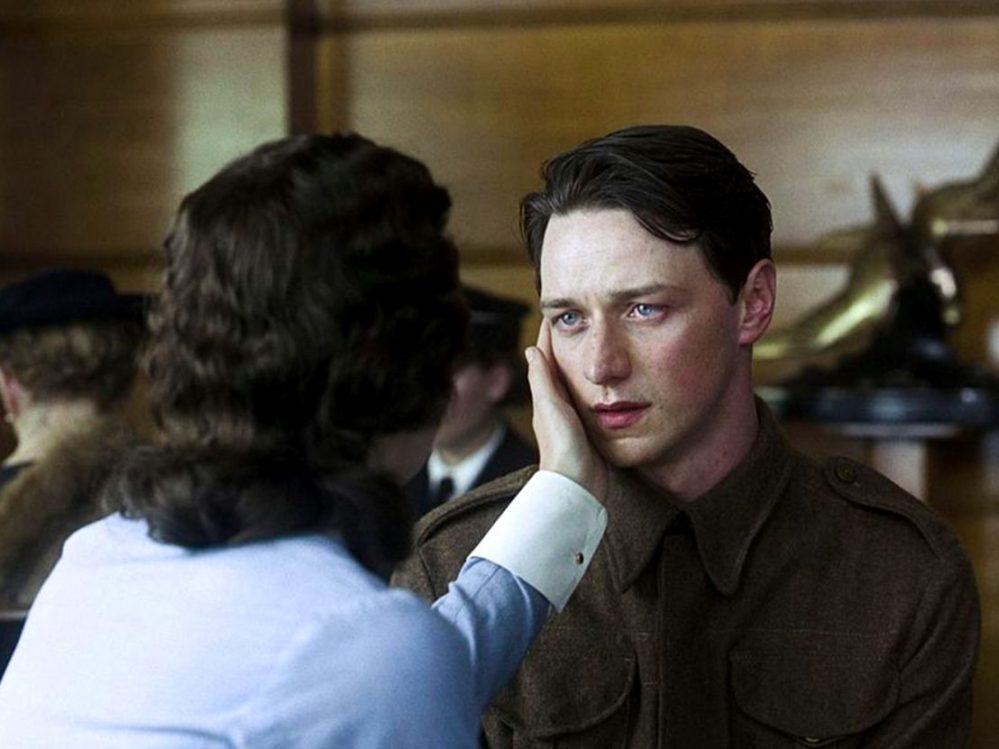
British cinema is renowned for its captivating period dramas and literary adaptations. Films like “Pride and Prejudice,” “Sense and Sensibility,” and “The King’s Speech” not only showcase the rich history and literature of the UK but also highlight the prowess of British actors in bringing these stories to life.

Epic Franchises
The James Bond film series is a shining example of British cinematic excellence. With its suave protagonists, gripping espionage plots, and international appeal, the Bond films have become a global cultural phenomenon. The franchise has consistently pushed the boundaries of action and storytelling.
Notable Actors
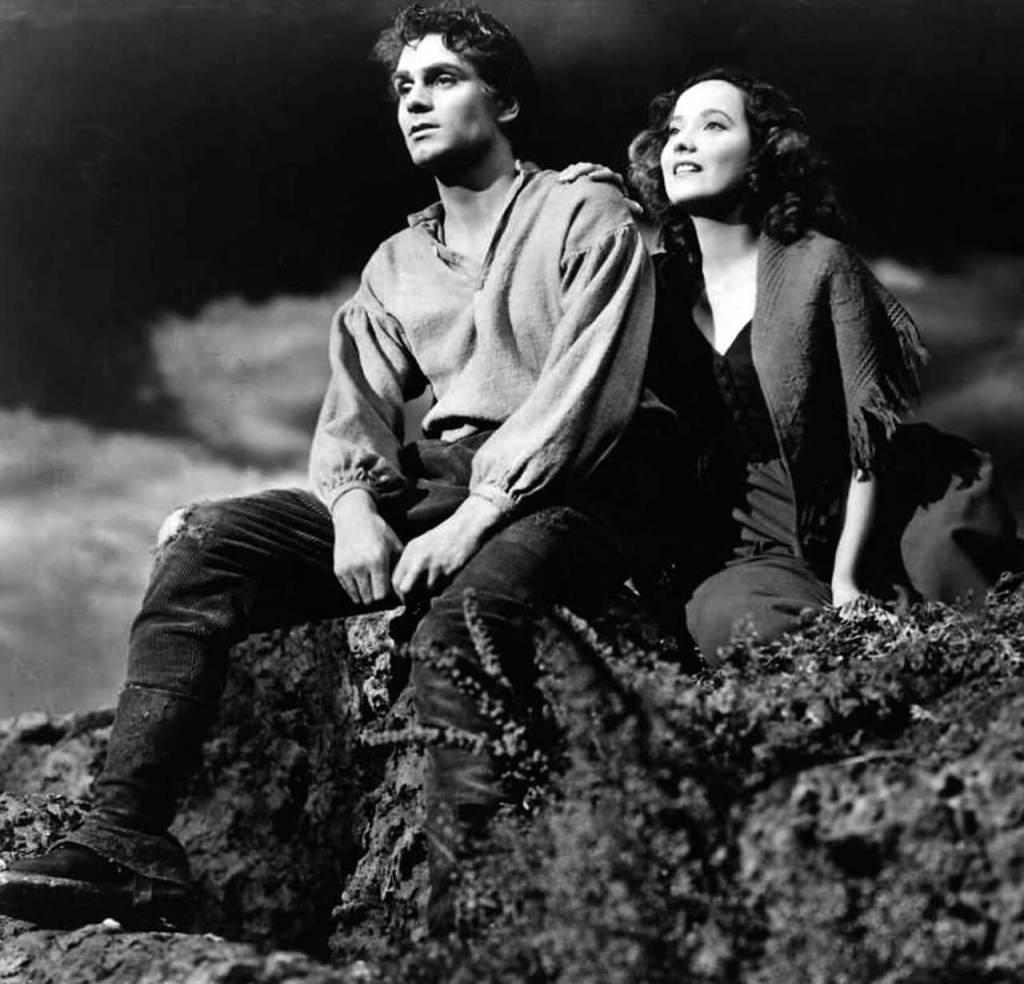
British cinema has produced a plethora of world-class actors. From the classic elegance of Laurence Olivier to the contemporary brilliance of Daniel Day-Lewis and the versatile talent of actresses like Judi Dench and Helen Mirren, British actors have earned acclaim and accolades on the global stage.

Innovations in Filmmaking
British filmmakers have often been at the forefront of cinematic innovation. The groundbreaking special effects in films like “2001: A Space Odyssey,” directed by Stanley Kubrick, revolutionized the science fiction genre. The British film industry continues to embrace new technologies and storytelling techniques.
Cultural Impact
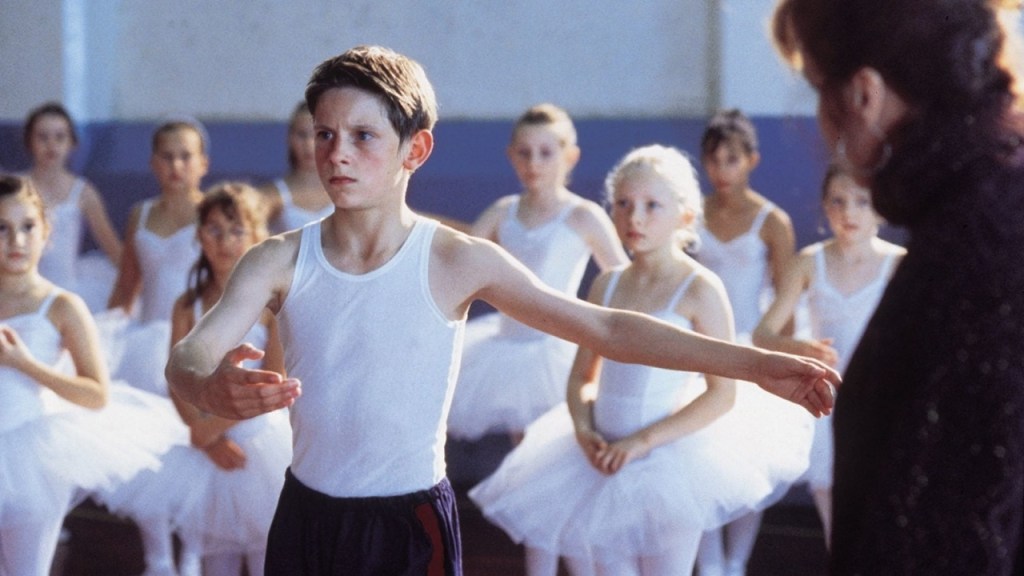
British cinema has not only entertained audiences but has also reflected and shaped cultural conversations. Films like “Billy Elliot” and “The Full Monty” explore social issues and class dynamics, while others like “Trainspotting” provide a raw and unfiltered portrayal of contemporary life.
In summary, the best of British cinema lies in its rich history, influential directors, diverse genres, and the ability to create films that resonate with audiences worldwide. The legacy of British cinema continues to thrive, with new voices and stories adding to its illustrious tapestry.









Something went wrong. Please refresh the page and/or try again.
 Roses Have Thoughts
Leave a comment