
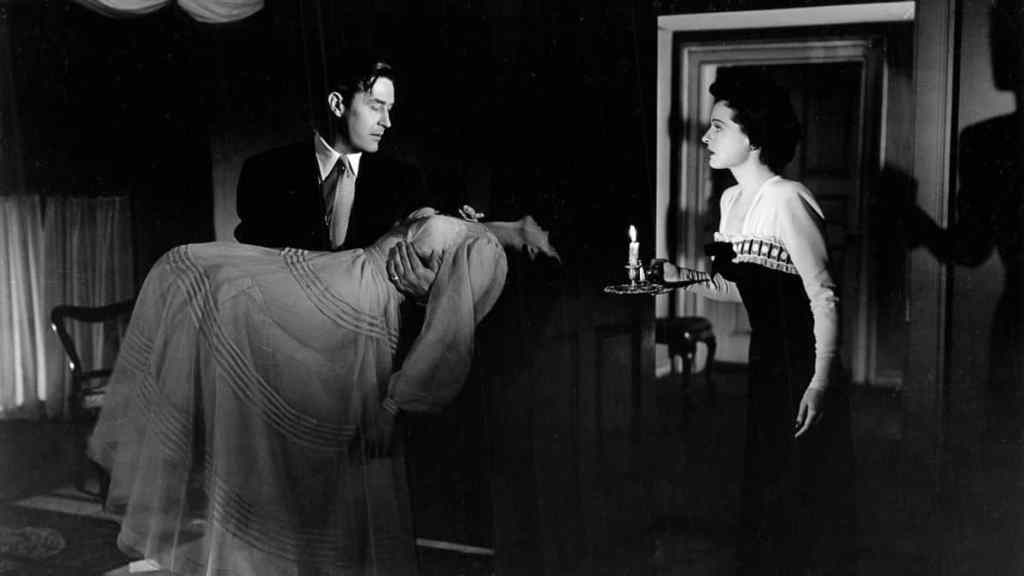
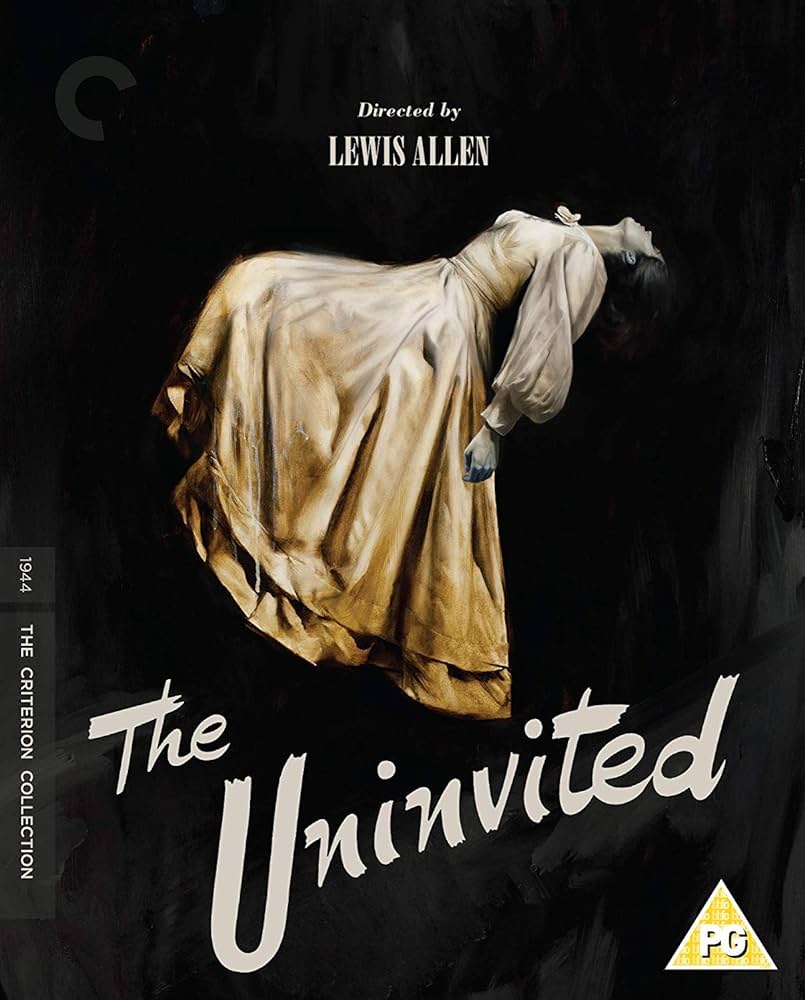
Synopsis – Roderick and his sister move into an old house abandoned for many years. Supernatural acts begin to occur and they discover the frightening past of the house.
Director – Lewis Allen
Starring – Ray Milland, Gail Russell, Ruth Hussey, Donald Crisp
Released – 1944
“The Uninvited” (1944) is a classic supernatural mystery that navigates the eerie realm between psychological thriller and haunted house horror. Directed by Lewis Allen, the film boasts atmospheric cinematography and a compelling narrative, but its execution falls short in some aspects.
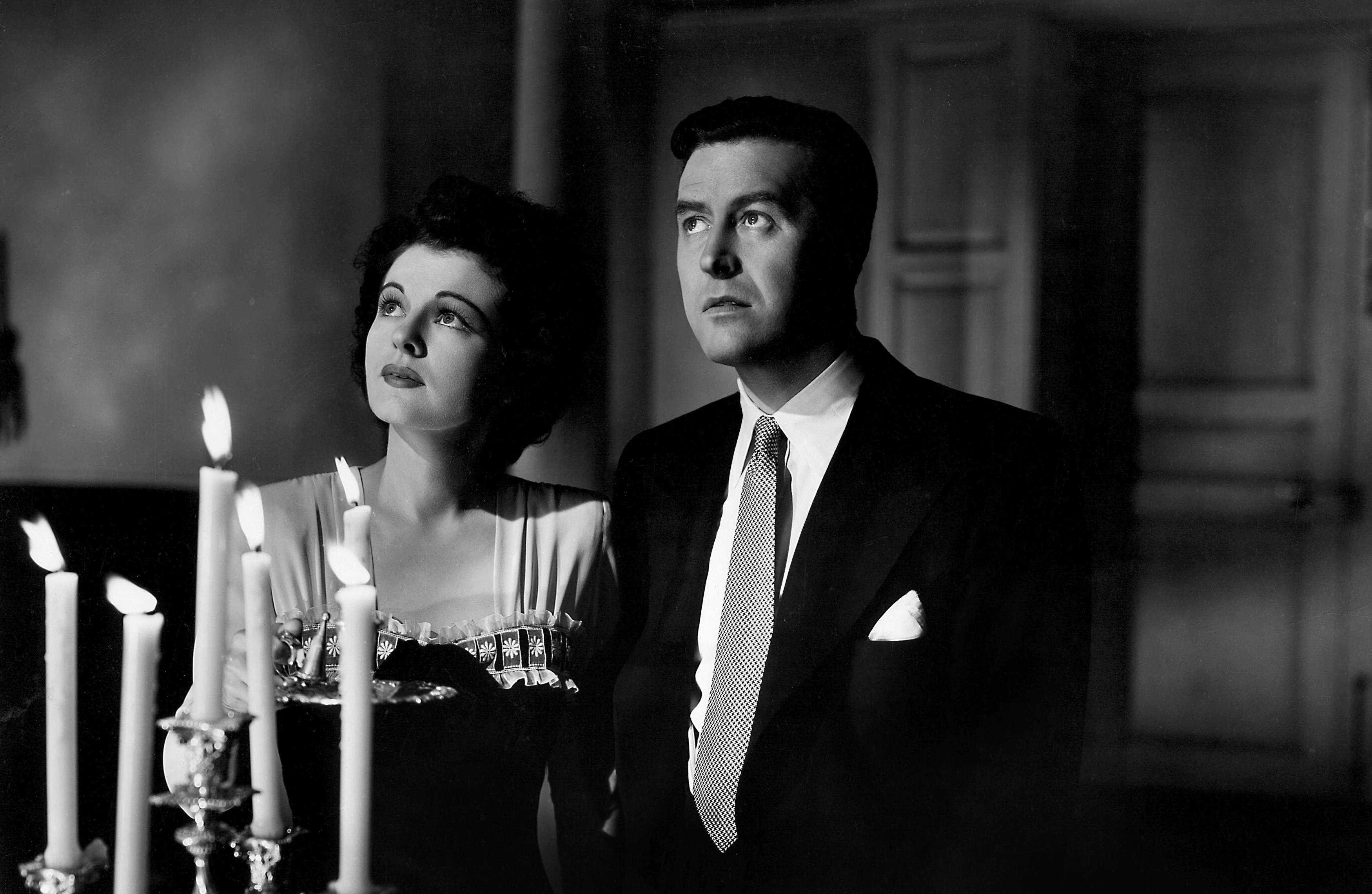
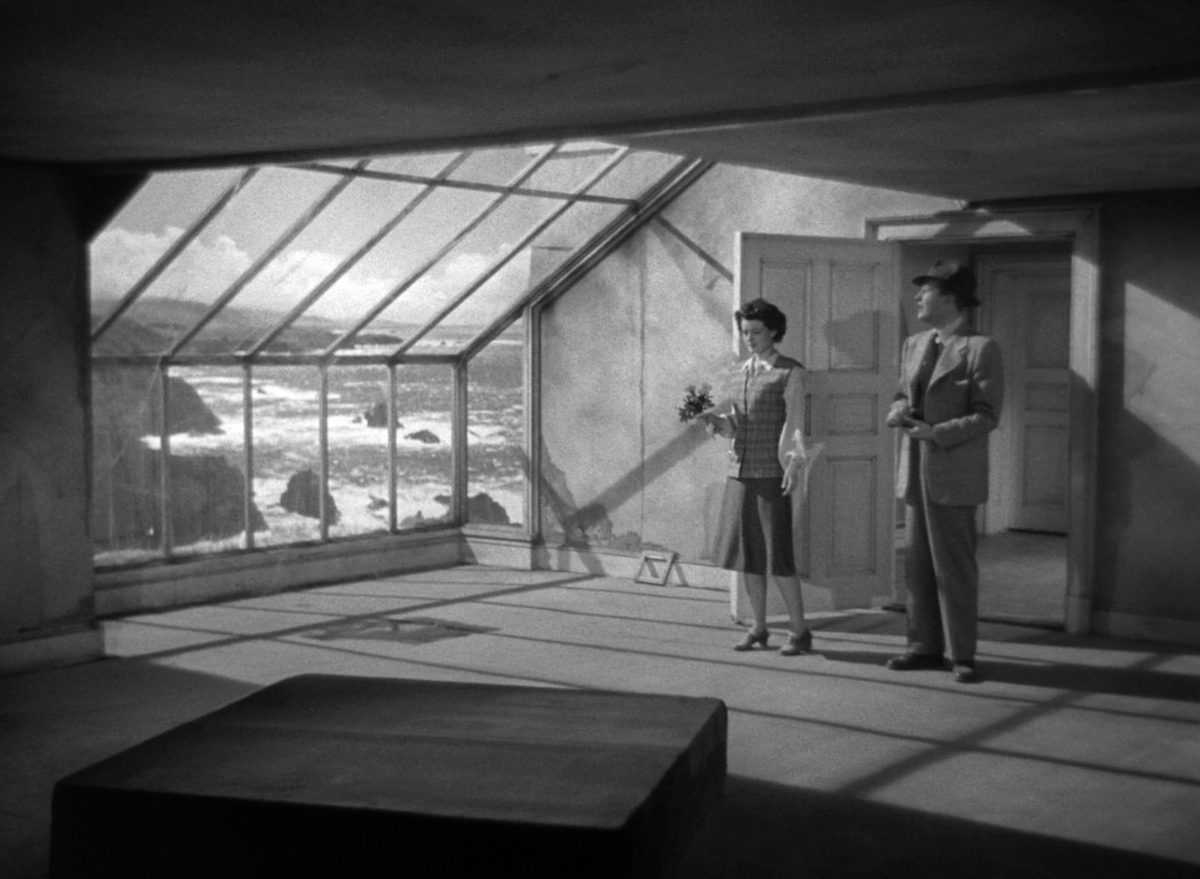
One of the film’s strengths lies in its atmospheric setting. The sprawling seaside estate is an excellent backdrop for the unfolding mystery, creating a sense of isolation and unease. The cinematography, especially in capturing the haunting beauty of the cliffs and the churning sea, adds a layer of visual sophistication that enhances the overall viewing experience. The filmmakers effectively use shadows and lighting to create a haunting ambience, reminiscent of Gothic horror traditions.
The narrative, based on Dorothy Macardle’s novel, weaves a complex web of family secrets and supernatural elements. The exploration of the psychological toll on the characters as they grapple with the unexplained happenings in their new home is intriguing. The film successfully builds tension through subtle cues and mysterious occurrences, keeping the audience engaged in solving the supernatural puzzle.
However, where “The Uninvited” stumbles is in its pacing and character development. The narrative occasionally drags, and some scenes feel unnecessarily prolonged, diluting the suspense that the film meticulously builds. Additionally, character motivations and relationships could have been more deeply explored, providing a stronger emotional anchor for the audience. While pivotal to the story, the central romance lacks the depth needed to fully invest viewers in the characters’ fates.
The performances in “The Uninvited” are a mixed bag. Ray Milland delivers a convincing portrayal, injecting depth into his character, but some supporting performances feel wooden and fail to convey the necessary emotional range. This unevenness in acting contributes to the film’s occasional lack of cohesion.
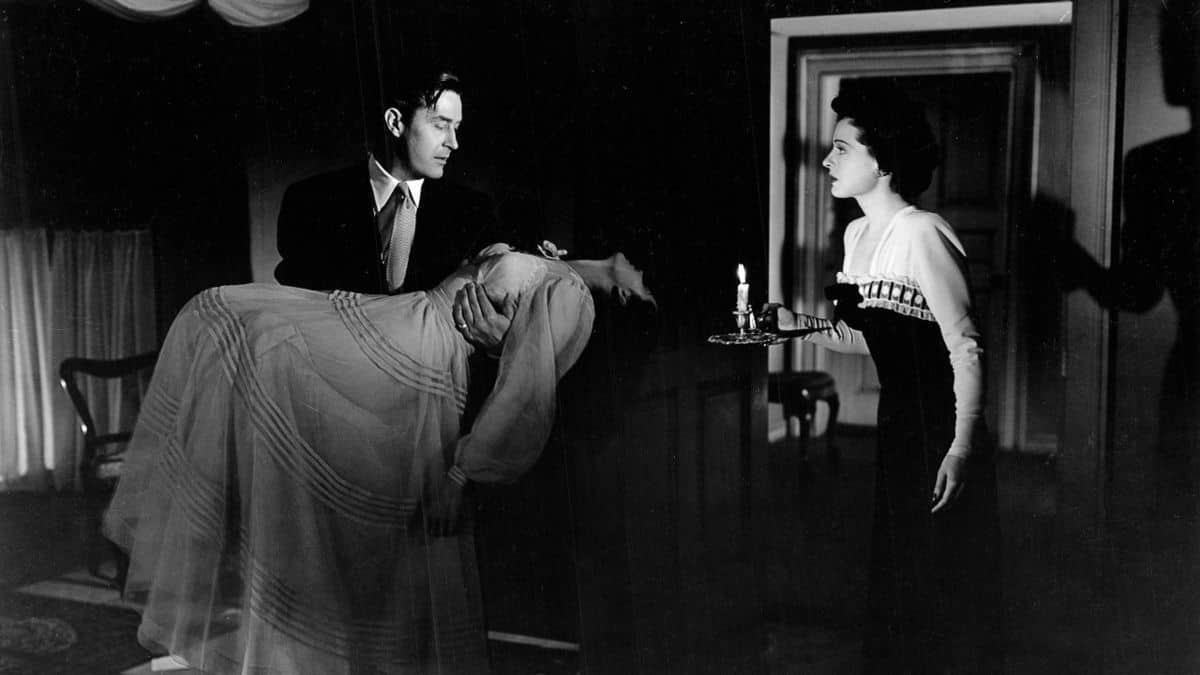
The special effects, while understandably limited by the technological constraints of the time, may not hold up well for modern audiences. Some of the supernatural elements come across as dated, diminishing their impact compared to more contemporary horror offerings.
In conclusion, “The Uninvited” is a noteworthy entry in the realm of classic horror, with its atmospheric setting and psychological intrigue. While it falls short in pacing, character development, and dated special effects, it remains a respectable example of 1940s supernatural cinema, offering a glimpse into the genre’s evolution.
 Roses Have Thoughts
Leave a comment