

Black Cinema is a vibrant and diverse category within the larger film landscape, encapsulating a wide range of stories and experiences that highlight the richness of the African diaspora. Over the years, Black Cinema has evolved from its early days marked by stereotypes and limited representation to become a powerful force that celebrates the complexities of black life, culture, and history.
One of the significant contributions of Black Cinema is its ability to challenge stereotypes and present nuanced portrayals of black characters. Historically, mainstream media often perpetuated one-dimensional and harmful stereotypes about black individuals, but Black Cinema has played a crucial role in subverting these tropes. Filmmakers have been able to showcase the diversity of black experiences, depicting characters with depth, complexity, and authenticity.

Moreover, Black Cinema serves as a platform for exploring important social and political issues. Many films within this genre tackle issues such as racial injustice, discrimination, economic disparities, and the ongoing struggle for civil rights. These films provide a lens through which audiences can engage with and understand the challenges faced by black communities, fostering empathy and sparking important conversations about social change.
The rise of influential black filmmakers has been instrumental in shaping the landscape of Black Cinema. Visionaries like Spike Lee, Ava DuVernay, Barry Jenkins, and Jordan Peele have not only brought their unique perspectives to the screen but have also paved the way for a new generation of filmmakers. Their impact extends beyond the screen, influencing discussions about diversity and representation in the film industry and inspiring aspiring filmmakers from underrepresented backgrounds.
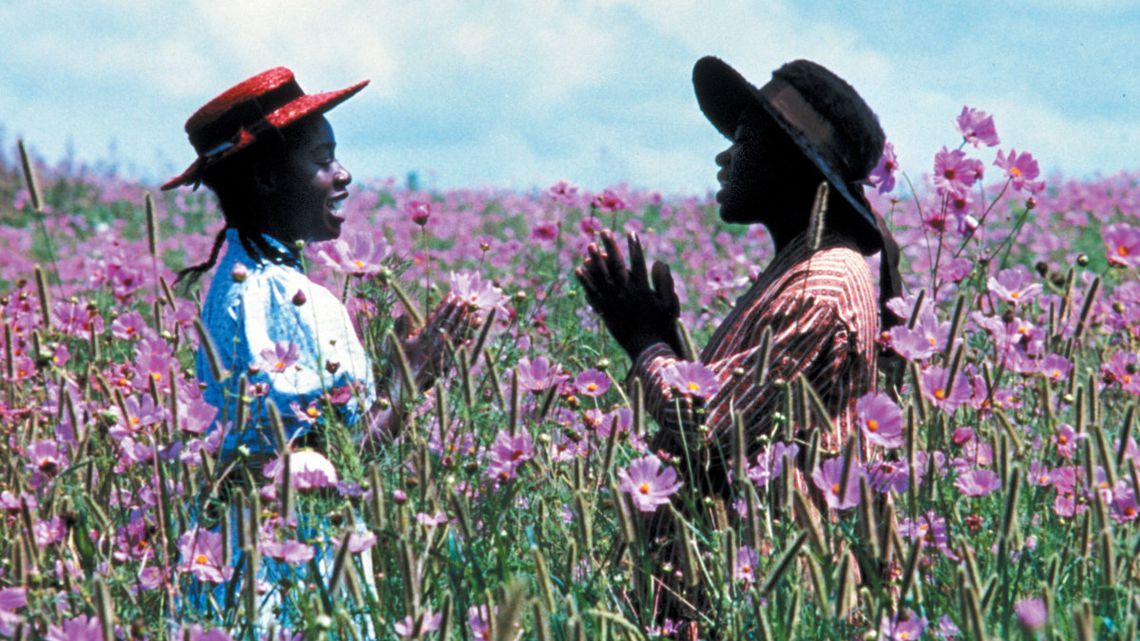
Black Cinema has also made significant strides in international recognition, with films like “Moonlight” and “12 Years a Slave” winning prestigious awards, including the Academy Award for Best Picture. This recognition not only validates the artistic merit of these films but also signals a shift in the industry towards acknowledging and celebrating diverse narratives.
However, challenges persist in the realm of Black Cinema, including issues of funding, distribution, and the need for continued representation both in front of and behind the camera. Despite these challenges, Black Cinema remains a dynamic and essential component of the film industry, continuously pushing boundaries and reshaping narratives.
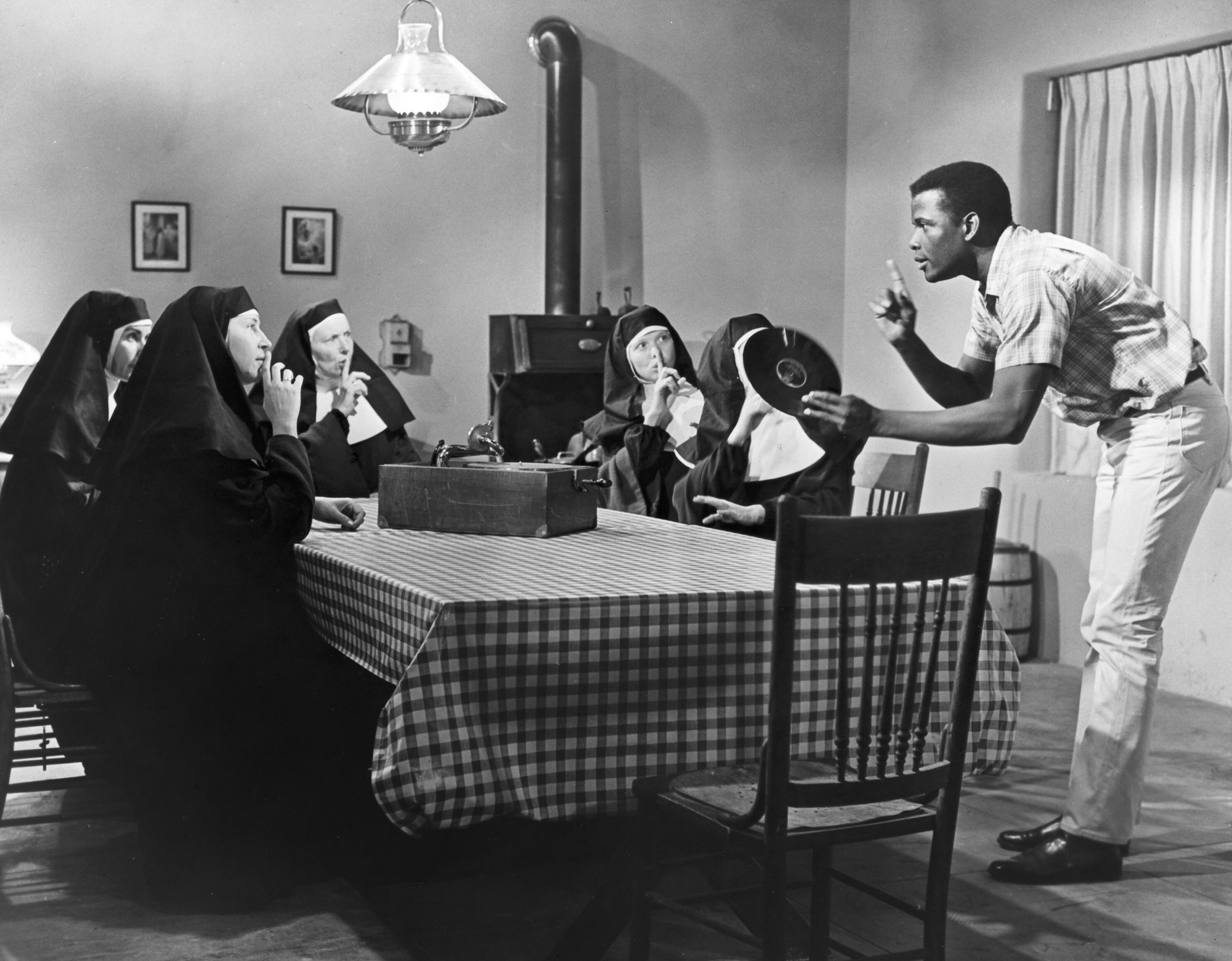
In conclusion, Black Cinema is a multifaceted and vital genre that has evolved to reflect the diversity and complexity of black experiences. Through its ability to challenge stereotypes, address social issues, and showcase the talents of black filmmakers, Black Cinema contributes significantly to the cultural tapestry of cinema. As the industry continues to evolve, it is essential to amplify and support the voices within Black Cinema, ensuring that a broad spectrum of stories continues to be told and celebrated.







Something went wrong. Please refresh the page and/or try again.
 Roses Have Thoughts
Leave a comment