
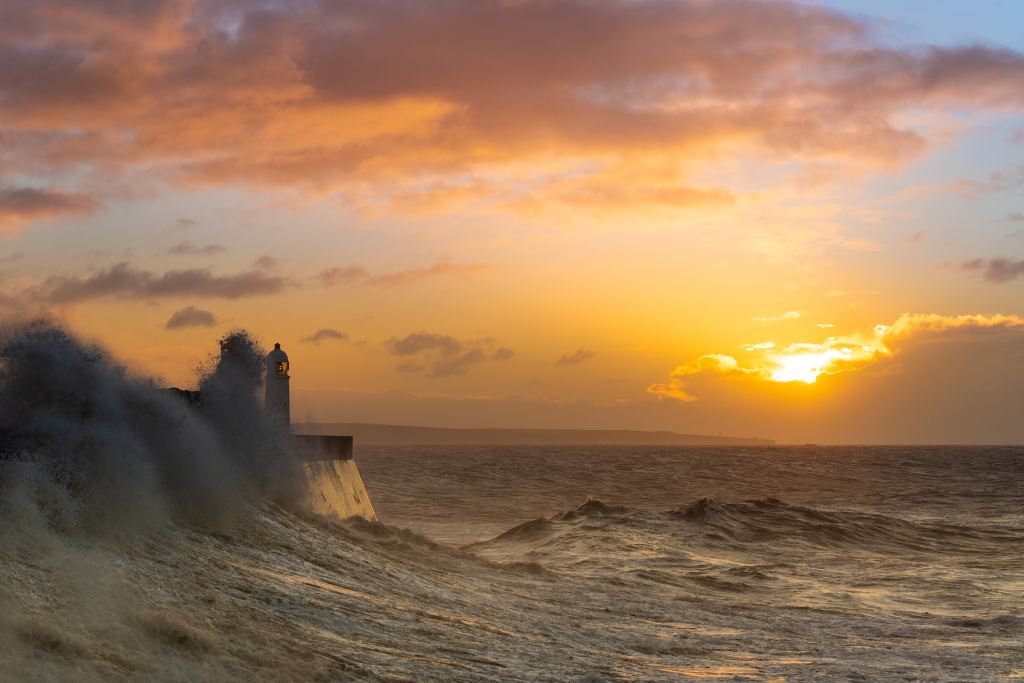
Wales, with its rugged landscapes, rich history, and distinctive culture, has provided a captivating backdrop for numerous films over the years. From epic adventures to intimate dramas, Welsh scenery has played a crucial role in shaping the visual narrative of many cinematic works. The diverse topography, encompassing rolling hills, picturesque valleys, and dramatic coastlines, has made Wales a versatile and visually stunning location for filmmakers.
The cinema of Wales is a vibrant and unique component of the broader landscape of British and global film. Wales, with its rich cultural heritage, stunning landscapes, and distinct identity, has contributed significantly to the world of cinema. While not as widely recognized as Hollywood or even the British film industry, Welsh cinema has carved out its own niche, telling stories that reflect the unique experiences and perspectives of the Welsh people.
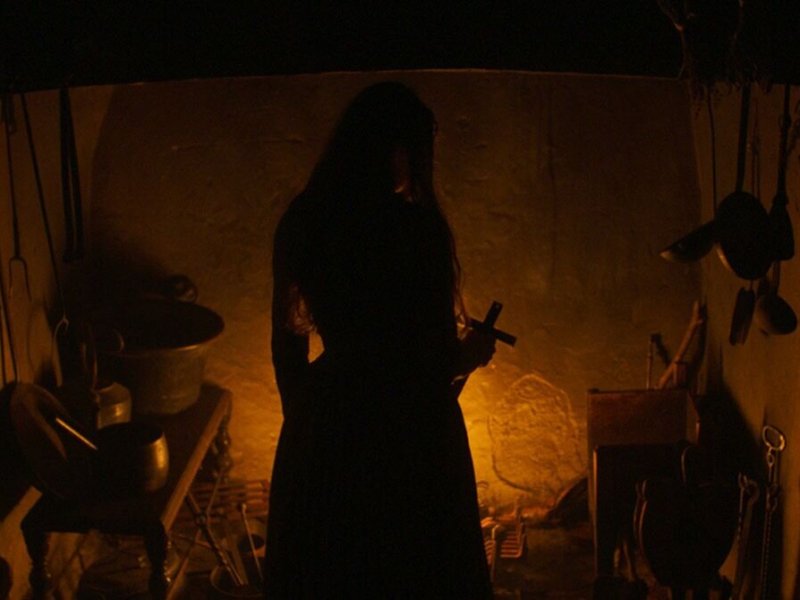
Gothic Beauty and Slow-Burning Tension in Gwen (2018): A Dark, Uneven Journey
Though flawed, offers a hauntingly beautiful experience.
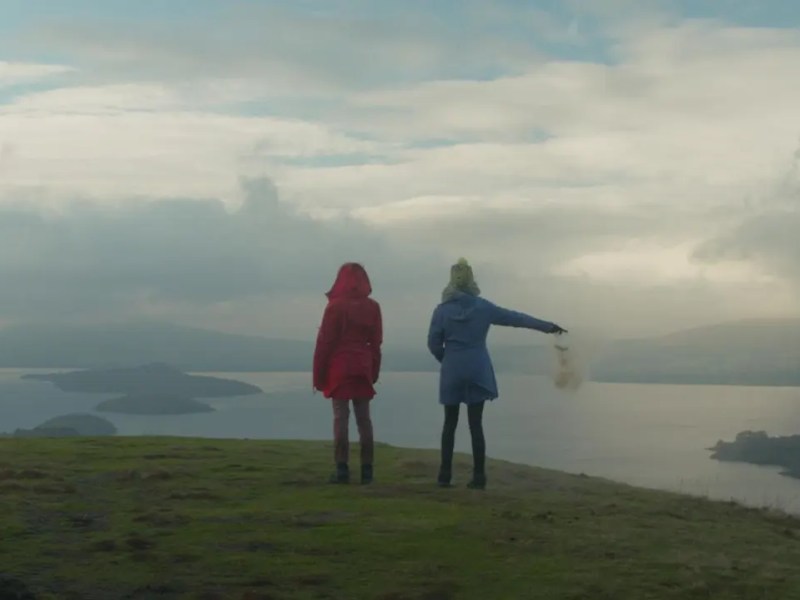
Burn Burn Burn (2015)
A Fiery Triumph in the Realm of Dark Comedy
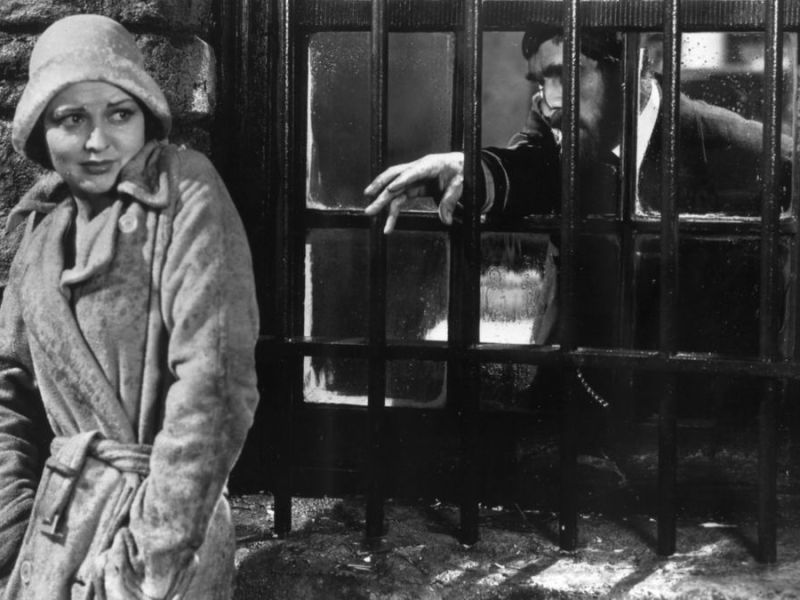
The Old Dark House (1932)
From a Novel by JB Priestly
One of the defining characteristics of Welsh cinema is its commitment to showcasing the country’s language and culture. The Welsh language, with its poetic and melodic qualities, is a central element in many Welsh films. Filmmakers often use the Welsh language to convey the nuances and subtleties of Welsh identity, offering a cinematic experience that goes beyond mere storytelling. This commitment to language has played a crucial role in preserving and promoting the Welsh cultural heritage.
One notable example of a film that celebrates the Welsh language is “Hedd Wyn” (1992), directed by Paul Turner. The film tells the tragic story of Ellis Evans, a Welsh poet who wrote under the pseudonym Hedd Wyn and lost his life during World War I. The film is a poignant exploration of Welsh identity, language, and the impact of war on a small, close-knit community. “Hedd Wyn” was even nominated for the Best Foreign Language Film at the Academy Awards, bringing international attention to Welsh cinema.
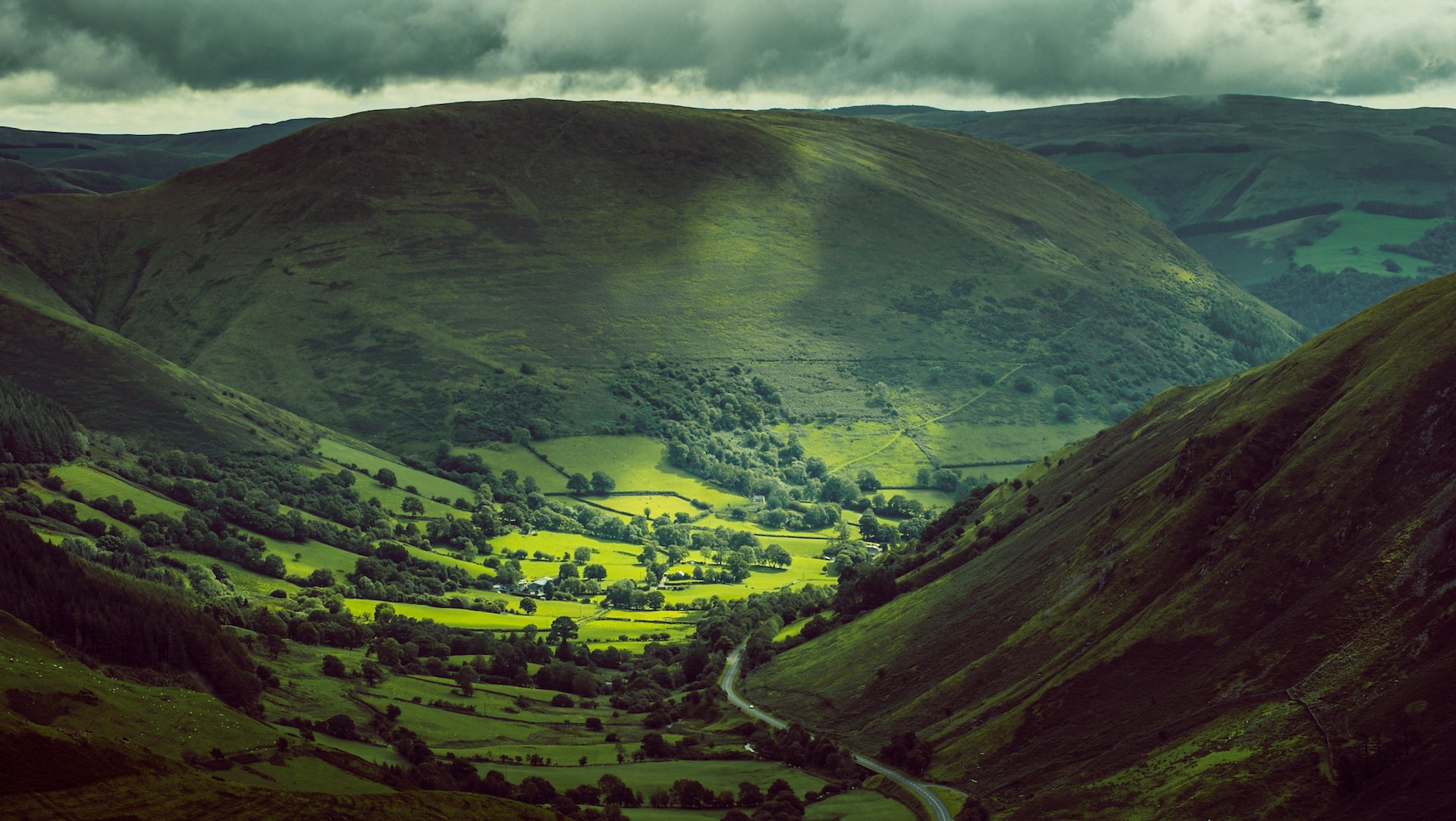
One of the most iconic films set in Wales is “How Green Was My Valley” (1941), directed by John Ford. Adapted from the novel by Richard Llewellyn, the film explores the lives of a Welsh mining family in the late 19th century. Shot in the picturesque village of Llanwddyn in Powys, the film beautifully captures the charm of Welsh landscapes and the resilience of its people. Despite not being filmed on location, the movie successfully conveys the spirit of Wales, earning it five Academy Awards, including Best Picture and Best Director.
Wales’ historical landmarks and medieval architecture have also been featured prominently in films. Caerphilly Castle, one of the largest castles in the United Kingdom, served as a backdrop for “Dragonheart” (1996), a fantasy film starring Dennis Quaid and Sean Connery. The imposing structure and its moat provided a medieval ambience that enhanced the film’s mythical setting. Additionally, Raglan Castle in Monmouthshire made a memorable appearance in Terry Gilliam’s “The Adventures of Baron Munchausen” (1988), contributing to the film’s fantastical atmosphere.

Wales’ mystical and enchanting qualities are showcased in the film “The Secret of Moonacre” (2008), directed by Gabor Csupo. Filmed in the enchanting landscapes of Snowdonia National Park, the movie transports viewers to a magical world of ancient forests and mystical creatures. The lush greenery and mystical ambience of the Welsh countryside play a pivotal role in bringing the fantasy elements of the story to life.
In recent years, Welsh cinema has gained international recognition, with films like “Pride” (2014) directed by Matthew Warchus, which tells the true story of a group of lesbian and gay activists who supported striking miners in the 1980s. The film explores the unlikely alliance between two seemingly disparate communities and was widely praised for its heartwarming narrative and strong performances. The scenic Welsh landscapes, including the mining communities, add authenticity to the film, grounding it in the reality of the time and place.

Moreover, Welsh cinema has not shied away from exploring complex social and political issues. Films such as “The Englishman Who Went Up a Hill But Came Down a Mountain” (1995), directed by Christopher Monger, use humour and charm to address historical disputes and cultural clashes. By incorporating these themes, Welsh filmmakers contribute to a broader dialogue about identity, history, and the challenges faced by small, culturally rich communities.
Despite its relatively modest size and resources, Wales has produced several talented filmmakers who have gained recognition on the international stage. Directors like Gareth Evans, known for his work on action films like “The Raid: Redemption” (2011), have showcased Wales’ ability to compete in the global film industry. While these directors may not always produce films directly related to Welsh culture, their success highlights the diversity and depth of talent within the Welsh filmmaking community.

Moreover, the independent film scene in Wales has produced noteworthy works such as “Hunky Dory” (2011), directed by Marc Evans. Set in the 1970s in Swansea, the film follows a drama teacher played by Minnie Driver as she directs a rock musical version of Shakespeare’s “The Tempest” with a group of high school students. The film not only captures the spirit of the times but also showcases the resilience and creativity of the Welsh people.
In conclusion, Wales has been a compelling canvas for filmmakers, offering a diverse range of landscapes that enhance the narratives of both historical and contemporary films. The country’s rich history, mythical allure, and distinct cultural identity continue to inspire filmmakers to explore and capture the essence of Wales on screen, contributing to the vibrant tapestry of cinematic storytelling. Whether it’s the enchanting landscapes of Snowdonia, the historical grandeur of its castles, or the urban charm of Cardiff, Wales remains a captivating and versatile backdrop for the magic of cinema.
 Roses Have Thoughts
Leave a comment