Slasher films have a rich and intriguing history that spans several decades, evolving from their humble beginnings to becoming a significant subgenre within horror cinema. The roots of slasher films can be traced back to the early 20th century, but it was in the 1970s and 1980s that they truly gained prominence.
The origins of slasher films can be found in classic horror literature, particularly in the works of authors like Agatha Christie and Edgar Wallace. However, it was Alfred Hitchcock’s “Psycho” in 1960 that laid the groundwork for the slasher genre. The film, with its shocking shower scene and the mysterious character of Norman Bates, left an indelible mark on the horror genre and influenced a generation of filmmakers.
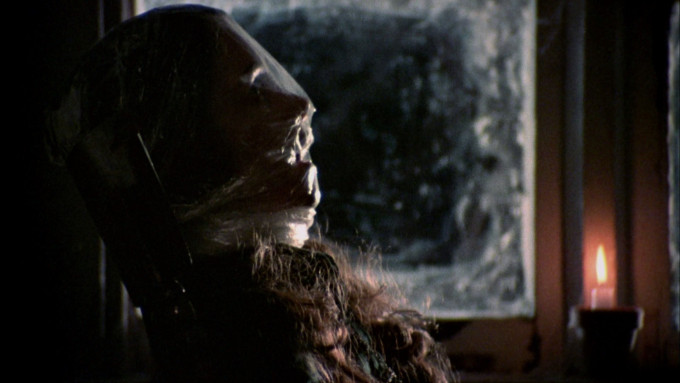
The 1970s saw the emergence of a new wave of horror cinema, and slasher films started to take shape. Films like “Black Christmas” (1974) and “The Texas Chain Saw Massacre” (1974) are considered early examples of the genre. These films introduced elements that would become staples of slasher films, such as the masked killer, the isolated setting, and the use of violence as a central theme.
However, it was John Carpenter’s “Halloween” in 1978 that truly defined the slasher genre and set the template for many films to come. Carpenter’s creation of the relentless and seemingly unstoppable killer, Michael Myers, coupled with the tension-building techniques, made “Halloween” a massive success and a cultural phenomenon. The success of “Halloween” opened the floodgates for a slew of slasher films throughout the 1980s.

The 1980s is often referred to as the golden era of slasher films. Iconic franchises such as “Friday the 13th,” “A Nightmare on Elm Street,” and “Child’s Play” dominated the box office and popular culture. These films introduced audiences to memorable villains like Jason Voorhees, Freddy Krueger, and Chucky, who became horror icons in their own right.
The formula for slasher films became standardized during this era: a group of young people, often with questionable morals, find themselves in an isolated location where they are stalked and brutally killed by a masked or disfigured assailant. The killings were often creative and became a major selling point for these films, attracting audiences seeking both thrills and gore.

As the 1980s progressed, slasher films became increasingly self-aware and embraced elements of comedy and parody. Wes Craven’s “Scream” (1996) is a notable example of a film that not only paid homage to the genre but also deconstructed its conventions. “Scream” revitalized interest in slasher films and introduced a new generation to the genre.
In the 21st century, slasher films have continued to evolve. While traditional slasher tropes persist, filmmakers have experimented with subverting expectations and incorporating elements of psychological horror and social commentary. Films like “The Cabin in the Woods” (2012) and “US” (2019) have brought new perspectives to the genre, challenging its conventions and exploring deeper themes.
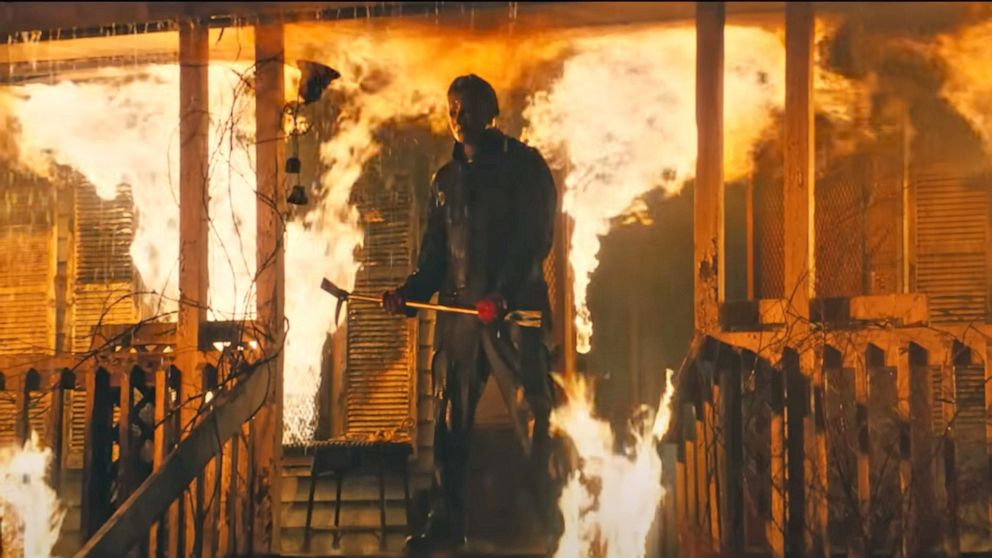
The rise of streaming platforms has also provided a platform for indie filmmakers to explore and redefine the slasher genre. Films like “You’re Next” (2011) and “The Guest” (2014) showcase a fresh take on the formula, blending traditional elements with modern storytelling techniques.
In conclusion, the history of slasher films is a fascinating journey through the evolution of horror cinema. From its roots in classic literature to the groundbreaking success of “Halloween” and the golden era of the 1980s, slasher films have remained a significant and enduring subgenre. As the genre continues to adapt and change, one thing remains constant—the thrill of the chase, the suspense of the unknown, and the enduring appeal of the masked killer in the shadows.


Something went wrong. Please refresh the page and/or try again.


Leave a Reply