

In the colourful landscape of modern cinema, where high-definition visuals and cutting-edge special effects dominate the screen, there is a certain charm, elegance, and timelessness associated with black-and-white cinema. The era of black-and-white filmmaking, spanning from the late 19th century to the mid-20th century, holds a unique place in the history of cinema, not only for its historical significance but also for the artistic choices it necessitated.
Historical Roots: The Birth of Cinema
The origins of cinema can be traced back to the late 19th century when pioneers like the Lumière Brothers and Georges Méliès experimented with moving images. During this formative period, the absence of colour was not a conscious artistic choice but rather a limitation of the technology available at the time. However, this limitation inadvertently gave birth to what would become a defining characteristic of an entire era in filmmaking.

As cinema evolved, so did the technology behind it. The advent of synchronized sound and improved film stocks brought about a revolution in the filmmaking industry. However, even as colour films became technically feasible, filmmakers continued to choose black and white for both artistic and practical reasons.
Artistic Expression: The Power of Contrast
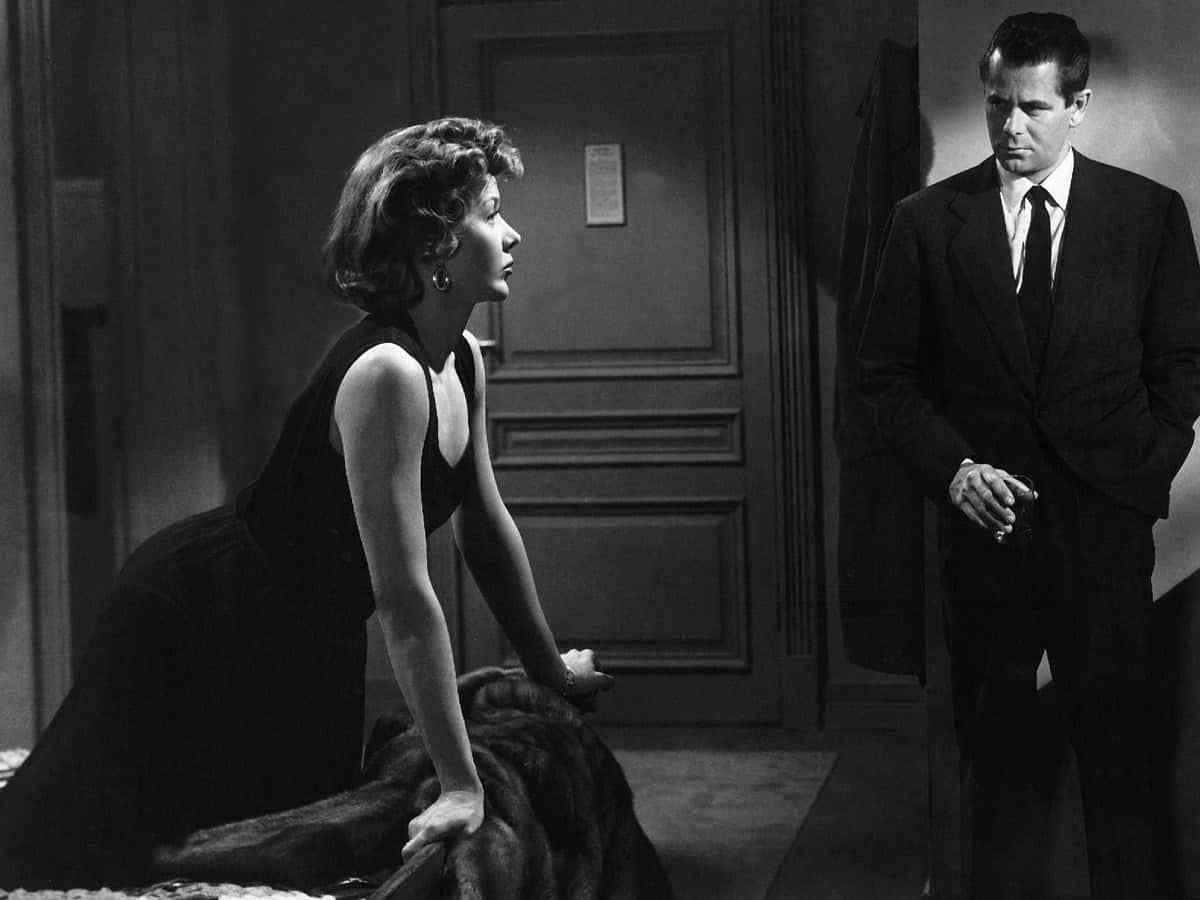
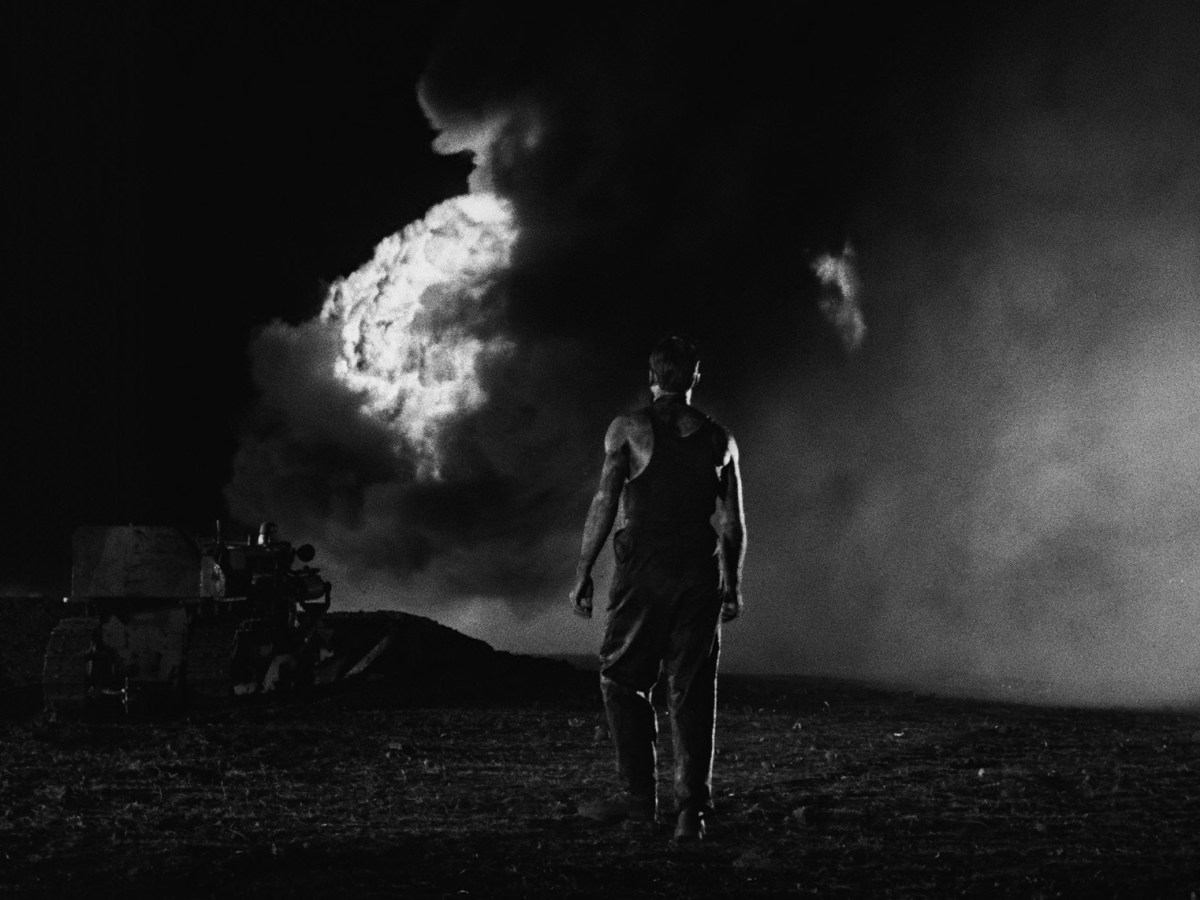
One of the most significant aspects of black-and-white cinema is its reliance on contrast. Without the distraction of colour, filmmakers had to focus on the interplay between light and shadow to create visually striking compositions. The stark contrast between black and white not only heightened the dramatic impact of a scene but also allowed for a more nuanced exploration of mood and emotion.

Filmmakers of the black-and-white era became masters of chiaroscuro, using the contrast between light and dark to convey a wide range of emotions. The works of directors like Fritz Lang in “Metropolis” and Orson Welles in “Citizen Kane” are celebrated for their innovative use of lighting techniques that would not have been as effective in a colour palette.
Emphasis on Storytelling and Performance
In the absence of colour distractions, black-and-white cinema placed a heightened emphasis on storytelling and performance. Filmmakers and actors had to rely on the strength of the narrative and the nuances of acting to engage the audience. Iconic performances from actors like Humphrey Bogart, Ingrid Bergman, and Charlie Chaplin have become synonymous with the golden age of black-and-white cinema.
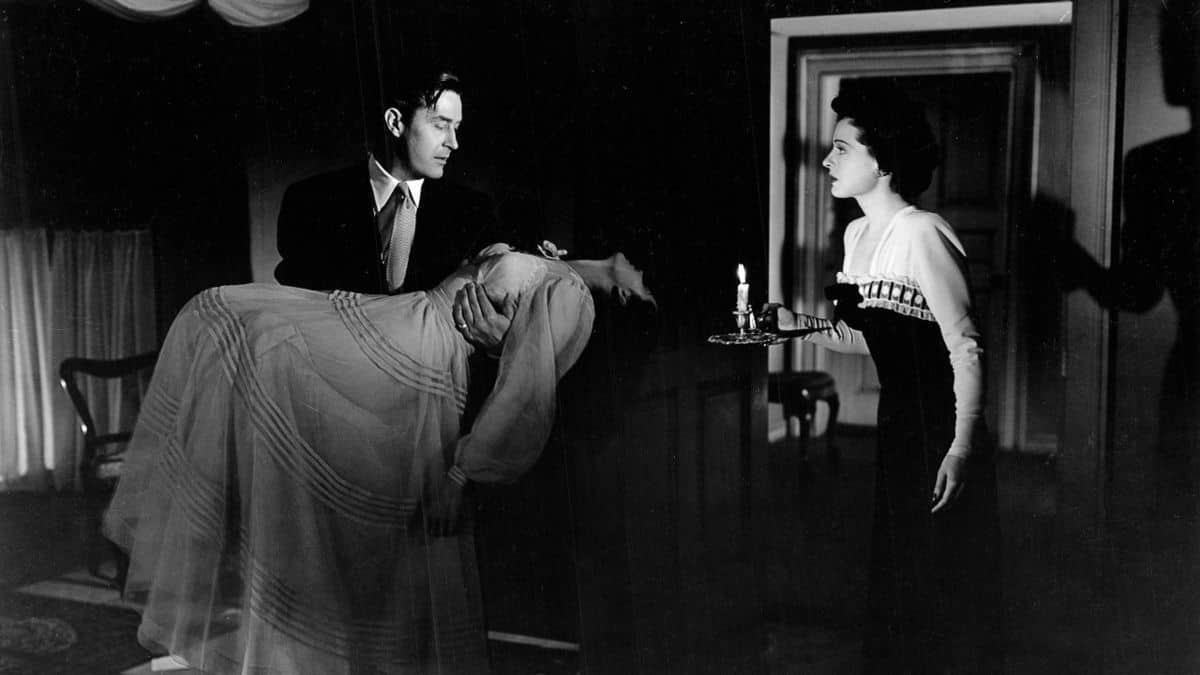
Moreover, the lack of colour allowed audiences to focus on the subtleties of facial expressions, body language, and the minutiae of a scene. Directors could experiment with visual storytelling, using shadows and lighting to convey emotions that might have been diluted in a colour-rich environment.
Cinematic Innovations and Techniques
Black and white cinema paved the way for several cinematic innovations and techniques that continue to influence filmmakers today. One such innovation is the use of silhouettes to create memorable and evocative images. The iconic image of the alien spacecraft in “The Day the Earth Stood Still” or the haunting silhouette of a figure in a doorway in “The Third Man” exemplify the power of black and white cinematography in crafting indelible visual moments.
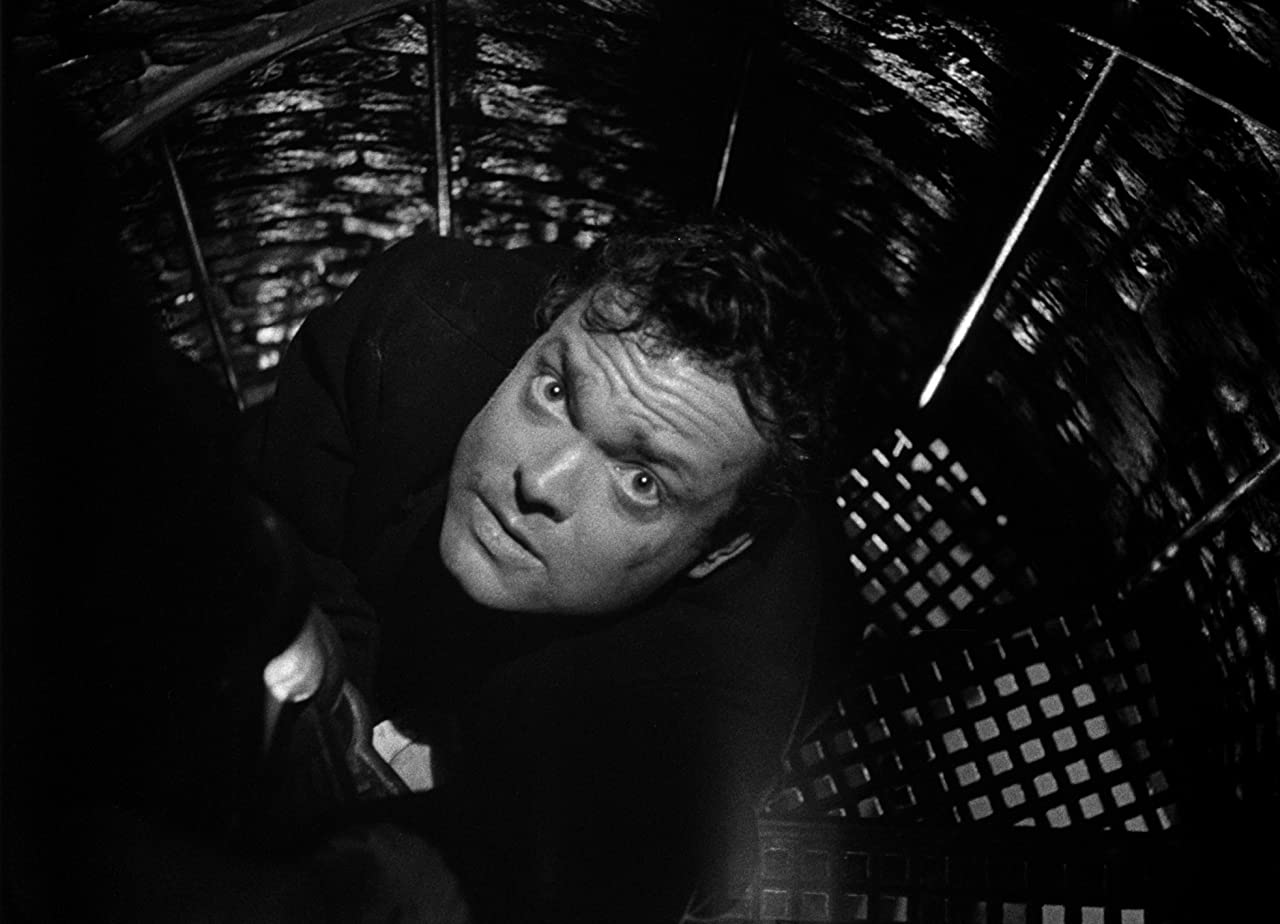
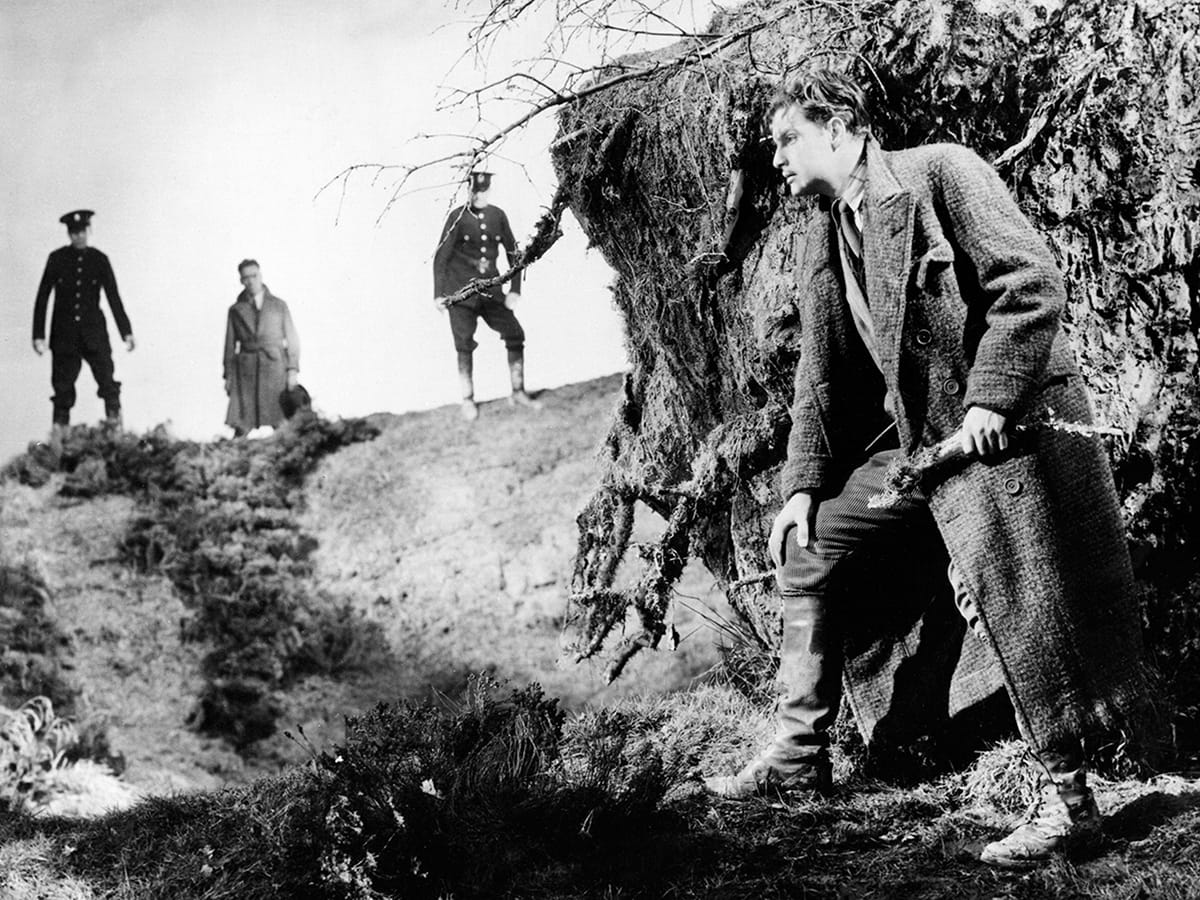
Additionally, the absence of colour allowed filmmakers to experiment with other visual elements, such as composition and framing, to convey meaning and emotion. Long takes, deep focus and innovative camera angles became tools in the hands of directors to tell stories in ways that were not always possible with the distraction of colour.
Legacy and Influence
While colour films eventually became the industry standard, black-and-white cinema never truly disappeared. Filmmakers continued to use black and white as a deliberate artistic choice, sometimes to evoke a sense of nostalgia, as seen in Woody Allen’s “Manhattan,” or to create a specific mood, as exemplified in Frank Darabont’s “The Mist.” The influence of black and white cinema can also be seen in contemporary films that pay homage to the classics, such as the critically acclaimed “The Artist,” which won the Academy Award for Best Picture in 2011.
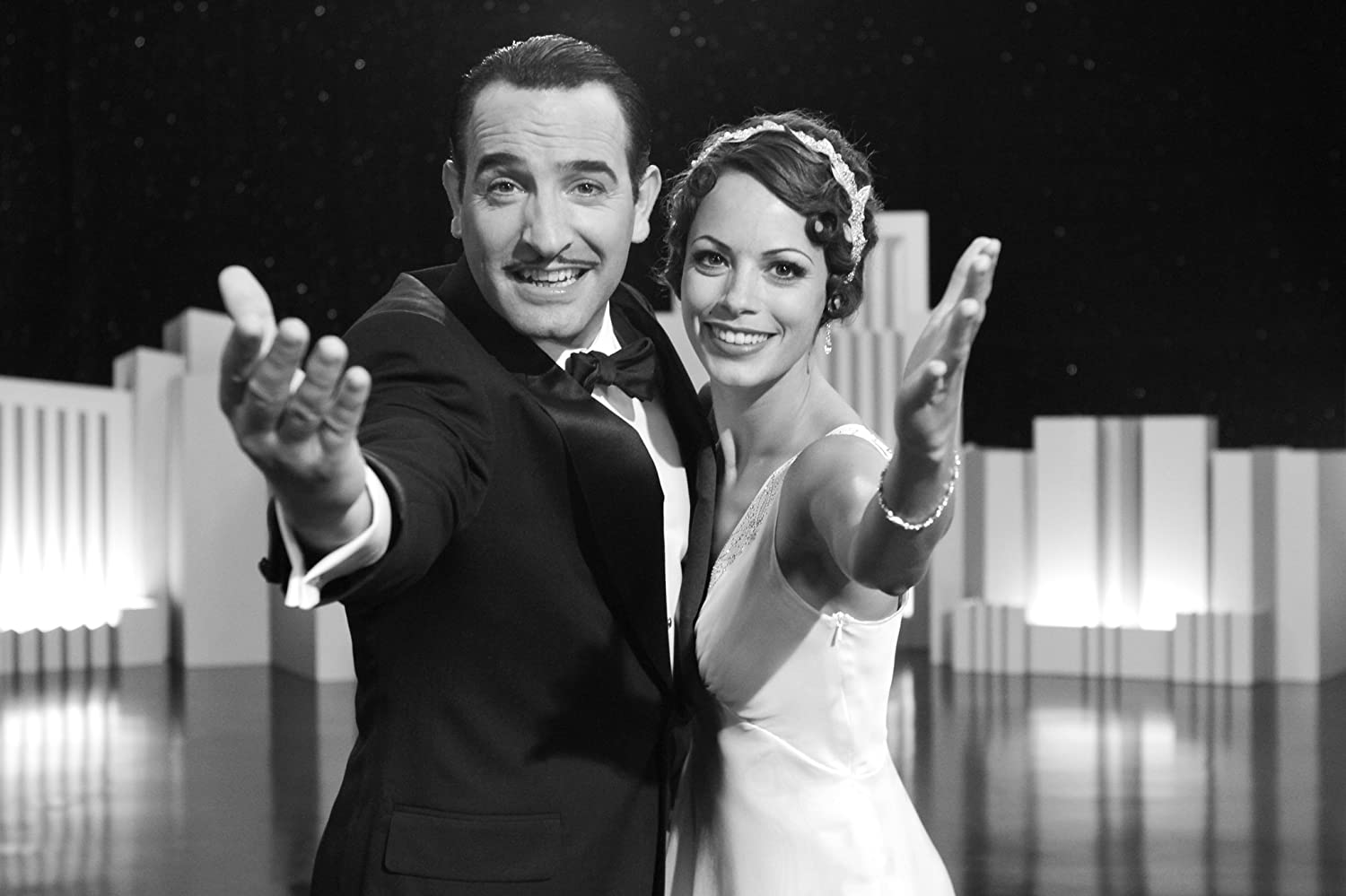
Moreover, the enduring appeal of classic black-and-white films is evident in the continued interest and appreciation of cinephiles worldwide. Film festivals and retrospectives often showcase the masterpieces of this era, introducing new generations to the magic of black-and-white storytelling.
Conclusion: A Timeless Aesthetic
In the tapestry of cinematic history, black-and-white cinema stands as a testament to the power of storytelling and visual expression. The deliberate choice to eschew colour, whether due to technological constraints or artistic preference, resulting in a period of filmmaking that continues to captivate audiences with its timeless aesthetic.
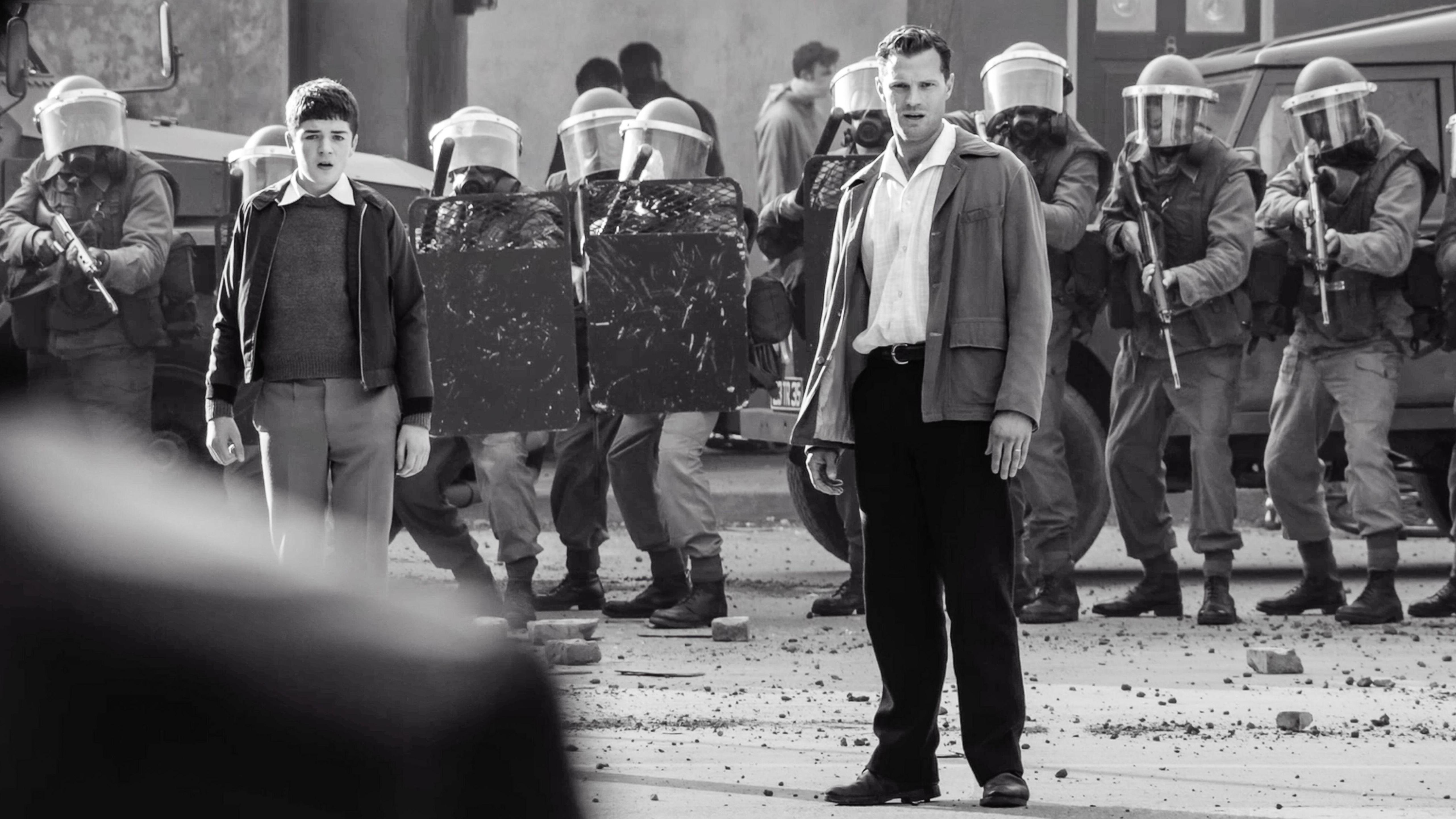
The legacy of black and white cinema is not confined to a bygone era but lives on in the choices made by contemporary filmmakers who recognize the enduring power of contrast, the emphasis on storytelling, and the cinematic innovations that emerged from this era. In an age of high-definition visuals and digital wizardry, black-and-white cinema remains a reminder that sometimes, the most powerful stories are told in shades of grey.




Something went wrong. Please refresh the page and/or try again.
 Roses Have Thoughts
Leave a comment