
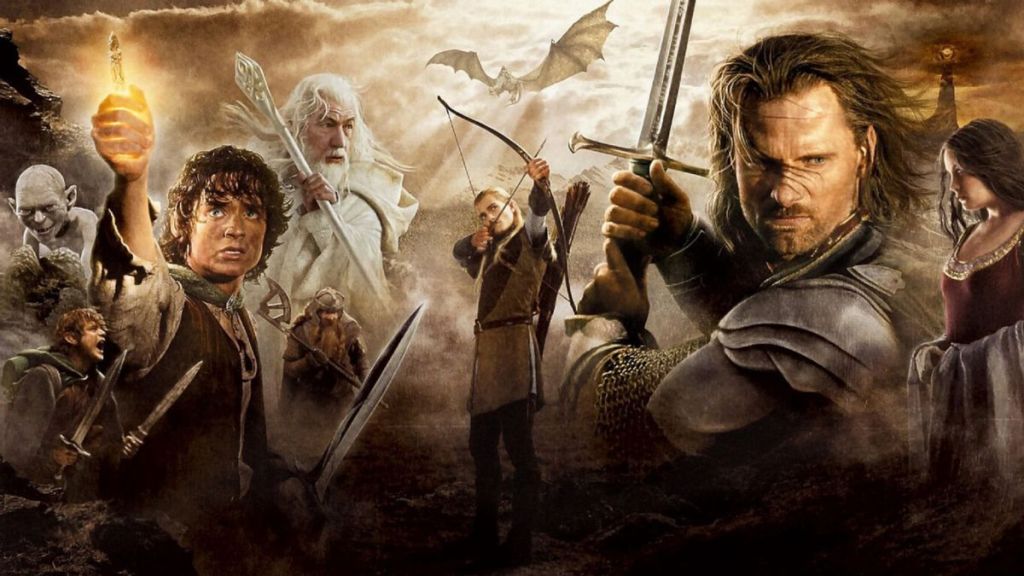
The Lord of the Rings trilogy, crafted by the literary genius J.R.R. Tolkien and masterfully brought to life on the big screen by director Peter Jackson, stands as an unparalleled epic in the realm of fantasy. With its intricate world-building, compelling characters, and a narrative that weaves together the threads of friendship, sacrifice, and the eternal struggle between good and evil, this cinematic masterpiece deserves every bit of acclaim it has garnered.
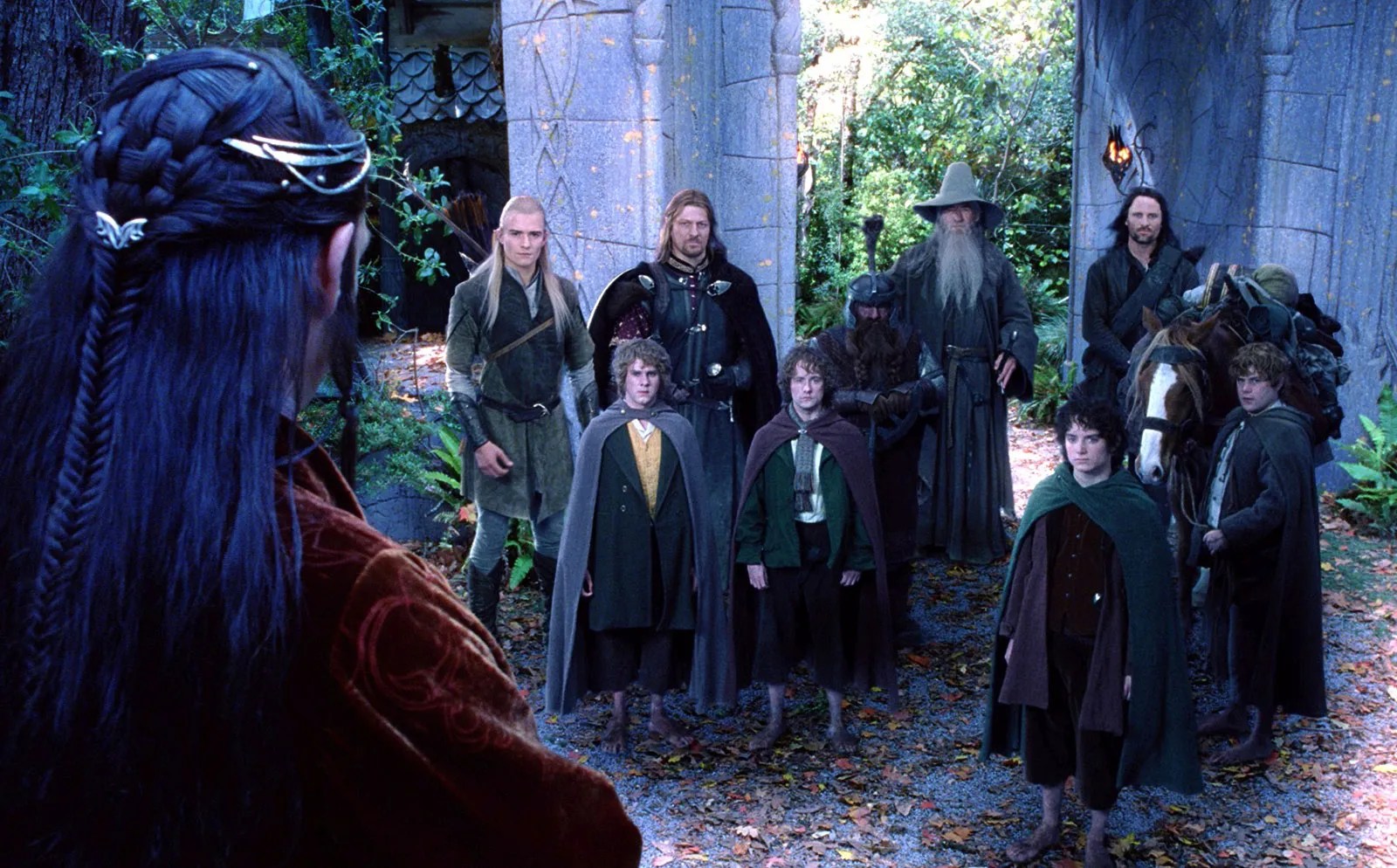
From the breathtaking landscapes of Middle-earth to the meticulously designed costumes and sets, the attention to detail in “The Lord of the Rings” is nothing short of awe-inspiring. The trilogy’s visual splendour, enhanced by groundbreaking special effects, pulls the audience into a fantastical universe where hobbits, elves, dwarves, and men coexist amid the looming shadow of the dark lord Sauron. The sheer scale and ambition of the production set a new standard for epic storytelling in cinema.
Central to the trilogy’s success is the impeccable casting, with each actor delivering a performance that breathes life into Tolkien’s iconic characters. Elijah Wood‘s portrayal of Frodo Baggins captures the essence of the reluctant hero burdened with the One Ring, while Viggo Mortensen‘s Aragorn exudes a regal and charismatic presence. Ian McKellen‘s Gandalf is a wise and powerful guiding force, and the ensemble cast, including Sean Astin, Orlando Bloom, and John Rhys-Davies, contribute to the rich tapestry of personalities that define Middle-earth.
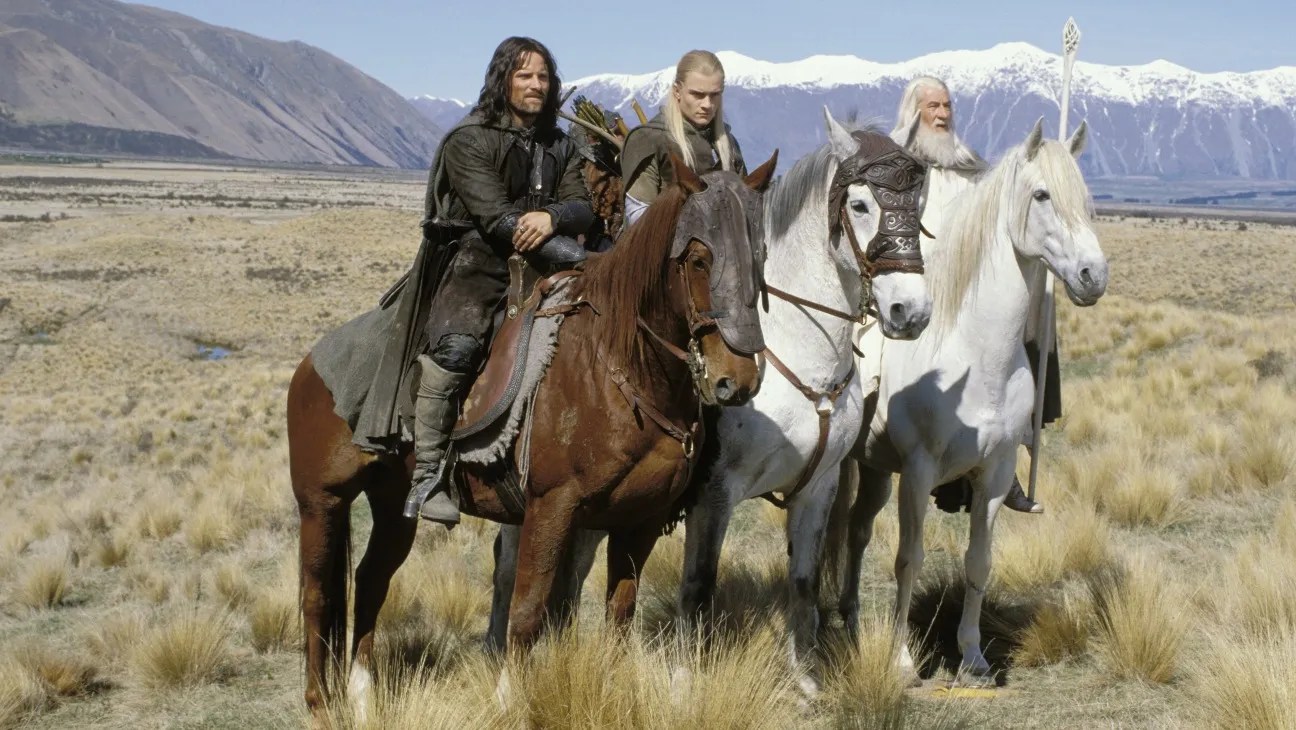
The narrative structure, adapted with care and reverence from Tolkien’s source material, unfolds seamlessly and engagingly across the three films: “The Fellowship of the Ring,” “The Two Towers,” and “The Return of the King.” Each instalment builds upon the previous, creating a cohesive and emotionally resonant journey. The pacing strikes a delicate balance between epic battles and quieter moments of introspection, allowing for character development and forging a deep connection between the audience and the inhabitants of Middle-earth.
One cannot discuss the brilliance of “The Lord of the Rings” without acknowledging Howard Shore’s masterful musical score. The haunting melodies and powerful themes enhance the emotional impact of key scenes, contributing to the trilogy’s immersive experience. Whether it’s the stirring notes of the Shire theme or the epic strains of the “Ride of the Rohirrim,” Shore’s music becomes an integral part of the storytelling, elevating the emotional stakes to new heights.
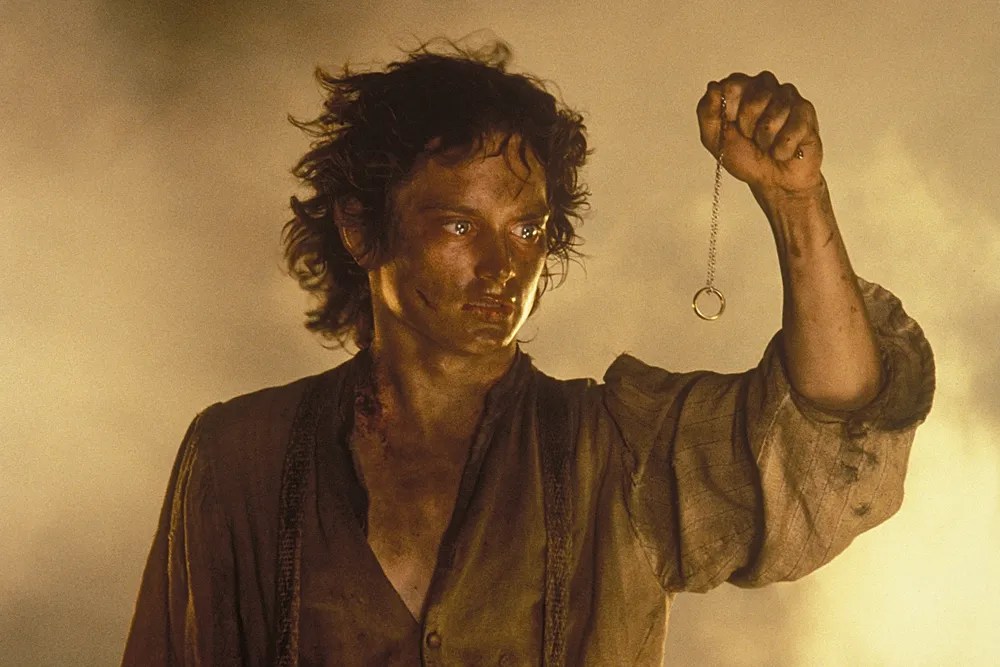
Beyond its technical and artistic achievements, “The Lord of the Rings” resonates on a profound level due to its exploration of universal themes. Friendship, bravery, the corrupting influence of power, and the enduring spirit of hope are all woven into the fabric of the narrative. The characters’ struggles and triumphs transcend the fantasy genre, making the trilogy a timeless and relatable epic that resonates with audiences of all ages.
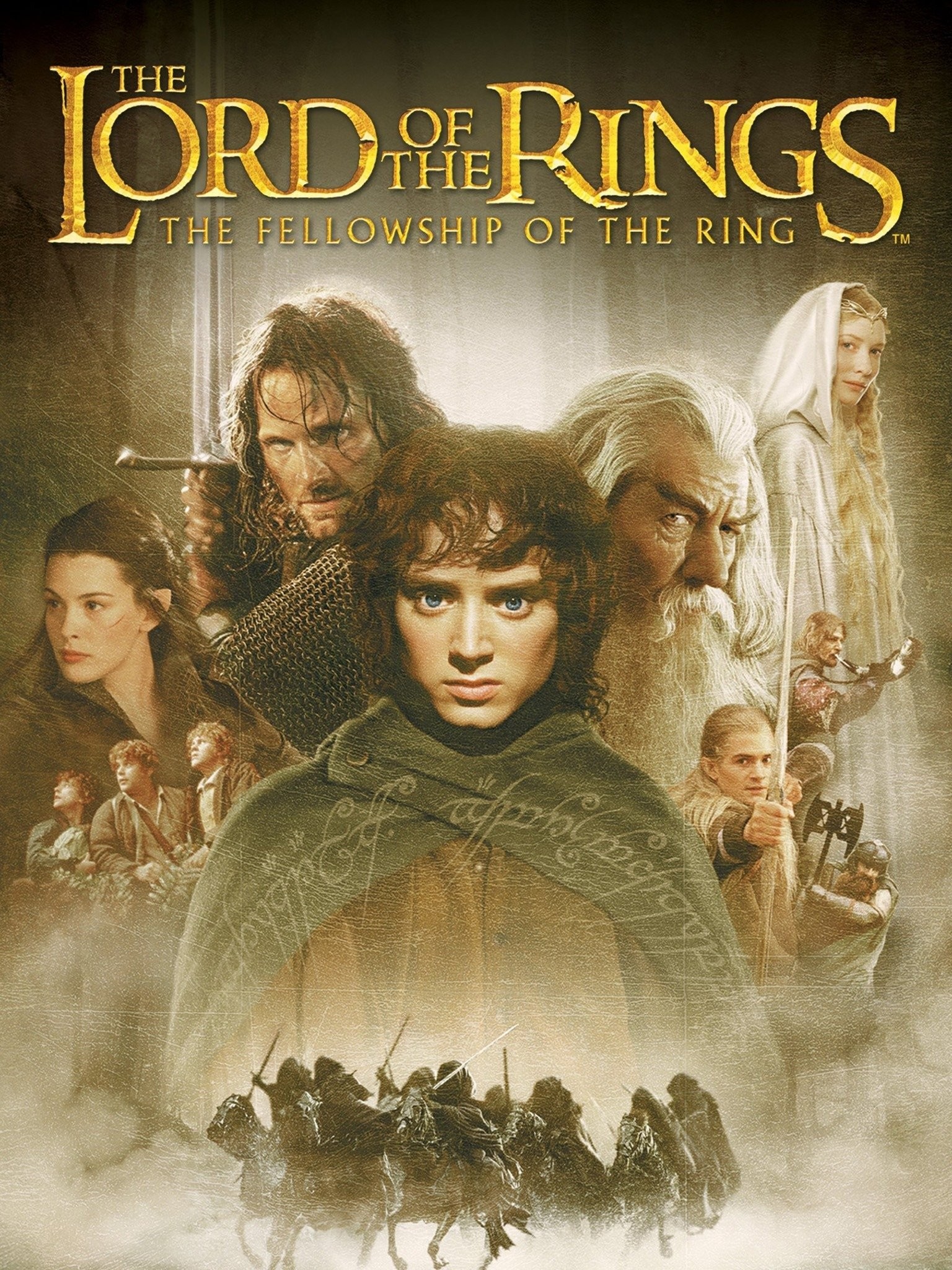
The Fellowship of the Ring
(2001)
“The Fellowship of the Ring is a cinematic masterpiece that flawlessly brings J.R.R. Tolkien’s epic to life. Director Peter Jackson’s attention to detail and commitment to the source material is commendable. The breathtaking landscapes of Middle-earth, coupled with Howard Shore’s enchanting score, create an immersive experience. The cast’s performances, especially Elijah Wood as Frodo and Ian McKellen as Gandalf, are outstanding. The film strikes a perfect balance between character development and thrilling adventure, setting the stage for an epic trilogy.”
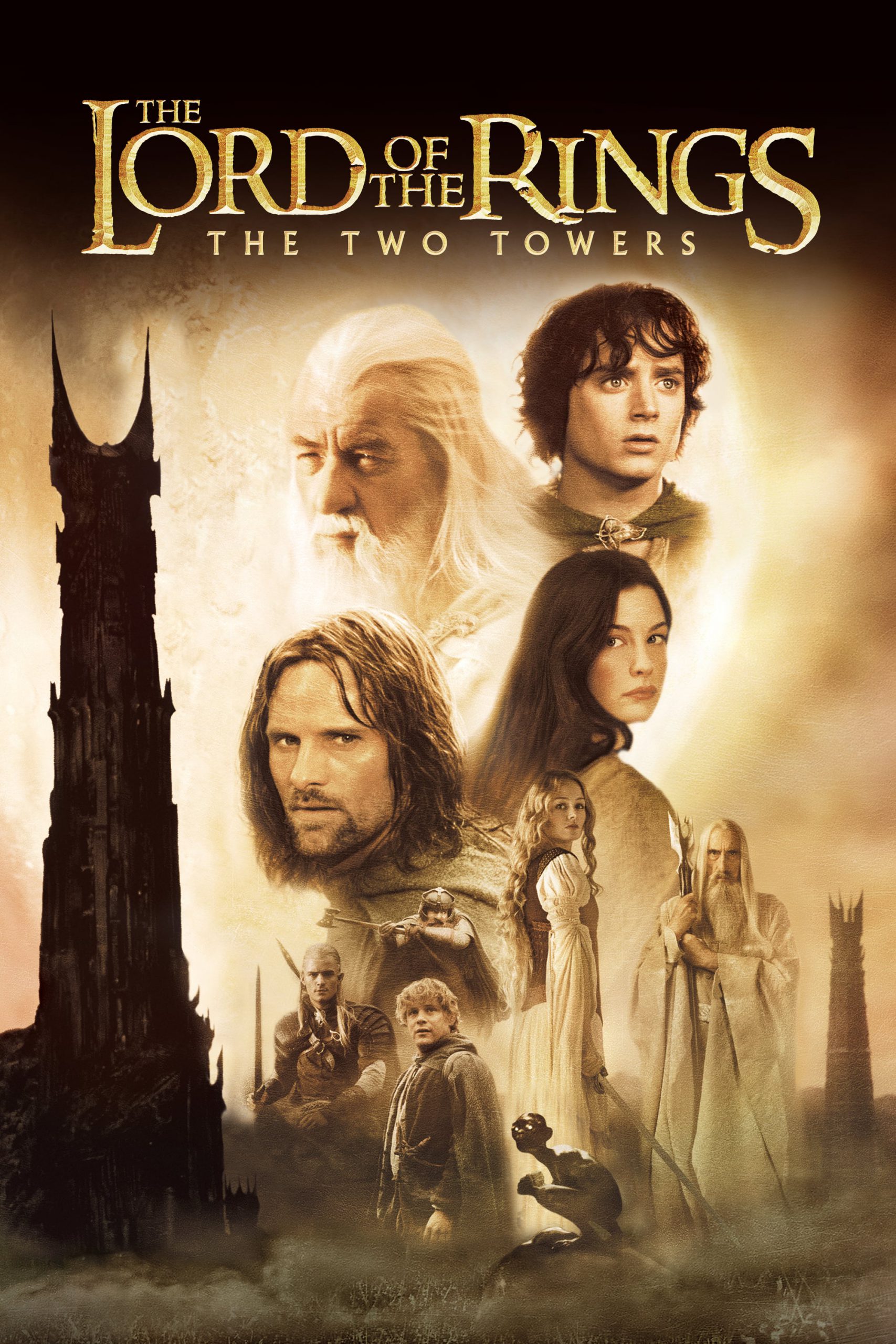
The Two Towers
(2002)
“The Two Towers elevates the Lord of the Rings saga with its gripping narrative and spectacular visuals. The seamless continuation of the story keeps the audience engaged, and the introduction of new characters, including Gollum, adds depth to the plot. The Battle of Helm’s Deep remains one of cinema’s most iconic sequences, showcasing Jackson’s mastery in crafting intense and visually stunning scenes. The film expertly weaves multiple storylines, maintaining a perfect pace throughout.”

The Return of the King
(2003)
“The Return of the King is a triumphant conclusion to the Lord of the Rings trilogy. This epic finale delivers emotional resonance, grandeur, and a satisfying resolution to the intricate plotlines. Jackson’s direction, combined with stellar performances, notably by Viggo Mortensen and Sean Astin, creates a poignant and memorable cinematic experience. The battles are epic in scale, and the film explores themes of sacrifice, friendship, and the enduring power of hope. Winning 11 Academy Awards, including Best Picture, this instalment solidifies the trilogy’s status as a cinematic landmark.”
In conclusion, “The Lord of the Rings” trilogy stands as a crowning achievement in the world of cinema. Its impact goes beyond the boundaries of fantasy, leaving an indelible mark on popular culture. With its visionary storytelling, stellar cast, and technical prowess, this cinematic journey through Middle-earth is nothing short of a modern classic—a testament to the enduring power of great storytelling.

 Roses Have Thoughts
Leave a comment