
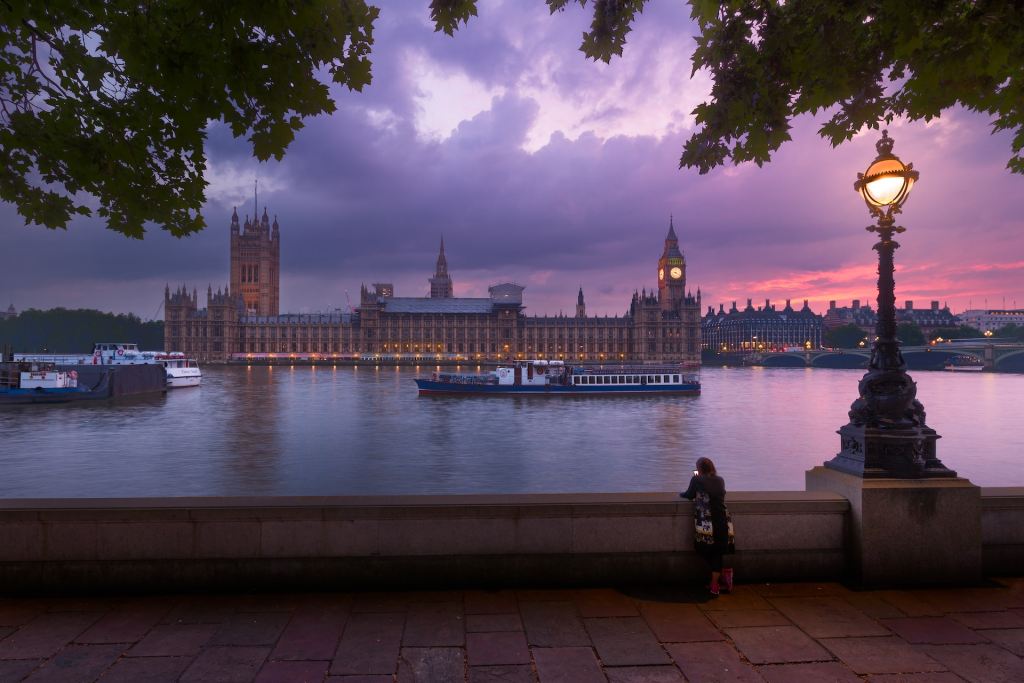
London has long been a captivating backdrop for filmmakers, its iconic landmarks and diverse neighbourhoods providing a rich tapestry for cinematic storytelling. The city’s cinematic history is as vast and varied as its own cultural landscape, with films spanning genres and decades, showcasing the ever-evolving essence of London.
One of the earliest cinematic depictions of London dates back to the silent film era with Alfred Hitchcock’s “Blackmail” (1929). The film explores the gritty side of the city, featuring iconic locations like the British Museum and the British Museum Underground Station. As technology advanced, filmmakers continued to utilize London’s distinctive landmarks to set the stage for their stories.
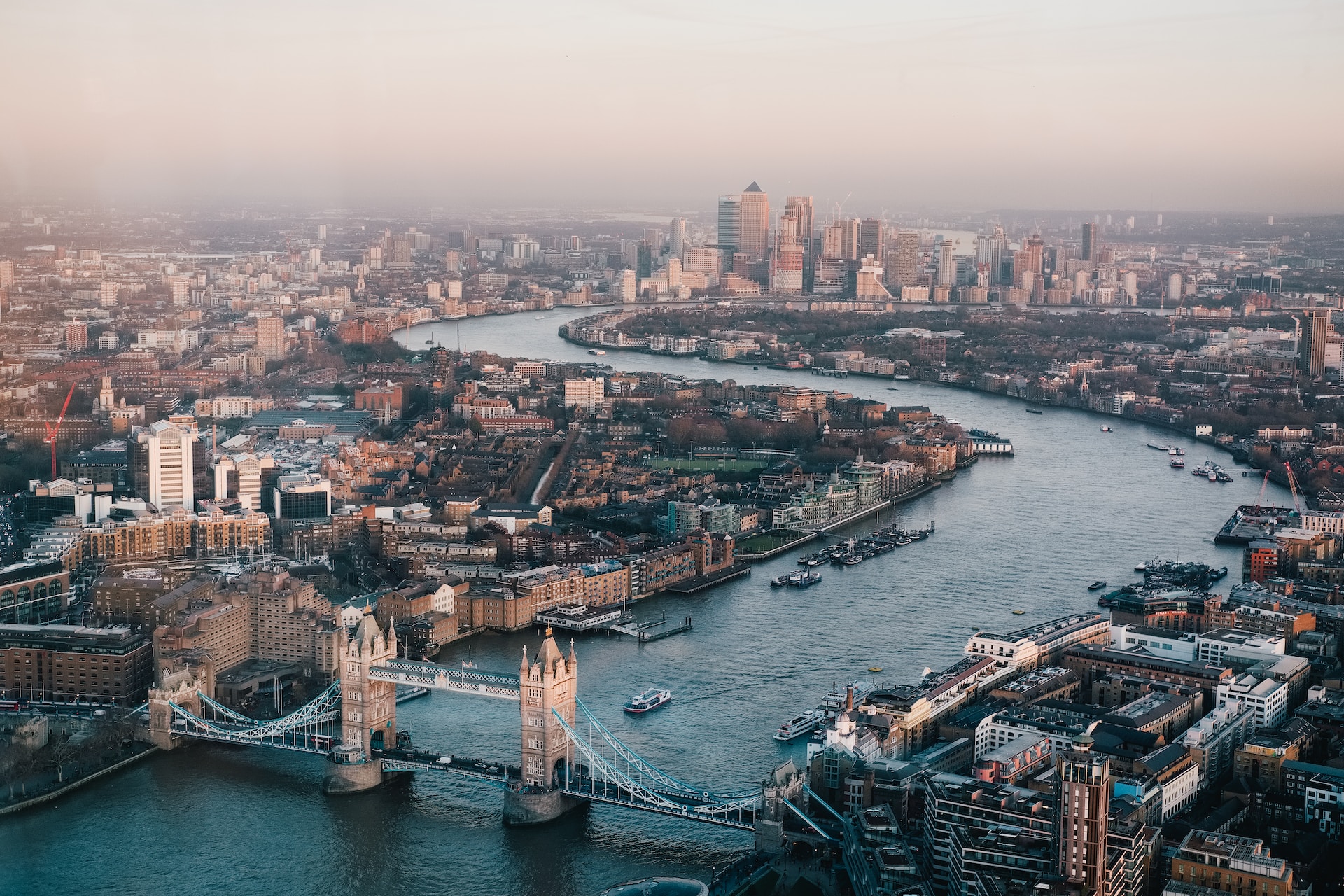
The swinging ’60s brought about a cultural revolution, and London was at the forefront of this movement. Films like “Blow-Up” (1966) by Michelangelo Antonioni captured the vibrant atmosphere of the city during this era. The film follows a fashion photographer played by David Hemmings as he stumbles upon a potential murder while wandering through the streets of London. The film is not only a mystery thriller but also a time capsule that preserves the essence of London’s counterculture and artistic vibrancy during the ’60s.
London has frequently served as a canvas for crime and detective stories. The Sherlock Holmes tales, though originally set in Victorian London, have been adapted countless times for the screen. The modern-day retelling of the BBC series “Sherlock” (2010-2017), starring Benedict Cumberbatch and Martin Freeman, transposes the classic detective duo into contemporary London. The city becomes a character, as the series cleverly integrates famous landmarks like Baker Street and St. Bart’s Hospital into the narrative.
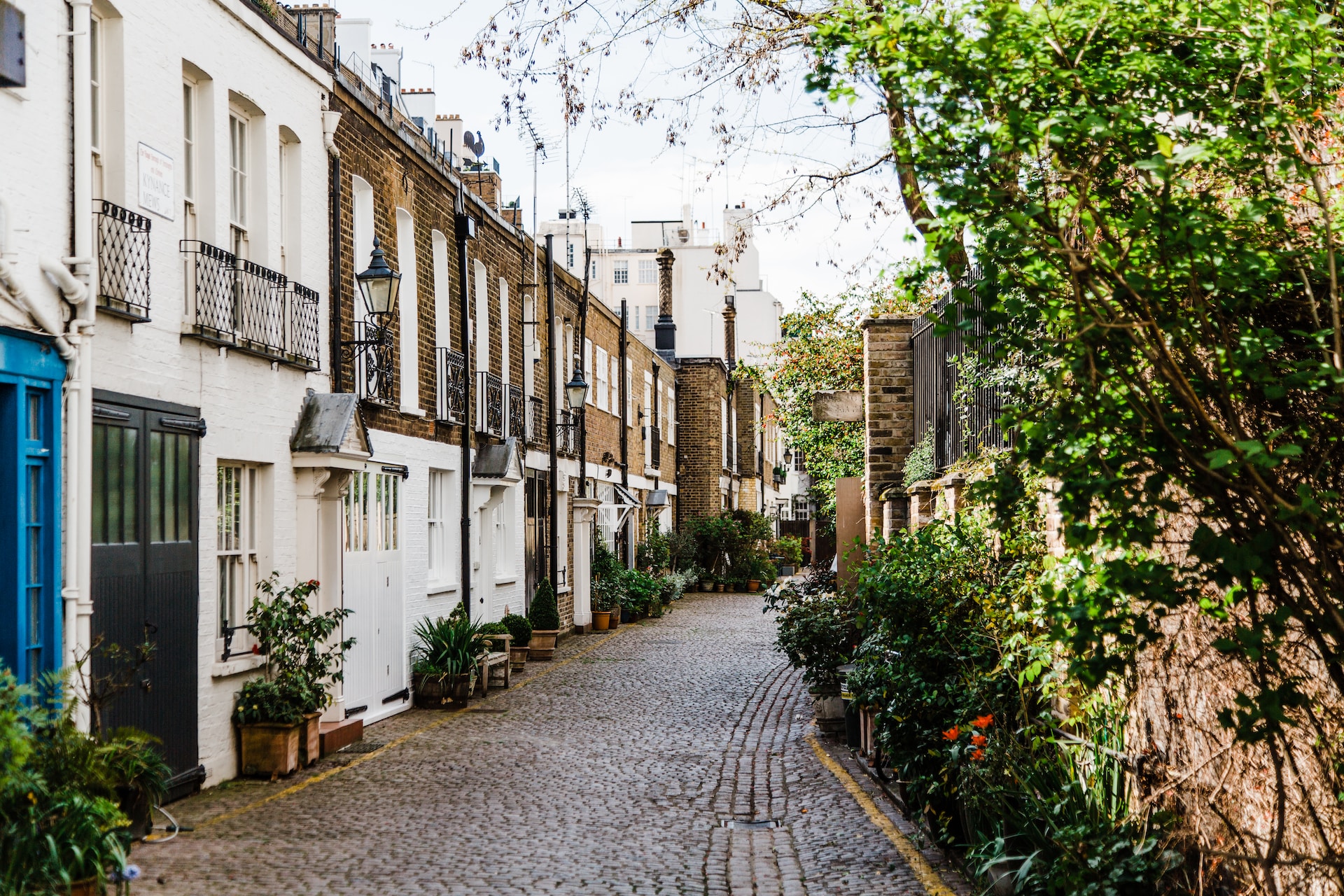
London’s neighbourhoods take centre stage in “Notting Hill” (1999). The romantic comedy, starring Hugh Grant and Julia Roberts, unfolds in the vibrant and eclectic area of Notting Hill. The film showcases the charm of the neighbourhood’s colourful houses, bustling market, and the iconic Portobello Road. Through the lens of romance, the movie paints a romanticized picture of London as a place where ordinary people can find love amid the city’s unique character.
London’s darker and grittier side is explored in films like “Trainspotting” (1996), directed by Danny Boyle. Set against the backdrop of Edinburgh and London, the film delves into the lives of a group of heroin addicts. The contrast between the bleakness of their existence and the vibrant cityscape emphasizes the harsh realities faced by the characters.
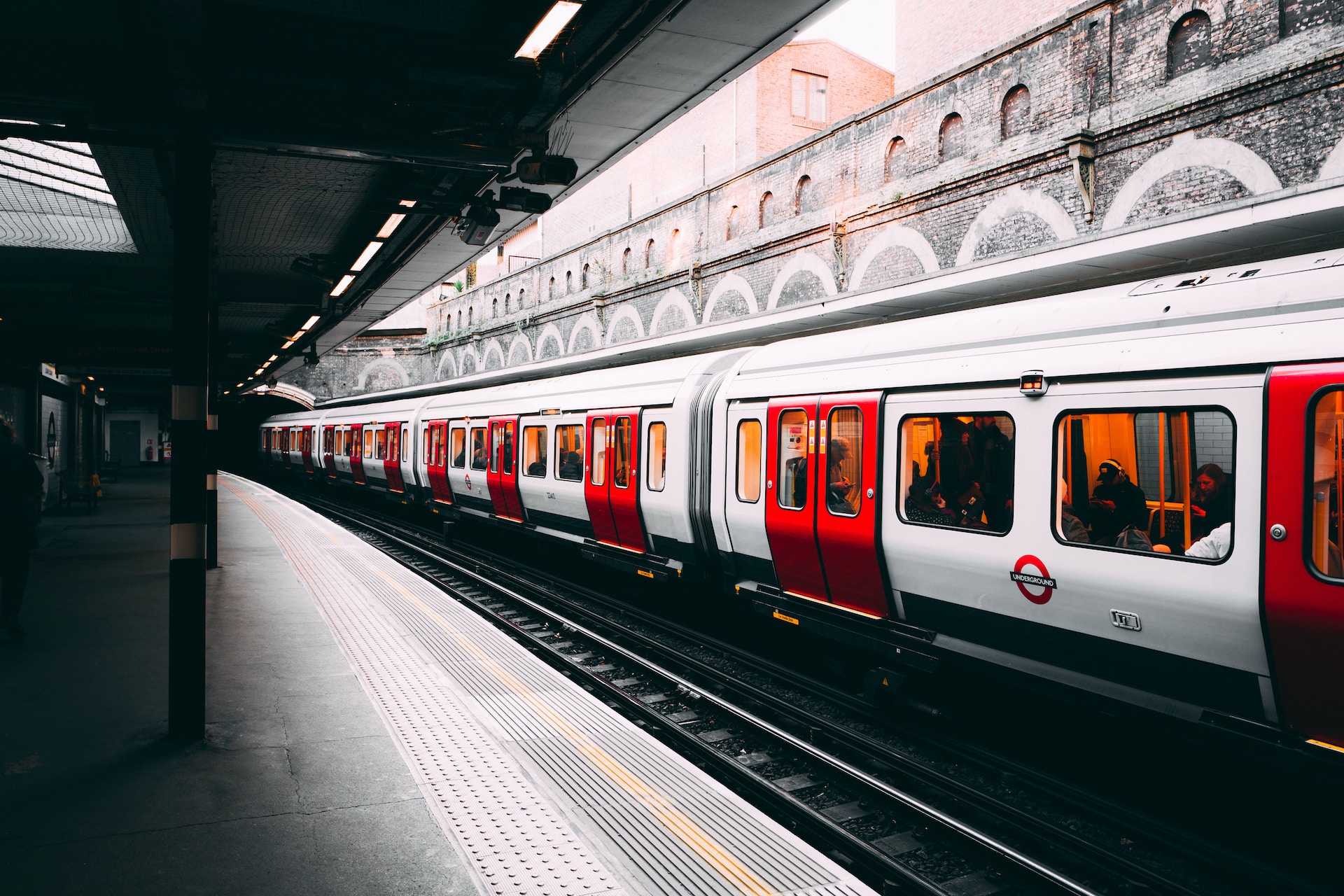
Contemporary London is featured prominently in films like “28 Days Later” (2002), directed by Danny Boyle, where a post-apocalyptic London serves as the haunting backdrop for a zombie-infested world. The eerily empty streets and iconic landmarks devoid of life create a chilling atmosphere, transforming the familiar cityscape into a desolate and terrifying landscape.
London’s allure extends beyond its real-world locations; it has also been a muse for fantasy and science fiction. For instance, the “Harry Potter” film series transforms several recognizable London spots into magical gateways, including the enchanted platform 9¾ at King’s Cross Station.
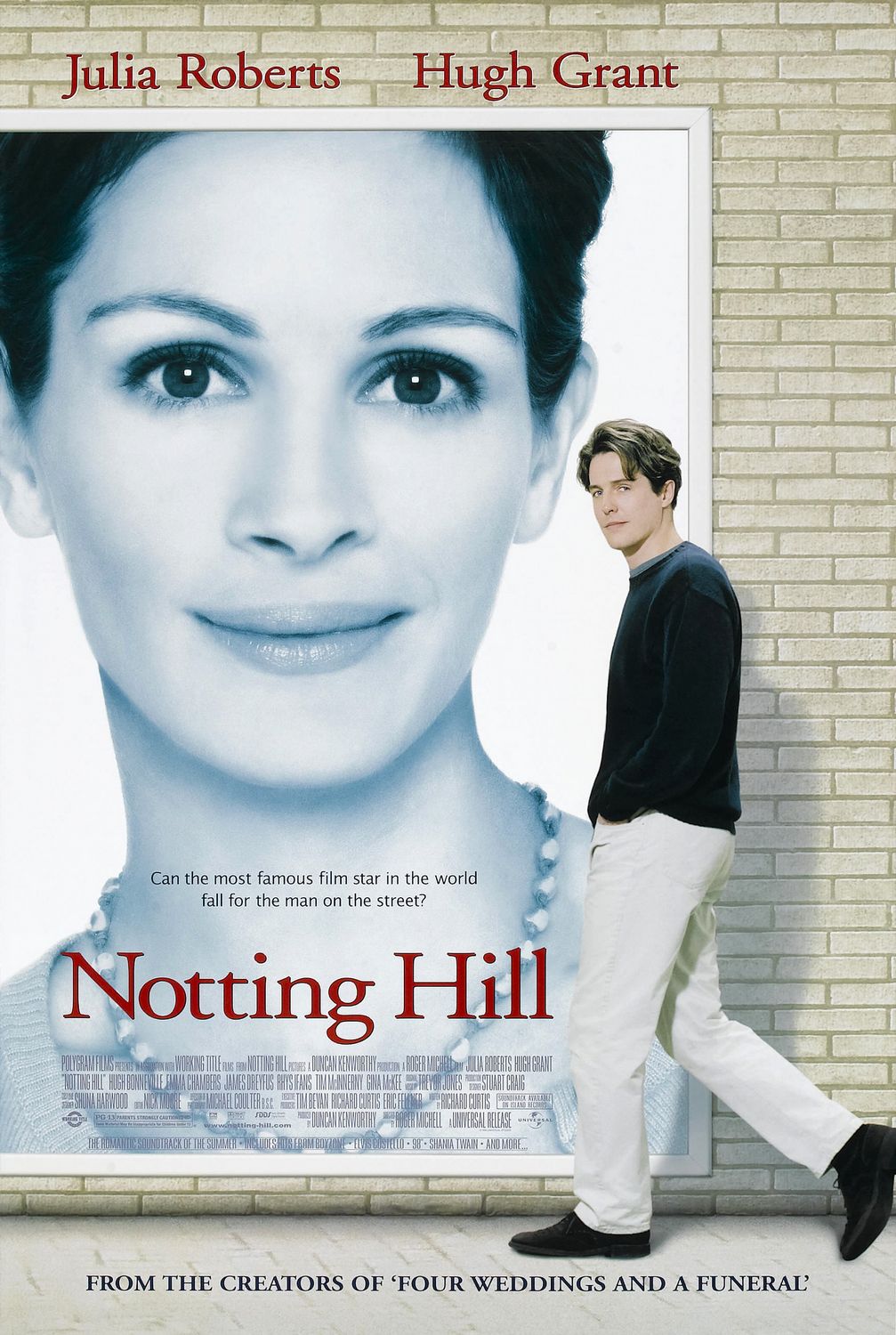
Notting Hill
(1999)
A charming romantic comedy set in the eclectic Notting Hill neighbourhood, where a humble bookstore owner’s life takes an unexpected turn when he falls in love with a famous actress, played by Julia Roberts. The film explores the dynamics of love amidst the backdrop of London’s diverse streets.
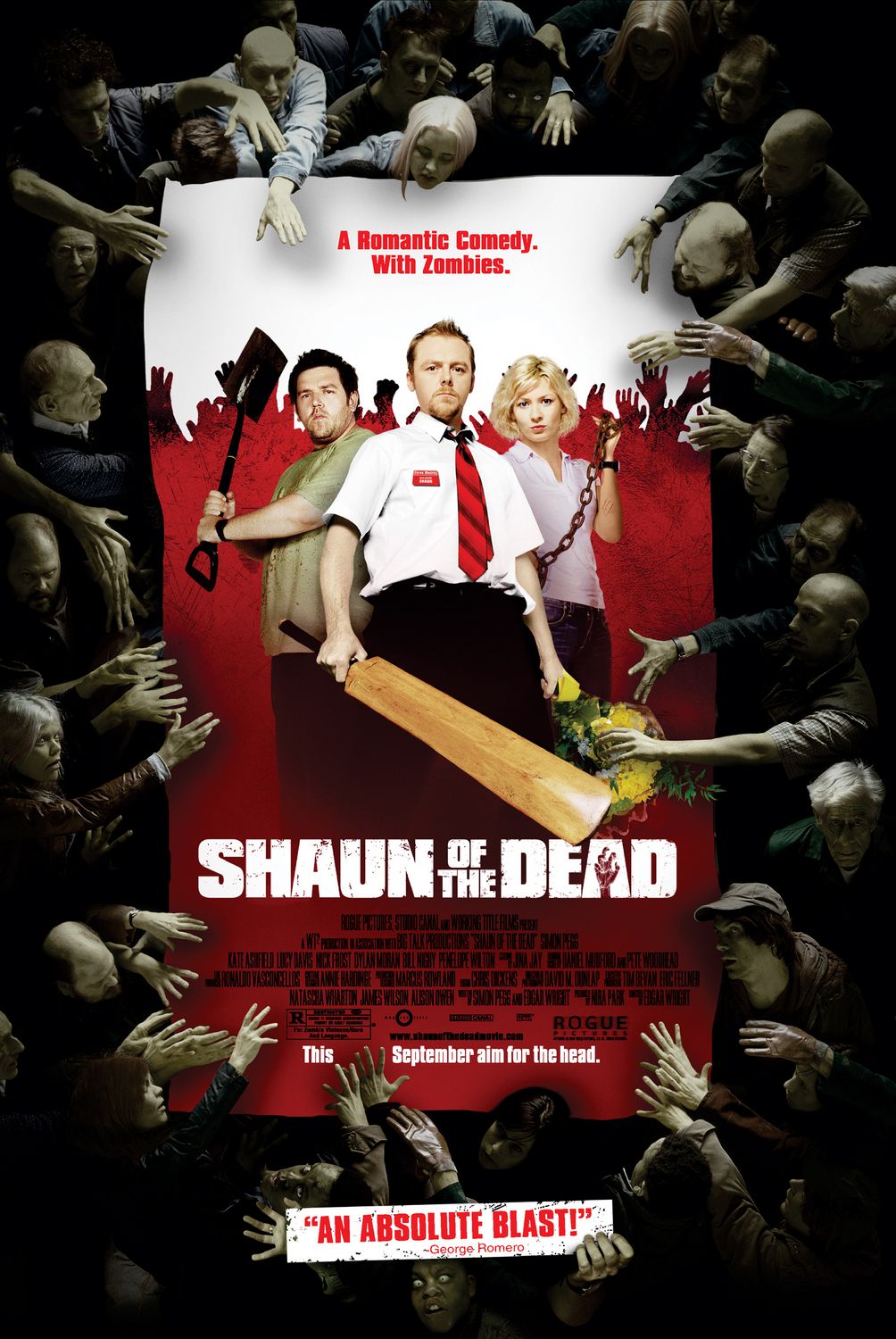
Shaun of the Dead
(2004)
A hilarious blend of comedy and horror, this film follows a group of friends navigating a zombie apocalypse in North London. Simon Pegg and Nick Frost’s witty banter and the film’s clever satire make it a cult classic.

An Education
(2009)
Set in 1960s suburban London, this coming-of-age drama follows a teenage girl’s journey as she becomes entangled in a relationship with an older man, challenging societal norms. Carey Mulligan’s stellar performance earned her an Oscar nomination.
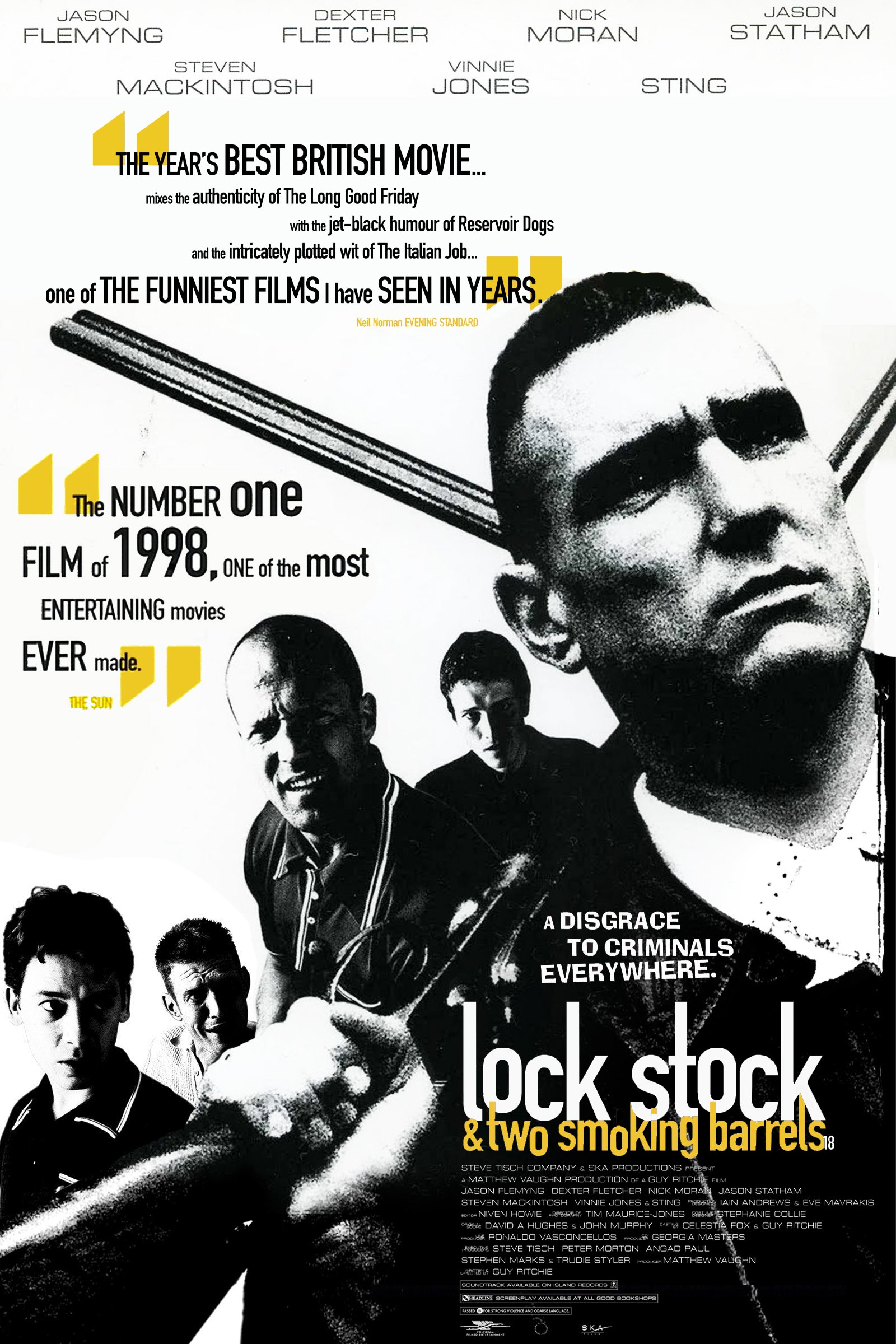
Lock, Stock and Two Smoking Barrels
(1998)
Director Guy Ritchie’s breakout film is a fast-paced crime comedy set in London’s East End. It weaves together multiple storylines involving small-time criminals, high-stakes card games, and a missing antique shotgun.
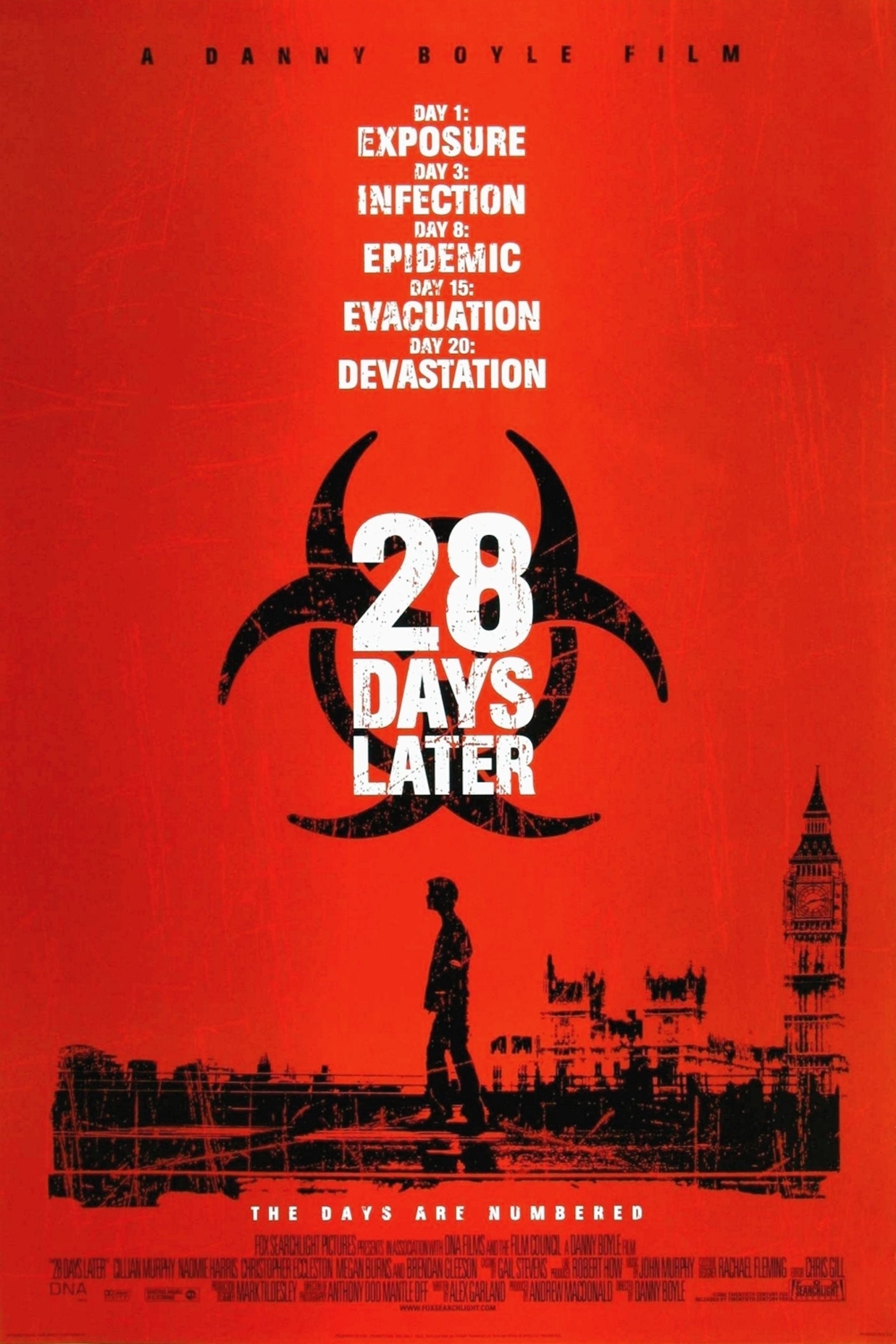
28 Days Later
(2002)
A post-apocalyptic horror film that unleashes fast-moving zombies on an eerily deserted London. Directed by Danny Boyle, the film captures the desperation and chaos as survivors navigate through a city overrun by the infected, creating a tense and gripping atmosphere.
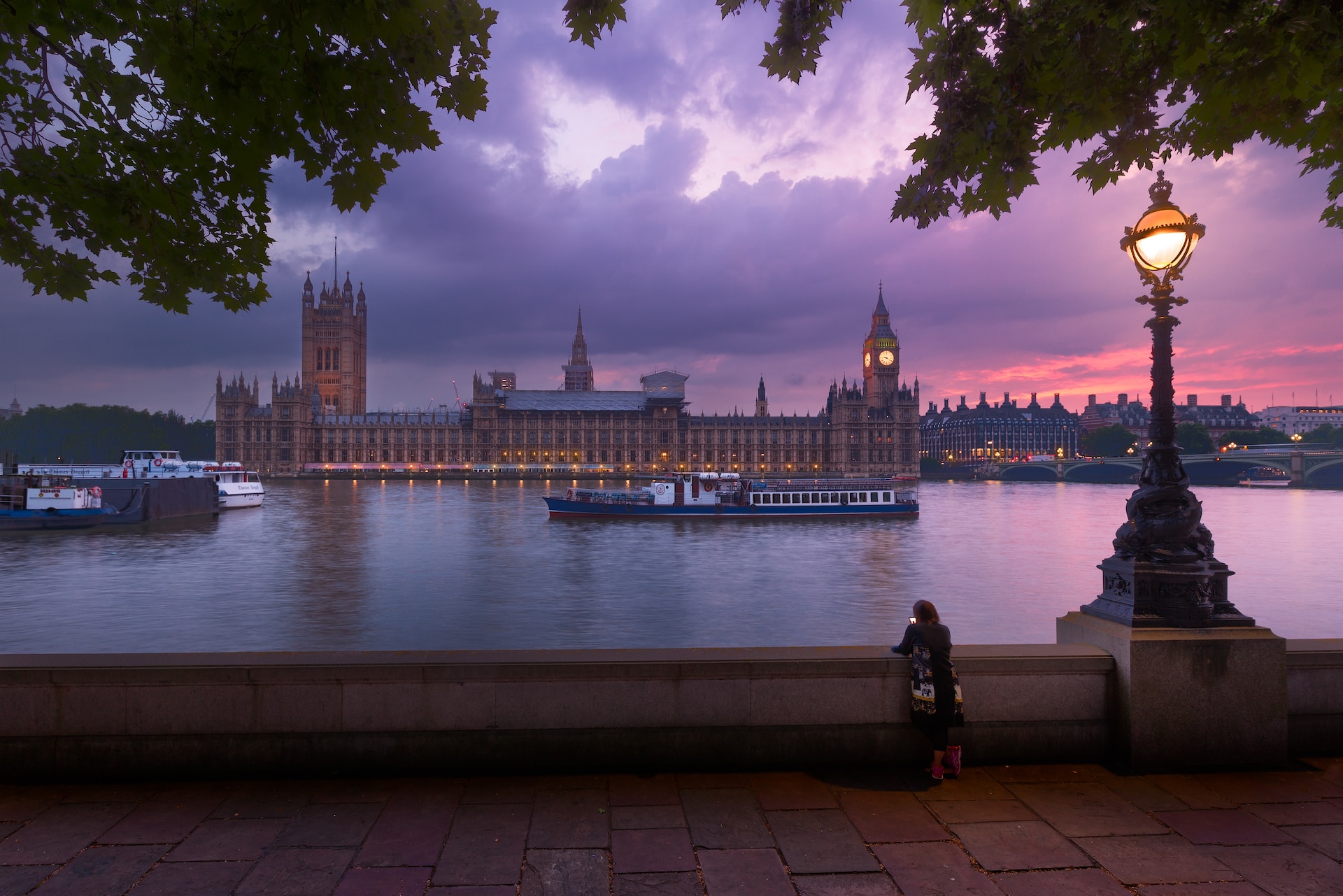
In conclusion, London on film is a multifaceted entity, evolving with each cinematic era and genre. From the black-and-white charm of Hitchcock’s early depictions to the vibrant hues of ’60s counterculture, and from the romantic allure of Notting Hill to the dystopian landscapes of contemporary thrillers, London’s cinematic presence is as diverse and dynamic as the city itself. Each film adds a layer to the rich tapestry of London’s portrayal on the silver screen, making it a perennial source of inspiration for filmmakers around the world.
 Roses Have Thoughts
Leave a comment