
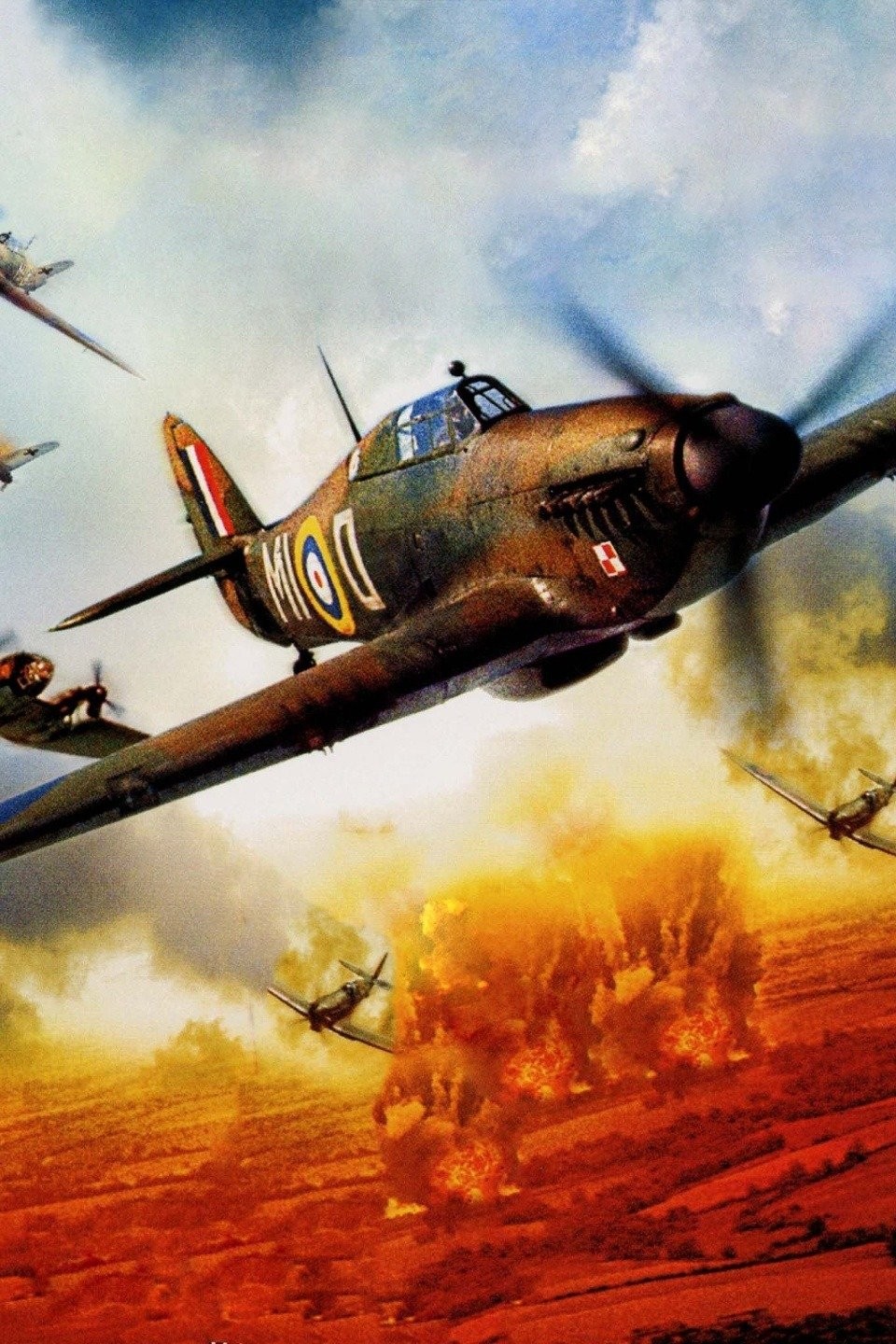

Synopsis- During World War II, the British Royal Air Force fights the Luftwaffe while trying to sabotage German dictator Adolf Hitler’s plan to invade Great Britain.
Director- Guy Hamilton
Cast- Laurence Olivier, Michael Caine, Christopher Plummer, Michael Redgrave
Released- 1969
Battle of Britain, directed by Guy Hamilton and released in 1969, stands as a monumental achievement in the war film genre. This epic portrayal of the eponymous aerial conflict during World War II not only captures the intensity of battle but also showcases the resilience and courage of those who fought in the skies. With its stellar cast, breathtaking aerial sequences, and compelling narrative, “Battle of Britain” earns its place as a classic war film that continues to resonate with audiences.
One of the film’s greatest strengths lies in its ensemble cast, featuring some of the era’s finest actors. Sir Laurence Olivier, Michael Caine, Christopher Plummer, and Sir Michael Redgrave deliver memorable performances that bring depth and authenticity to their characters. Olivier, in particular, shines as Air Chief Marshal Sir Hugh Dowding, portraying the strategic brilliance and stoicism of a military leader faced with overwhelming odds. The ensemble cast’s chemistry adds a human touch to the epic scale of the conflict, making the audience emotionally invested in the characters’ struggles.

The film’s aerial sequences are nothing short of spectacular, even by today’s standards. The filmmakers employed a large number of real aircraft, including vintage World War II planes, to create a visual spectacle that remains unmatched. The dogfights are masterfully choreographed, with swooping camera movements and realistic sound design immersing the audience in the chaos of aerial combat. The attention to detail in capturing the aircraft of the era adds authenticity to the film, making it a visual feast for aviation enthusiasts and history buffs alike.
“Battle of Britain” is not merely a collection of impressive action sequences; it also weaves a compelling narrative that explores the political, strategic, and personal aspects of the conflict. The screenplay, penned by James Kennaway and Wilfred Greatorex, strikes a delicate balance between historical accuracy and dramatic storytelling. The film provides insight into the complexities of war, showcasing the challenges faced by both the Allied and Axis forces. The decision to include perspectives from both sides adds nuance to the narrative, presenting a more comprehensive view of the historical events.

John Barry’s evocative musical score complements the film’s visuals and enhances the emotional impact of key moments. The soaring melodies and stirring compositions contribute to the overall cinematic experience, elevating the storytelling to a new level. Barry’s score has become iconic in its own right, synonymous with the film and its portrayal of one of the pivotal moments in World War II.
While “Battle of Britain” has rightfully earned its place as a classic, some viewers may find the pacing to be slower compared to modern war films. However, the deliberate pacing allows for a more thorough exploration of the characters and the intricacies of the conflict.

In conclusion, “Battle of Britain” (1969) is a cinematic triumph that has stood the test of time. Its stellar cast, breathtaking aerial sequences, and compelling narrative combine to create a war film that is both epic in scale and intimate in its portrayal of the human experience during one of history’s most significant battles. For those seeking a captivating and visually stunning exploration of World War II, “Battle of Britain” remains an essential watch.
 Roses Have Thoughts
Leave a comment