

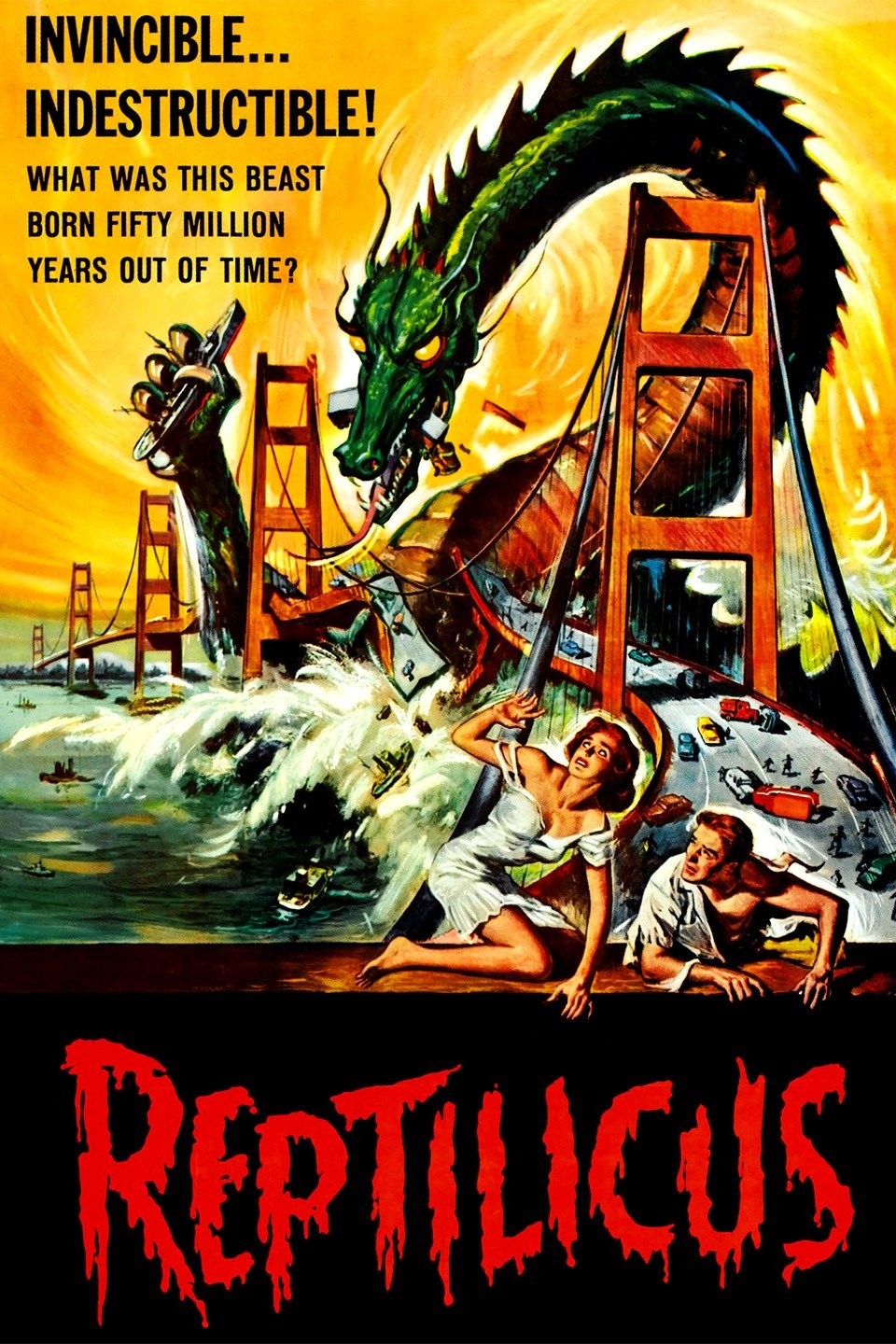
Synopsis- When a group of miners bring a reptile’s tail back home, it is stored in an aquarium for scientific study. However, the mishandling of the tail by the scientists brings the creature back to life.
Directors- Poul Bang and Sidney W. Pink
Cast- Ann Smymer, Marla Behens, Carl Ottosen
Genre- Horror | Science Fiction
Released- 1961
America had King Kong, Japan had Godzilla and England had Gorgo (1961), now it’s time for Denmark to enter the fray with their own kaiju: Reptilicus, a Danish-American monster film that attempts to capitalize on the popularity of giant creature features during the 1950s and 1960s. Directed by Poul Bang and Sidney W. Pink, the film brings a giant prehistoric creature to life in a somewhat underwhelming manner.
One of the film’s strengths lies in its attempt to create a unique monster. Reptilicus, a gigantic sea serpent, is a departure from the typical giant insects or dinosaurs featured in other creature features of the time. The use of stop-motion animation to bring Reptilicus to life is commendable for its time, but it falls short of the standards set by other contemporary films like “King Kong” (1933) or “The Beast from 20,000 Fathoms” (1953).

The special effects, while ambitious, lack the polish and realism needed to fully immerse the audience in the fantasy. The film’s pacing is inconsistent, with moments of tension and excitement interrupted by slower, dialogue-heavy scenes that fail to contribute significantly to the overall narrative. The characters, although attempting to be engaging, often fall into clichéd roles and lack the depth needed to evoke genuine empathy or interest. The performances are serviceable but don’t elevate the material beyond its B-movie roots.
The film’s tone is a mixed bag, attempting to balance horror, science fiction, and even moments of unintentional comedy. Unfortunately, these shifts in tone create a disjointed viewing experience that may leave audiences unsure whether to take the film seriously or view it as a campy spectacle. The score, composed by Sven Gyldmark, adds a sense of drama but doesn’t manage to elevate the overall viewing experience.
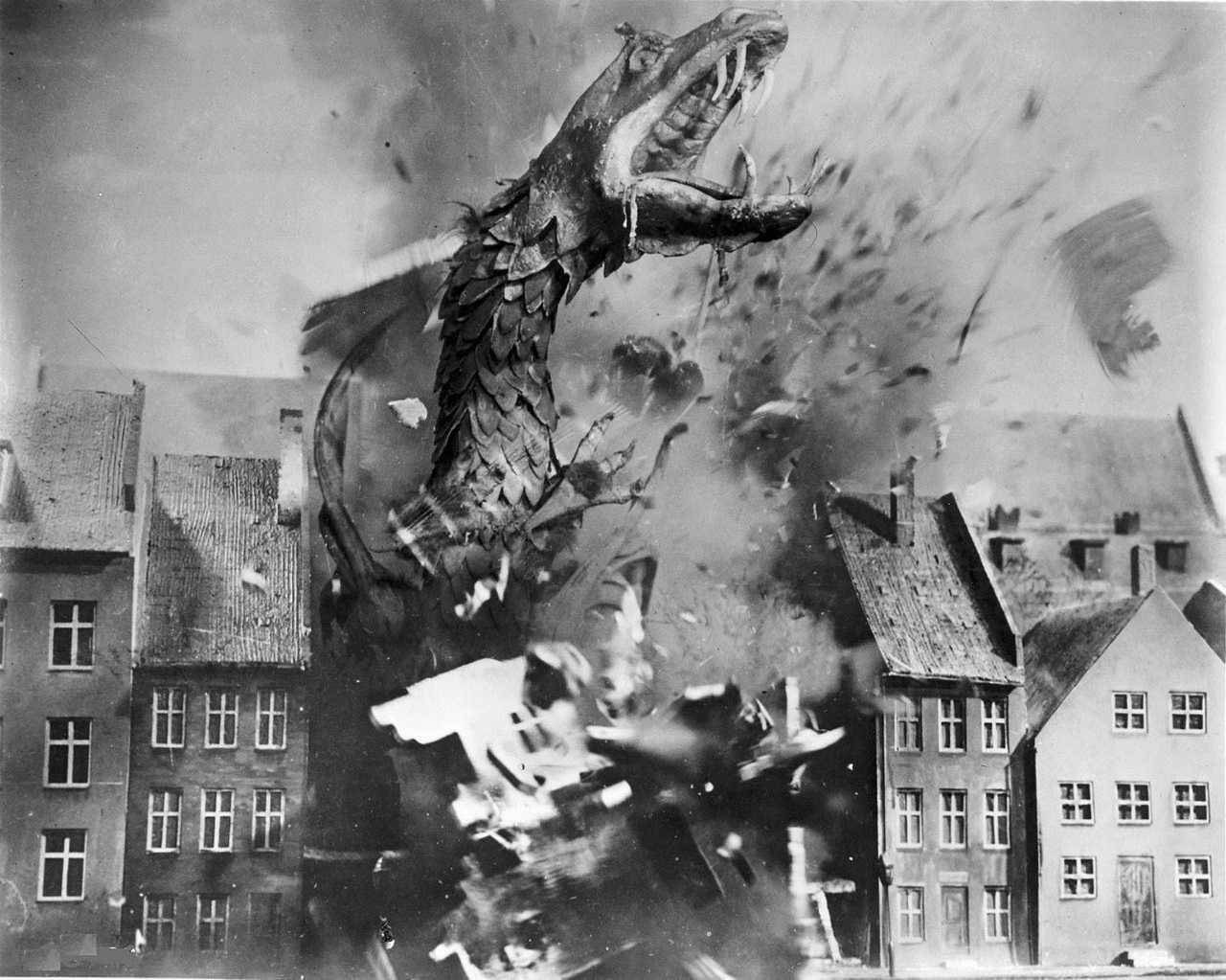
The production values, while limited, do offer a glimpse into the filmmaking techniques of the early 1960s. The practical effects, including miniature sets and props, showcase the ingenuity of the filmmakers working with the resources available at the time. However, the limitations are evident, and modern audiences may find it challenging to fully appreciate the film’s technical aspects.
In conclusion, “Reptilicus” is a creature feature that falls somewhere in the middle of the B-movie spectrum. While it showcases some creative elements, such as the unique monster concept and attempts at practical effects, it ultimately struggles to rise above the mediocrity of its genre. Fans of vintage monster movies may find it worth a watch for its historical value, but those seeking a more polished and engaging experience may be left wanting.
 Roses Have Thoughts
Leave a comment