


Synopsis- In Alaska, where many people begin disappearing mysteriously, a psychologist makes some shocking discoveries about aliens.
Director- Olatunde Osunsanmi
Cast- Milla Jovovich, Charlotte Milchard, Will Patton, Elias Koteas
Genre- Thriller | Horror | Science Fiction
Released- 2009
In “The Fourth Kind,” director Olatunde Osunsanmi presents an ambitious blend of found footage and psychological thriller, weaving a narrative that tantalizes with its purportedly “true events” basis. While the film succeeds in generating an eerie atmosphere and delivering a few spine-tingling moments, it ultimately falls short of its lofty aspirations, leaving audiences with a sense of unfulfilled potential.
Osunsanmi’s decision to incorporate supposed archival footage alongside dramatized reenactments initially lends the film a compelling sense of authenticity. The use of split-screen techniques, juxtaposing the real and the staged, adds a layer of intrigue, inviting viewers to question the boundaries between fact and fiction. However, this innovative approach also proves to be the film’s Achilles’ heel, as the constant toggling between the two modes disrupts the narrative flow and undermines the immersion crucial to sustaining suspense.
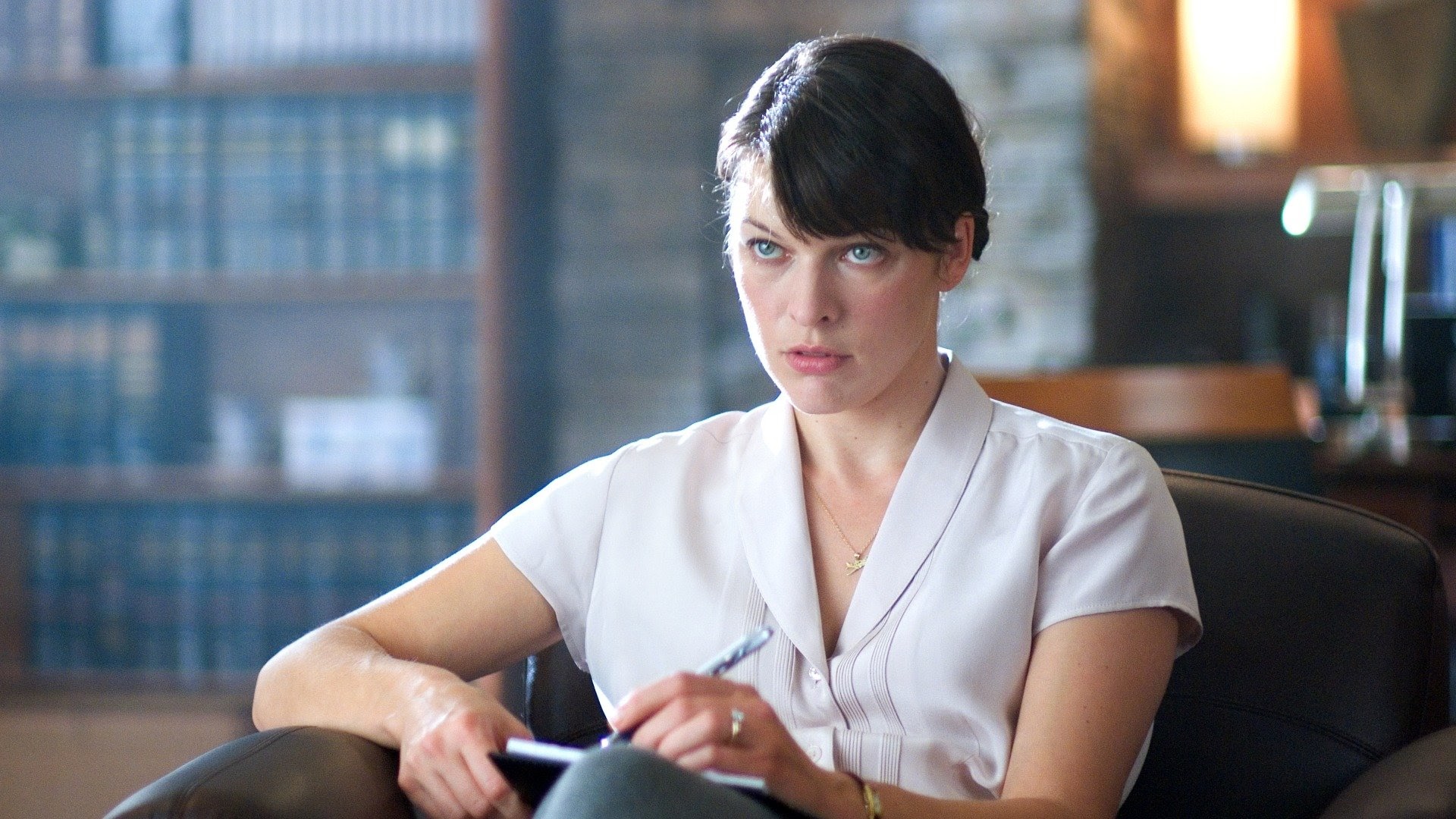
At the heart of “The Fourth Kind” lies Milla Jovovich’s committed performance as Dr. Abigail Tyler, a psychologist investigating a series of mysterious incidents affecting her clients in Nome, Alaska. Jovovich brings a palpable intensity to her role, effectively conveying Tyler’s descent into paranoia and obsession. Yet, despite her best efforts, the character remains frustratingly underdeveloped, serving more as a vessel for exposition than as a fully realized protagonist.

The supporting cast, including Elias Koteas as Sheriff August, provides solid if unremarkable performances, with few standout moments to distinguish them. Likewise, the screenplay by Osunsanmi himself offers little in the way of memorable dialogue or character dynamics, relying instead on exposition-heavy monologues to drive the plot forward. As a result, the emotional stakes never quite resonate as deeply as they should, leaving viewers emotionally detached from the unfolding events.
Where “The Fourth Kind” truly shines is in its atmospheric cinematography and sound design, which effectively ratchet up the tension and create a sense of pervasive dread. From the desolate landscapes of rural Alaska to the claustrophobic confines of Dr. Tyler’s office, every frame is steeped in an oppressive atmosphere that keeps audiences on edge. Similarly, the film’s sparse, minimalist score adds an extra layer of unease, heightening the sense of impending doom that permeates the narrative.

However, these technical achievements can only carry the film so far, and ultimately, “The Fourth Kind” falters in its inability to deliver a satisfying payoff. As the mystery surrounding the disappearances unfolds, it becomes increasingly clear that the answers promised are unlikely to satisfy. The film’s climactic revelation feels rushed and anticlimactic, robbing the narrative of the catharsis it so desperately needs.
In the end, “The Fourth Kind” stands as a missed opportunity, a film that tantalizes with its intriguing premise but ultimately fails to deliver on its potential. While it may satisfy casual viewers looking for a few cheap thrills, those seeking a more substantial cinematic experience are likely to come away disappointed. Despite its flaws, however, there’s no denying the film’s ability to provoke thought and spark conversation, ensuring that it will be remembered, if only as a cautionary tale of wasted potential.
 Roses Have Thoughts
Leave a comment