

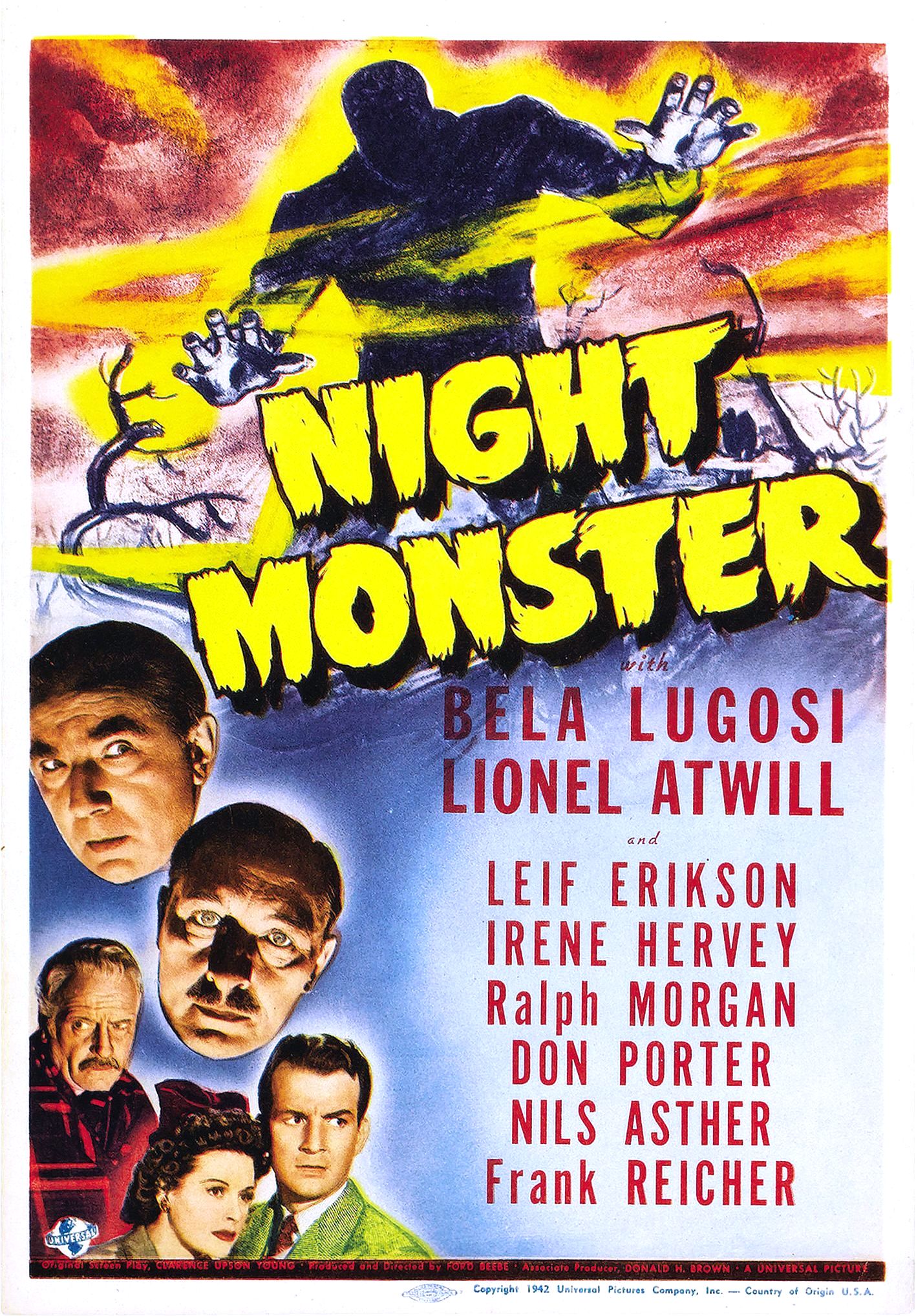
Synopsis- A man (Lionel Atwill) uses mind over matter to replace his legs, then hunts the doctors who took them.
Director- Ford Beebe
Cast- Bela Lugosi, Lionel Atwill, Fay Helm
Released- 1942
Night Monster may have been released during the golden age of Hollywood and starred one of horror greatest ever stars (Lugosi), however, fails to live up to the expectations set by its predecessors. Directed by Ford Beebe, this black-and-white mystery-horror follows the familiar formula of a spooky mansion, a group of seemingly unrelated characters, and a lurking menace. Cliché to say the least.
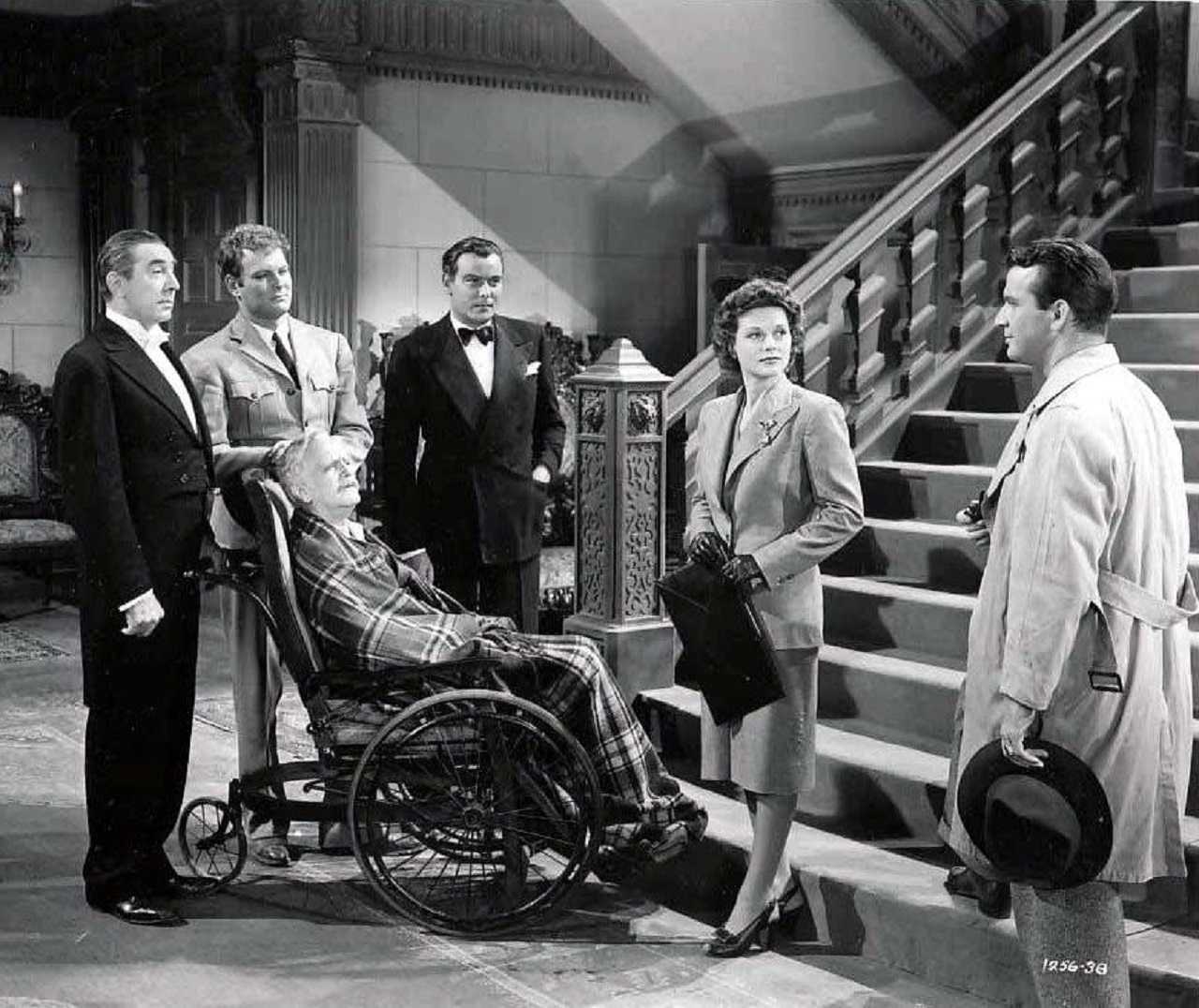
Starting off with the strengths of the film, the atmospheric cinematography, captures the eerie ambiance of the mansion with shadows and dim lighting. The gothic setting, complete with creaky doors and secret passages, adds a sense of suspense reminiscent of the era’s horror classics. However, this visual prowess is somewhat undermined by the film’s lacklustre script and sluggish pacing.

The plot unfolds as a series of mysterious deaths occur within the mansion’s confines, sparking conflict among the characters as they attempt to uncover the killer amongst them. however, the narrative struggles to maintain a coherent and engaging storyline. The pacing is uneven, with stretches of dialogue-heavy scenes that contribute little to the overall suspense. The attempts at building tension often fall flat, leaving me deeply uninterested in the story progression.
The ensemble cast, featuring stalwarts like Bela Lugosi and Lionel Atwill, delivers performances that range from wooden to melodramatic. Lugosi, known for his iconic portrayal of Dracula, is underutilized in a role that fails to showcase his talent, while the remaining characters lack depth, with thinly sketched backstories and motivations that fail to evoke empathy or interest.
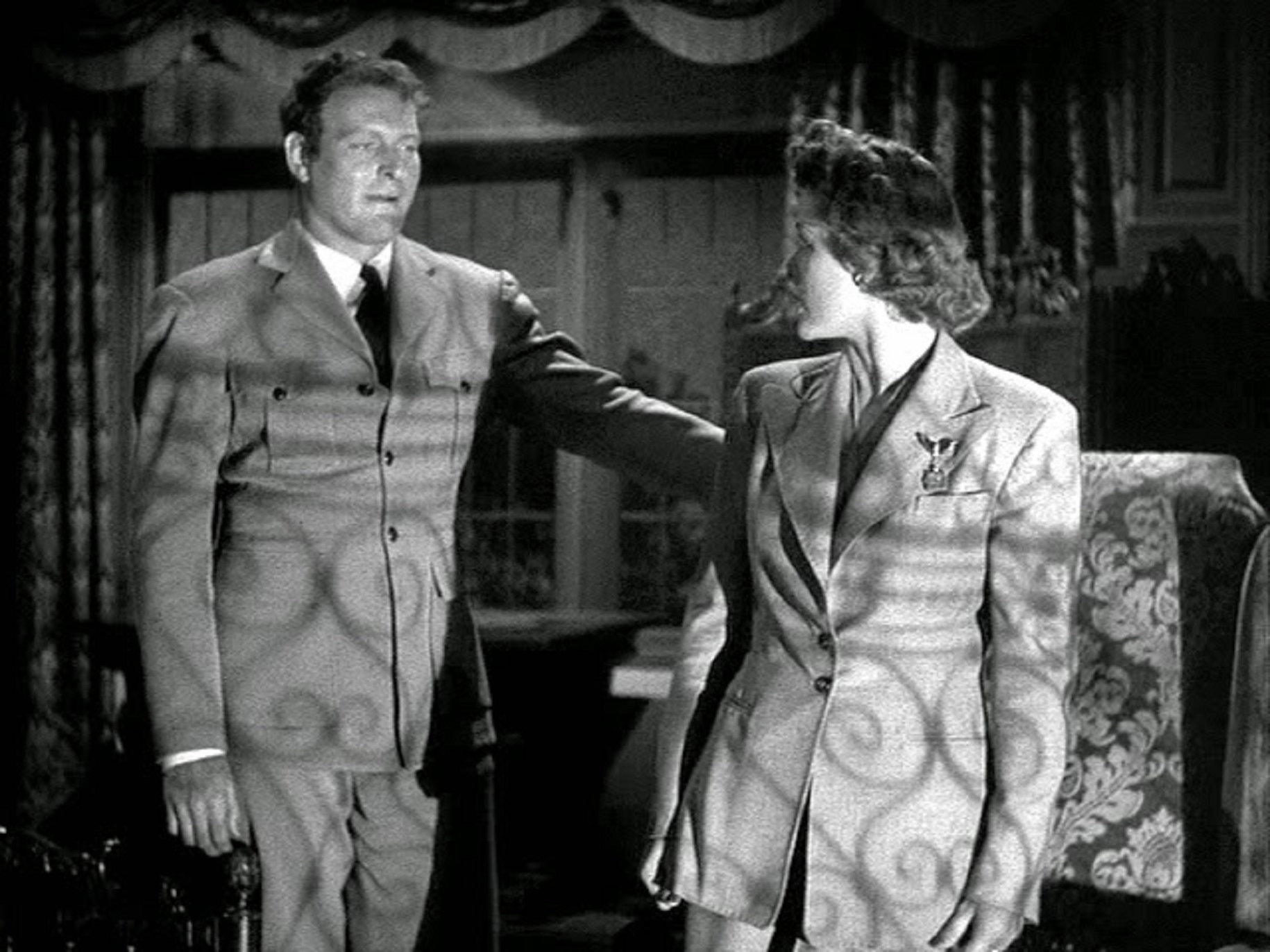
Where “Night Monster” truly falters is in its reliance on clichés and predictable twists. The film borrows heavily from the tropes established by previous horror/mysteries, offering little in terms of innovation or originality. The identity of the night monster becomes apparent to astute viewers early on, robbing the film of the suspense essential to a successful mystery-thriller.
The special effects, typical of the era, appear dated by contemporary standards. While allowances can be made for the technological limitations of the time, it doesn’t excuse the lack of creativity in execution. The film’s attempts at showcasing supernatural elements come off as more comical than chilling, further diminishing its impact.
In conclusion, “Night Monster” struggles to leave a lasting impression within the horror genre. While the film boasts atmospheric visuals and a promising premise, its shortcomings in storytelling, character development, and suspenseful execution prevent it from rising above mediocrity. For those seeking a true classic of the horror genre from the 1940s, there are far better options available that have stood the test of time with more enduring scares and captivating narratives.
 Roses Have Thoughts
Leave a comment