

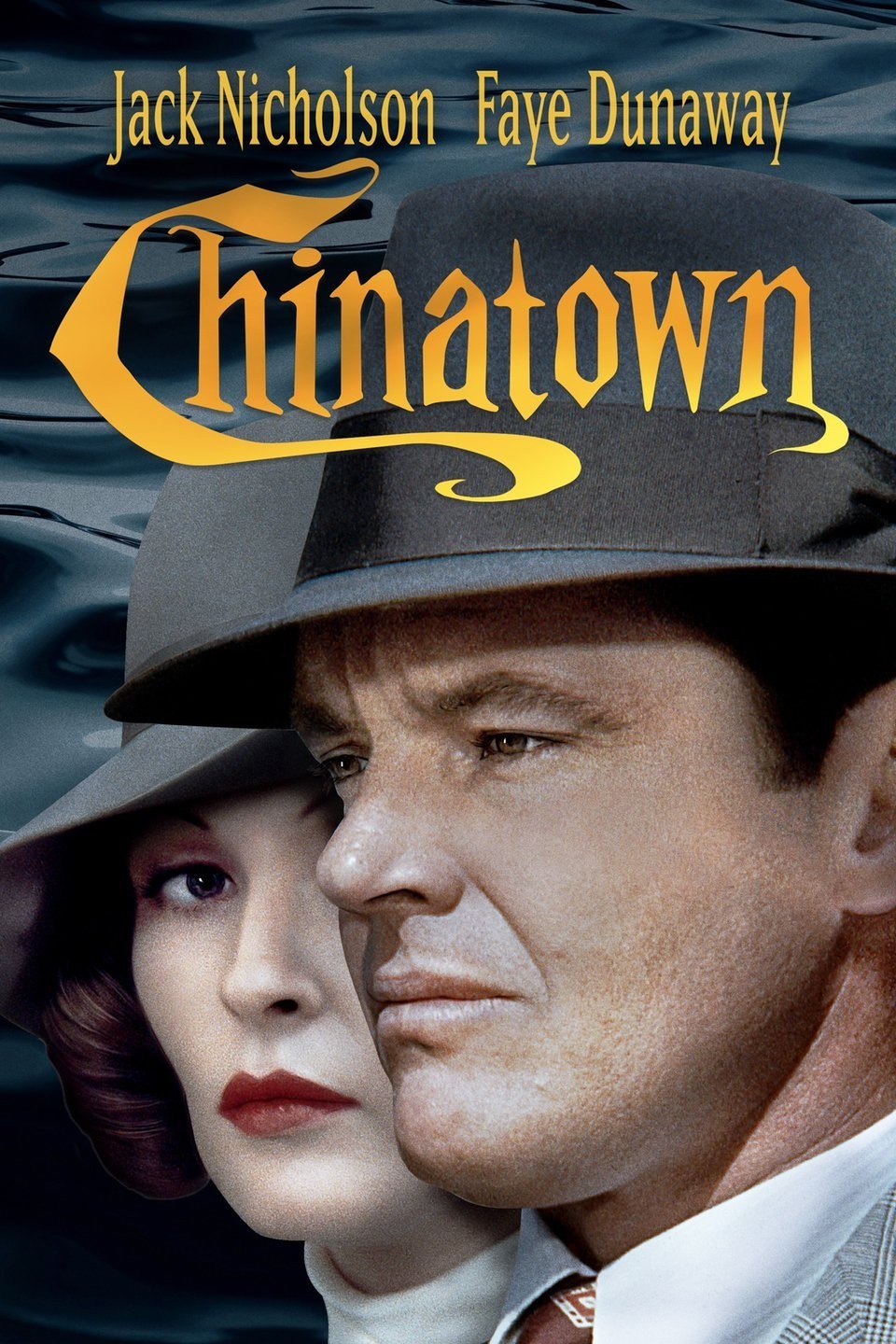
Synopsis- Mrs Mulwray hires Detective Jake, who specializes in matrimonial cases, to spy on her husband, the builder of the city’s water system. He finds himself in a web of deceit when Mr Mulwray dies.
Director- Roman Polanski
Cast- Jack Nicholson, Faye Dunaway, John Huston
Released- 1974
Set in 1937 Los Angeles, Chinatown follows J.J. Gittes (Jack Nicholson), a private investigator drawn into a web of corruption, deceit, and moral ambiguity as he unravels a complex case involving water rights. Although some may see Chinatown as tainted by its controversial director, Roman Polanski, I still believe this film to be a cinematic masterpiece that continues to entertain audiences with its intricate storytelling, brilliant performances, and evocative cinematography.
One of the film’s undeniable strengths lies in its screenplay, written by Robert Towne (Tequila Sunrise, Personal Best). The narrative unfolds with a stupendous blend of mystery and noir elements not seen since the golden age of Hollywood, keeping the audience on the edge of their seats. Towne’s script is a work of art, weaving a tale that is both intellectually engaging and emotionally resonant. The dialogue is sharp and memorable, reflecting the era’s colloquialism and contributing to the film’s authentic atmosphere.
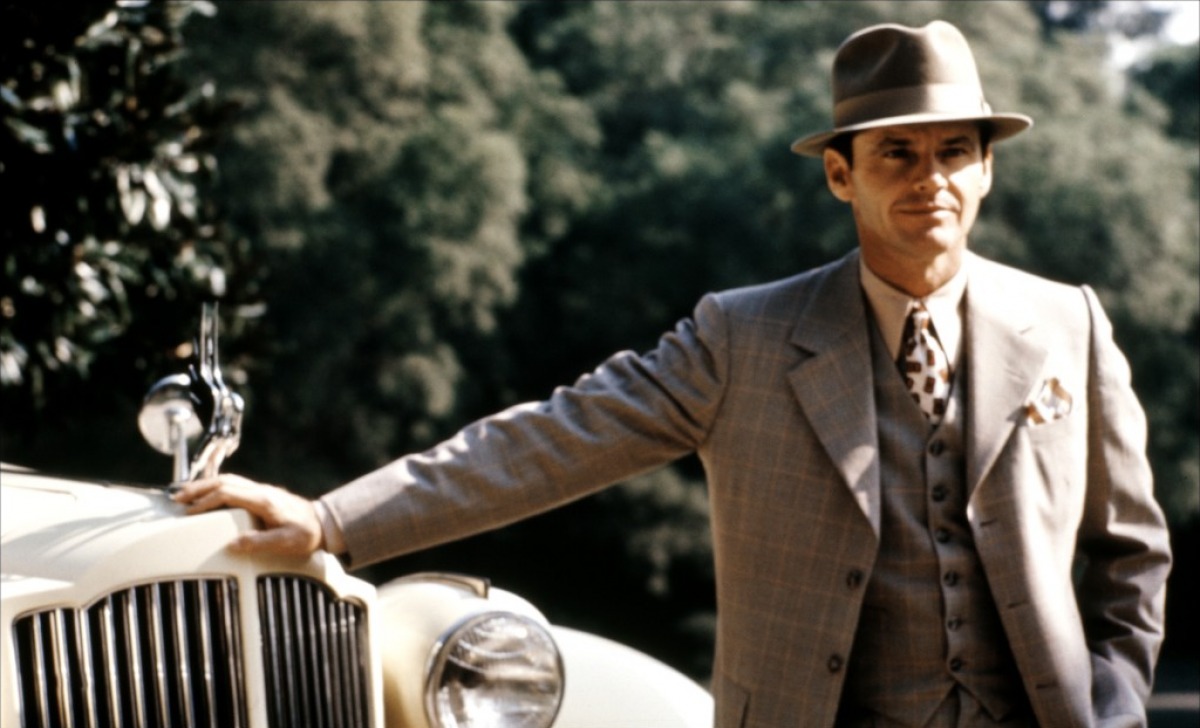
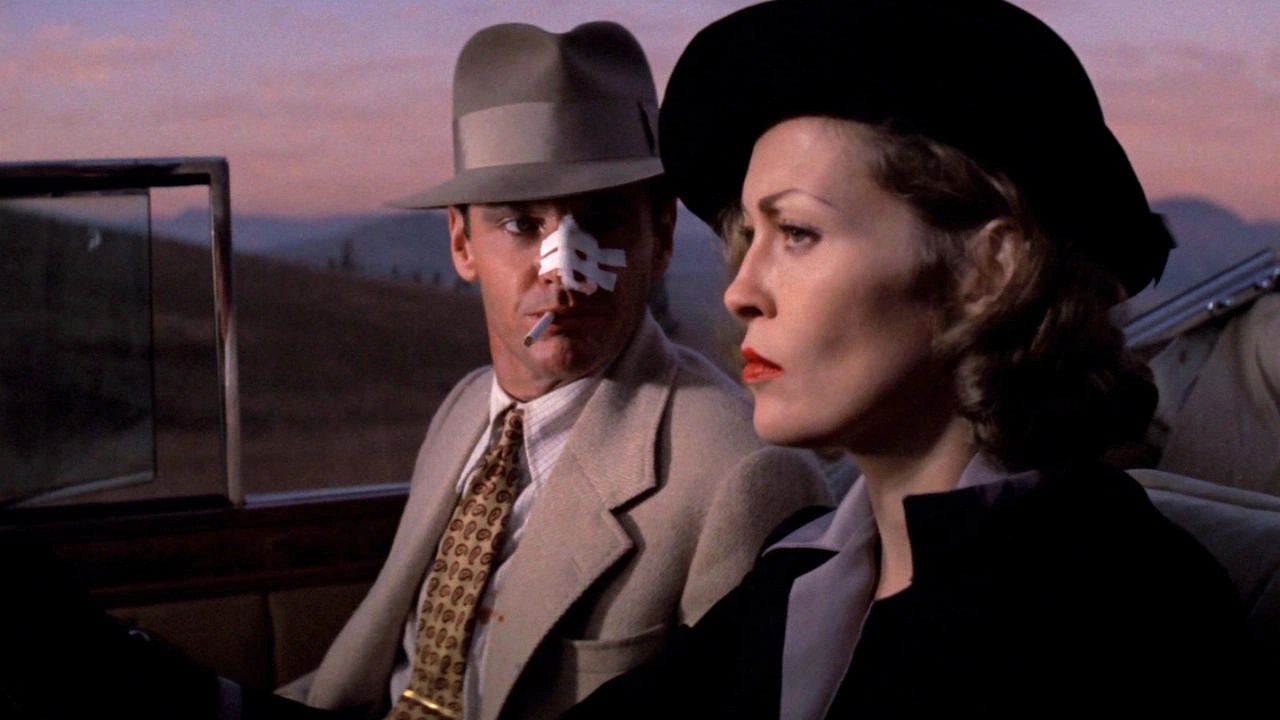
Jack Nicholson delivers a career-defining performance as J.J. Gittes, capturing the essence of a gritty and determined private investigator. Nicholson’s portrayal is layered, showcasing Gittes’ vulnerability and flaws, making him a relatable yet enigmatic protagonist. Faye Dunaway as Evelyn Cross Mulwray is equally compelling, navigating the complexities of her character with grace and depth. The chemistry between Nicholson and Dunaway adds a palpable tension to the film, heightening the emotional stakes.
Polanski’s direction is masterful, with each frame meticulously composed to enhance the film’s atmosphere. The use of noir aesthetics, from the chiaroscuro lighting to the haunting score by Jerry Goldsmith, contributes to the film’s timeless appeal. The cinematography by John A. Alonzo captures the essence of 1930s Los Angeles, immersing the audience in a world of shady dealings and moral decay.
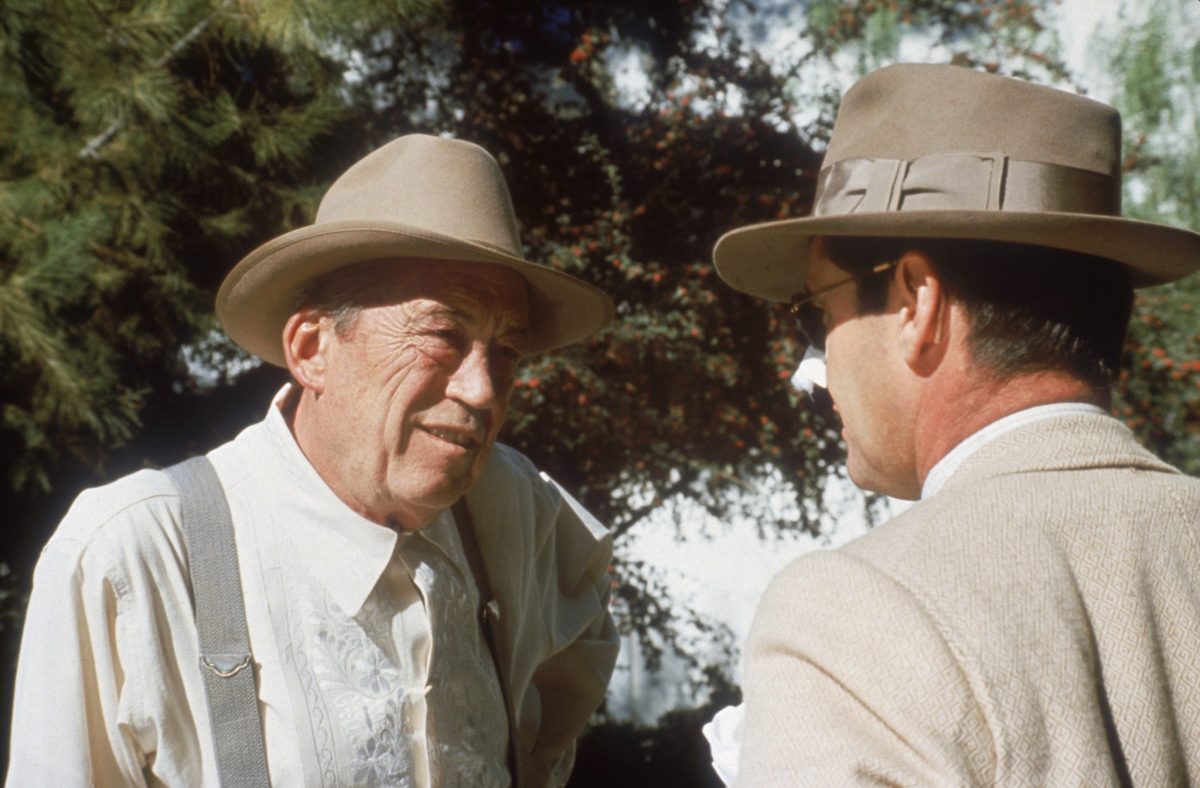
The thematic richness of “Chinatown” is another aspect that elevates it to greatness. At its core, the film explores the corruption of power and the perversion of the American Dream. The intricate plot, centred around water rights, serves as a metaphor for the exploitation and manipulation that permeate society. The film’s title itself becomes a symbol of the hidden truths and obscured realities that Gittes uncovers, mirroring the murky depths of the human soul.
The film’s climax is a gut-wrenching revelation that leaves a lasting impact. The shocking twist not only adds a layer of tragedy but also serves as a powerful commentary on the inevitability of corruption in the pursuit of power. The final scene, with its haunting visual and emotional resonance, lingers in the viewer’s mind long after the credits roll.
While “Chinatown” is undeniably a cinematic triumph, some may argue that its complexity and dark themes might be overwhelming for casual viewers. The intricacies of the plot require active engagement, and the film’s sombre tone may not be everyone’s cup of tea. However, for those who appreciate a thought-provoking narrative and impeccable craftsmanship, “Chinatown” remains a must-watch.
In conclusion, “Chinatown” is a timeless classic that continues to stand the test of time. With its stellar performances, meticulous direction, and profound themes, the film remains a benchmark in the noir genre. “Chinatown” is not just a movie; it’s an immersive experience that leaves an indelible mark on the cinematic landscape. Even decades after its release, it remains a compelling exploration of the dark underbelly of human nature and a testament to the enduring power of storytelling in film.

 Roses Have Thoughts
Leave a comment