
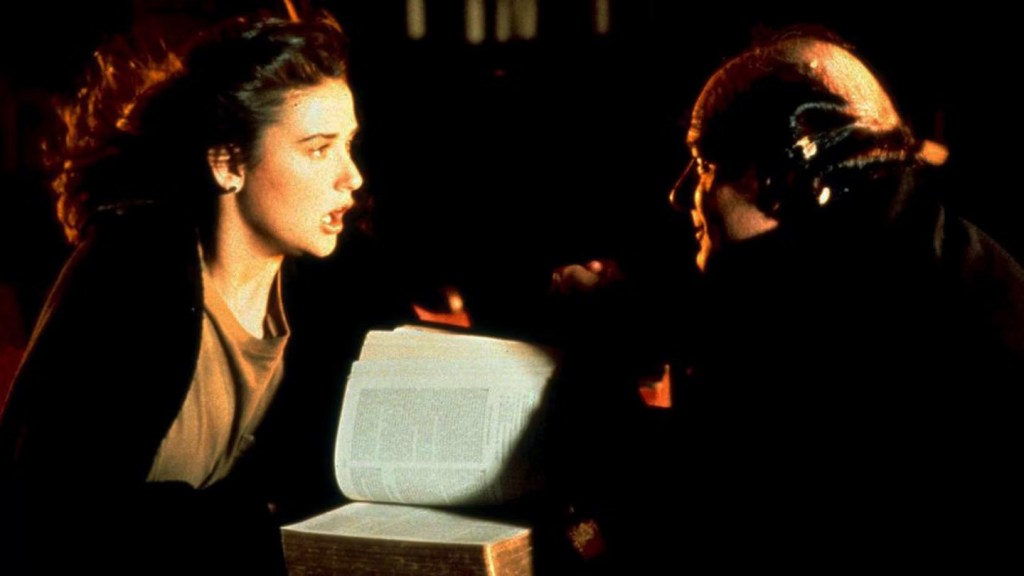

Synopsis- Convinced about the onset of the apocalypse, a pregnant woman fears for the life of her unborn child. However, the Vatican emissary she approaches vehemently opposes her evidence.
Director- Carl Schultz
Cast- Demi Moore, Michael Biehn, Jürgen Prochnow
Released- 1988
In the annals of apocalyptic cinema, “The Seventh Sign” stands as a middling entry, neither wholly captivating nor entirely forgettable. Released in 1988, during the heyday of supernatural thrillers, this Carl Schultz-directed film taps into the millennial anxieties of its era with a blend of religious mysticism and psychological suspense. While boasting a compelling premise and a committed performance from its lead, Demi Moore, the film ultimately falls short of delivering a truly transcendent experience.
Set against the backdrop of impending global catastrophe, “The Seventh Sign” follows Abby Quinn (Demi Moore), a young woman who discovers ominous signs foretelling the end of days. As Abby delves deeper into the mystery surrounding these portents, she finds herself drawn into a battle between good and evil that could determine the fate of humanity itself. Alongside her husband (played by Michael Biehn) and a mysterious stranger (Jürgen Prochnow), Abby must confront her own doubts and fears to fulfil her destiny.
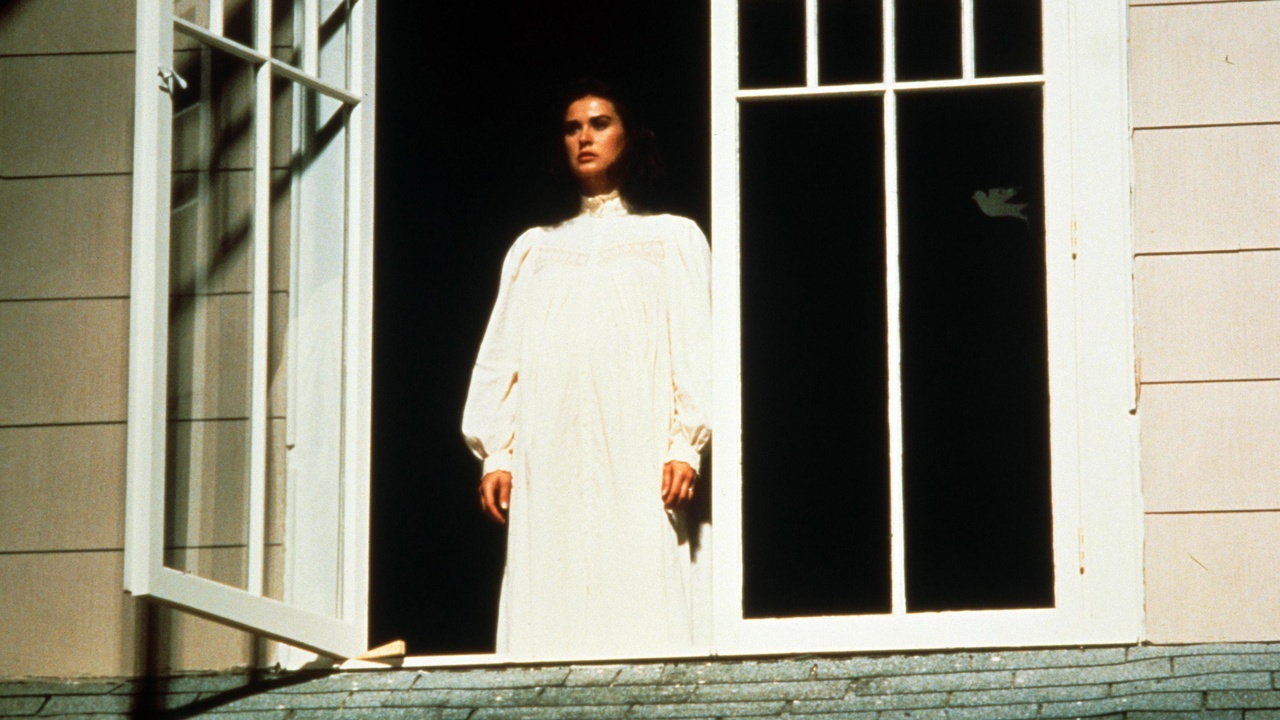
At its core, “The Seventh Sign” is a film driven by atmosphere and tension. Schultz effectively establishes an air of foreboding from the outset, utilizing moody cinematography and a haunting score to immerse viewers in Abby’s world. The film’s religious themes are woven throughout the narrative, with nods to biblical prophecy and theological debates adding depth to the story. Yet, for all its thematic ambition, “The Seventh Sign” often struggles to sustain momentum, relying too heavily on exposition and contrived plot twists to keep the audience engaged.
Demi Moore delivers a committed performance as Abby, imbuing her character with a sense of vulnerability and determination that anchors the film amidst its more fantastical elements. However, the supporting cast is largely underutilized, with talented actors like Michael Biehn and Jürgen Prochnow given little to do beyond serving as plot devices. This lack of character development hampers the film’s emotional impact, leaving viewers feeling disconnected from the fate of its protagonists.

Where “The Seventh Sign” truly falters is in its pacing and narrative coherence. The film’s screenplay, penned by W.W. Wicket and George Kaplan, struggles to balance its various subplots and thematic threads, resulting in a disjointed and uneven narrative. Moments of genuine tension and intrigue are often undercut by clunky dialogue and convenient plot contrivances, robbing the film of its potential impact.
In conclusion, “The Seventh Sign” is a flawed yet moderately entertaining entry into the realm of supernatural thrillers. While it boasts a compelling premise and a committed lead performance from Demi Moore, the film ultimately suffers from pacing issues, narrative inconsistencies, and underdeveloped supporting characters. While it may hold some appeal for fans of apocalyptic cinema or religious-themed thrillers, it falls short of achieving the transcendence it so earnestly strives for.
 Roses Have Thoughts
Leave a comment