


Synopsis- The final candidates for an immensely coveted corporate job are locked together in an examination room. They are provided with a test that is uncomplicated yet puzzling. Their anxiety is palpable.
Director- Stuart Hazeldine
Cast- Luke Mably, Nathalie Cox, Chukwudi Iwuji
Released- 2009
In the provocative realm of psychological thrillers, “Exam” emerges as a formidable contender, probing the depths of human nature within the confines of a single room. Directed by Stuart Hazeldine, this 2009 British indie film presents a gripping narrative that unfolds with meticulous precision, akin to a high-stakes chess match where every move holds existential weight. While it doesn’t quite ascend to the echelons of cinematic mastery, “Exam” remains a riveting exploration of power dynamics and moral ambiguity.
Set in a dystopian future where a prestigious corporation conducts enigmatic hiring processes, the film thrusts eight candidates into a windowless examination room for a job interview unlike any other. What ensues is a tense battle of wits as they grapple with cryptic instructions and unforeseen obstacles, all while navigating interpersonal rivalries and their own inner demons. Hazeldine masterfully orchestrates this claustrophobic microcosm, utilizing tight camerawork and sparse yet effective production design to amplify the palpable sense of confinement and paranoia.
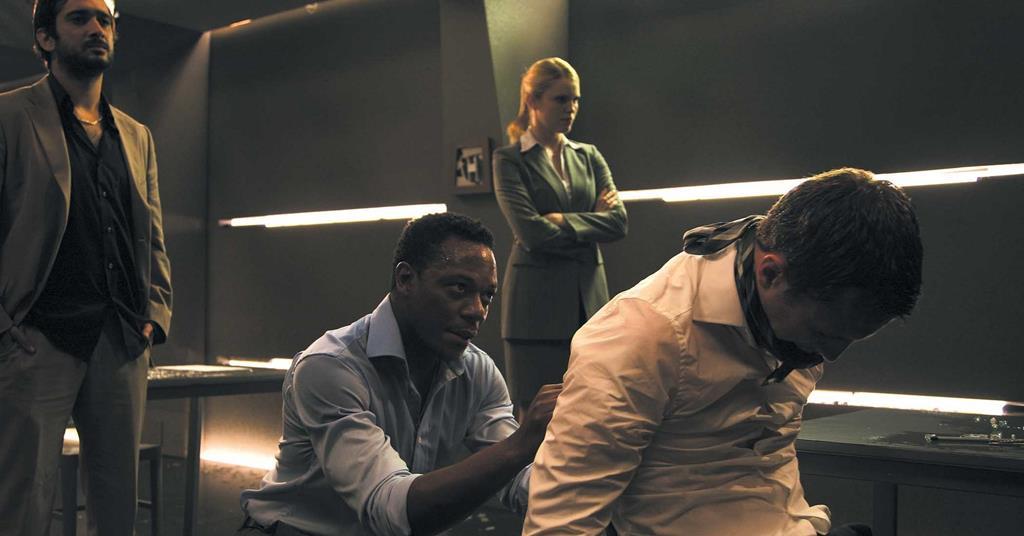
At the heart of “Exam” lies its ensemble cast, each member delivering nuanced performances that breathe life into their archetypal characters. From the authoritative yet enigmatic invigilator played by Colin Salmon to the morally conflicted protagonist portrayed by Luke Mably, the actors infuse their roles with depth and complexity, ensuring that every interaction crackles with tension and subtext. Yet, amidst the stellar ensemble, certain characters feel underdeveloped, relegated to mere plot devices rather than fully realized individuals—a flaw that detracts from the film’s overall impact.
Thematically, “Exam” delves into profound questions surrounding ambition, ethics, and the nature of truth. As the candidates resort to increasingly desperate measures to gain an edge, the film interrogates the lengths to which individuals will go in pursuit of success, exposing the fragility of moral boundaries when confronted with existential stakes. However, while the script tantalizingly explores these themes, it occasionally succumbs to heavy-handed exposition and contrived plot twists, diminishing the subtlety and sophistication of its narrative.

In conclusion, “Exam” stands as a compelling addition to the psychological thriller genre, offering a gripping premise and stellar performances that captivate from start to finish. While it may falter in its execution at times, particularly in its characterization and narrative cohesion, the film nevertheless succeeds in provoking thought and engaging the viewer in a tantalizing game of intellectual brinkmanship. For those seeking a cerebral cinematic experience that lingers long after the credits roll, “Exam” proves itself a worthy contender, if not quite a flawless one.
 Roses Have Thoughts
Leave a comment