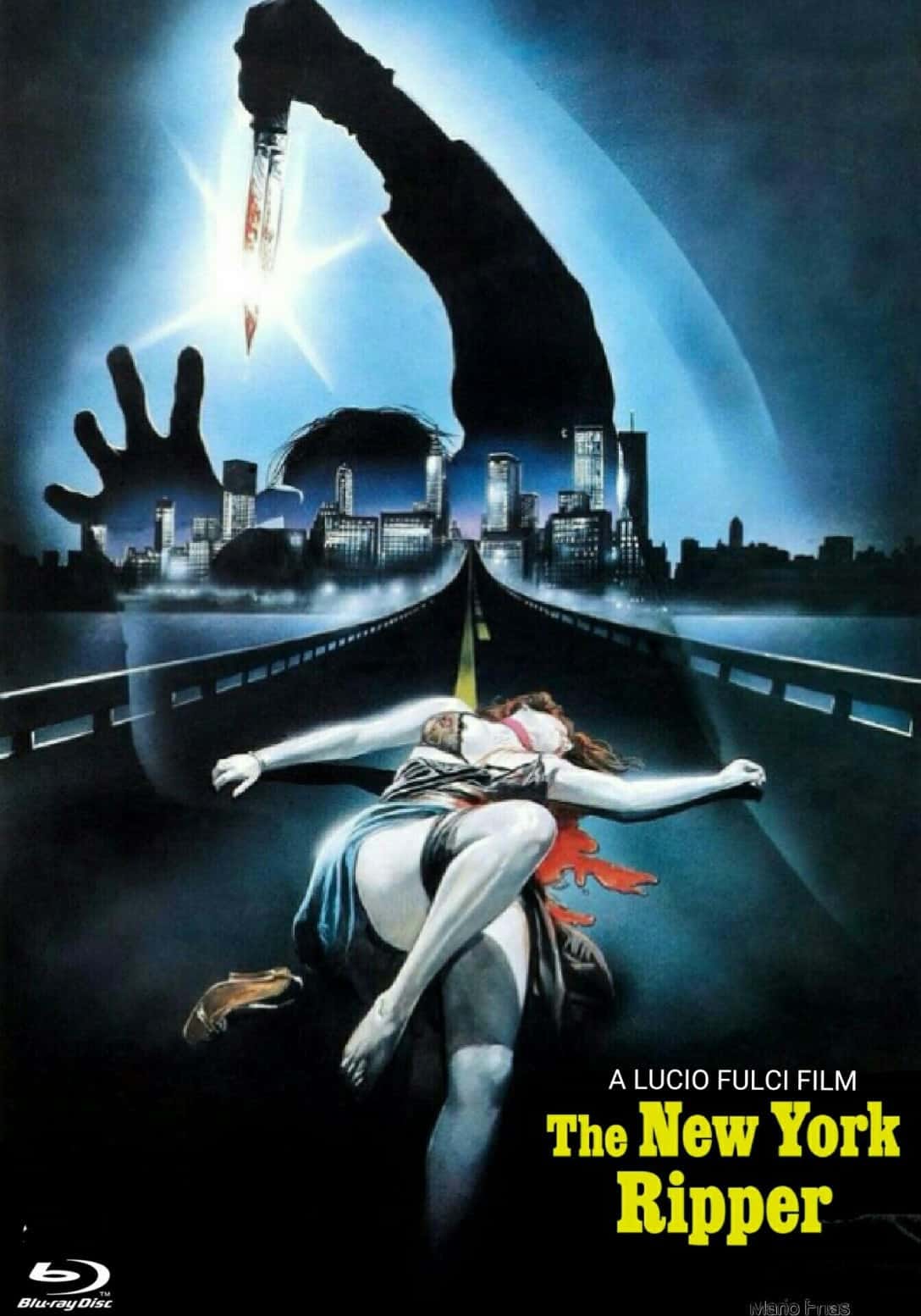
Synopsis- A burned-out New York police detective teams up with a college psychoanalyst to track down a vicious serial killer randomly stalking and killing various young women around the city.
Director – Lucio Fulci
Cast – Jack Hedley, Paolo Malco, Howard Ross
Released – 1982
Lucio Fulci’s “The New York Ripper” stands as a controversial, blood-soaked entry in the annals of giallo cinema. This 1982 film, often maligned for its brutal content and infamous quacking killer, deserves a more nuanced appreciation. Despite its polarizing reception, “The New York Ripper” is a meticulously constructed piece that pushes the boundaries of horror and thriller genres with a blend of grotesque artistry and gritty realism.
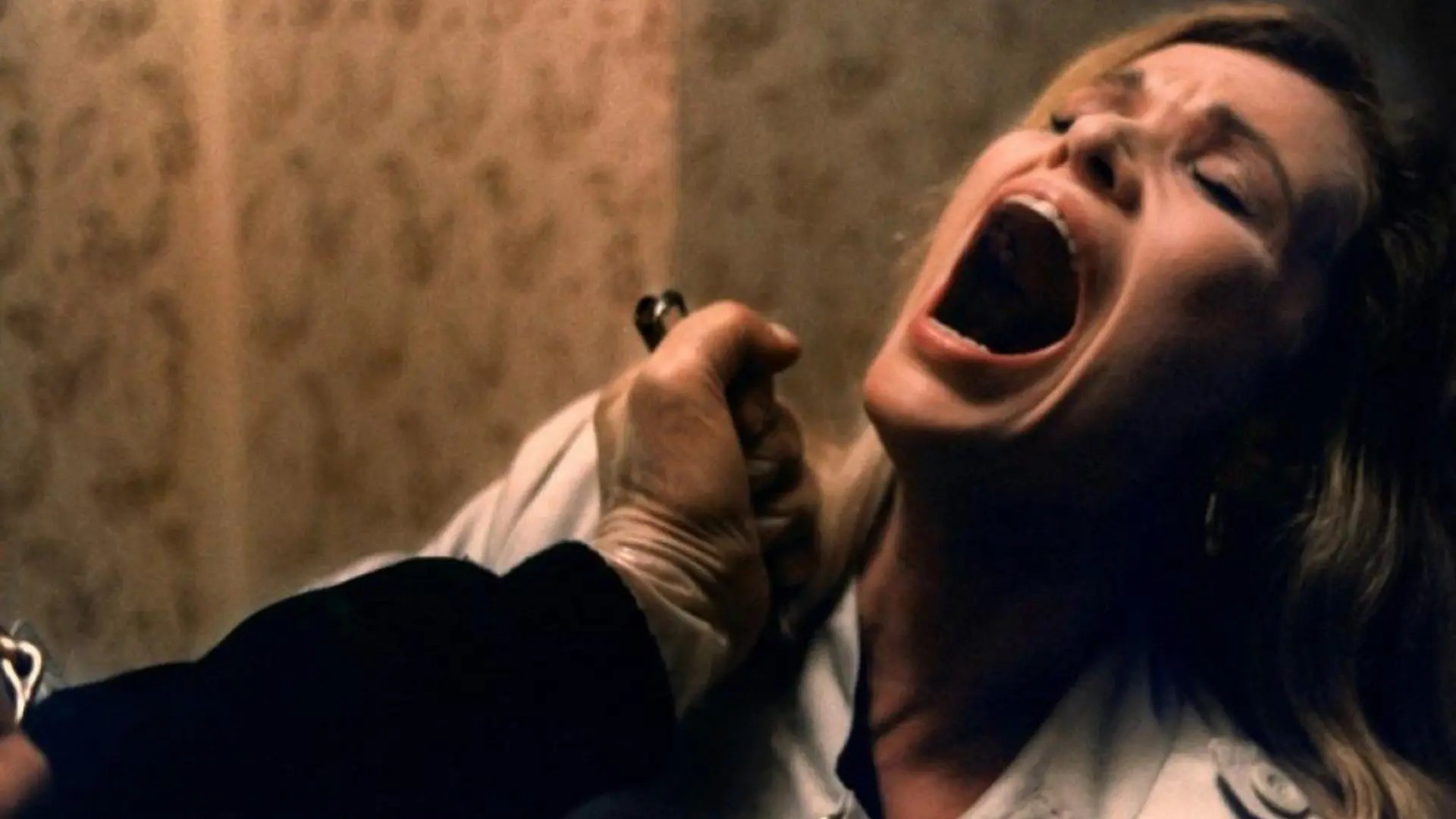
Set against the grimy backdrop of early 80s New York City, the film follows Lieutenant Fred Williams (Jack Hedley) as he investigates a string of gruesome murders committed by a sadistic killer who taunts the police with Donald Duck-like quacking. From the opening sequence, Fulci establishes a disturbing atmosphere, contrasting the city’s vibrant facade with the darkness lurking within. The film’s aesthetic captures the era’s urban decay, creating a palpable sense of dread that permeates every frame.
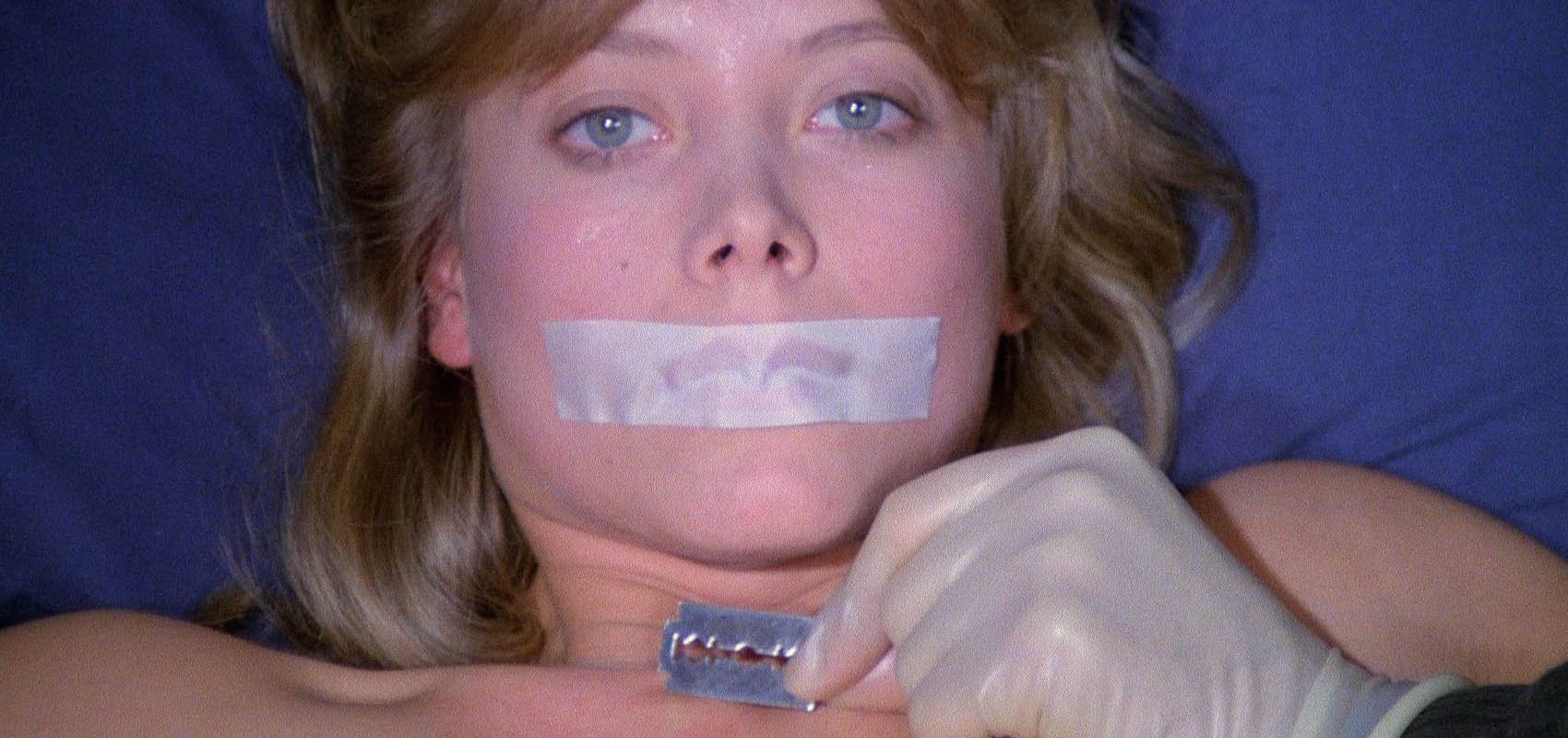
Fulci, known for his unflinching approach to violence, doesn’t shy away from graphic depictions of the killer’s brutality. The gore, while certainly not for the faint-hearted, is executed with a kind of nightmarish elegance. The special effects, particularly the practical gore effects, are shockingly realistic, showcasing Fulci’s commitment to crafting visceral horror. Yet, beneath the blood and shock, there is a method to the madness. The film’s narrative structure and visual style bear the hallmarks of classic giallo – the meticulous framing, the vibrant yet ominous use of colour, and the labyrinthine plot that keeps viewers guessing until the final, chilling reveal.
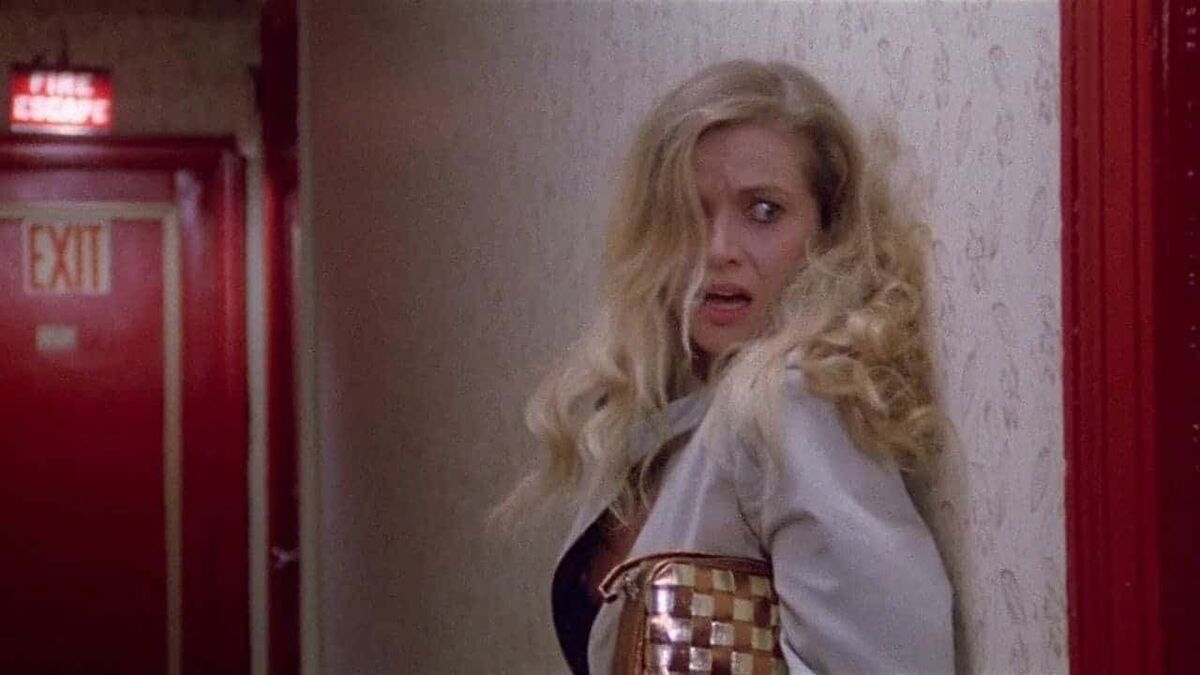
Jack Hedley’s portrayal of the weary and morally complex detective Williams anchors the film. His performance is both rugged and nuanced, embodying a man who is as haunted by his own demons as he is determined to catch the killer. The supporting cast, particularly Almanta Suska as Fay Majors and Paolo Malco as Dr Lodge, deliver commendable performances that add depth to the twisted narrative. However, it is the portrayal of the killer that leaves an indelible mark. The incongruous quacking might initially seem absurd, but it gradually takes on a sinister dimension, adding a layer of psychological horror that lingers long after the credits roll.
“The New York Ripper” is more than a simple slasher film; it’s a dark commentary on urban alienation and the dehumanizing effects of violence. Fulci’s direction, paired with Sergio Salvati’s gritty cinematography, creates a world where horror lurks in every shadow, and trust is a rare commodity. The city itself becomes a character – its seedy underbelly is exposed in stark, unflinching detail.
The score by Francesco De Masi complements the film’s unsettling tone, oscillating between haunting melodies and jarring, discordant notes that heighten the sense of unease. The music, much like the film, is a blend of beauty and terror, reflecting the duality that lies at the heart of Fulci’s vision.
In conclusion, “The New York Ripper” is a film that demands to be seen and appreciated within the context of its genre. It’s a brutal, unrelenting experience, but one that is crafted with undeniable skill and a perverse kind of artistry. Fulci’s willingness to push the boundaries of taste and decency results in a film that is as intellectually stimulating as it is viscerally shocking. For fans of giallo and horror, “The New York Ripper” is a must-see, earning a well-deserved 4.5 stars. It stands as a testament to Fulci’s prowess in weaving horror and mystery into a disturbingly compelling narrative.


Leave a Reply