
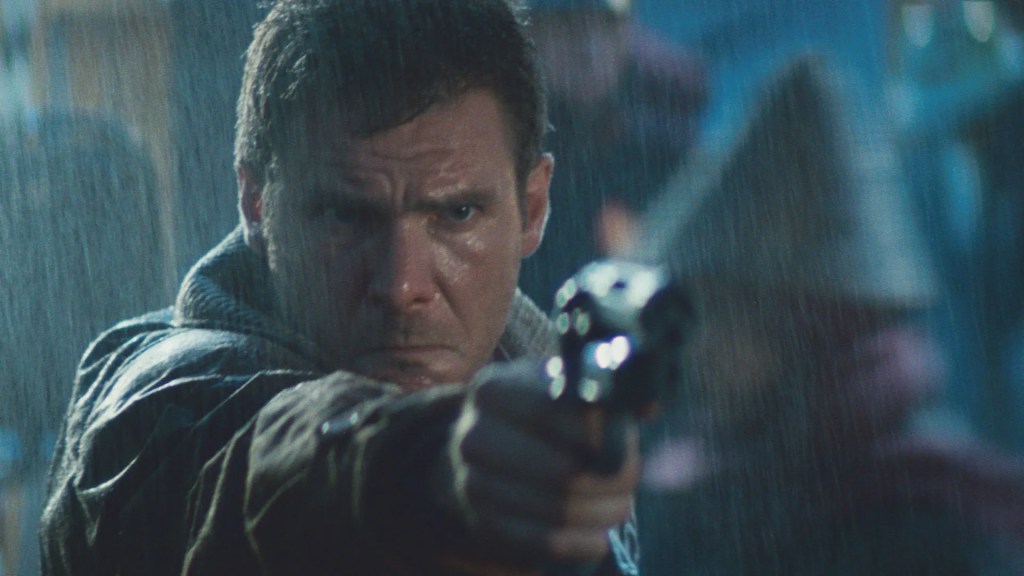
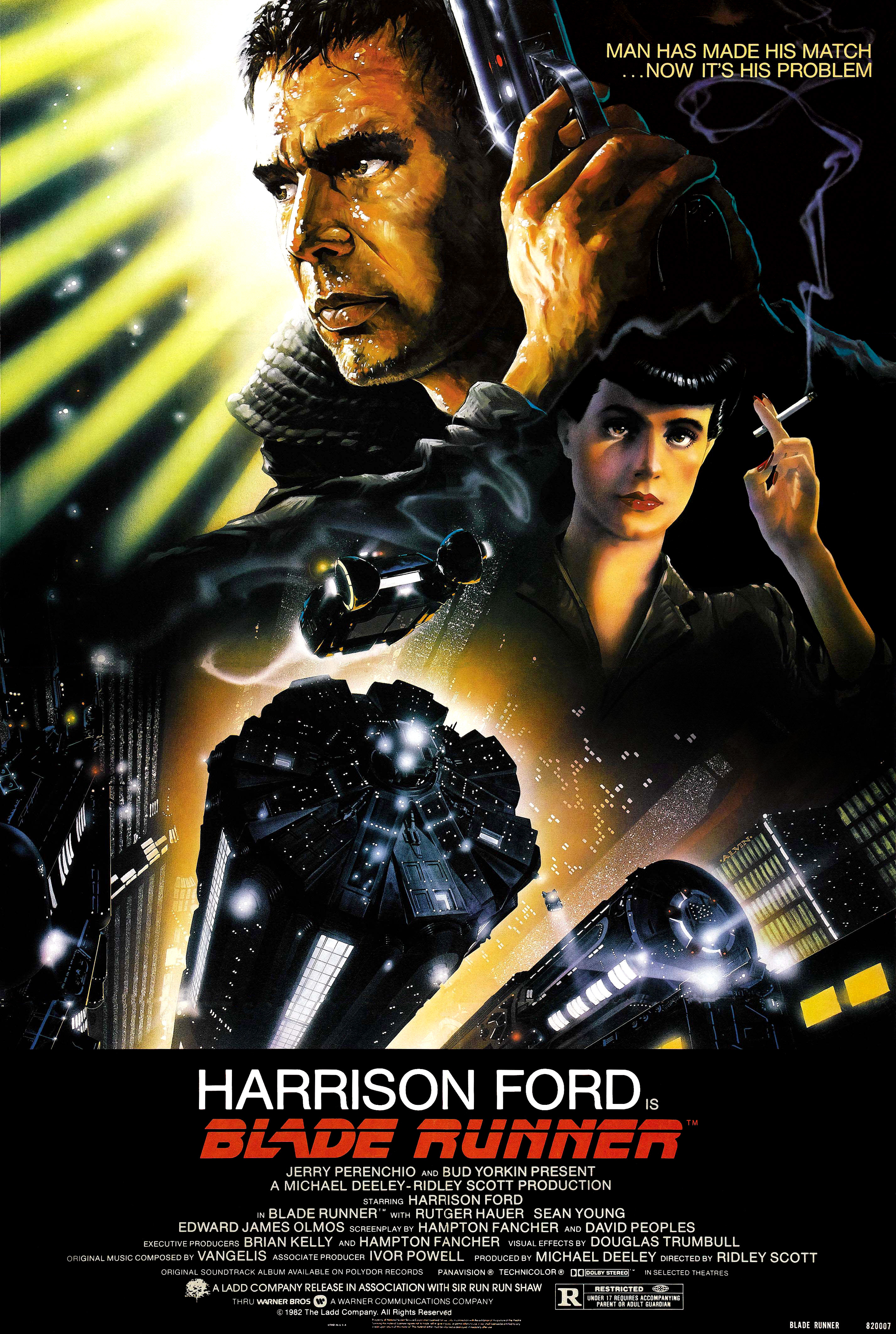
Synopsis- Rick Deckard, an ex-policeman, becomes a special agent with a mission to exterminate a group of violent androids. As he starts getting deeper into his mission, he questions his own identity
Director- Ridley Scott
Cast- Harrison Ford, Rutger Hauer, Sean Young
Genre- Science Fiction | Crime | Action
Released- 1982
Ridley Scott’s “Blade Runner” is an enduring masterpiece, a film that has weathered the sands of time to stand tall as a monolith of the science fiction genre. Released in 1982, this film is a hauntingly beautiful dystopian vision, teeming with philosophical depth and visual splendour. It’s a film that’s not just watched but experienced, like stepping into a lucid dream that lingers long after waking.
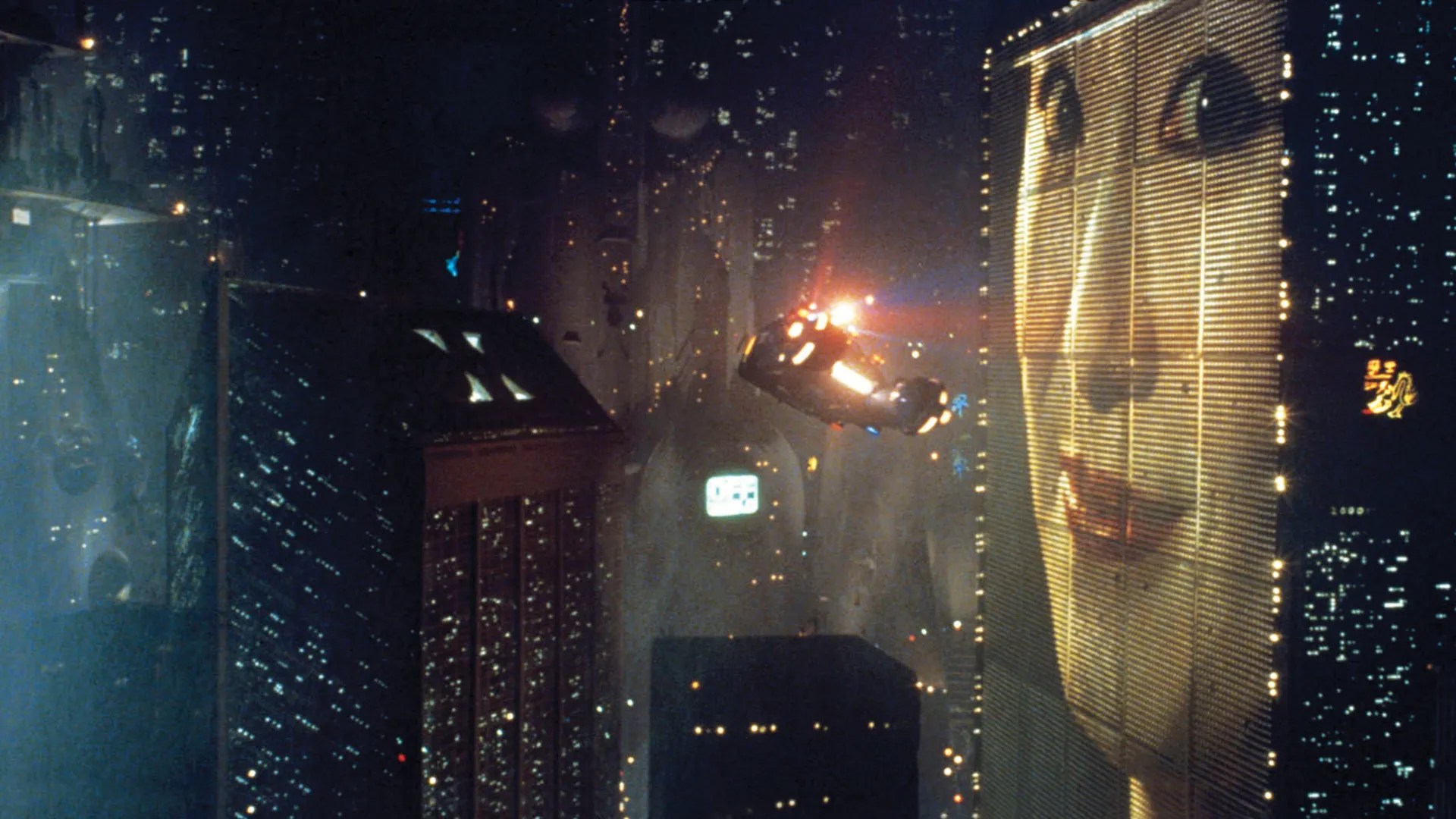
Set in the rain-soaked, neon-lit landscape of a future Los Angeles, “Blade Runner” is a film noir masquerading as a sci-fi epic. Harrison Ford stars as Rick Deckard, a weary ex-cop reluctantly pulled back into duty to hunt down rogue replicants—synthetic humans who have escaped from off-world colonies. These replicants, led by the enigmatic Roy Batty (Rutger Hauer), are seeking to extend their preordained, painfully short lifespans.
Scott’s direction is nothing short of visionary. He conjures a future that feels both meticulously crafted and lived-in, a world where the detritus of consumer culture and technological advancement coalesce into a sprawling urban nightmare. The film’s production design, overseen by Lawrence G. Paull, and the cinematography by Jordan Cronenweth, are exceptional. Every frame is drenched in atmosphere, from the oppressive gloom of the city’s underbelly to the stark, sterile interiors of the Tyrell Corporation.

Vangelis’ iconic score is the heartbeat of the film, a symphony of synths that imbues the narrative with a melancholic beauty. The music pulses with the same existential dread and longing that permeates the characters’ lives, enhancing the film’s meditative quality.
Harrison Ford delivers one of his finest performances as Deckard. He is a man torn between duty and a burgeoning empathy for the very beings he is tasked with destroying. His portrayal is nuanced, capturing the weariness of a man who has seen too much, yet remains deeply human. Rutger Hauer, as Roy Batty, is unforgettable. His performance is a potent mix of ferocity and fragility, culminating in the iconic “Tears in Rain” monologue—a moment of pure cinematic poetry that epitomizes the film’s exploration of what it means to be human.
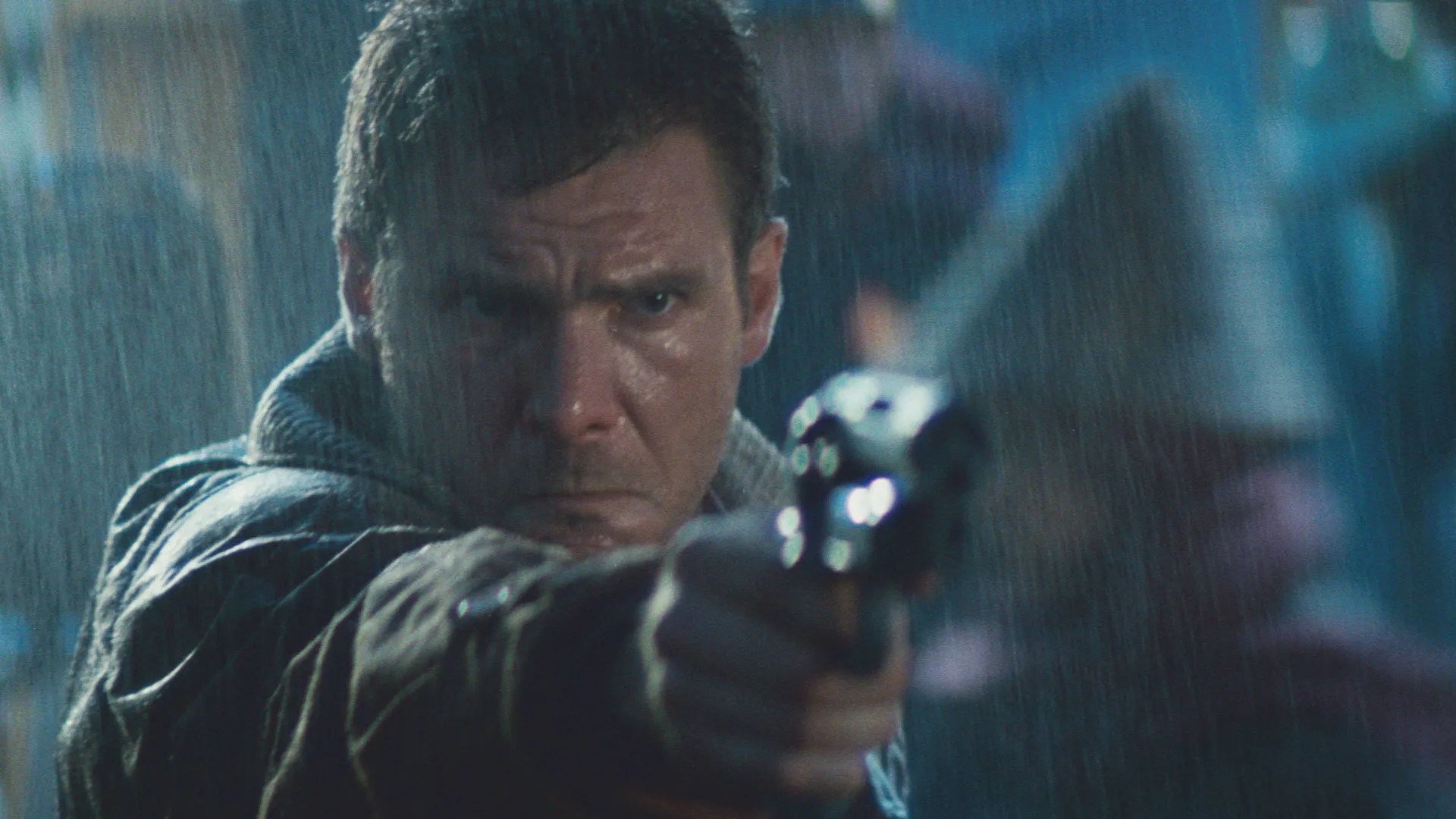
“Blade Runner” is rich with philosophical musings. It grapples with questions of identity, mortality, and the nature of humanity, inviting viewers to ponder their own existence. The film’s ambiguity, particularly concerning Deckard’s own humanity, adds layers of complexity and keeps audiences returning for repeated viewings, each revealing new insights.
In conclusion, “Blade Runner” is a near-perfect film, a visionary work that transcends the confines of its genre to explore universal themes. It’s a film that marries stunning visuals with profound storytelling, creating an experience that is as thought-provoking as it is visually captivating. Ridley Scott’s magnum opus remains a benchmark for science fiction cinema, a testament to the power of film to evoke wonder, reflection, and timeless beauty.

 Roses Have Thoughts
Leave a comment