
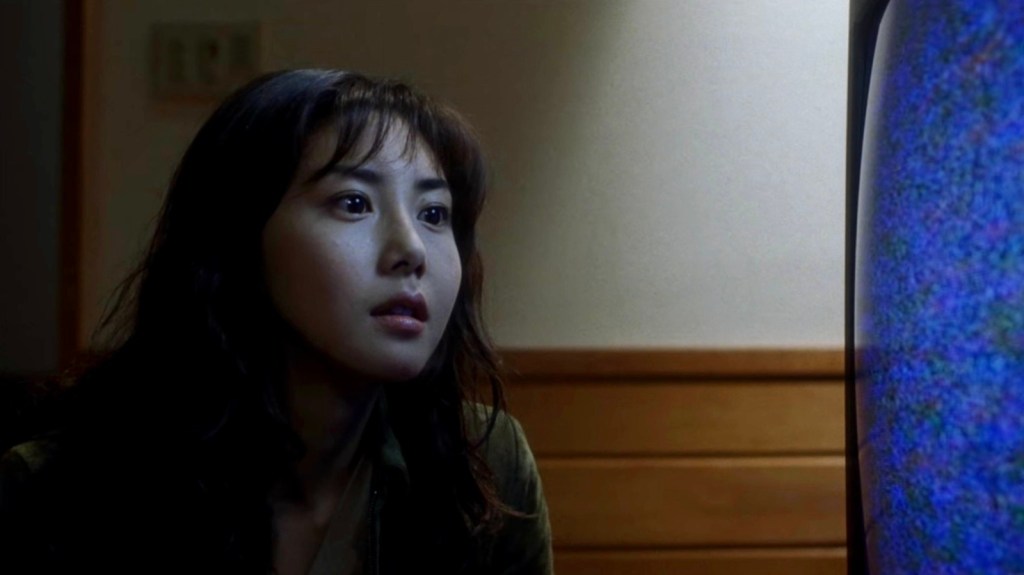
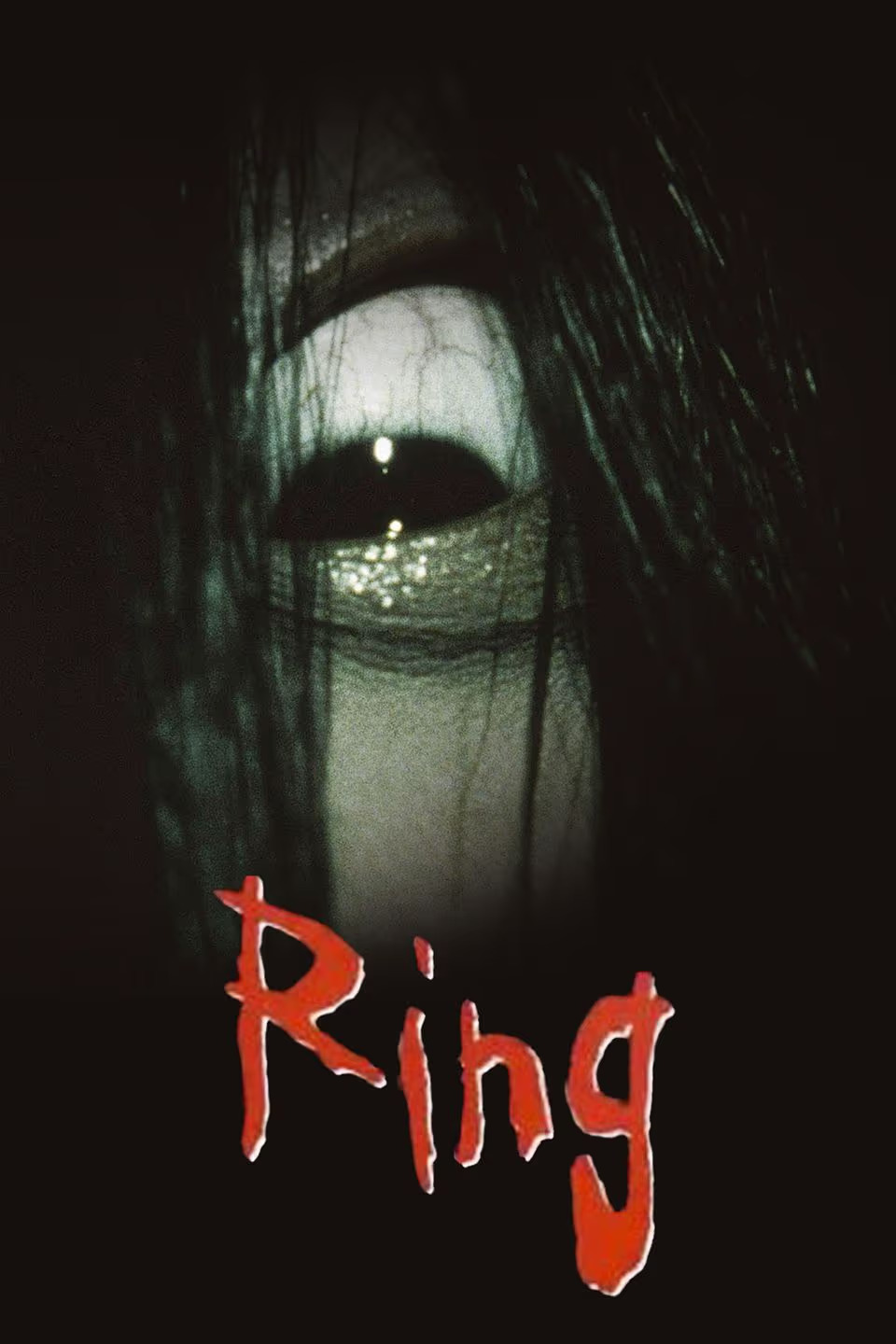
Synopsis- A woman and her ex-husband investigate a series of teen deaths caused by a mysterious videotape. Their investigation takes an ugly turn when their own son becomes a victim.
Director- Hideo Nakata
Cast- Nanako Matsushima, Hiroyuki Sanada, Rie Ino’o
Released- 1998
Few films in the horror genre manage to etch themselves into the psyche quite like Hideo Nakata’s 1998 masterpiece, “Ring” (or “Ringu” in its native Japanese). This chilling adaptation of Koji Suzuki’s novel reinvigorates the supernatural horror landscape with a potent blend of psychological terror, atmospheric tension, and a story that lingers long after the credits roll. It is, without a doubt, a 5 out of 5 tour de force that reshaped the genre and introduced the world to the haunting spectre of Sadako Yamamura.
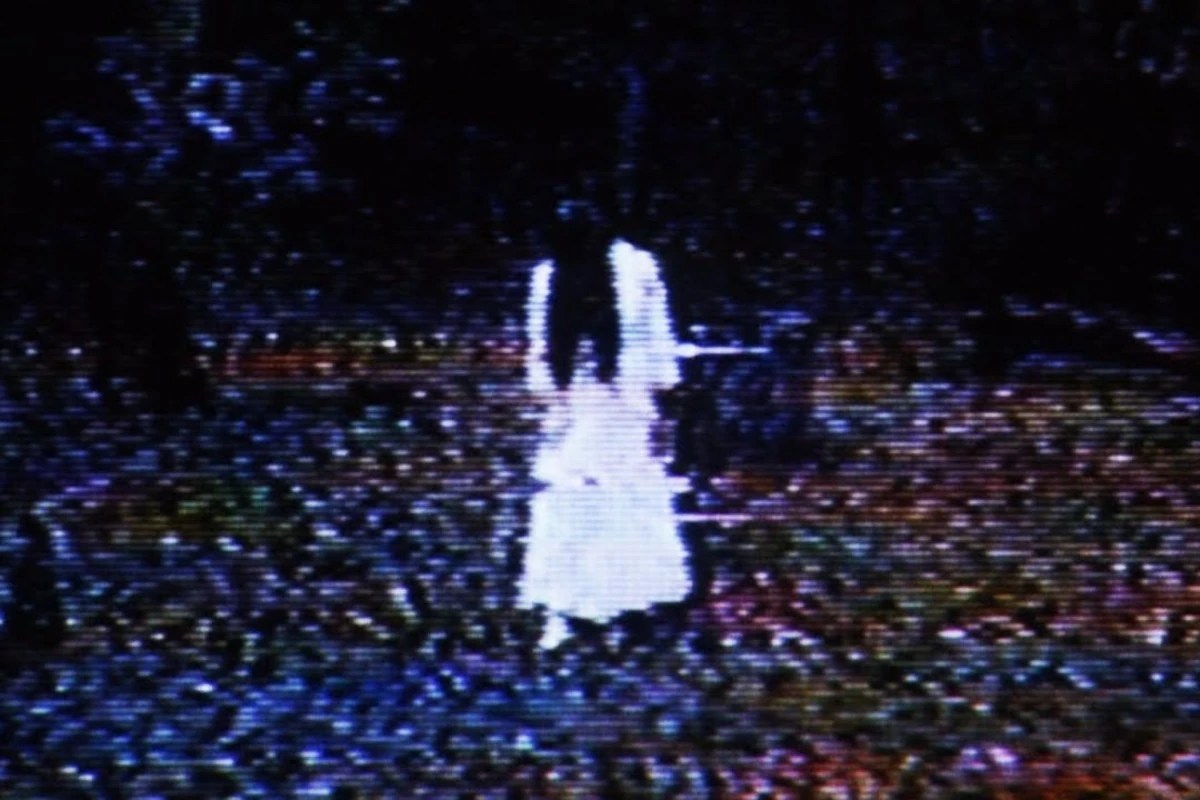
“Ring” follows the tale of journalist Reiko Asakawa (played with stoic resolve by Nanako Matsushima) as she investigates a mysterious videotape said to kill its viewers seven days after watching it. What begins as an urban legend swiftly transforms into a deadly reality, with Reiko racing against time to unravel the tape’s origins and save her young son. This premise, at once deceptively simple and profoundly terrifying, serves as the backbone for a narrative that expertly weaves suspense and dread.
Nakata’s direction is nothing short of masterful, employing a slow-burn approach that allows tension to build incrementally. He crafts an atmosphere thick with unease, utilizing minimalist sound design, stark cinematography, and a haunting score by Kenji Kawai to create a pervasive sense of dread. Each frame is meticulously composed, turning everyday settings into stages for impending horror. This is a horror that respects its audience, eschewing cheap scares for a deeper, more insidious terror.
Nanako Matsushima’s portrayal of Reiko is central to the film’s success. She brings a grounded, human vulnerability to her character, making her journey all the more compelling. The fear and desperation she conveys are palpable, drawing viewers into her plight and heightening the emotional stakes. Her interactions with Hiroyuki Sanada, who plays her ex-husband Ryuji, add further depth, their fractured relationship mirroring the unravelling mystery of the tape.
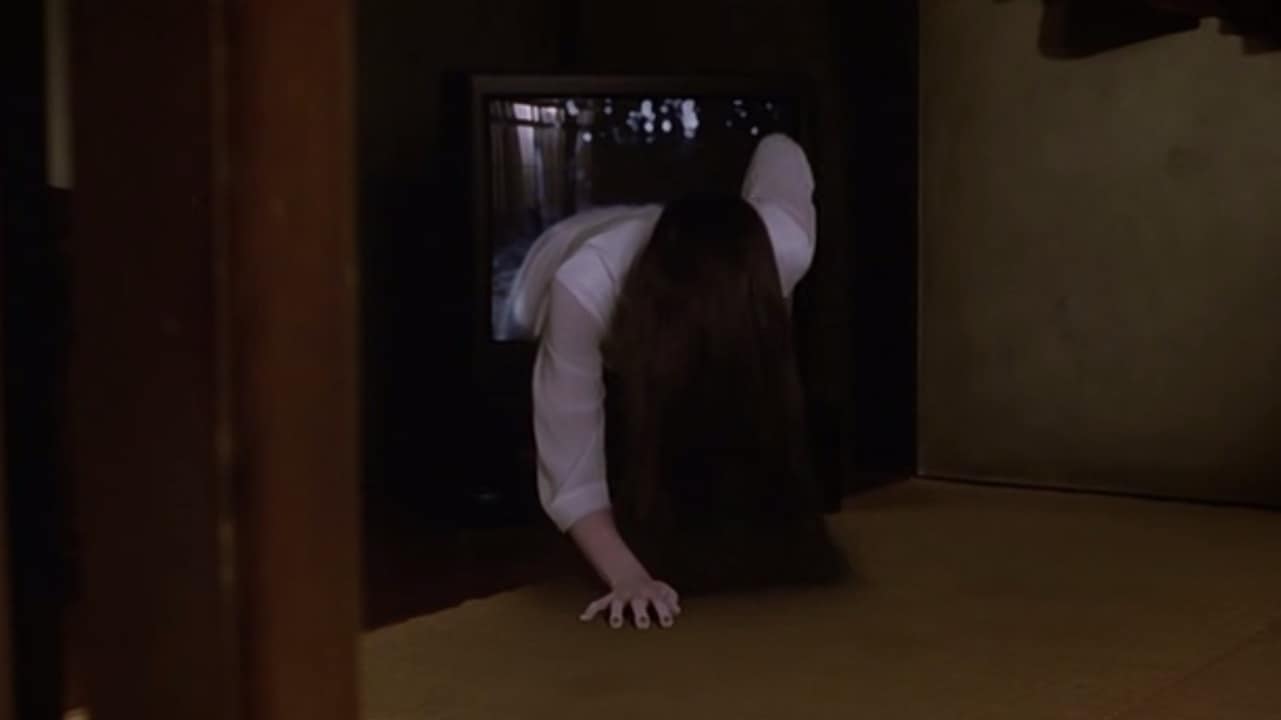
But it is Sadako, the malevolent force at the heart of the story, who truly cements “Ring” as an iconic horror film. Her appearance, with long black hair obscuring her face and her eerie, unnatural movements, has become emblematic of a new era of horror. The climactic reveal of Sadako’s horrific visage and her emergence from the television screen is a scene so indelibly frightening that it remains etched in the memory of anyone who has witnessed it.
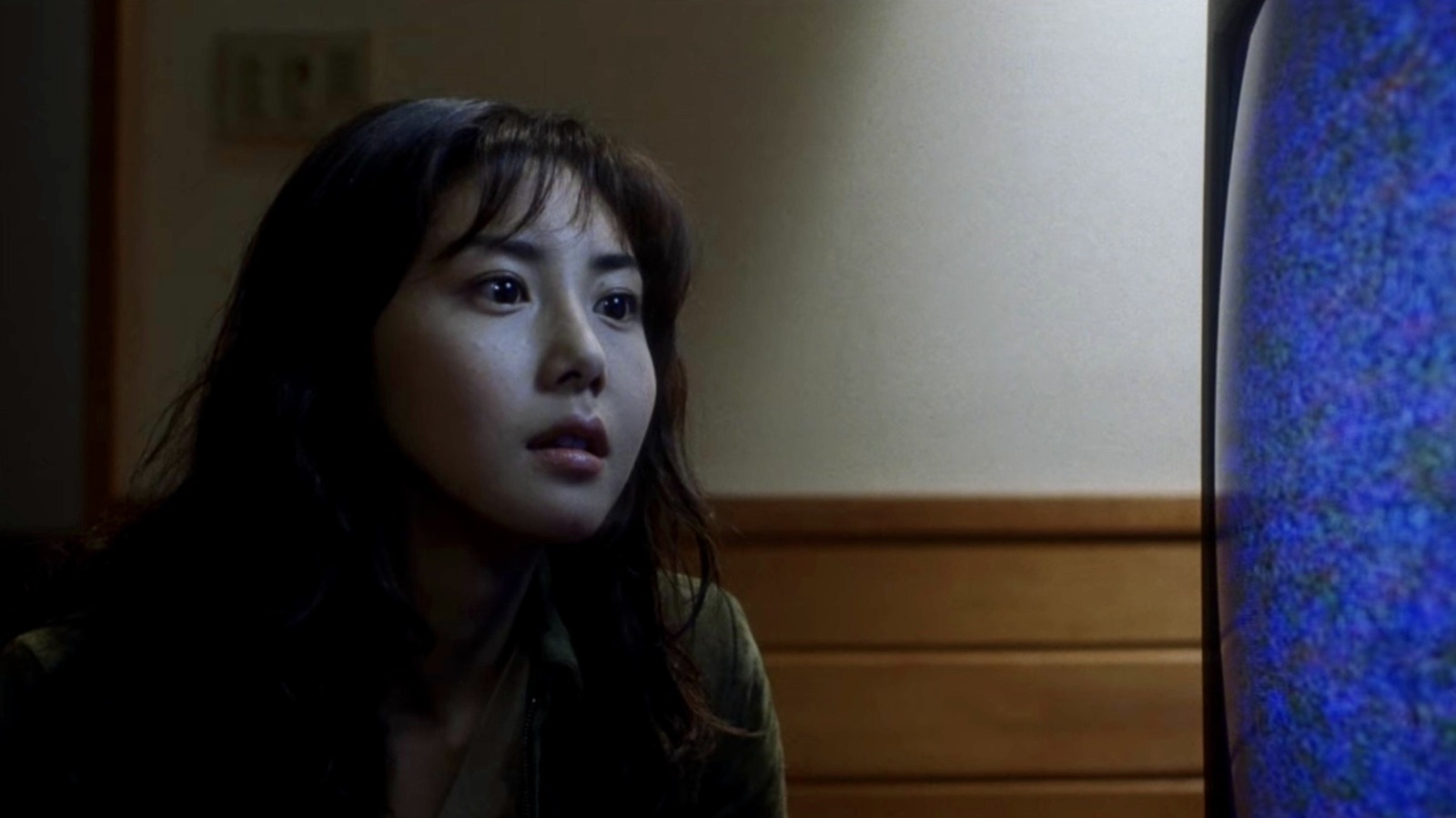
“Ring” is not just a film; it is an experience, a cultural phenomenon that has spawned countless remakes, sequels, and imitations. Its influence extends far beyond the confines of the horror genre, affecting how we perceive fear itself. Hideo Nakata’s brilliant execution, combined with a gripping story and unforgettable performances, ensures that “Ring” remains a timeless classic. It’s a film that doesn’t merely scare—it deeply unsettles, lodging itself in the dark recesses of the mind. For anyone who appreciates the art of horror, “Ring” is an essential viewing experience, deserving of every accolade it receives.

 Roses Have Thoughts
Leave a comment