
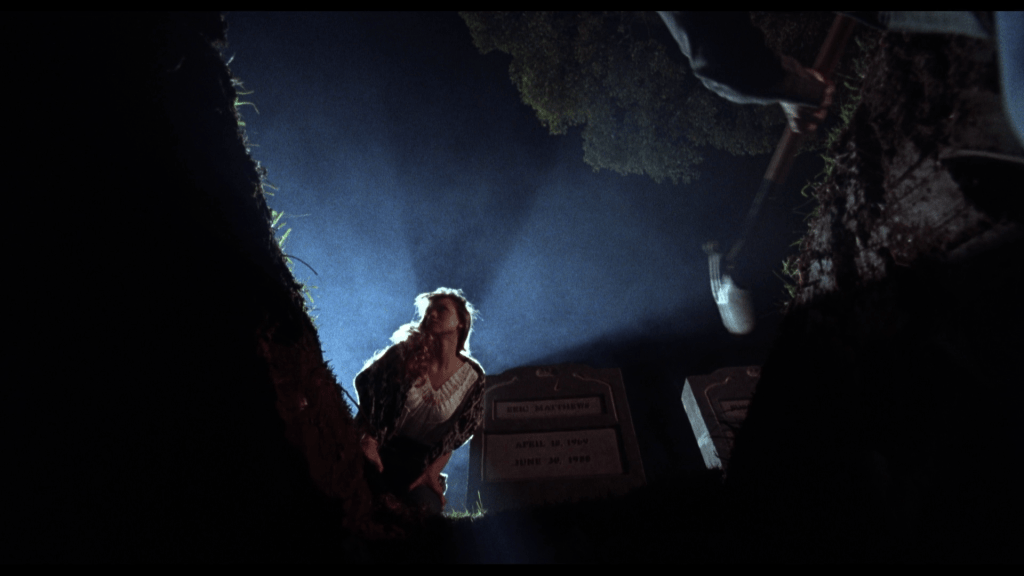
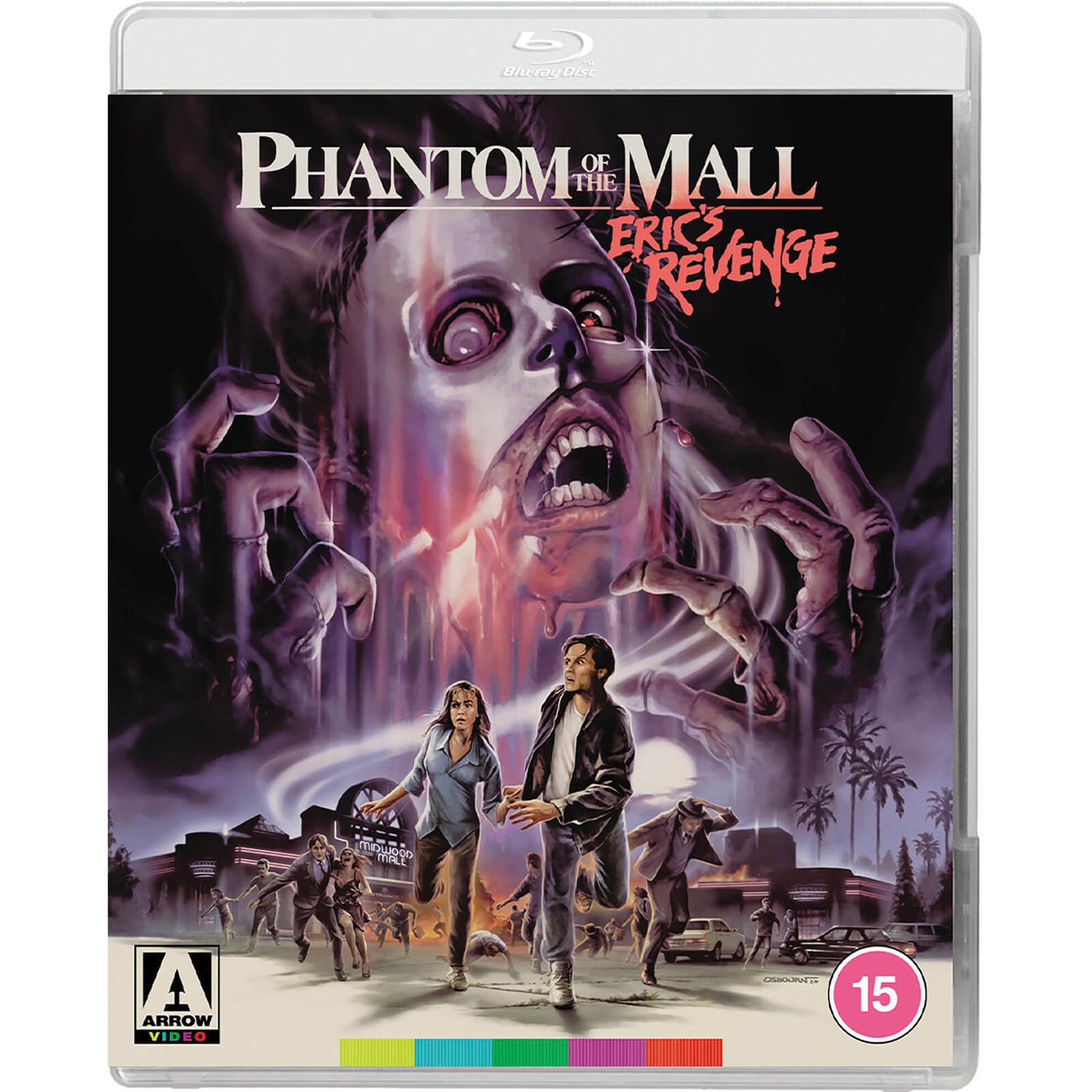
Synopsis- A masked killer stalks a waitress in a shopping mall just opened by a California mayor
Director- Richard Friedman
Cast- Derek Rydall, Pauly Shore, Kimber Sissons
Released- 1989
“Phantom of the Mall: Eric’s Revenge,” directed by Richard Friedman, is a curious relic of the late 80s, marrying the era’s affection for malls with the timeless allure of revenge-driven horror. It’s a film that flirts with potential brilliance but ultimately settles for comfortable mediocrity, a blend of camp and terror that’s both its charm and its downfall.
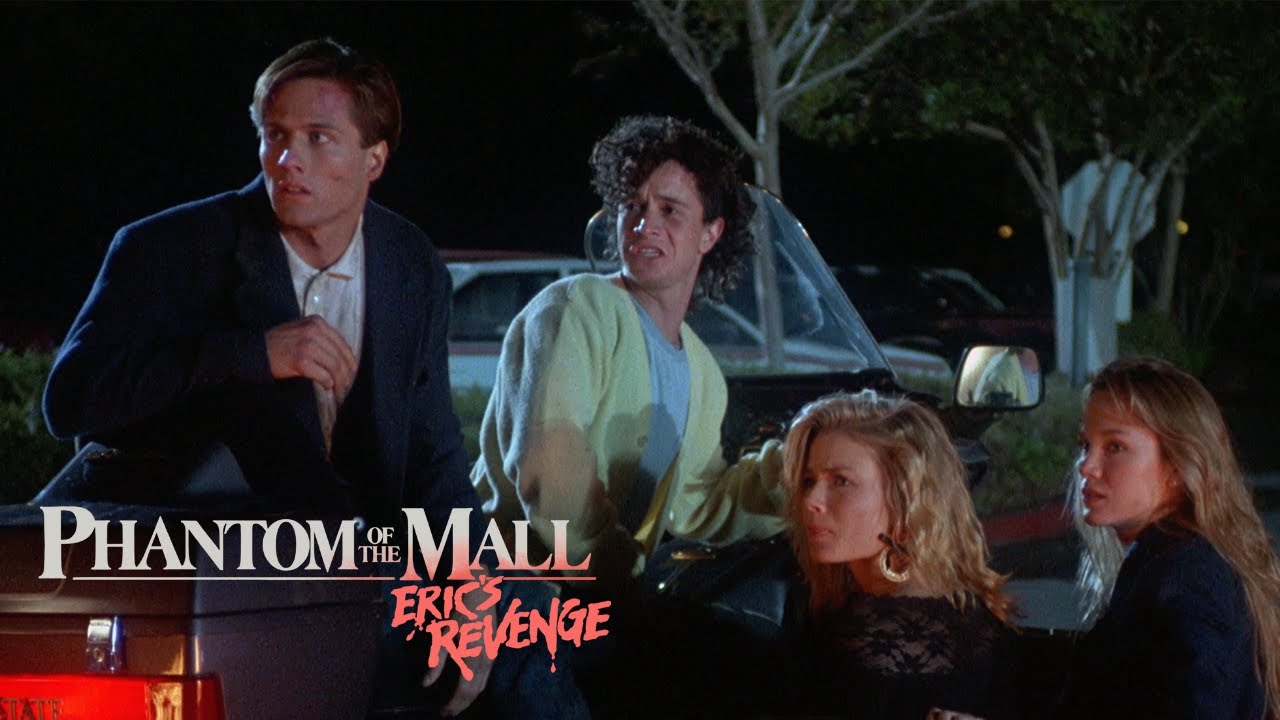
Set in a generic suburban mall, the plot follows the vengeful quest of Eric Matthews (Derek Rydall), presumed dead after a fire but very much alive and lurking within the mall’s labyrinthine corridors. His mission is to sabotage the grand opening and avenge his apparent death, spurred by the betrayal and greed that led to his disfigurement.
The film’s setting is its most significant asset. The 1980s mall, with its neon lights, bustling food courts, and labyrinthine stores, serves as a vibrant, almost nostalgic backdrop. It’s a microcosm of consumer culture, and Friedman uses it effectively to create a sense of claustrophobia and entrapment. There’s an inherent eeriness in the mall’s after-hours emptiness, and the film capitalizes on this with a series of well-staged, if predictable, set pieces.
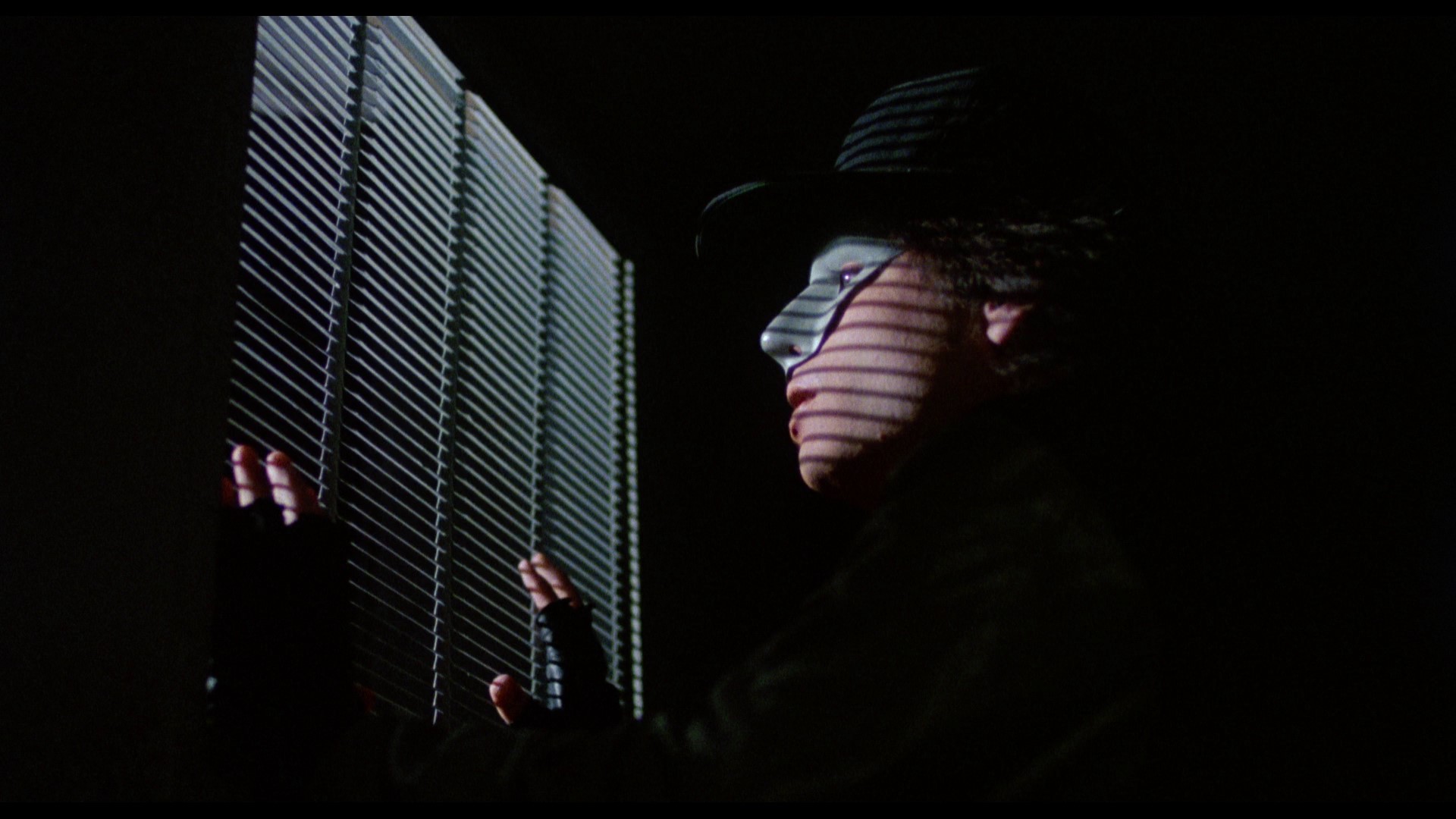
Pauly Shore, in an early role, brings a quirky energy to the film as Buzz, providing comic relief that occasionally borders on the absurd. Morgan Fairchild’s turn as the conniving mayor is suitably over-the-top, but it’s Kimber Sissons as Melody, the film’s heart, who provides a surprisingly grounded performance amidst the chaos.
Where “Phantom of the Mall” falters is in its execution of horror and suspense. The narrative follows a well-trodden path, and the scares are more campy than chilling. The special effects, particularly Eric’s disfigurement and the various mall-related deaths, are quintessentially 80s, oscillating between impressively practical and laughably dated. The film never quite decides if it wants to be a serious horror flick or a tongue-in-cheek homage to its predecessors, resulting in a tonal inconsistency that detracts from the overall impact.

The soundtrack, a blend of synth-heavy tracks and moody undertones, adds to the film’s nostalgic appeal but often feels mismatched with the scenes it accompanies. Similarly, the dialogue swings from sharp and witty to clunky and expositional, reflecting a script that could have benefited from a tighter focus and more polished writing.
“Phantom of the Mall” thrives on its nostalgia factor and the novelty of its setting. It’s an entertaining watch, especially for fans of 80s horror, but it lacks the depth and innovation to rise above its B-movie status. The film is a reminder of a bygone era of horror, where the setting often played as significant a role as the characters themselves. It’s fun, it’s flawed, and it’s ultimately forgettable, a film that will resonate with genre enthusiasts while leaving others puzzled by its cult appeal.
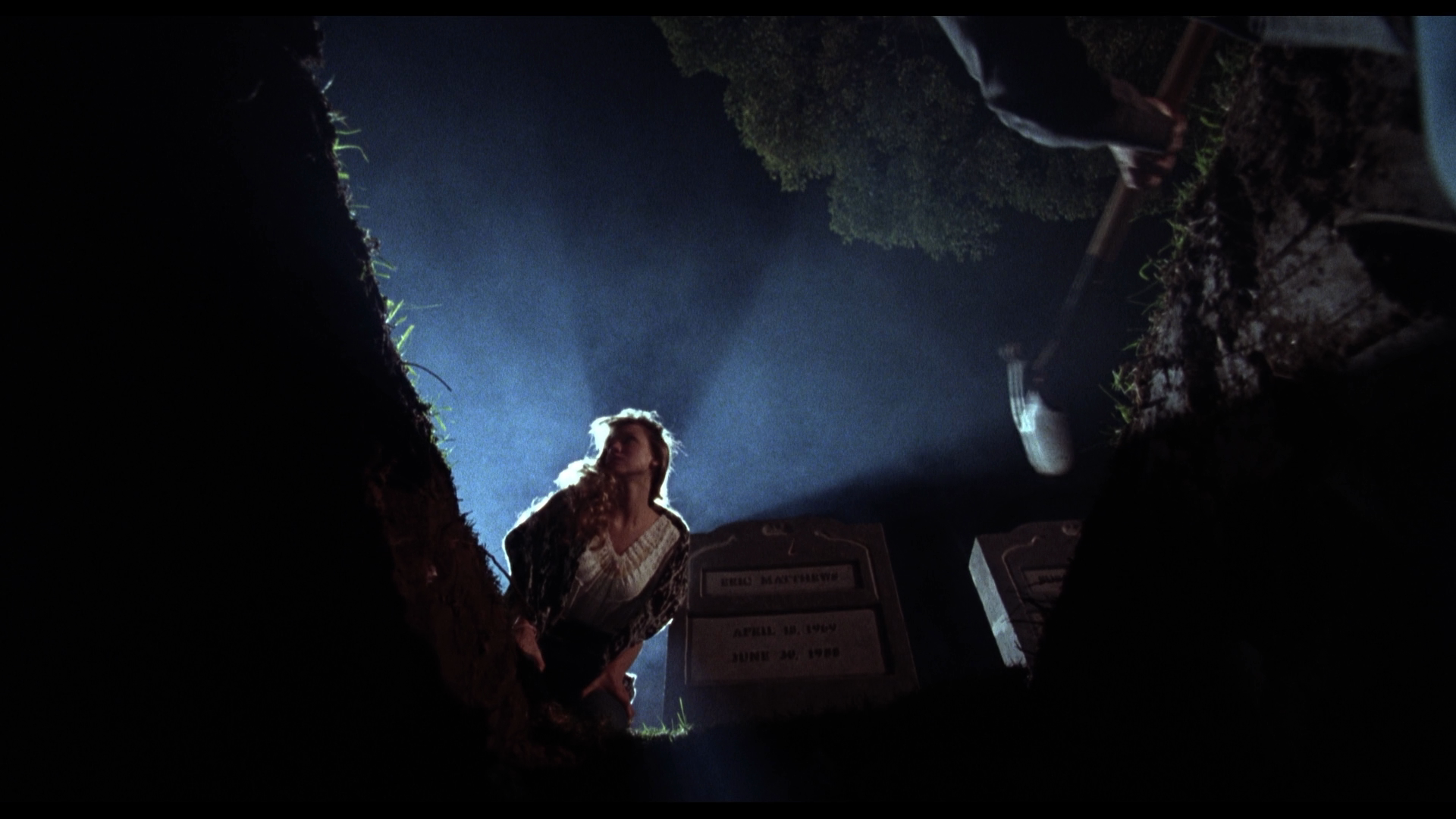
In summary, “Phantom of the Mall: Eric’s Revenge” is a mixed bag of quirky performances, nostalgic charm, and underwhelming scares. The film is worth a watch for its setting and sheer 80s vibe, but don’t expect a masterpiece lurking in the shadows of this suburban shopping centre.
 Roses Have Thoughts
Leave a comment