
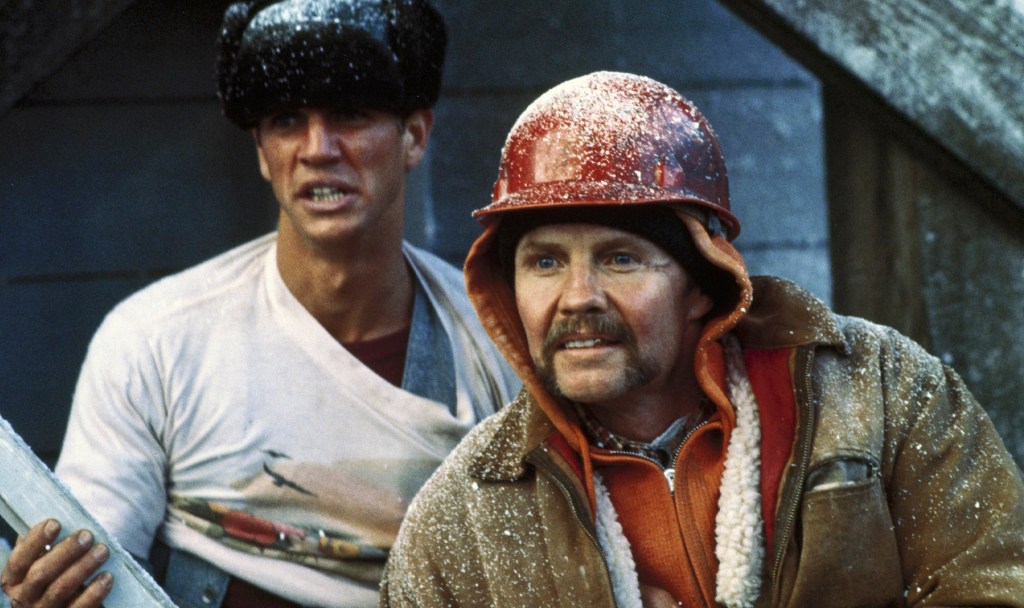

Synopsis- Two escaped convicts head full-steam for their freedom and inadvertently jump aboard a freight train. To their dismay, they discover that the train is barrelling out of control without an engineer.
Director- Andrei Konchalovsky
Cast- Jon Voight, Eric Roberts, Rebecca De Momay
Released- 1985
Runaway Train (1985) is an intense, unrelenting thriller that grips the viewer from the opening scenes and never lets go. Directed by Andrei Konchalovsky and based on a screenplay originally penned by Akira Kurosawa, the film combines visceral action with a profound exploration of human desperation and existential dread. The result is a harrowing journey that transcends the trappings of a typical action film.
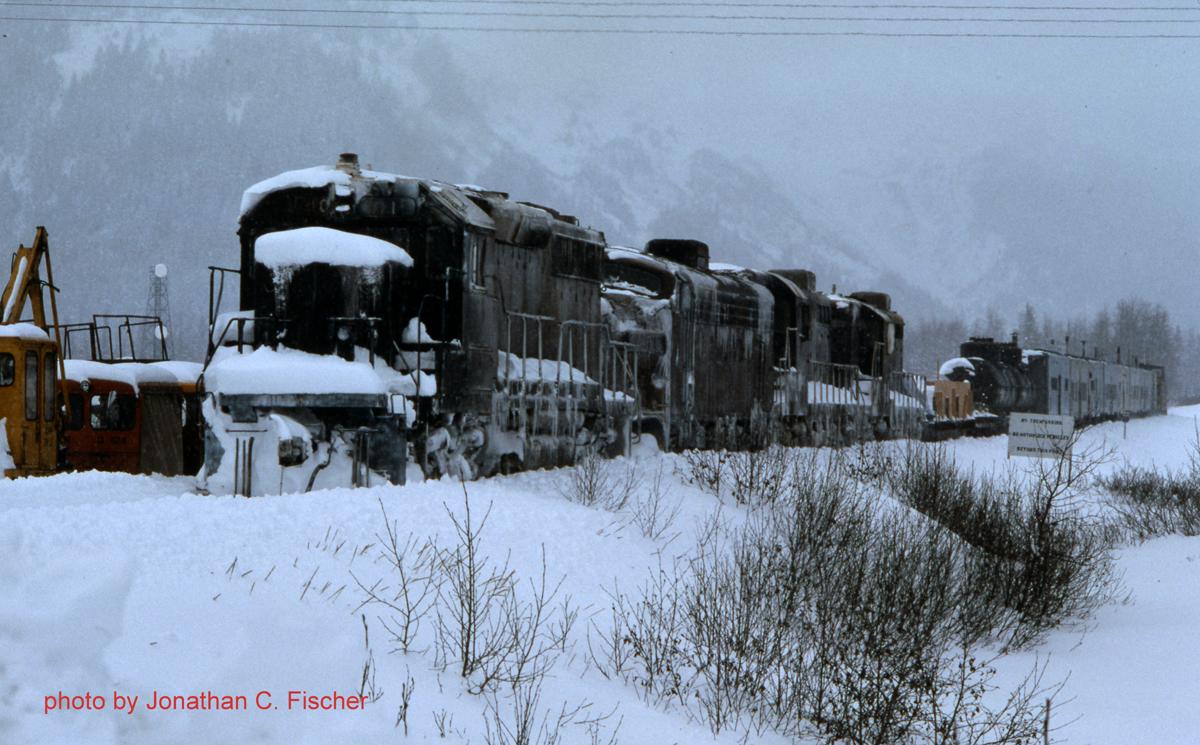
The story follows two escaped convicts, Manny (Jon Voight) and Buck (Eric Roberts), who find themselves aboard a runaway train hurtling through the icy Alaskan wilderness. As the train picks up speed, with no one to stop it, the film’s tension escalates to a fever pitch. The brilliance of Runaway Train lies in its ability to sustain this relentless pace while simultaneously delving into the psychological and philosophical depths of its characters.
Jon Voight’s performance as Manny is nothing short of extraordinary. His portrayal of a hardened criminal, driven by a primal urge for freedom yet haunted by his own demons, is riveting. Voight imbues Manny with a raw, almost animalistic intensity that makes him both terrifying and pitiable. Eric Roberts, as the younger and more naive Buck, provides a compelling counterbalance to Voight’s ferocity. Together, they create a dynamic that is as volatile as the train they are aboard.
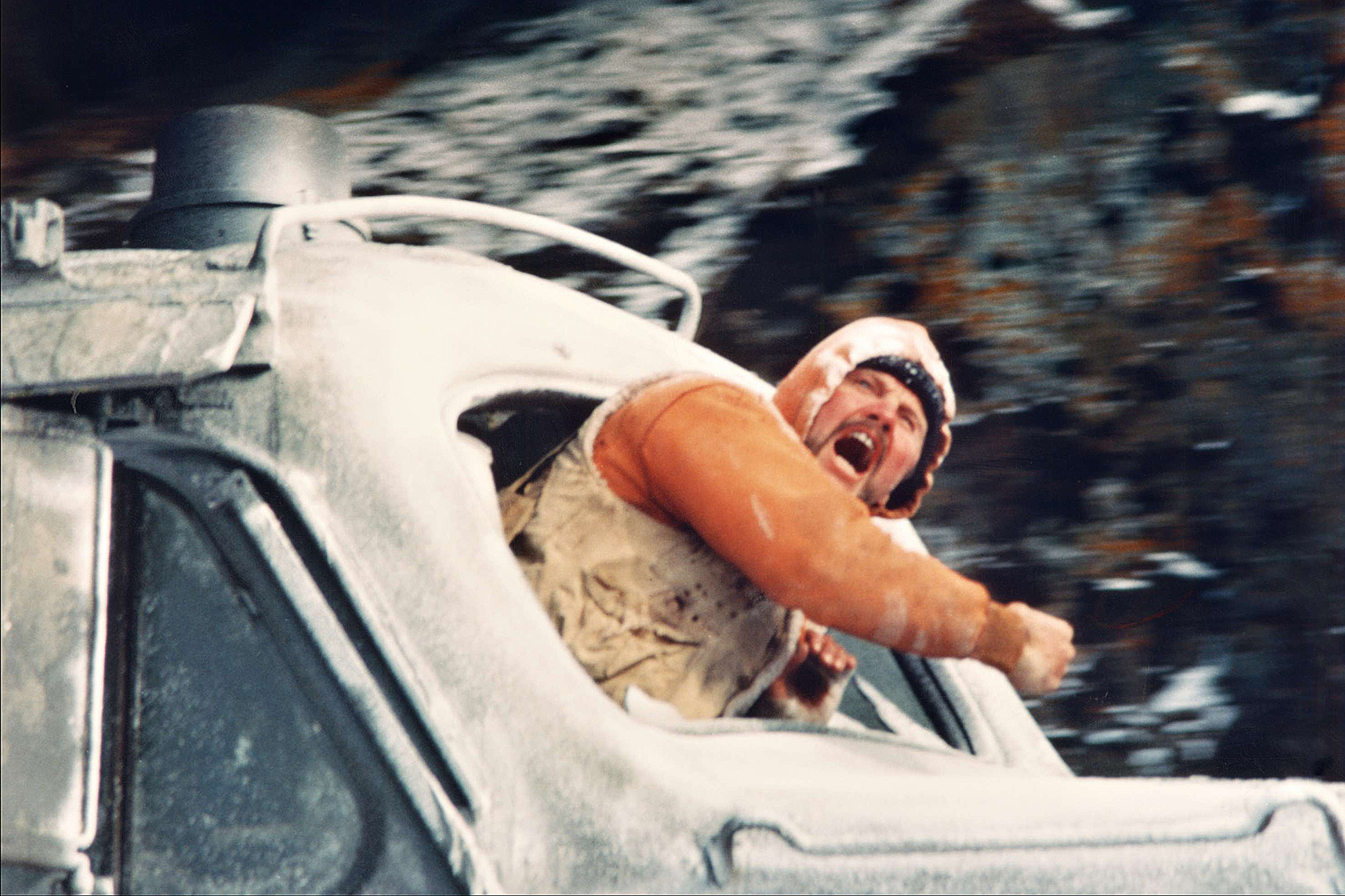
The film’s action sequences are masterfully executed, with the runaway train serving as a powerful metaphor for the uncontrollable forces in the characters’ lives. Konchalovsky captures the vast, unforgiving landscape of Alaska, using it to heighten the sense of isolation and impending doom. The cinematography by Alan Hume adds to the film’s stark, gritty realism, while Trevor Jones’ score underscores the relentless tension with a haunting intensity.
However, Runaway Train is not without its flaws. The script, while based on Kurosawa’s concept, occasionally falters in its dialogue and character development. Some scenes feel overwrought, particularly in their attempts to delve into the philosophical musings of the characters. While these elements add depth, they can also feel heavy-handed and out of place within the otherwise tight narrative structure.

Despite these shortcomings, Runaway Train is a film that lingers in the mind long after the credits roll. It’s a gripping action film that dares to explore the darker, more introspective aspects of its characters. Konchalovsky’s direction, combined with powerhouse performances from Voight and Roberts, elevates the film beyond its genre conventions, making it a memorable, if not entirely flawless, cinematic experience.
For those who appreciate action films with a deeper psychological edge, Runaway Train is a must-see, delivering both thrills and thought-provoking themes in equal measure.
 Roses Have Thoughts
Leave a comment