
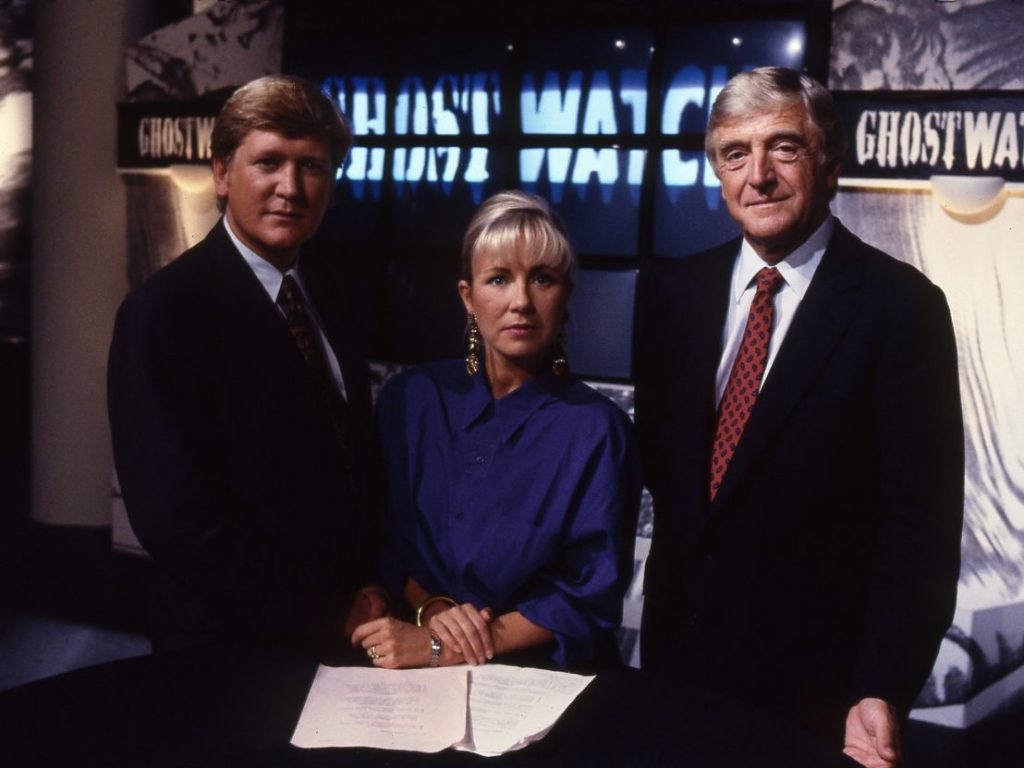

Synopsis- Four respected presenters and a camera crew attempt to discover the truth behind ‘The most haunted house in Britain
Director- Lesley Manning
Cast- Sarah Greene, Gillian Bevan, Michael Parkinson
Genre- Horror | Mockumentary | Drama
Released- 1992
Groundbreaking and one of British television’s most infamous moments 1992’s “Ghostwatch”, stands as a chilling and innovative exploration of the horror genre that sadly in the time of social media, will never be replicated. Directed by Lesley Manning and written by Stephen Volk, this pseudo-documentary is a remarkable work that cleverly intertwines reality and fiction. Its airing on the BBC generated both acclaim and controversy, cementing its place in the annals of horror history. As a feminist film critic, I find “Ghostwatch” a fascinating study not only of its genre but also of the cultural anxieties it reflects, particularly regarding gender and media.

At first glance, “Ghostwatch” appears to be a live broadcast investigating paranormal activity in a typical suburban home, much like reality TV shows that would follow in the years after. However, as the program unfolds, it becomes clear that the events are scripted, though convincingly presented, blurring the line between reality and fiction in a way that few films have dared. This bold approach serves as a critique of the media’s role in shaping public perception, a theme that resonates powerfully in today’s media-saturated world.
The film’s narrative revolves around a team of presenters, led by Michael Parkinson, who anchor the broadcast from a studio, while reporters Sarah Greene and Craig Charles provide on-site coverage at the haunted residence. Their interactions with the troubled family, particularly the mother and her two daughters, reveal layers of societal fears—of broken homes, the unknown, and the psychological toll of trauma. The character of Suzanne Early, the eldest daughter, becomes a focal point, as the presence of the malevolent spirit “Pipes” seemingly targets her, drawing attention to issues of victimization and the unseen burdens carried by young women.
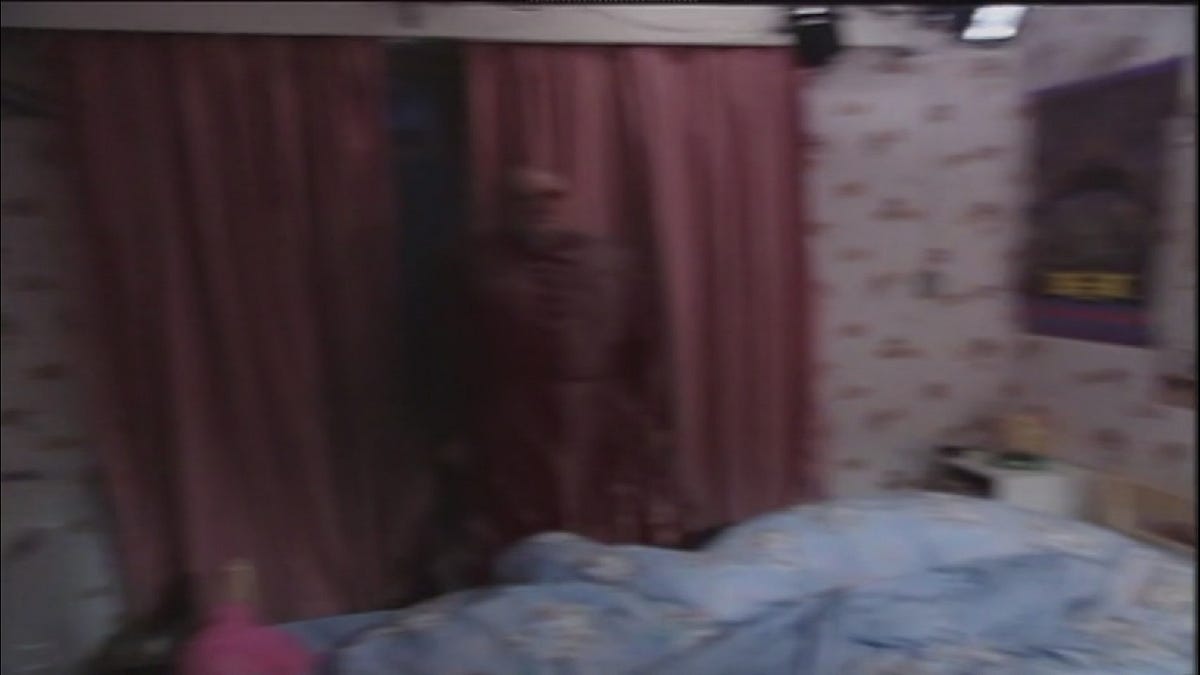
“Ghostwatch” excels in its atmospheric tension and subversive narrative structure. It subverts the expected tropes of horror by embedding them within a familiar, domestic setting, thus magnifying the horror by placing it within the confines of everyday life. The film’s feminist undertones are particularly noteworthy; it subtly critiques the objectification and marginalization of women, both in the supernatural context of the haunting and in the media’s portrayal of women’s experiences. The character of Sarah Greene, a real-life TV personality, is particularly interesting as she transitions from a reassuring presence to a vulnerable participant in the chaos, highlighting the often unacknowledged emotional labour of women in media.
Moreover, “Ghostwatch” is a testament to the power of performance and narrative control. The seamless integration of live broadcast aesthetics with scripted horror elements showcases the filmmakers’ mastery over their medium, creating a palpable sense of dread that lingers long after the credits roll. It’s an uncanny blend of reality and fiction that makes “Ghostwatch” not just a film, but an experience—a prelude to the found footage phenomenon and a cautionary tale about the power of television.
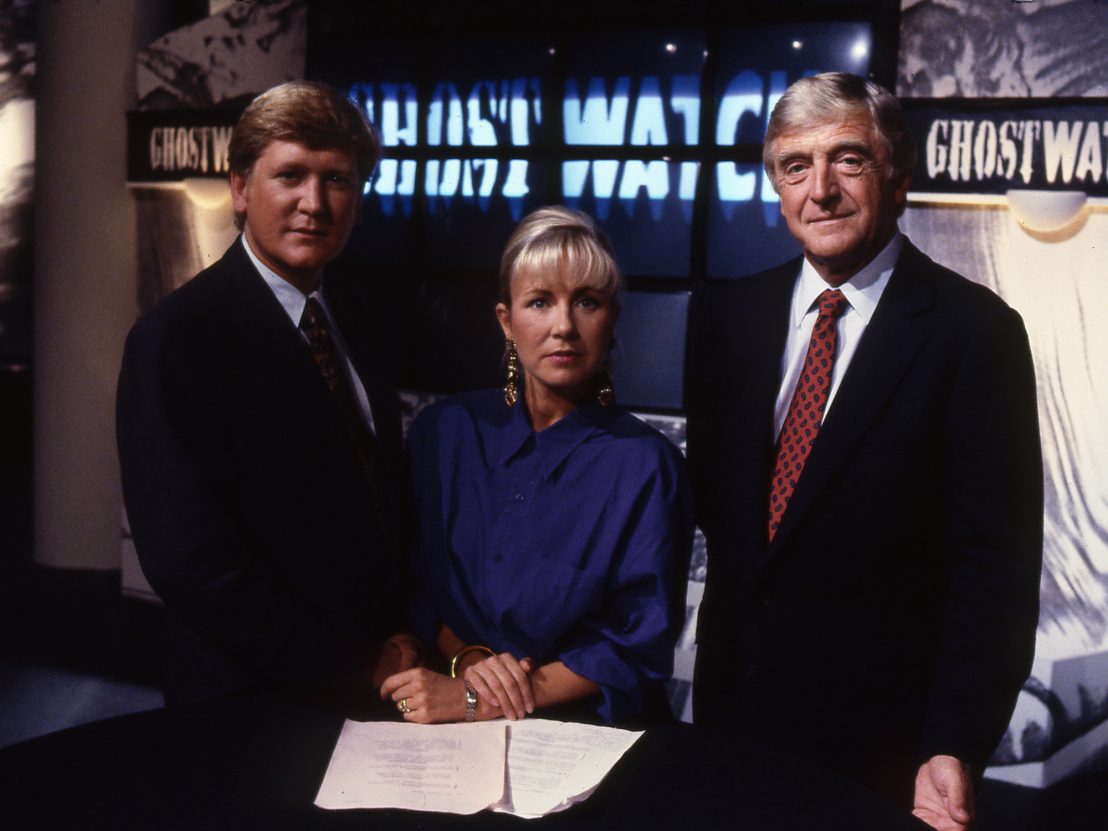
In sum, “Ghostwatch” is a masterful piece of horror that transcends its genre. It is a richly layered work that critiques media manipulation, explores gender dynamics, and delivers genuine scares. For these reasons, it deserves nothing less than a place in the pantheon of essential horror cinema, even if viewers today won’t be able to get the same experience as those who saw it live.
 Roses Have Thoughts
Leave a comment