

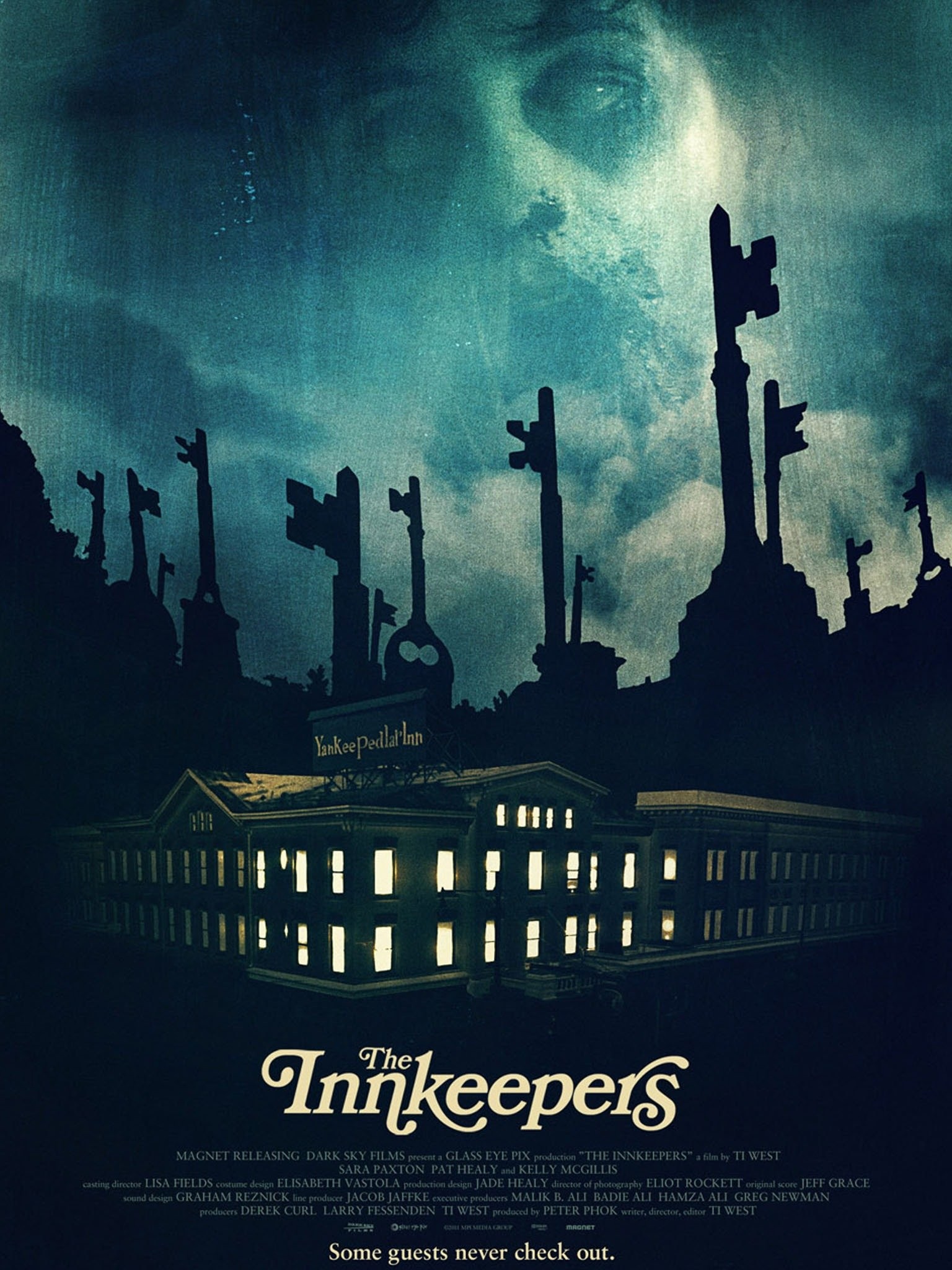
Synopsis – After the Yankee Pedlar Inn decides to shut shop, Clarie and Luke, two employees at the inn, decide to prove that the place is haunted. However, they begin to experience strange and disturbing events.
Director- Ti West
Cast- Sara Paxton, Pat Healy, Kelly McGillis
Genre- Horror
Released- 2011
Ti West’s “The Innkeepers” is a film that embraces the slow-burn approach to horror, a genre piece that trades visceral thrills for a more atmospheric and psychological tension. This independent horror is a modest yet intriguing entry into the haunted house subgenre (though it does technically take place in a hotel), capturing the banal and the supernatural with a restrained hand that both benefits and hinders its ultimate impact, bolstered by strong performances and an eerie setting, but occasionally bogged down by its deliberate pacing.
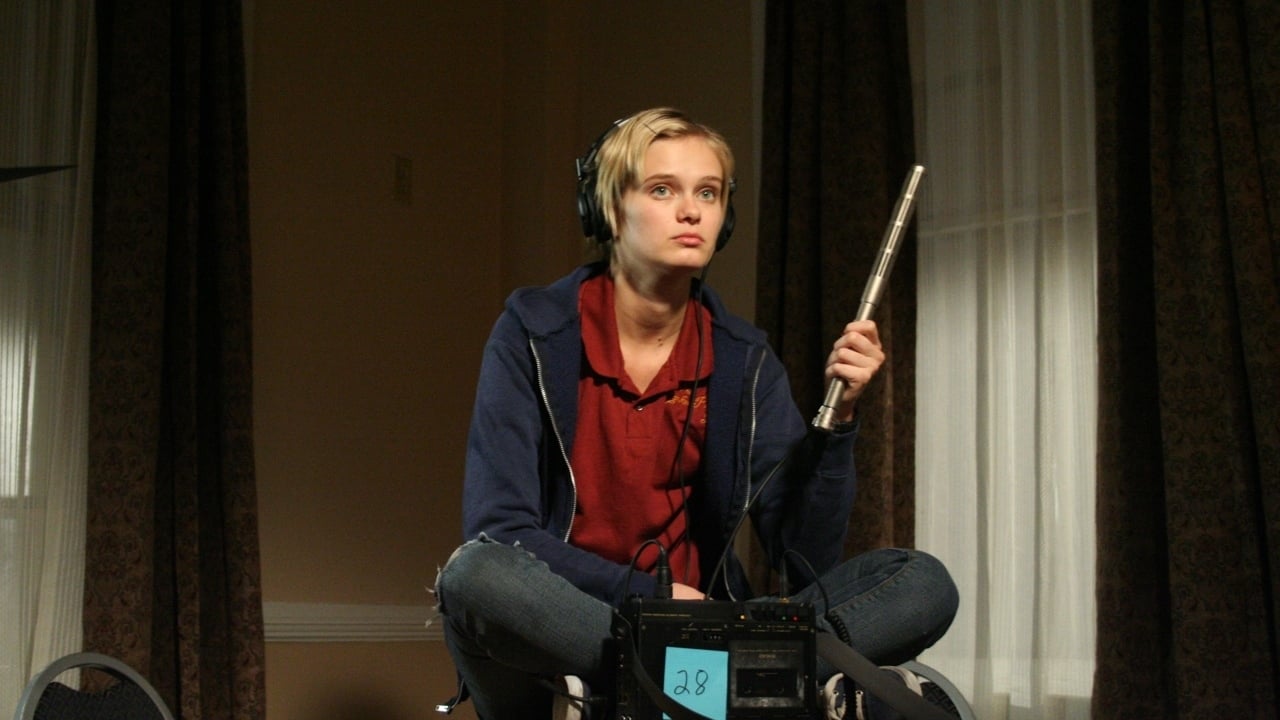
Set in the dilapidated Yankee Pedlar Inn, “The Innkeepers” follows Claire (Sara Paxton) and Luke (Pat Healy), the last two employees of the hotel before it permanently closes. The duo, with an aimless curiosity, decides to investigate the inn’s supposed hauntings, armed with a digital recorder and a growing obsession with the paranormal. As they delve deeper, what begins as a playful ghost hunt gradually turns into something more unsettling.
Ti West, who wrote and directed the film, excels in creating an atmosphere of creeping dread. He is not interested in the cheap thrills of jump scares; instead, he builds tension through quiet moments and lingering shots. The hotel itself, with its creaky floorboards and antique decor, becomes a character in its own right. West uses the space masterfully, making the mundane details—flickering lights, dark hallways—feel loaded with sinister possibilities.
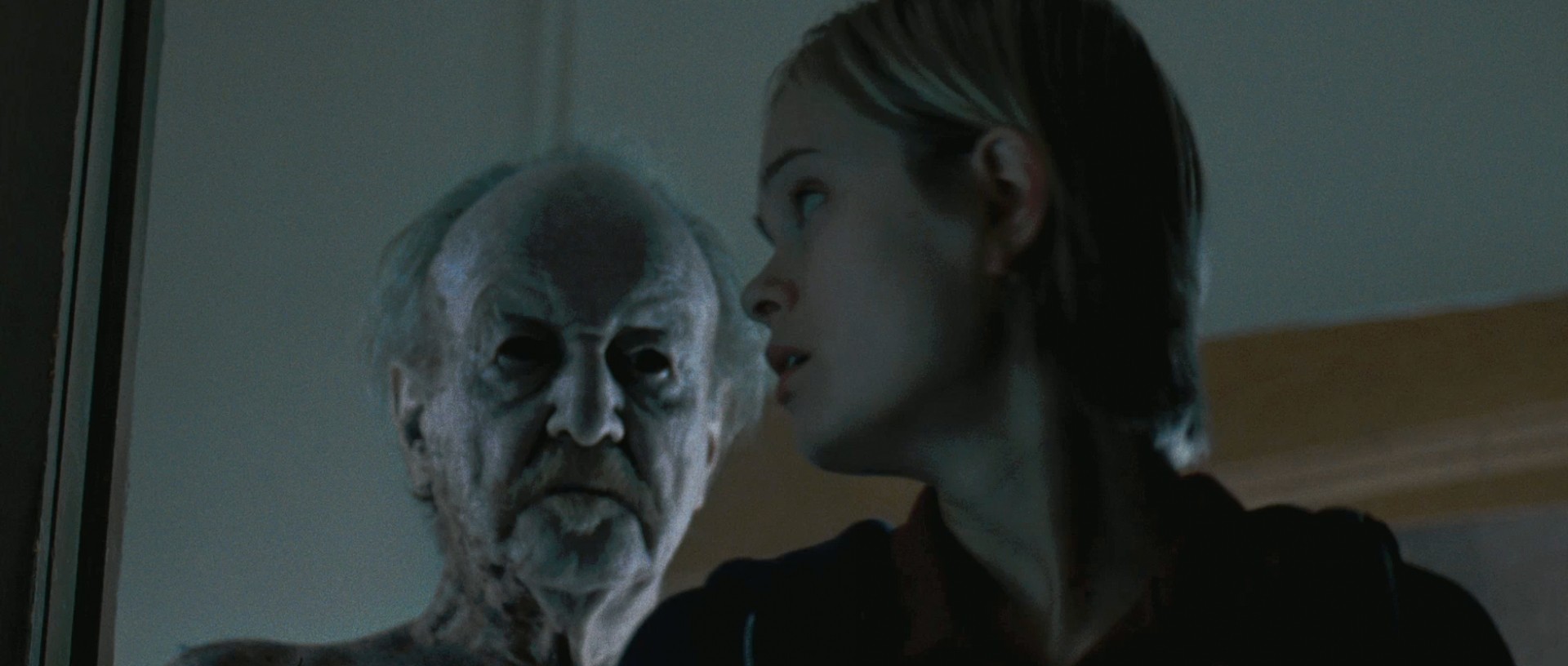
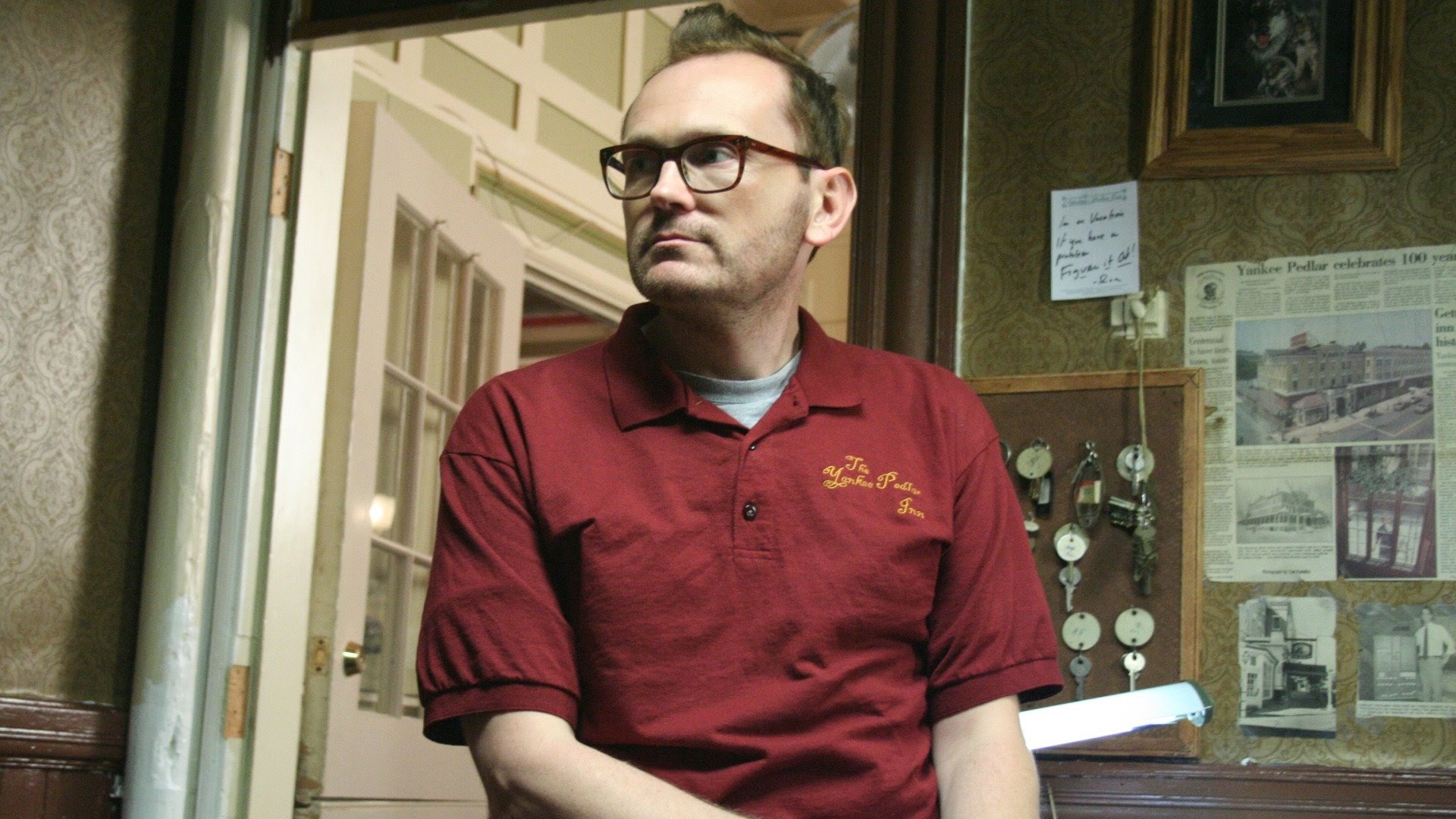
Sara Paxton delivers a standout performance as Claire, capturing the character’s naivety and growing paranoia with a naturalistic touch. She brings a likeable everywoman quality that grounds the film, making her descent into fear all the more palpable. Pat Healy’s Luke, on the other hand, provides a counterbalance with his sarcastic cynicism, though his character feels underdeveloped, lacking a clear arc or depth beyond his initial setup as a sceptic turned believer.
The film’s structure is where it both shines and falters. West’s decision to focus on character interactions and the mundane realities of working in a nearly deserted hotel is refreshing, providing a slice-of-life element that adds to the film’s authenticity. However, this choice also results in pacing that might test the patience of viewers expecting a more conventional horror experience. The scares, when they come, are subtle and restrained, often leaving more to the imagination than what is shown on screen.
“The Innkeepers” is also notable for its understated score, which complements the film’s quiet, brooding tone. The lack of a bombastic soundtrack forces viewers to pay closer attention to the diegetic sounds—the creaks, whispers, and eerie silences that pervade the hotel’s halls. This minimalist approach works in the film’s favour, enhancing the tension and unease.
However, the climax, while effective in its own right, doesn’t quite deliver the cathartic payoff that the slow build promises. The ambiguity of the film’s resolution will likely frustrate some, but it also leaves room for interpretation, staying true to the film’s understated nature.

In conclusion, “The Innkeepers” is a film that thrives on atmosphere and character-driven storytelling. It’s a film that may not appeal to those looking for overt horror of the Blum House kind, however, offers a rewarding experience for viewers willing to immerse themselves in its slow, eerie buildup. Ti West crafts a story that’s as much about the characters’ inner ghosts as it is about the supernatural, making “The Innkeepers” a quietly compelling watch that lingers long after the credits roll.
 Roses Have Thoughts
Leave a comment