
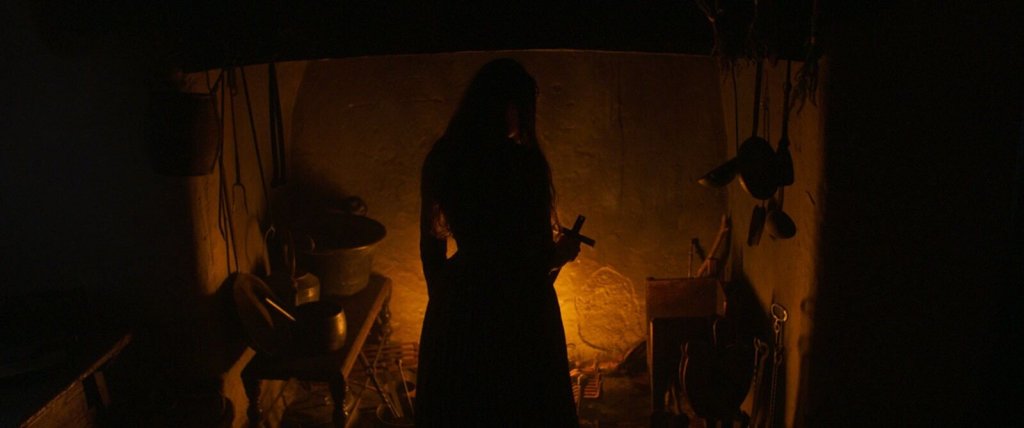

Synopsis- During the Industrial Revolution, Gwen, a young girl, struggles to keep her life and family from falling apart while her mother suffers from a mysterious illness and her father suddenly disappears.
Director- William McGregor
Cast- Eleanor Worthington-Cox, Maxine Peake, Mark Lewis Jones
Released- 2018
Gwen, the 2018 British period horror directed by William McGregor, immerses viewers in the windswept hills of 19th-century Wales, where dark forces—both supernatural and all too human—loom over a young girl and her family. Set against the backdrop of the Industrial Revolution’s encroachment on rural life, the film weaves a haunting tale of isolation, sickness, and desperation, with a foreboding atmosphere that reflects the inner turmoil of its central character, Gwen, played with quiet intensity by Eleanor Worthington-Cox.
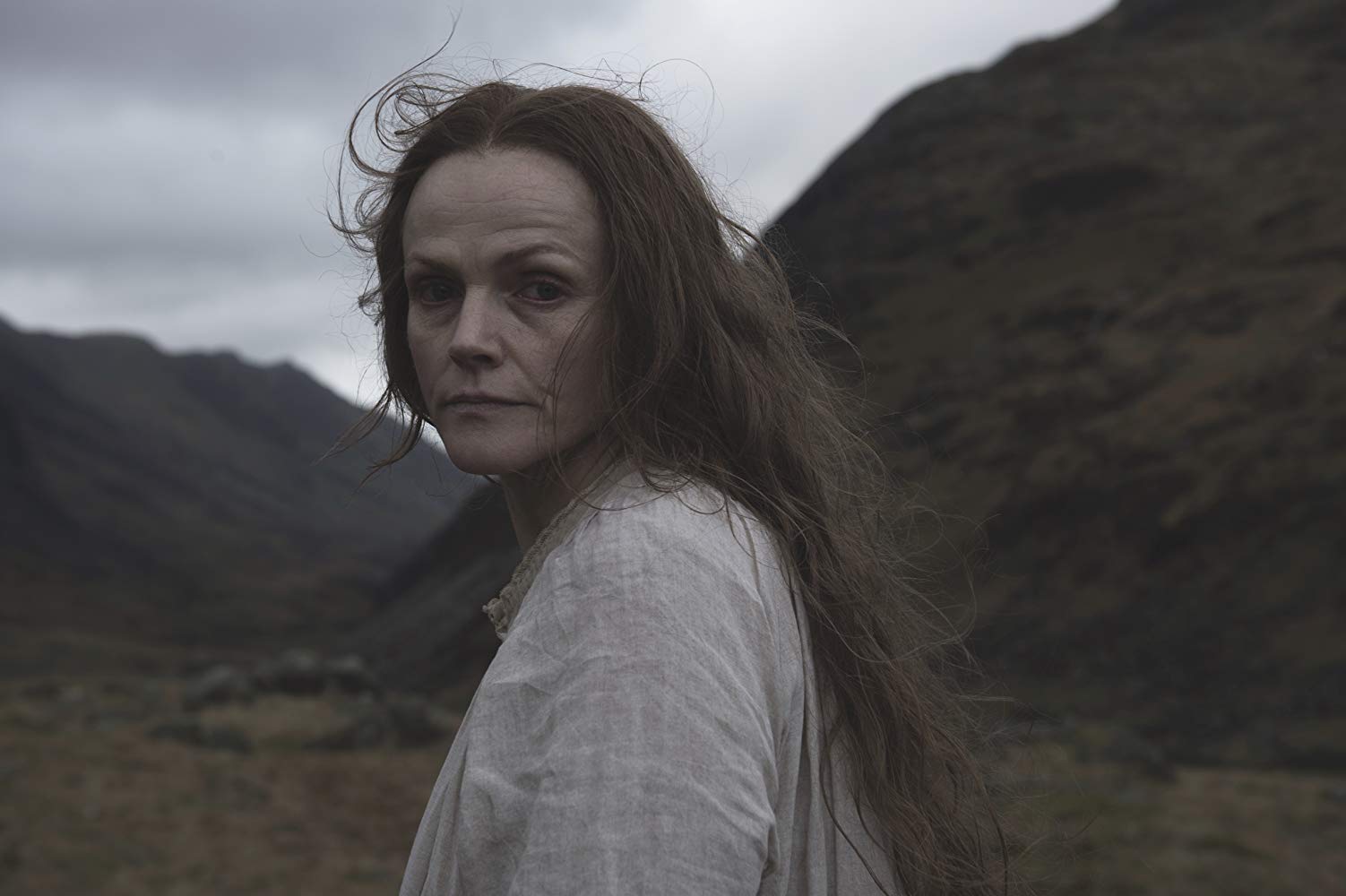
In this atmospheric horror, McGregor is meticulous in capturing the landscape. The film’s cinematography, helmed by Adam Etherington, uses the bleak, misty mountains as a character in itself, contributing to the oppressive sense of dread that permeates Gwen’s world. The beauty of the natural surroundings, though hauntingly serene, offers no solace, and the film’s visual palette is as grey and cold as the emotions at its core.
The story follows Gwen, a young girl struggling to keep her family together in the wake of her father’s mysterious disappearance. Her mother, Elen (played by Maxine Peake), slowly succumbs to a terrifying illness, growing more violent and unpredictable with each passing day. As Gwen tries to protect her younger sister and maintain some semblance of normalcy, external threats compound their plight. The local villagers grow increasingly hostile, while a menacing group of landowners appears bent on seizing their farm.

On paper, Gwen promises a tense psychological drama, and it does deliver in parts. The slow-burning tension, however, can feel more tedious than suspenseful at times. McGregor’s deliberate pacing, while initially effective in building dread, drags in the second act. What begins as a promising exploration of female isolation in a patriarchal society falters due to an over-reliance on ambiguous supernatural hints and unresolved narrative threads. This choice leaves the viewer questioning whether the events unfolding are grounded in reality or tinged by the supernatural—and not always in a compelling way.
Where Gwen excels is in its performances. Eleanor Worthington-Cox conveys a depth of emotion that grounds the film’s more abstract horrors in real, human fear. Maxine Peake is equally impressive as a mother slowly unravelling, delivering a performance that is at once heart-wrenching and terrifying. The film’s sound design, too, is noteworthy, with the constant howl of the wind and the distant thunder of industry serving as reminders of forces beyond Gwen’s control.
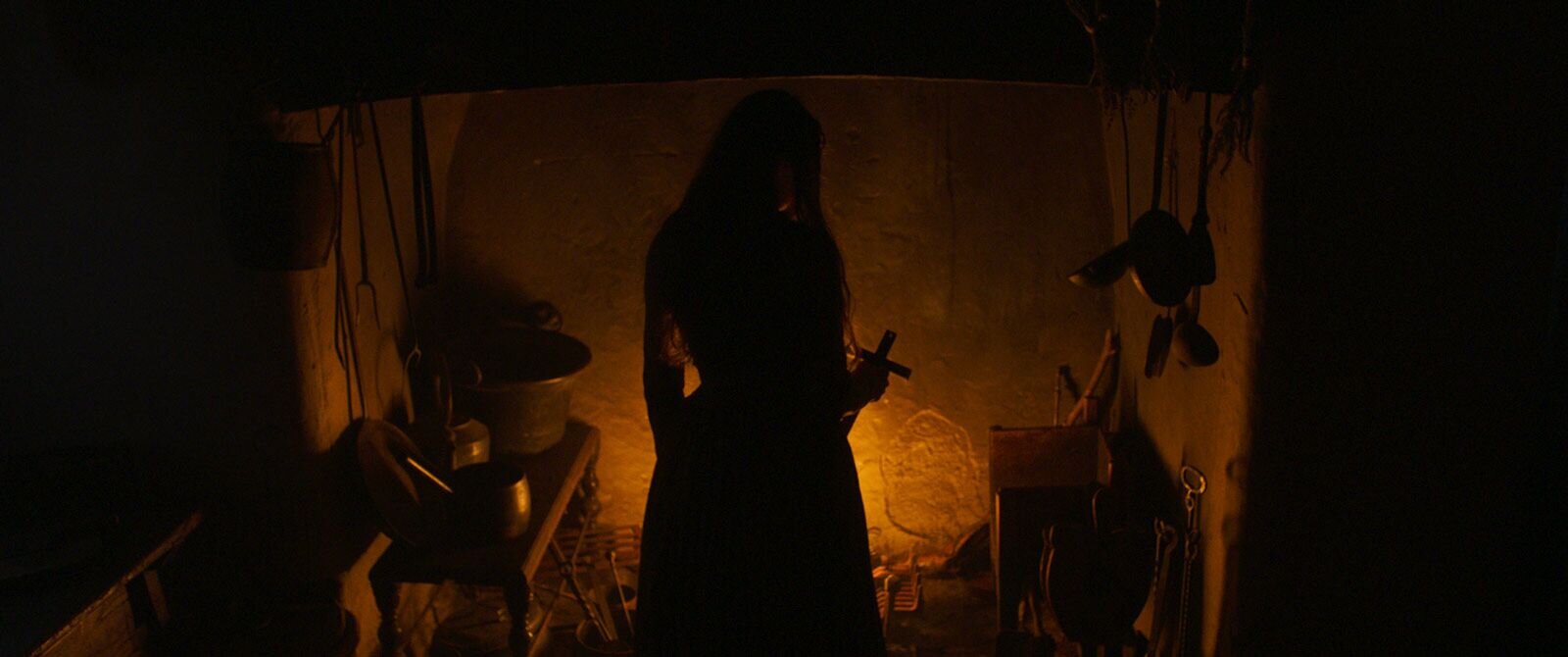
While Gwen is visually striking and rich with thematic potential, its slow pace and uneven plotting prevent it from reaching its full potential. It’s a film that leaves more questions than answers, its chilling atmosphere weighed down by its narrative shortcomings. Three stars for a film that, though flawed, offers a hauntingly beautiful experience, especially for those who appreciate Gothic horror.
 Roses Have Thoughts
Leave a comment