
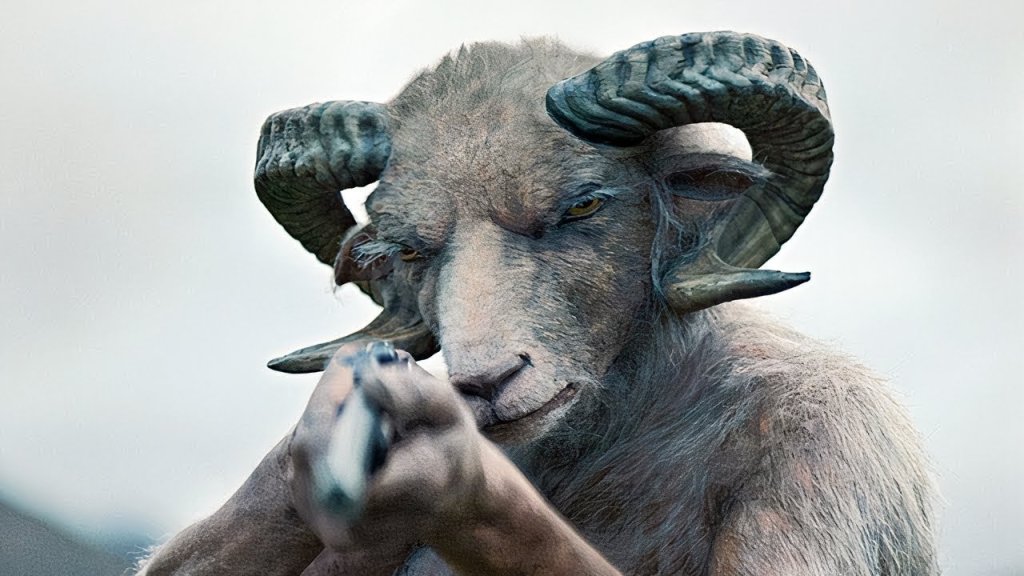
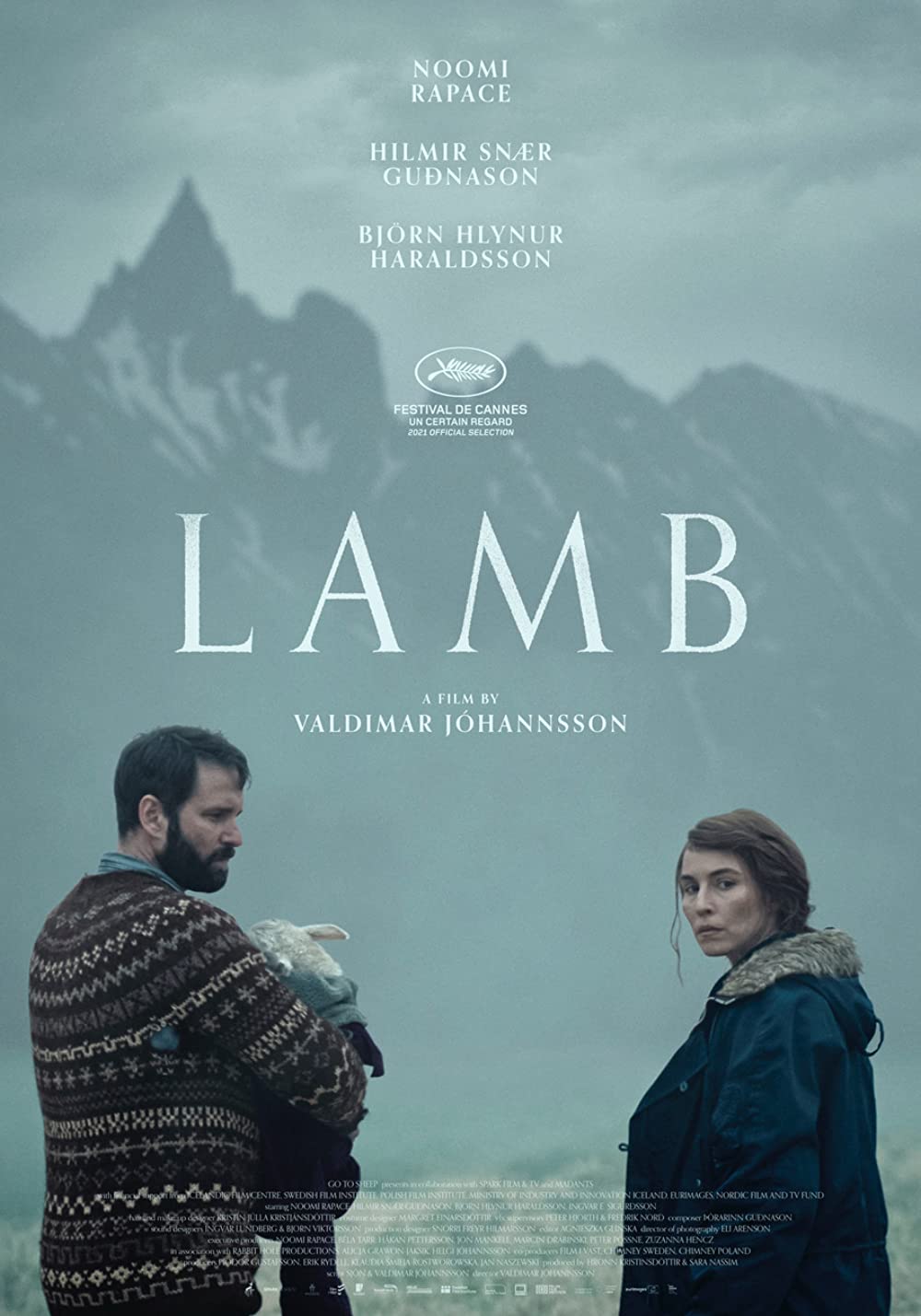
Synopsis- In rural Iceland, a childless couple discover a strange and unnatural new-born in their sheep barn. They decide to raise her as their own, but sinister forces are determined to return the creature to the wilderness that birthed her.
Director- Valdimar Jóhannsson
Cast- Noomi Rapace, Hilmir Snær Guðnason, Björn Hlynur Haraldsson
Released- 2021
Valdimar Jóhannsson’s Lamb is the kind of film that crawls under your skin and stays there, a chillingly strange and meditative fairy tale that lingers in the mind long after it ends. Released in 2021, this Icelandic folk horror tale is equal parts eerie and tender, a film that moves at the pace of grief but pulses with an underlying unease. It’s not a horror film in the traditional sense—there are no jump scares or gore—but Lamb is terrifying in its calm, haunting otherworldliness. Lamb deserves a solid 4 out of 5 stars for its daring originality, disquieting atmosphere, and willingness to embrace the bizarre.
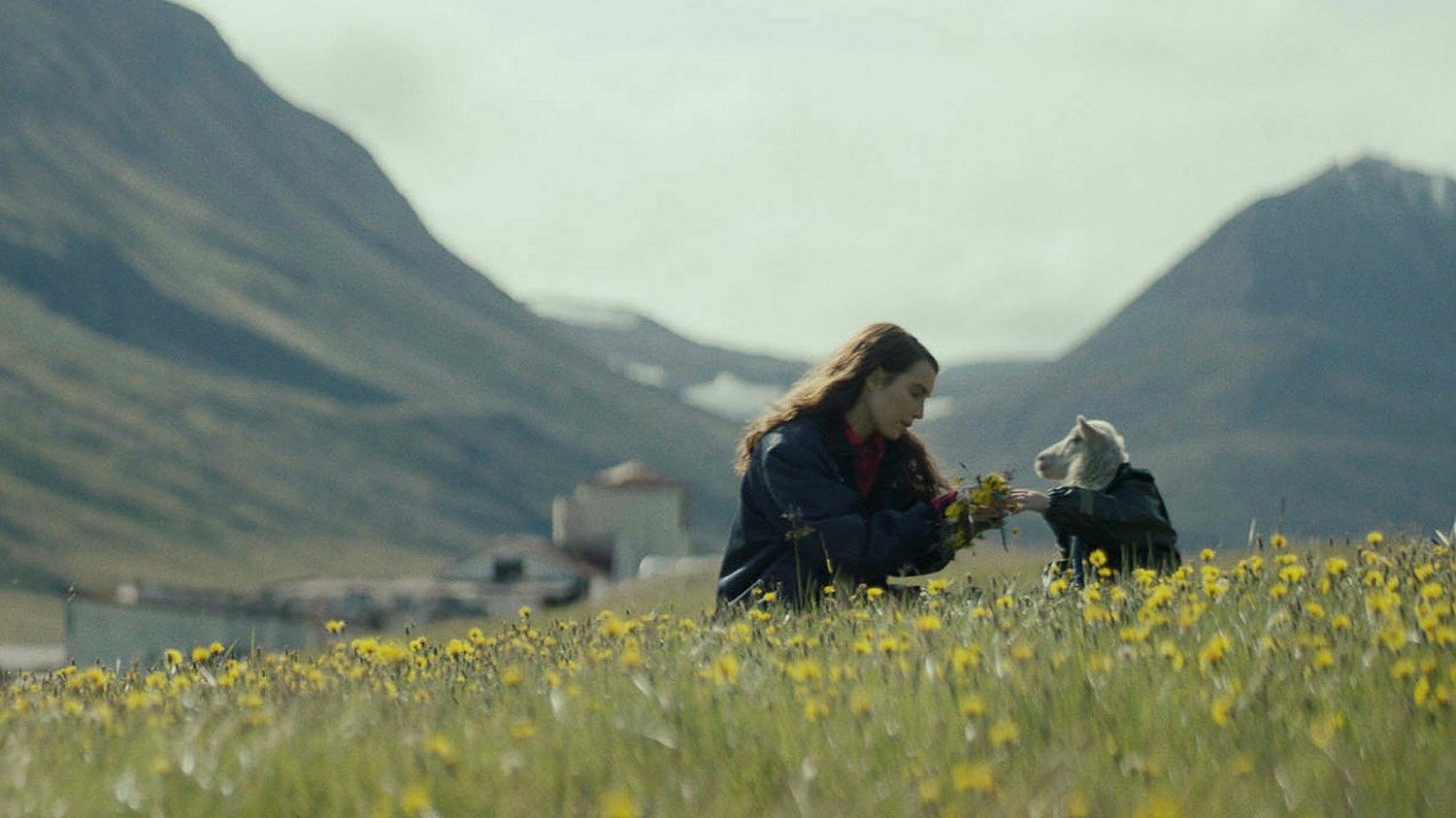
The story centres on a childless couple, María (Noomi Rapace) and Ingvar (Hilmir Snær Guðnason), who live in a remote Icelandic farmhouse surrounded by mountains and fog. Their days are filled with the simple routines of farm life, tending to their animals in silence. It’s a life marked by an unspoken sadness—an emptiness that permeates their quiet existence. Early on, we sense that something is missing, and the film offers only the subtlest hints of the couple’s grief.
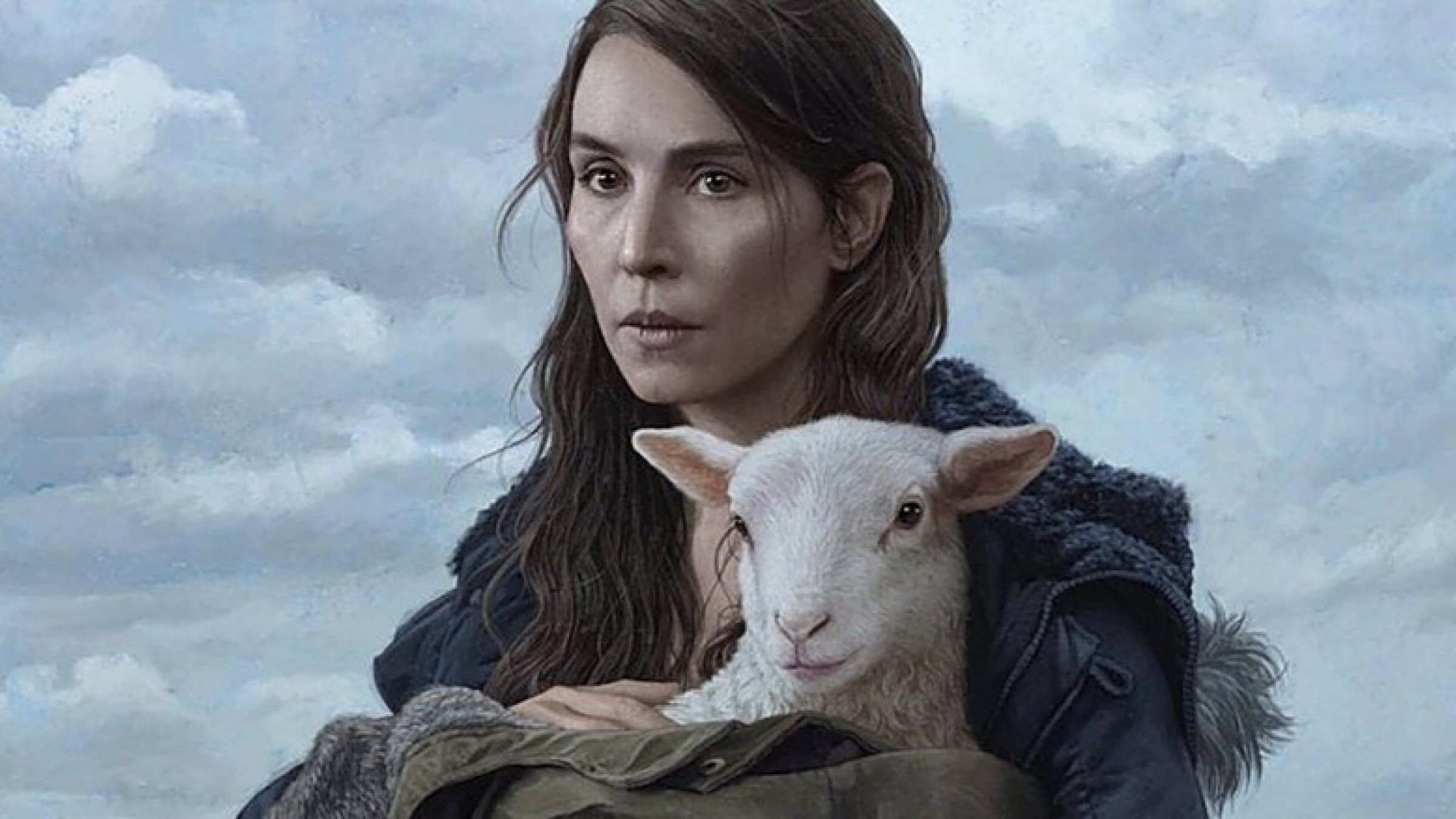
The arrival of Ada, a lamb born under mysterious circumstances, upends their lives in ways both beautiful and disturbing. Ada is no ordinary lamb; she is a hybrid, part human, part animal. Yet María and Ingvar accept her as their child, a decision that feels less like a wilful denial of reality and more like an act of desperation. From this moment, Lamb transforms into a slow-burning, tragic fable about the human need for connection, even in its most unnatural forms.

Noomi Rapace’s performance as María is captivating, balancing a raw maternal instinct with an eerie stoicism. Rapace brings a quiet intensity to the role, never allowing her emotions to spill over, yet making us feel the weight of María’s unspoken sorrow and determination. Hilmir Snær Guðnason, as Ingvar, provides a solid, understated counterpoint, embodying the quiet resignation of a man who is equally complicit in this strange, otherworldly bargain.
The film is a visual masterpiece, with cinematographer Eli Arenson capturing Iceland’s vast, desolate landscapes in a way that amplifies the film’s eerie isolation. The towering mountains and endless fields are both beautiful and foreboding, giving the sense that nature itself is watching, and waiting. Jóhannsson allows the natural world to speak for itself, often holding shots long after the action has passed, letting the silence and the scenery carry the weight of the moment.
But Lamb isn’t just a tale of grief and longing—it’s also a film about the tenuous relationship between humanity and nature. Jóhannsson’s pacing is deliberate, often frustratingly slow, but it serves to underline the central theme: that nature is unpredictable, uncontrollable, and not always benevolent. There’s an underlying tension throughout, a sense that the couple’s fragile happiness cannot last, and when the film finally tips over into its darker moments, it feels both shocking and inevitable.
If Lamb falters, it’s in its final act, where the film’s quiet restraint gives way to something more overtly sinister. The abruptness of the ending leaves many questions unanswered, which will frustrate viewers looking for a resolution. Yet this ambiguity is part of the film’s unsettling charm—it leaves you feeling disoriented, unsure of what you’ve just witnessed, but certain that it has affected you deeply.
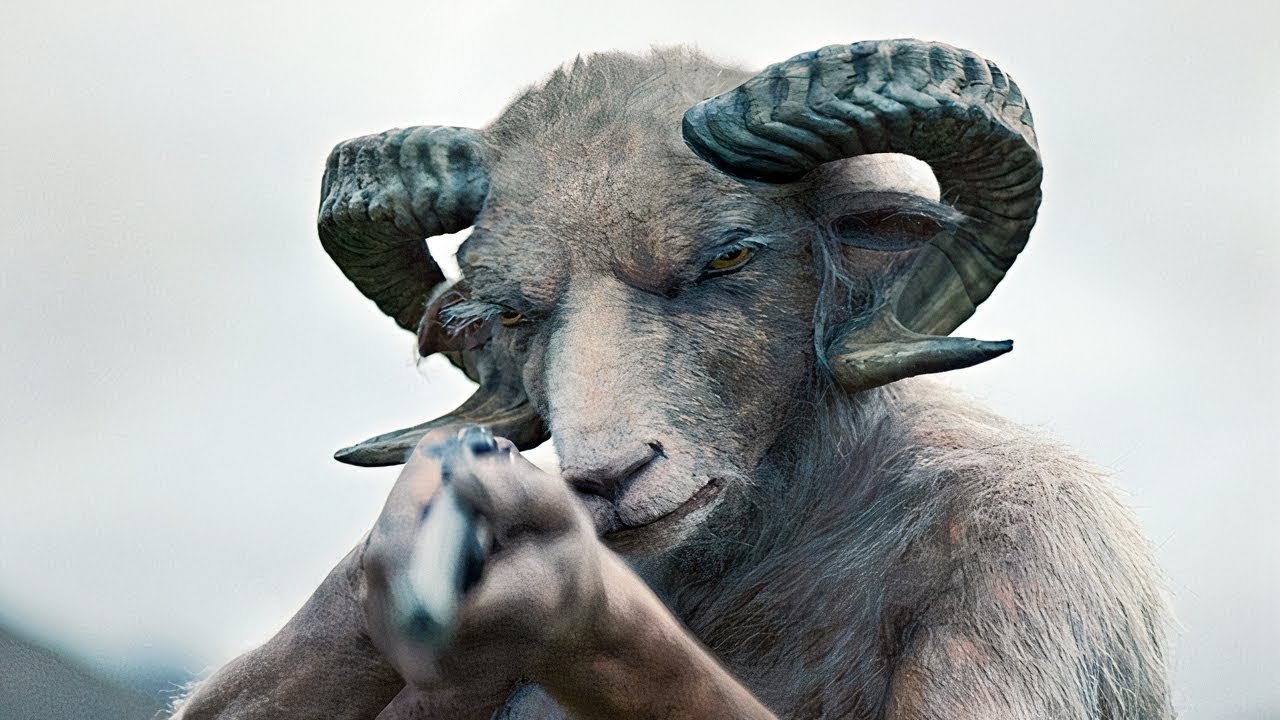
In the end, Lamb is a film that defies easy categorization. It’s part horror, part fable, part meditation on loss and the natural world. It’s a strange, unsettling experience, but one that’s also deeply human. For those willing to embrace its odd, slow-burning pace and disturbing premise, Lamb is a singular cinematic experience—both haunting and oddly touching.
 Roses Have Thoughts
Leave a comment