
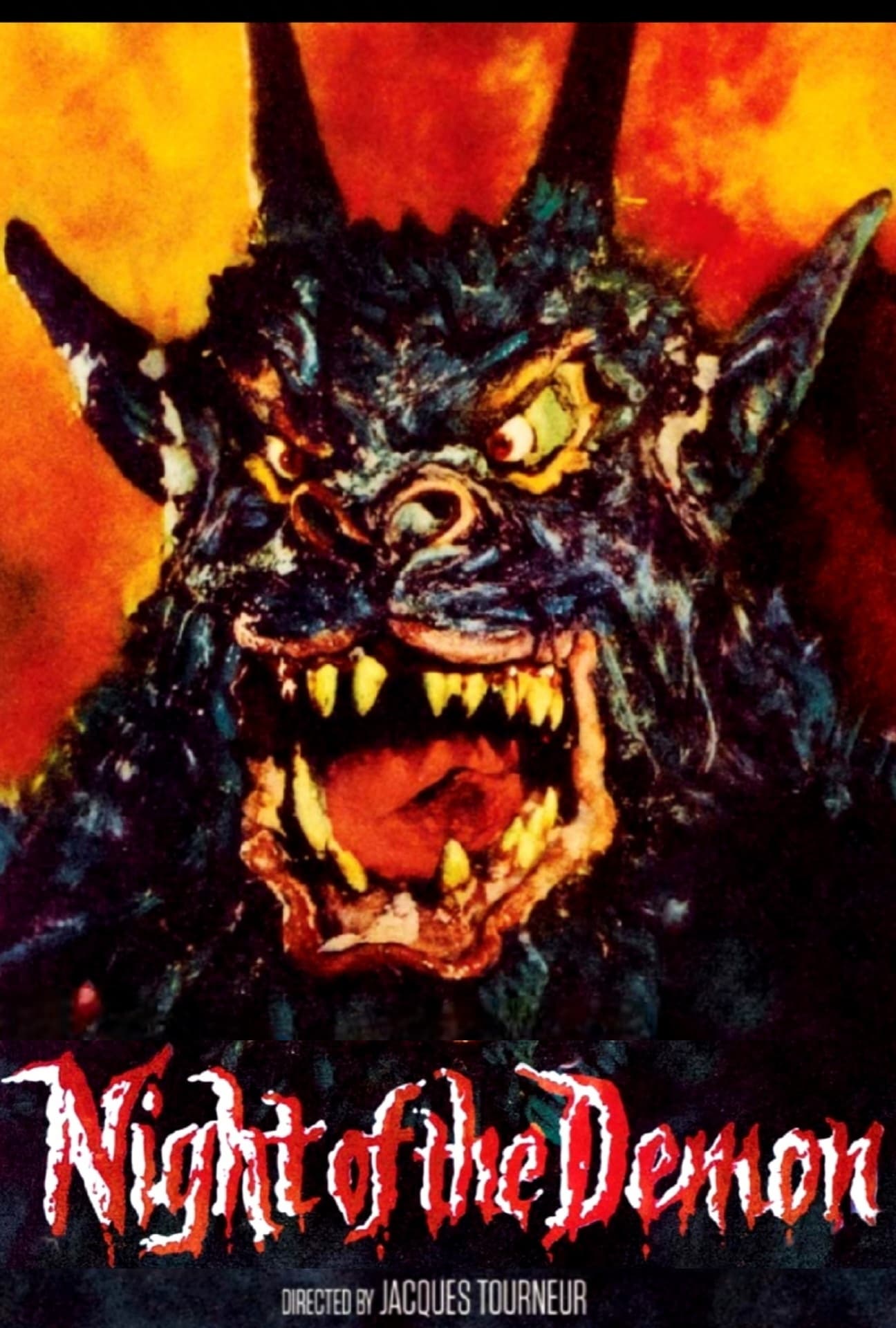
Synopsis- Dr John Holden, an American professor, arrives in the UK to attend a conference. However, his visit soon turns into a mission to expose a satanic cult headed by Dr Julian Karswell.
Director- Jacques Tourneur
Cast- Dana Andrews, Niall MacGinnis, Peggy Cummins
Released- 1957
Night of the Demon, directed by Jacques Tourneur, is a brooding masterpiece of psychological horror that skillfully merges intellectual scepticism with the primal fear of the unknown. A film that tackles the nature of belief and the power of suggestion, it pulls its tension not from blood and gore but from the unseen, the imagined, and the eerily plausible. As an entry in the horror canon, it stands out for its intelligent craftsmanship, with only a few minor hiccups that prevent it from attaining pure perfection. It’s a film with a rich in atmosphere and suspense, with just enough ambiguity to leave viewers questioning the nature of what they’ve witnessed.

Based on M. R. James’ short story “Casting the Runes,” “Night of the Demon” (released as “Curse of the Demon” in the U.S.) tells the story of Dr. John Holden (Dana Andrews), a psychologist and sceptic who travels to England to debunk the claims of an occultist named Julian Karswell (Niall MacGinnis). When one of Holden’s colleagues dies under mysterious circumstances, he’s drawn into a dangerous game where the rational explanations he clings to are gradually eroded by increasingly uncanny events. The film’s slow escalation of tension, as Holden tries to resist the mounting evidence that Karswell may truly be in league with demonic forces, makes for a gripping psychological thriller that never loses its grip on the audience.
Tourneur, best known for his work on the classic “Cat People,” is a director who understands the power of suggestion, and “Night of the Demon” is a triumph of mood and atmosphere. The film thrives in its shadows and whispered warnings, evoking an oppressive dread that creeps into every scene. Tourneur often leaves the most terrifying elements just out of sight, relying on his audience’s imagination to fill in the gaps, making the horror all the more chilling. It’s classic horror filmmaking at its finest—an exercise in restraint, where what we don’t see is more terrifying than anything that could be shown.
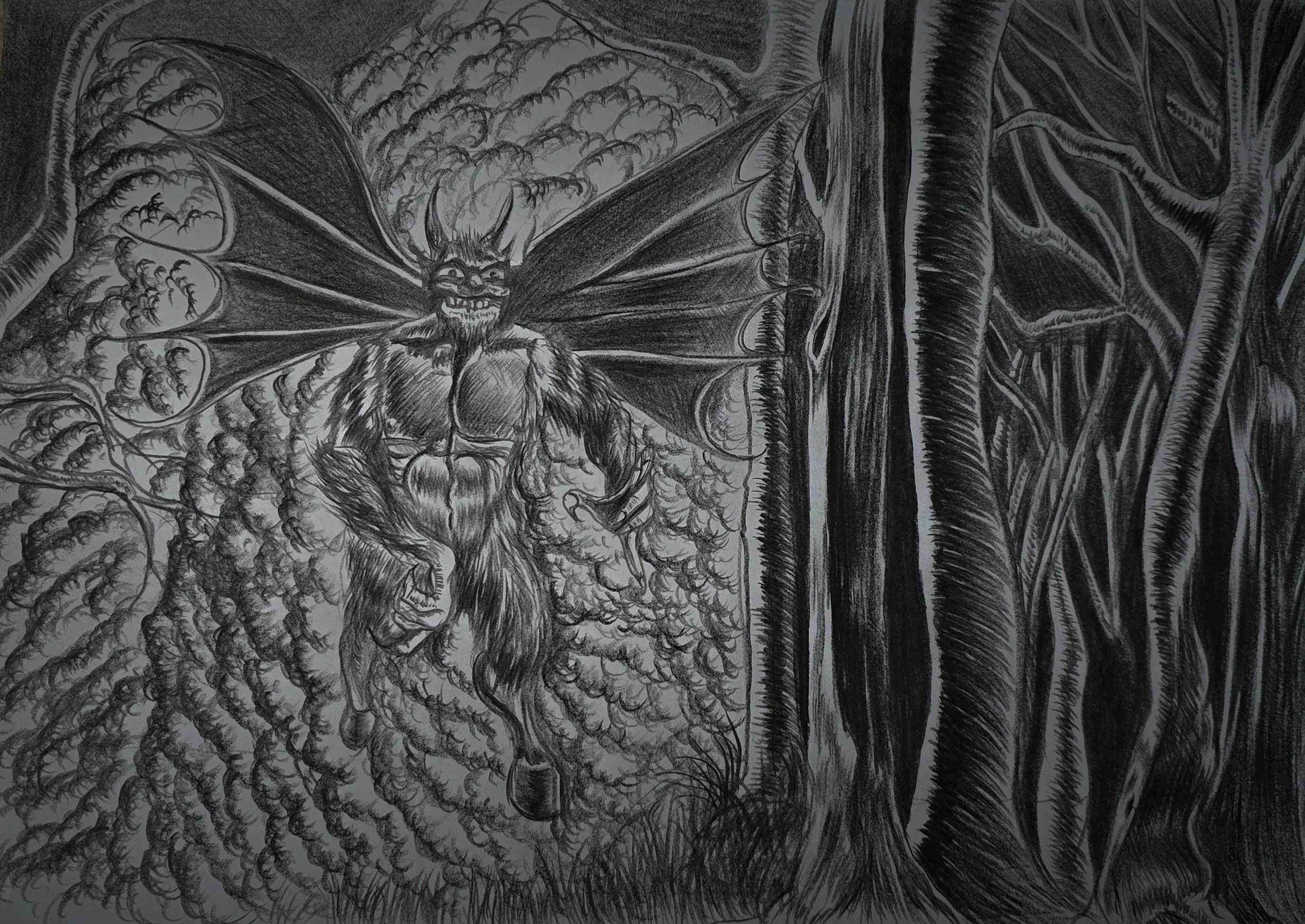
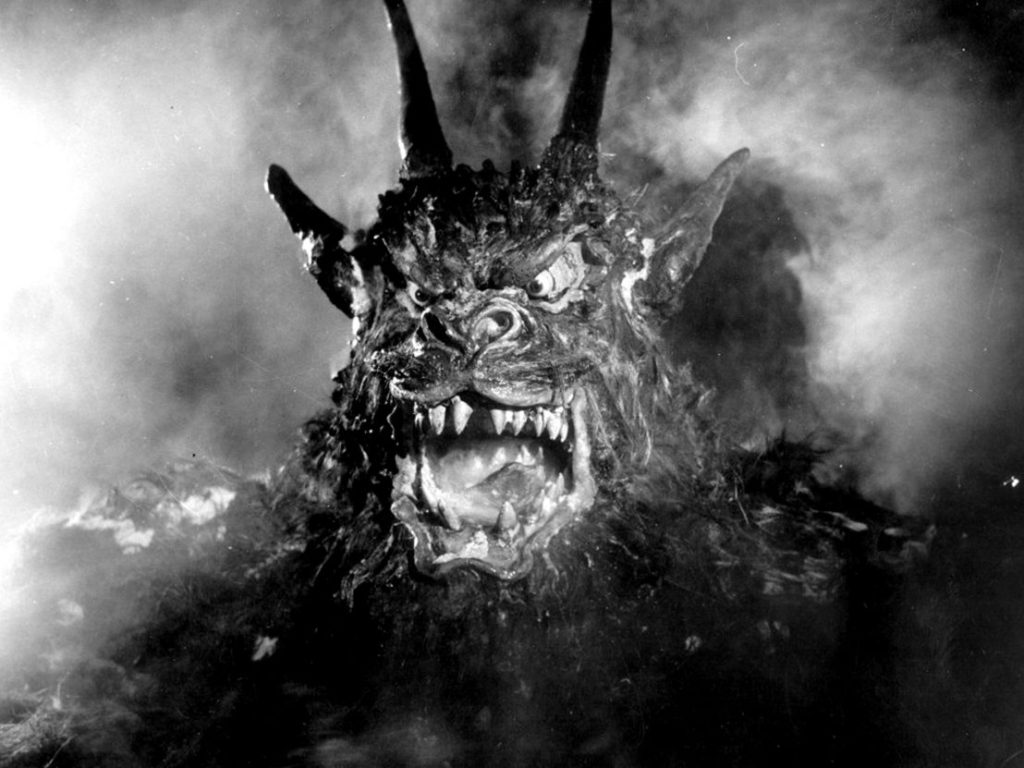
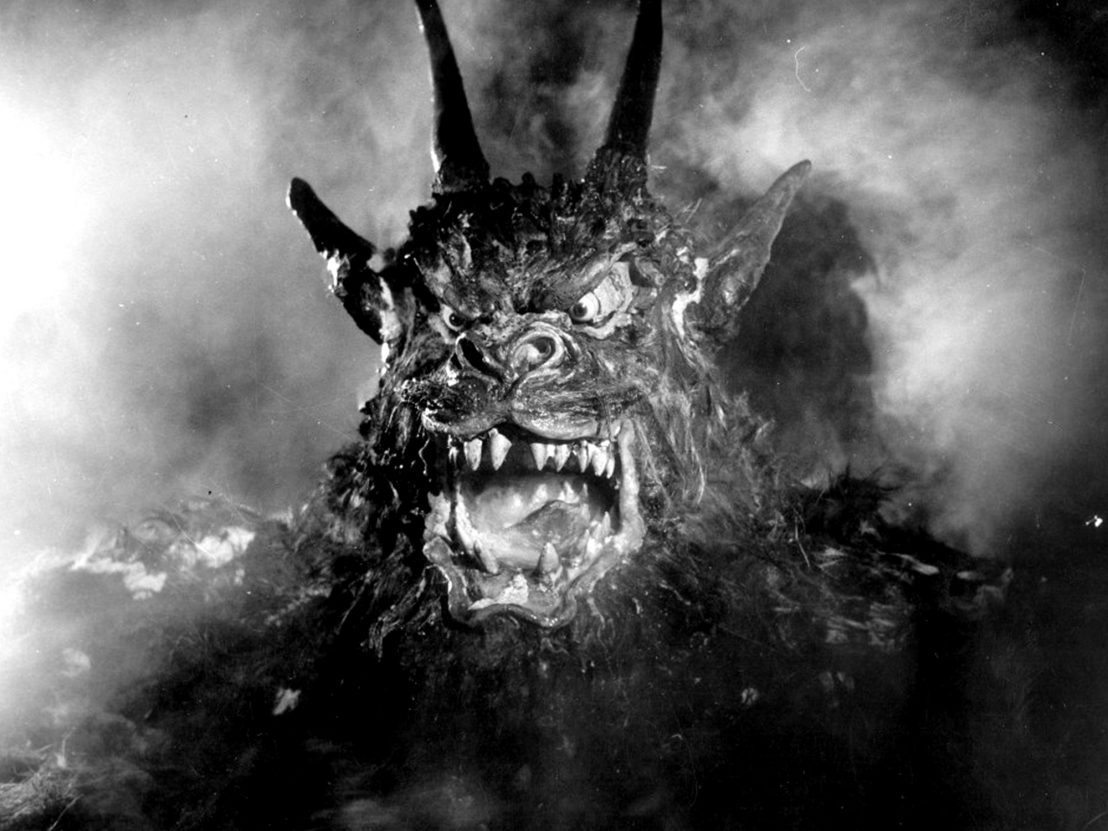
That being said, “Night of the Demon” famously breaks its own rule of suggestion with the appearance of the demon itself. The decision to show the creature, though effective in its own right as a well-crafted special effect, feels at odds with the film’s otherwise restrained approach. It’s a moment that has divided fans and critics for decades. While the demon’s appearance adds a visceral jolt of terror, it also slightly diminishes the intellectual tension that the film has been building, as it leaves little room for ambiguity. This shift doesn’t ruin the film, but it does introduce a jarring element that stands in contrast to the film’s carefully constructed atmosphere of psychological dread.
What ultimately makes “Night of the Demon” so compelling is its exploration of the conflict between reason and superstition. Dana Andrews is perfect as Holden, embodying the rational, scientific man whose scepticism is slowly chipped away by forces beyond his comprehension. Niall MacGinnis, meanwhile, is delightfully menacing as Karswell, a villain who oozes charm and menace in equal measure. The interplay between the two is riveting, as the stakes rise and Holden’s rational world crumbles.
In the end, “Night of the Demon” is more than a simple horror film, it’s an exploration of how easily our certainties can be upended by forces we can’t explain. It’s a film that lingers long after it’s over, leaving you with a nagging sense that perhaps, just perhaps, there are more things in heaven and earth than are dreamt of in our philosophies. A classic of subtle horror, “Night of the Demon” earns its place in cinematic history by masterfully walking the line between scepticism and belief, offering viewers a tantalizing glimpse into the abyss.
 Roses Have Thoughts
Leave a comment