
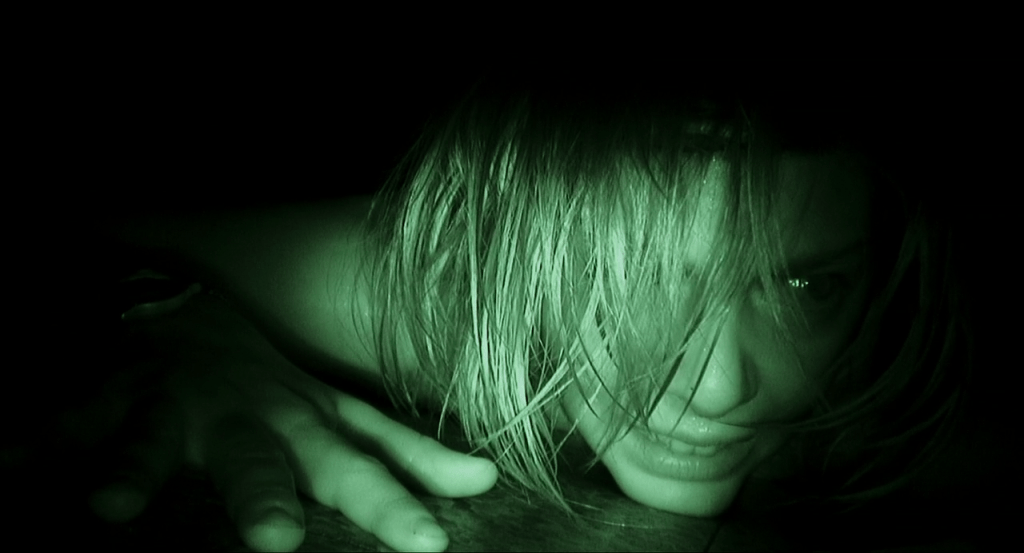

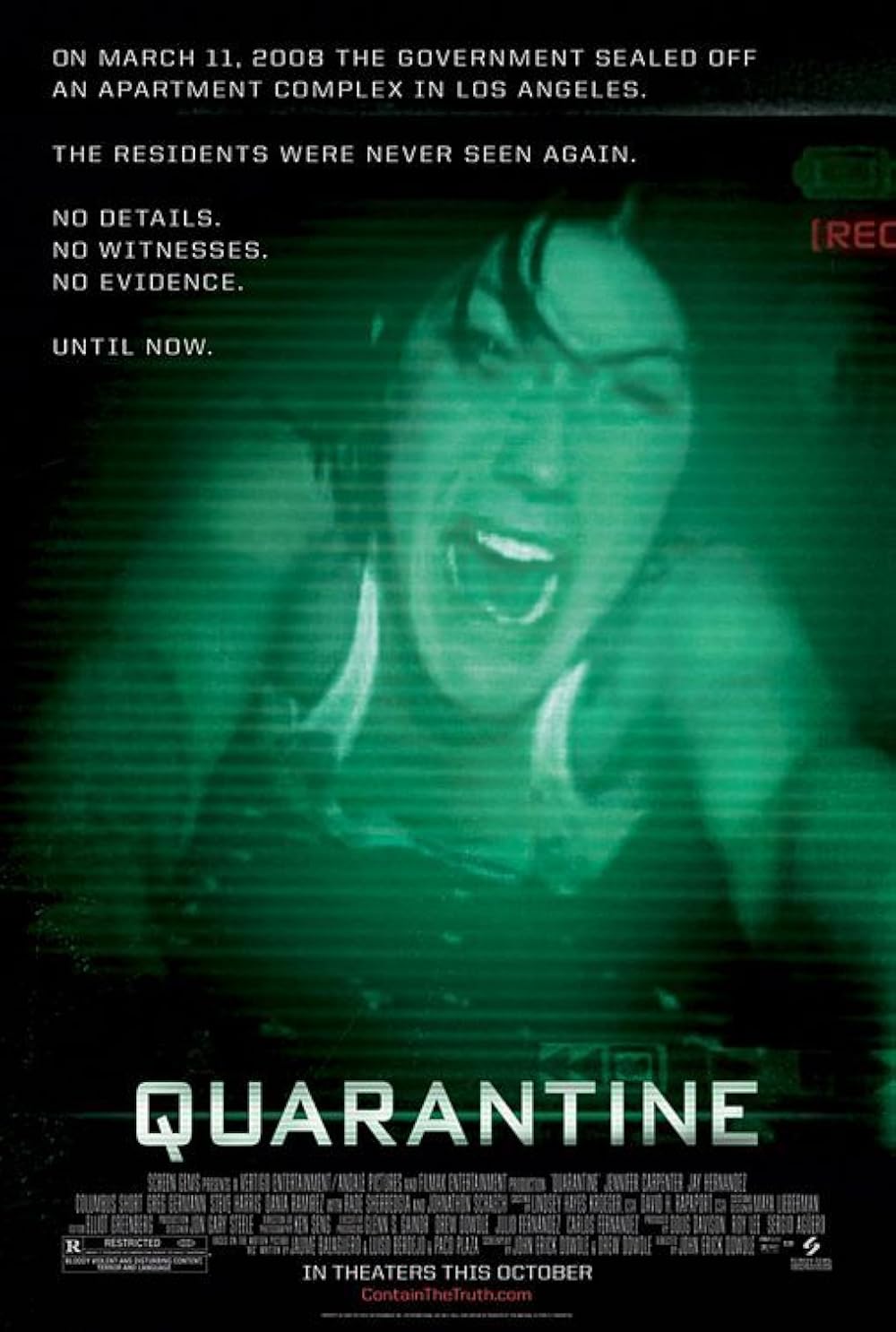
When it comes to horror, there’s often a fascination with how cultural context can shape the same story differently. The Spanish film [REC] (2007) and its American remake Quarantine (2008) present an intriguing case study in this regard. Both films, at their core, are about a late-night television crew who find themselves trapped in an apartment building where a deadly infection spreads. However, while REC is a taut, claustrophobic masterpiece of found-footage horror, Quarantine feels like a glossy reproduction that misses much of what made the original so effective. The differences between the two films go beyond language; they reflect differing sensibilities in pacing, atmosphere, and what it means to scare an audience.

Directed by Jaume Balagueró and Paco Plaza, REC thrusts its viewers into terror from the very beginning. We follow Angela (Manuela Velasco), a chipper TV reporter filming a “night in the life of a firehouse” segment, as she and her cameraman accompany firefighters on what seems like a routine call. What unfolds is anything but routine: the residents of an apartment building are becoming unhinged, infected by an inexplicable and violent disease. Filmed in real-time through the lens of a handheld camera, REC doesn’t allow the audience to look away, forcing us to witness every moment of chaos and dread alongside its characters.
REC uses its found-footage technique to devastating effect. The camerawork is jittery, and disorienting, but entirely immersive, giving viewers the sense that they, too, are trapped inside this decaying building with no way out. The decision to let the camera operator, Pablo, become a character, his breathing, panic, and reactions integral to the experience, grounds the film in a kind of grim authenticity. Even in moments of abject horror, there’s a sense that this isn’t just a film, but something captured live, unfiltered.

By contrast, Quarantine, directed by John Erick Dowdle, feels more polished and, consequently, more detached. It follows the original almost shot-for-shot, yet the palpable terror and immediacy of REC are lost in translation. Jennifer Carpenter takes on the role of Angela (renamed as Angela Vidal). While her performance is earnest, it lacks the naturalistic charm and subtle panic that Velasco brings to the role. Where REC builds tension slowly, keeping its mystery intact until the final moments, Quarantine seems almost eager to get to the jump scares, which can cheapen the sense of unfolding horror.
One of the most significant differences between REC and Quarantine lies in the cultural specificity of each film. REC feels rooted in its Spanish setting, and while it deals with universal fears, contagion, isolation, and death, the atmosphere it creates is distinctly European. There’s a roughness, an unpolished edge to the building, the people, and the chaos that feels very much a part of its Madrid location. The police, the residents, the way authority handles the crisis, everything speaks to a specific social order, and that’s part of what makes the horror so tangible. The film never over-explains itself, trusting the audience to feel the fear without being spoon-fed answers.

On the other hand, quarantine feels slicker and more packaged for an American audience. The setting, though nearly identical in structure, feels like a facsimile rather than an organic part of the narrative. The building’s residents are diverse, but in a way that feels almost like a deliberate checkbox for demographic representation. The urgency to explain everything, from the nature of the infection to the government’s response, drains some of the mystery. There’s a difference in philosophy: REC understands that the unknown is terrifying, while Quarantine seems afraid to leave anything to the imagination.
Both films share the same frenetic climax, with the last act unfolding in the eerie, claustrophobic penthouse where the virus’s origins are hinted at but never fully explained. Yet even here, REC outshines its American counterpart. The final moments of REC are drenched in a kind of primal terror. In pitch darkness, the camera’s night vision mode reveals horrors that we, and the characters—are almost too afraid to comprehend. There’s a rawness to the fear, as Angela is dragged into the unknown, screaming, and the camera drops to the floor, leaving the audience in stunned silence.

In Quarantine, this sequence is recreated almost identically, but the impact isn’t the same. Jennifer Carpenter’s screaming is more pronounced, but louder doesn’t necessarily mean scarier. The sense of total hopelessness, of being at the mercy of forces beyond comprehension, is dulled by the film’s overreliance on familiar horror tropes. It’s as if Quarantine follows the formula without truly understanding the essence of what made REC so effective.
Ultimately, the comparison between REC and Quarantine comes down to a question of authenticity. REC feels like a story being told in real-time, a horrific event that we are witnessing rather than watching. It’s intimate, terrifying, and deeply unsettling. Quarantine, while competent and sometimes frightening, feels more like a re-enactment. The soul of the film, its authenticity, and its rawness get lost in translation.
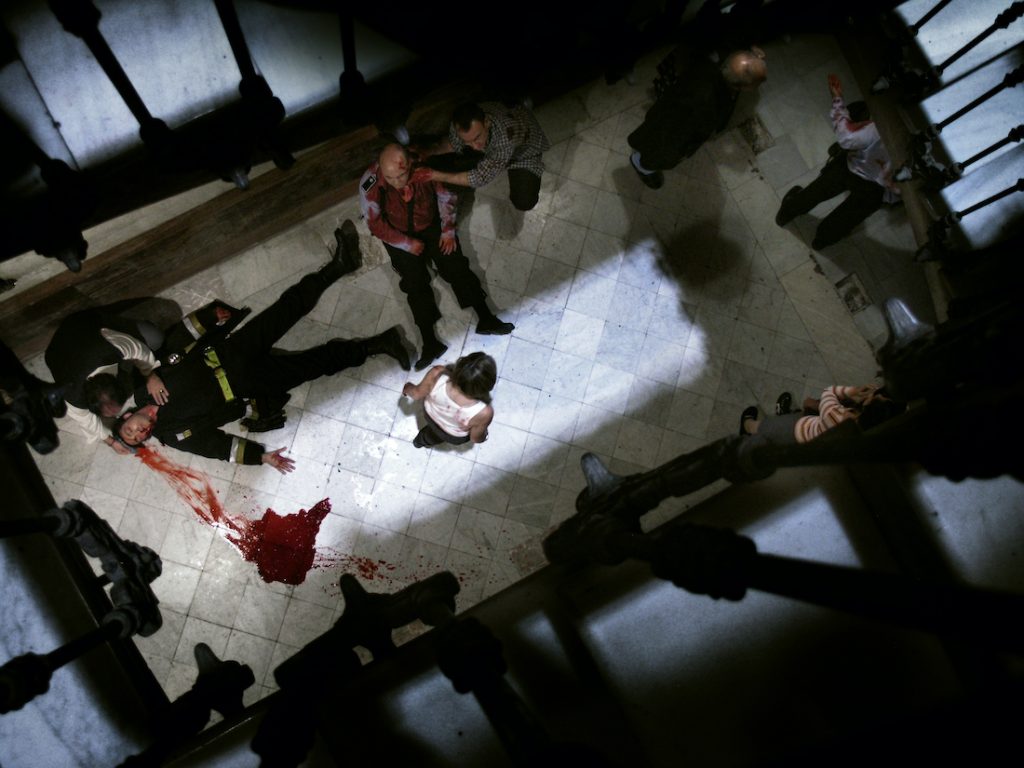
Both films have their merits. Quarantine is likely to appeal to audiences unfamiliar with REC or those who prefer a more traditional American horror aesthetic. But for those seeking a purer, more visceral horror experience, REC is the superior film. It understands the power of suggestion, of minimalism, and of letting the audience fill in the blanks. Where Quarantine stumbles, REC slices through with precision, leaving an indelible mark on the found-footage genre.
 Roses Have Thoughts
Leave a comment