
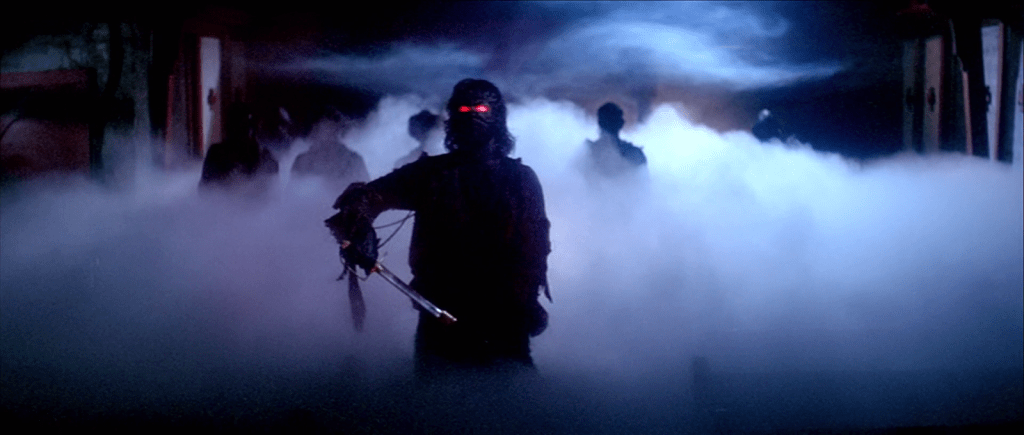

Synopsis- Folks get ready to celebrate the centenary of Antonio Bay. But, many had suffered due to crimes that founded this town. Now, they rise from the sea, under the cover of the fog, to claim retribution.
Director- John Carpenter
Cast- Jamie Lee Curtis, Janet Lee, Adrienne Barbeau
Released- 1980
John Carpenter’s The Fog is a hauntingly effective piece of horror cinema, a ghost story that builds its power through mood and atmosphere rather than gore or relentless action. It’s a film that understands the language of suspense, carefully weaving its tale of supernatural revenge with a sense of inevitability and dread. The slow, steady creep of the fog over the coastal town of Antonio Bay mirrors Carpenter’s meticulous approach to horror.
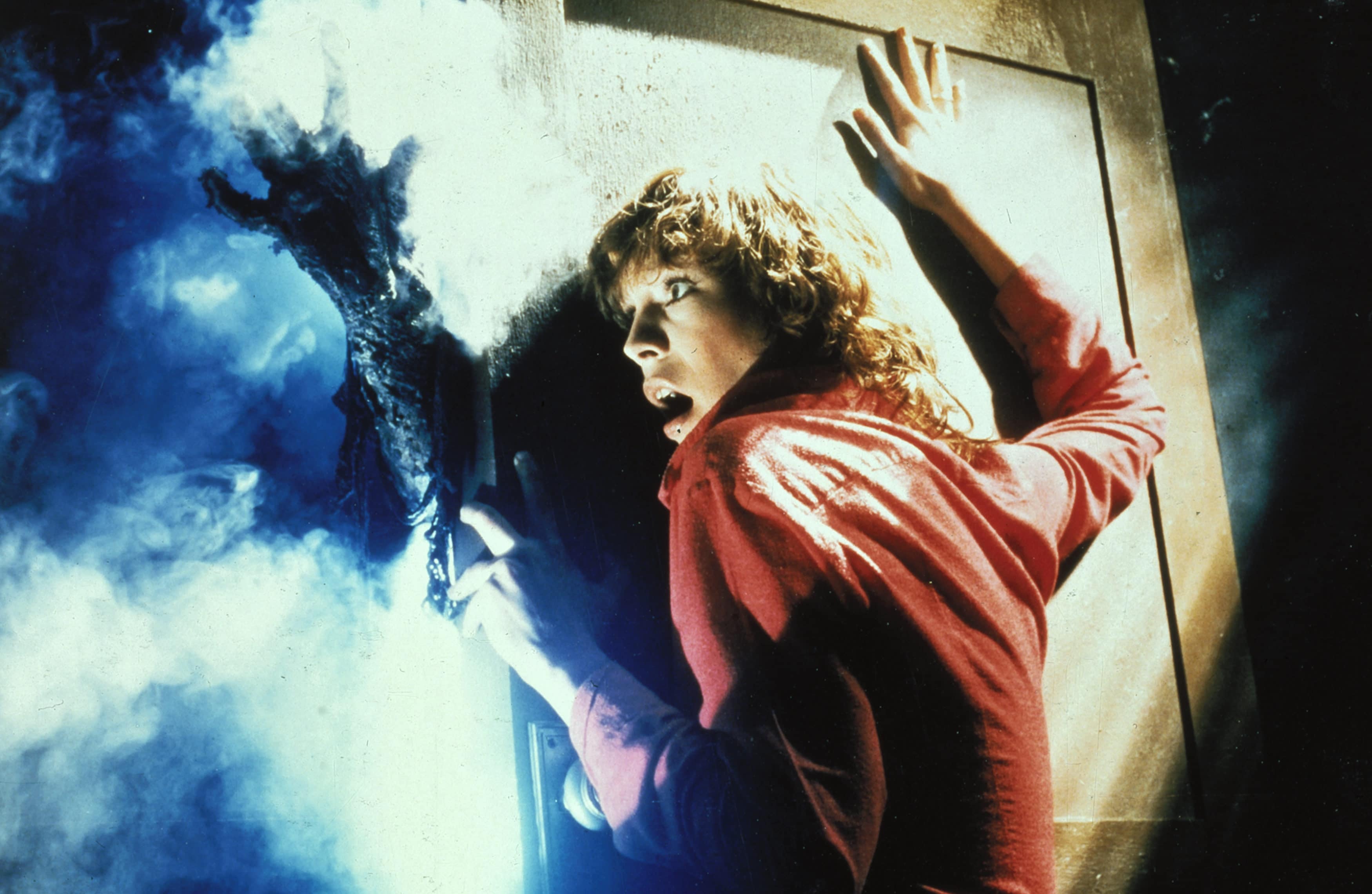
Set in a small, picturesque California town preparing for its centennial celebration, The Fog introduces us to a diverse cast of characters: a radio DJ (Adrienne Barbeau) broadcasting from a lighthouse, a priest (Hal Holbrook) uncovering a dark secret, and a hitchhiker (Jamie Lee Curtis) who gets swept up in the chaos. The town’s peaceful veneer is shattered when a mysterious, glowing fog rolls in from the sea, bringing with it vengeful spirits from a century-old shipwreck. What begins as eerie phenomena—a car’s lights flickering, strange noises in the night—quickly escalates into full-blown terror as the fog conceals murderous specters seeking retribution for past wrongs.
What sets The Fog apart from the flood of slasher films that dominated the late 70s and early 80s is Carpenter’s reliance on atmosphere. There’s a slow burn to the way he unfolds the story, trusting the audience to wait for the fog to envelop them just as it envelops the town. Carpenter, who also composed the film’s score, uses his minimalist music to create a palpable sense of unease. The synthesizer tones are simple, but their repetitive, haunting quality keeps the tension simmering. Like his earlier masterpiece, Halloween (1978), Carpenter’s use of music and silence is masterful, with quiet moments punctuated by sudden bursts of dread.
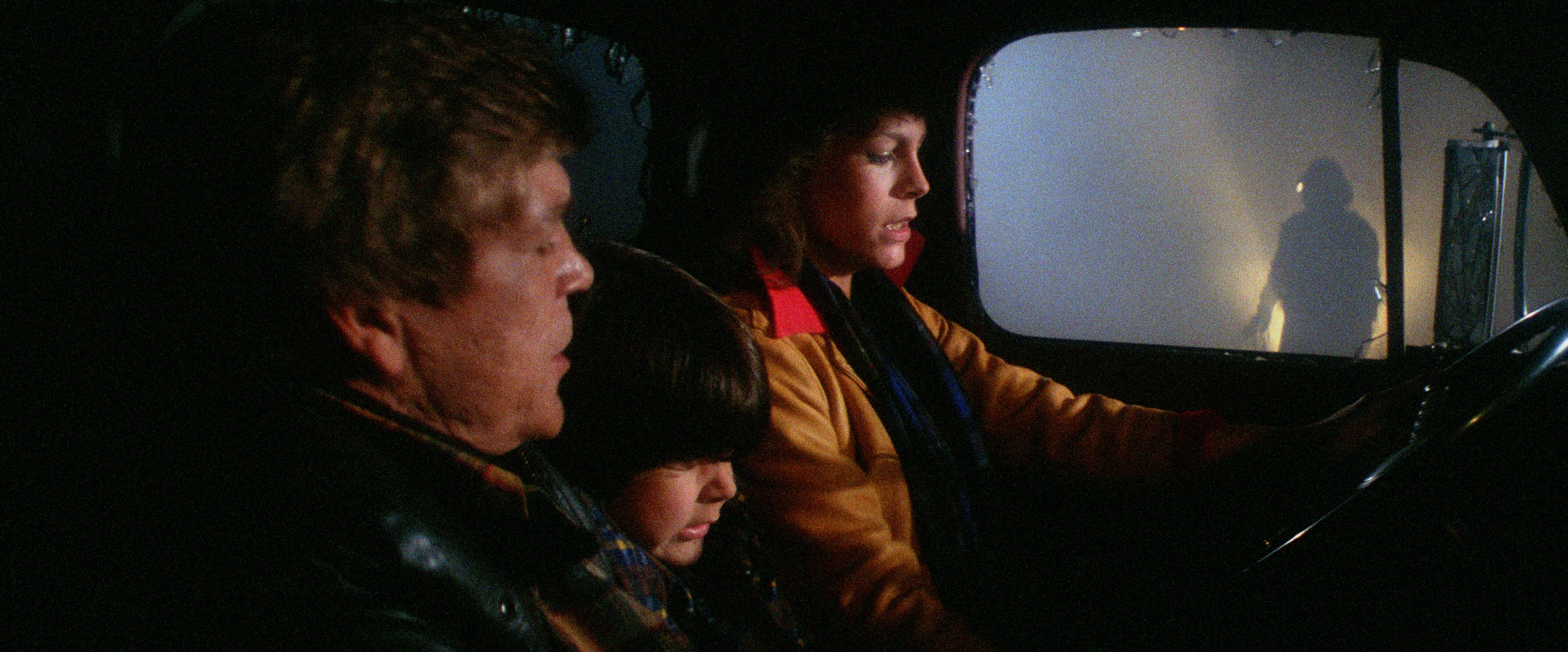
The fog itself is a character in the film, a literal and metaphorical shroud that hides the film’s malevolent forces. Carpenter’s decision to keep the ghostly figures mostly obscured in the fog makes them more terrifying. We don’t see them clearly; we only catch glimpses of shadows moving within the mist, and that ambiguity heightens the terror. It’s a clever technique, playing on our fear of the unknown and leaving much to the imagination.
Adrienne Barbeau, as Stevie Wayne, delivers a standout performance. Her radio DJ, isolated in her lighthouse, serves as a kind of watchtower for the town, her voice guiding us through the storm. Barbeau’s sultry, hypnotic tones create an almost dreamlike quality as she warns the town of the impending danger. Jamie Lee Curtis, the scream queen of Halloween, provides solid support, though her role here is less defined than Barbeau’s. The film’s ensemble cast—including Hal Holbrook as the guilt-ridden Father Malone—helps ground the supernatural events in a believable, lived-in world.

If The Fog has a flaw, it’s that the story’s pacing might test the patience of modern audiences. Carpenter’s methodical approach, while effective for building tension, sometimes leaves the film feeling like it’s holding back too much. The slow build pays off, but the resolution feels almost too quick, a brief release of the tension that has been so carefully constructed.
Despite these minor shortcomings, The Fog is an elegant, eerie ghost story that thrives on its simplicity. Carpenter doesn’t need elaborate special effects or buckets of blood to create fear, he uses the quiet isolation of the town, the oppressive presence of the fog, and the cold inevitability of revenge to craft a horror film that feels timeless. It’s not a shock-a-minute ride, but that’s precisely its strength. The Fog gets under your skin and stays there, much like the mist that swirls around its characters.

In the end, The Fog is a reminder of Carpenter’s gift for creating horror out of mood and suggestion. It’s an almost perfect star ghost story that remains as chilling today as I imagine it was when it first rolled into theatres.
 Roses Have Thoughts
Leave a comment