

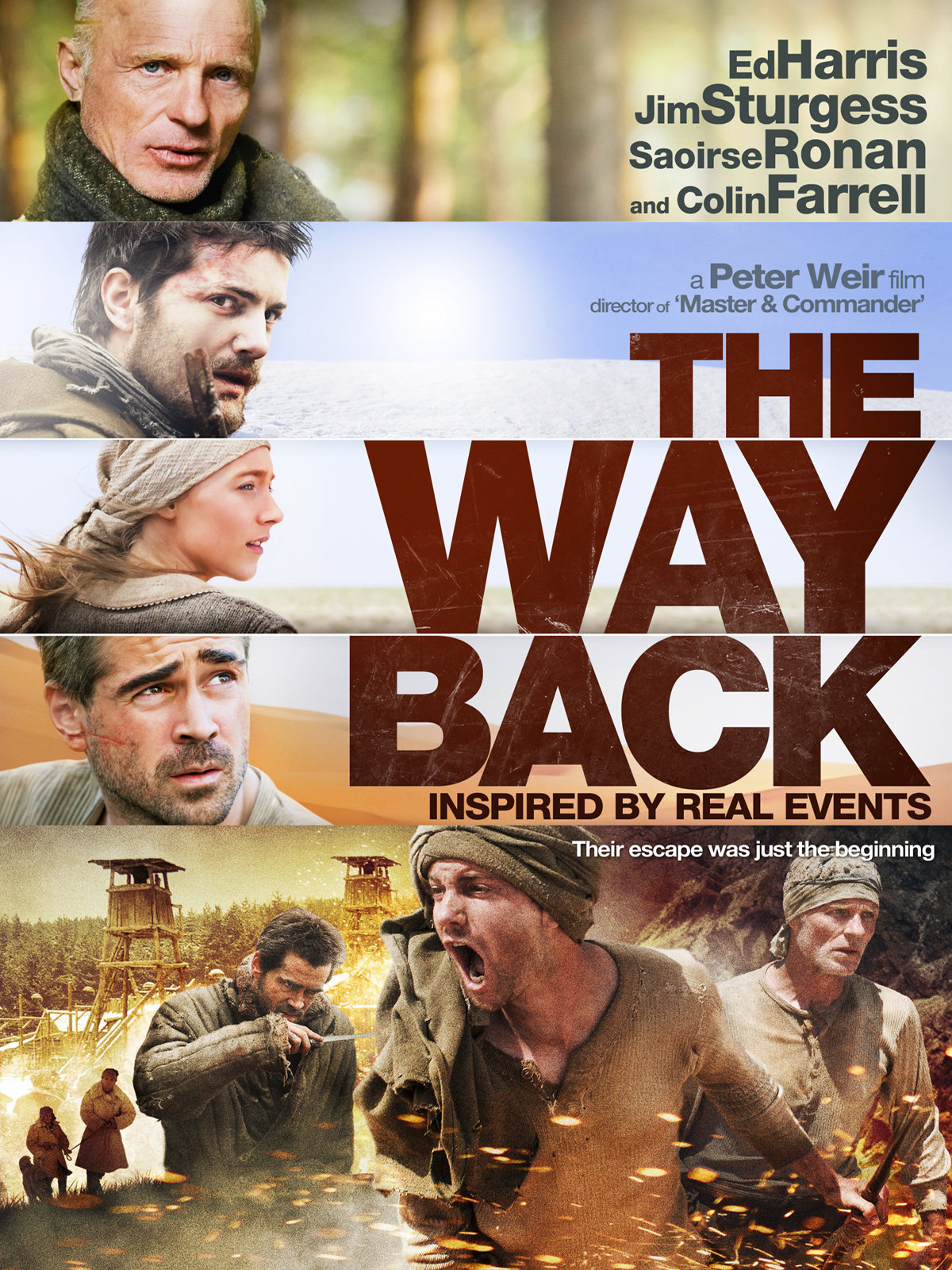
Synopsis- An army officer, sentenced to 20 years in a Siberian Gulag, makes a successful escape with a few other inmates. But they must travel 4,000 miles on foot before they can reclaim their freedom.
Director- Peter Weir
Cast- Colin Farrell, Jim Sturgess, Saoirse Ronan, Ed Harris
Released- 2010
Peter Weir’s The Way Back is a film that aims for epic grandeur but lands somewhere short of its lofty ambitions. Based on the disputed memoir The Long Walk, it tells the harrowing story of a group of prisoners who escape from a Siberian gulag during World War II and embark on an agonizing 4,000-mile trek to freedom. While there’s no doubt about the physical challenges the characters face, the film struggles to translate that survival into an emotionally gripping narrative.
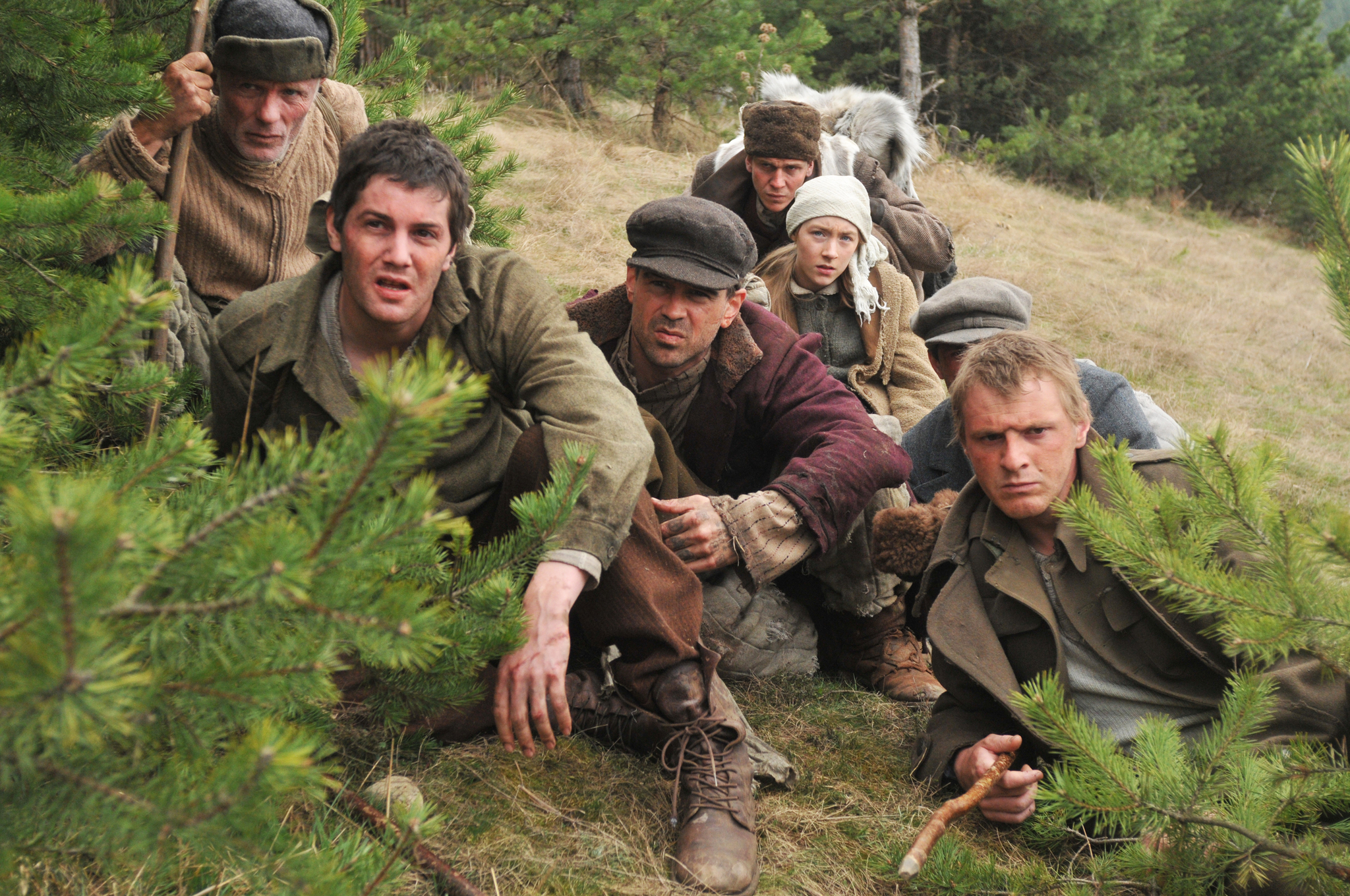
Weir is no stranger to stories of human endurance (Master and Commander, The Truman Show), and here he presents an undeniably beautiful film, with sweeping vistas that highlight the vast, indifferent landscapes the escapees traverse. The cinematography is breathtaking, particularly in its depiction of the Siberian wilderness, the arid Mongolian desert, and the rugged terrain of the Himalayas. There’s a sense of scale here that’s rare in contemporary cinema, and for much of the film, it’s the visuals that hold the viewer’s attention more than the human drama.
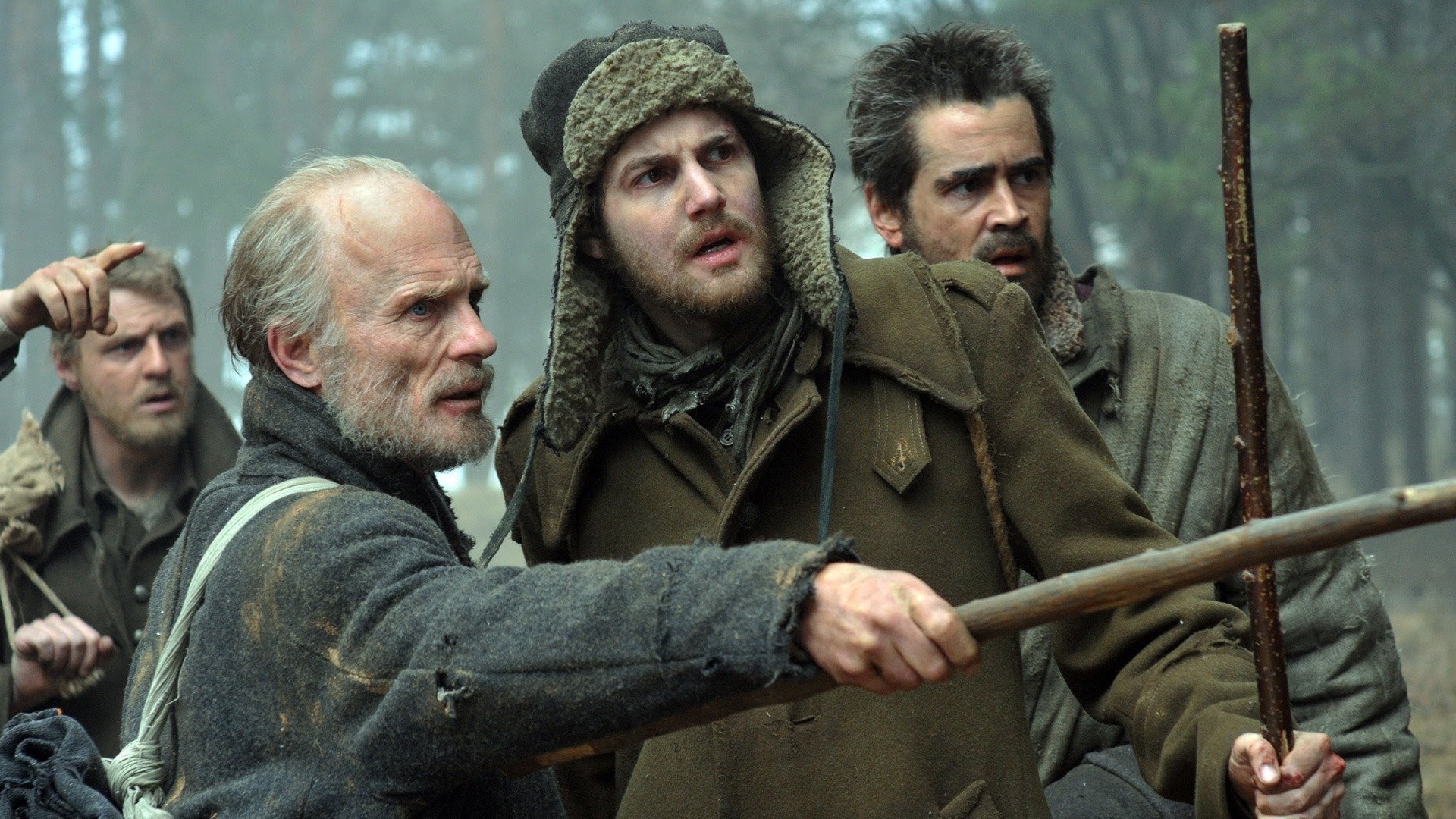
The ensemble cast, led by Jim Sturgess as the group’s moral centre Janusz, Colin Farrell as the volatile Russian criminal Valka, and Ed Harris as the world-weary American Mr. Smith, do their best to infuse life into characters that are more symbols of resilience than fully realized individuals. Sturgess, in particular, carries the weight of the film with a quiet determination, but his character, like the others, is given little in the way of depth. We know Janusz wants to return to his wife, and we know Mr Smith has his own personal demons, but these backstories feel more like afterthoughts, tacked on to give the illusion of emotional stakes rather than building organically.
Farrell’s performance as Valka, a swaggering, knife-wielding thug, is the film’s most dynamic, injecting some much-needed energy into the sombre proceedings. But even he fades into the background as the journey wears on, and the group’s unity feels more like a plot necessity than a meaningful connection between characters. Weir seems more interested in the grandeur of survival than in the internal lives of his protagonists, and that’s where the film stumbles. The Way Back captures the physical toll of the journey, but not the emotional one.
The film’s pacing is also a challenge. At over two hours, The Way Back feels every bit its length, and though the cinematography is stunning, the repetitiveness of the characters trudging across endless terrain wears thin. The journey should feel like an evolution, a gradual transformation as these men confront death, despair, and hope, but it unfolds with a sense of monotony that undercuts the intended emotional weight.
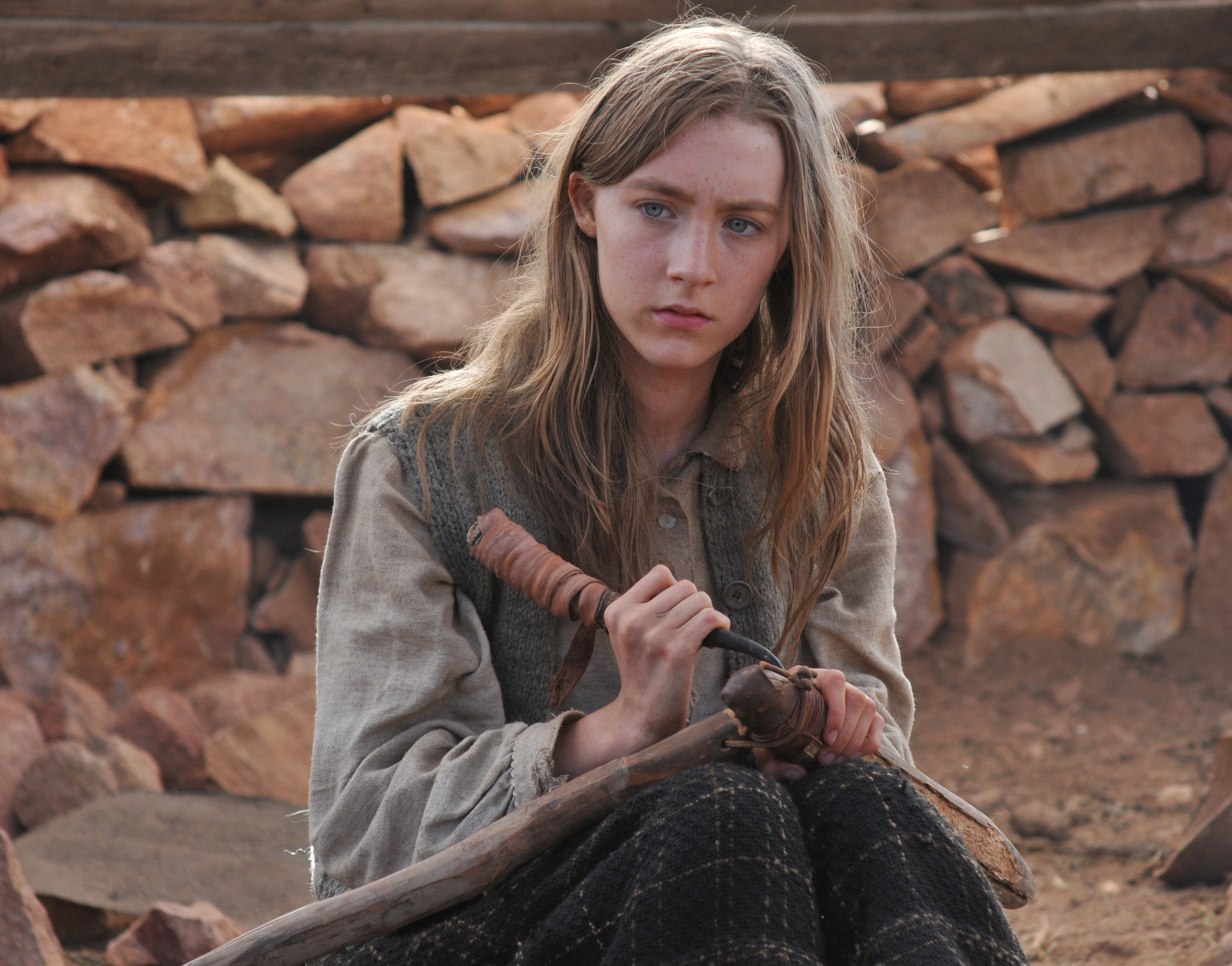
What The Way Back gets right is its depiction of survival as an act of endurance, both physically and mentally. But the film never lets us get close enough to its characters to feel the full weight of their struggle. We observe their pain, but we don’t live it with them. Weir delivers a film that is undeniably impressive in scope but curiously cold in its execution.
In conclusion, The Way Back is a film that, while visually stunning, ultimately falls short of its emotional potential. It’s a slightly above-average story. An admirable and ambitious effort, but one that leaves the viewer more in awe of the landscape than the human spirit it seeks to celebrate. For all its beauty and suffering, it remains a film you appreciate rather than feel.
 Roses Have Thoughts
Leave a comment