
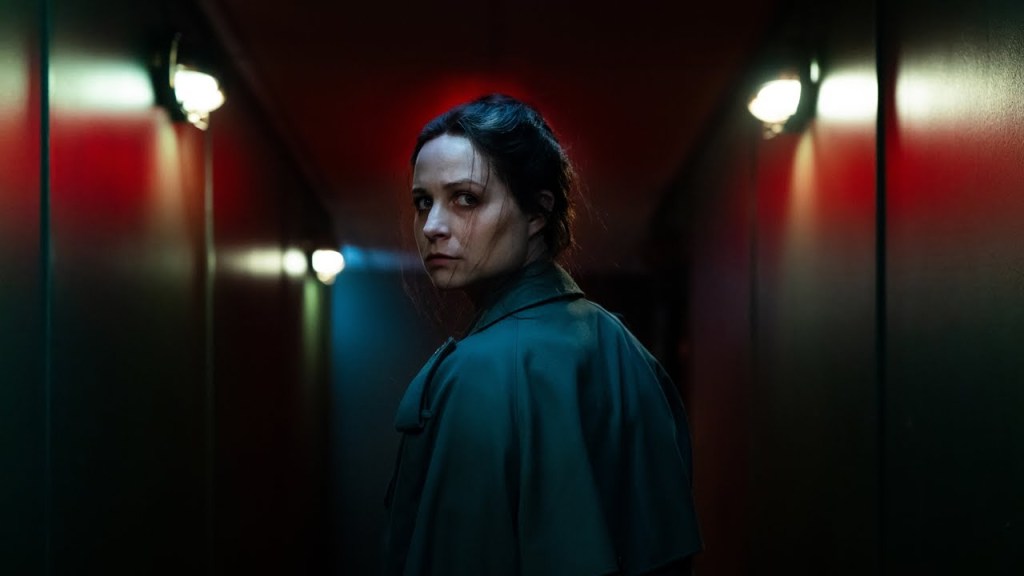

Synopsis- After watching a movie, a woman believes her missing sister is the actress and decides to find her. However, things get escalated and she finds herself in a difficult and confusing situation.
Director- Prano Bailey-Bond
Cast- Niamh Algar, Bo Bragason, Jonathan Taylor Thomas
Released- 2021
In Censor (2021), director Prano Bailey-Bond invites viewers into a chilling psychological thriller that balances on the fine line between reality and illusion. Set against the backdrop of 1980s Britain during the “Video Nasty” era, the film cleverly intertwines political commentary with psychological horror, resulting in an eerie, atmospheric tale. While at times uneven, it remains a gripping meditation on trauma, repression, and the slippery nature of memory.

At the heart of Censor is Enid Baines, portrayed with unsettling precision by Niamh Algar. Enid is a censor for the British government, responsible for reviewing and classifying violent films. Her work consists of cutting out grotesque imagery in order to protect the public from what is considered moral decay. Algar delivers a nuanced performance, deftly portraying Enid’s tightly controlled professionalism alongside her inner turmoil. Beneath her calm, clinical exterior, Enid is haunted by the disappearance of her sister, and the film’s central tension grows out of her unresolved trauma.
Bailey-Bond’s debut feature is steeped in moody, atmospheric visuals. The grim interiors of the censor’s office and the grainy footage of the films Enid watches contrast sharply, creating a sense of disorientation and unease. The cinematography, paired with a deliberately retro aesthetic, plunges the viewer into a claustrophobic world where the boundaries between fiction and reality blur. As Enid becomes obsessed with a particular film that she believes holds clues to her sister’s fate, her psychological unravelling becomes as much the focus as the film’s exploration of censorship.

Where Censor excels is in its slow-burn narrative, steadily drawing the audience into Enid’s mental decline. Bailey-Bond manages to evoke tension not through overt violence, but through suggestion and psychological ambiguity, offering viewers an experience that is more unsettling than outright terrifying. The tension builds in a way reminiscent of 1970s horror films, focusing on atmosphere and character rather than cheap scares.
Yet, the film falters in its final act, where the line between psychological insight and genre cliché starts to blur. As Enid’s reality collapses, the film’s more surreal elements become overwhelming, leaving certain questions unanswered and relying on shock value. While visually stunning, the climax feels somewhat unsatisfying in its abruptness.
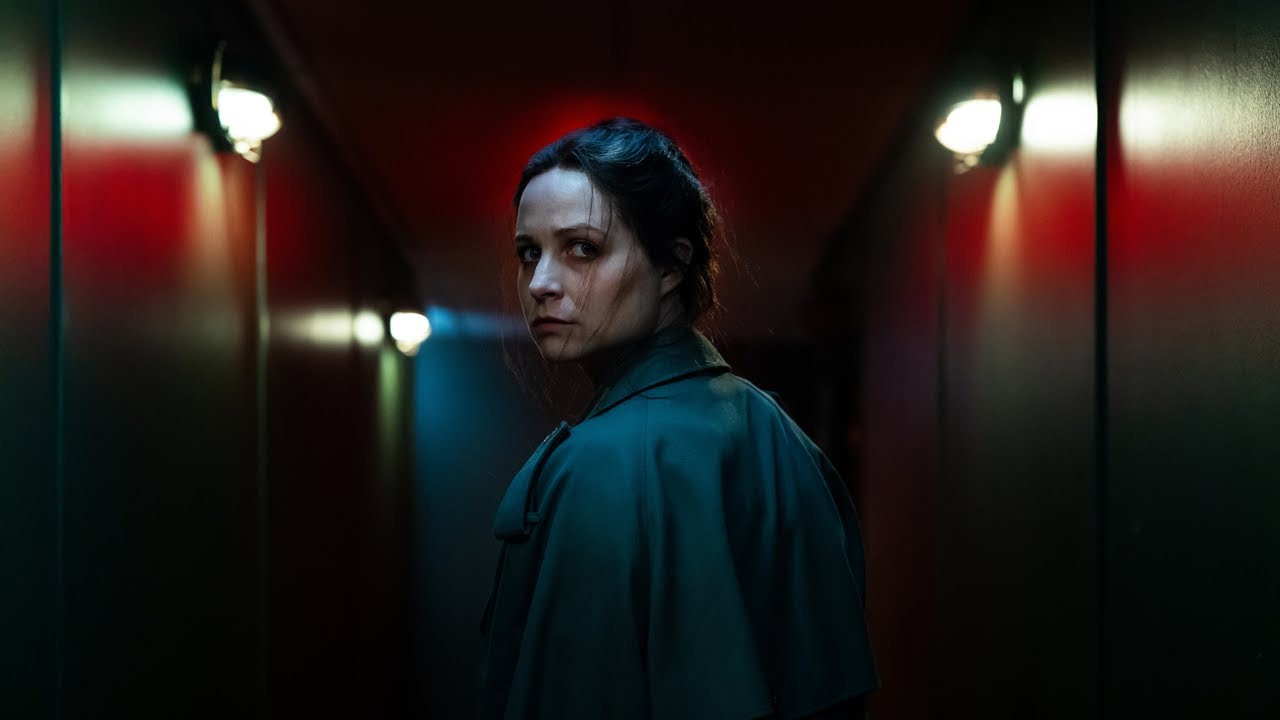
Censor is an ambitious, thought-provoking horror film that showcases Prano Bailey-Bond’s promise as a director. Despite its minor flaws, it successfully evokes a sense of dread while exploring the deeper horrors of the human psyche.
 Roses Have Thoughts
Leave a comment