
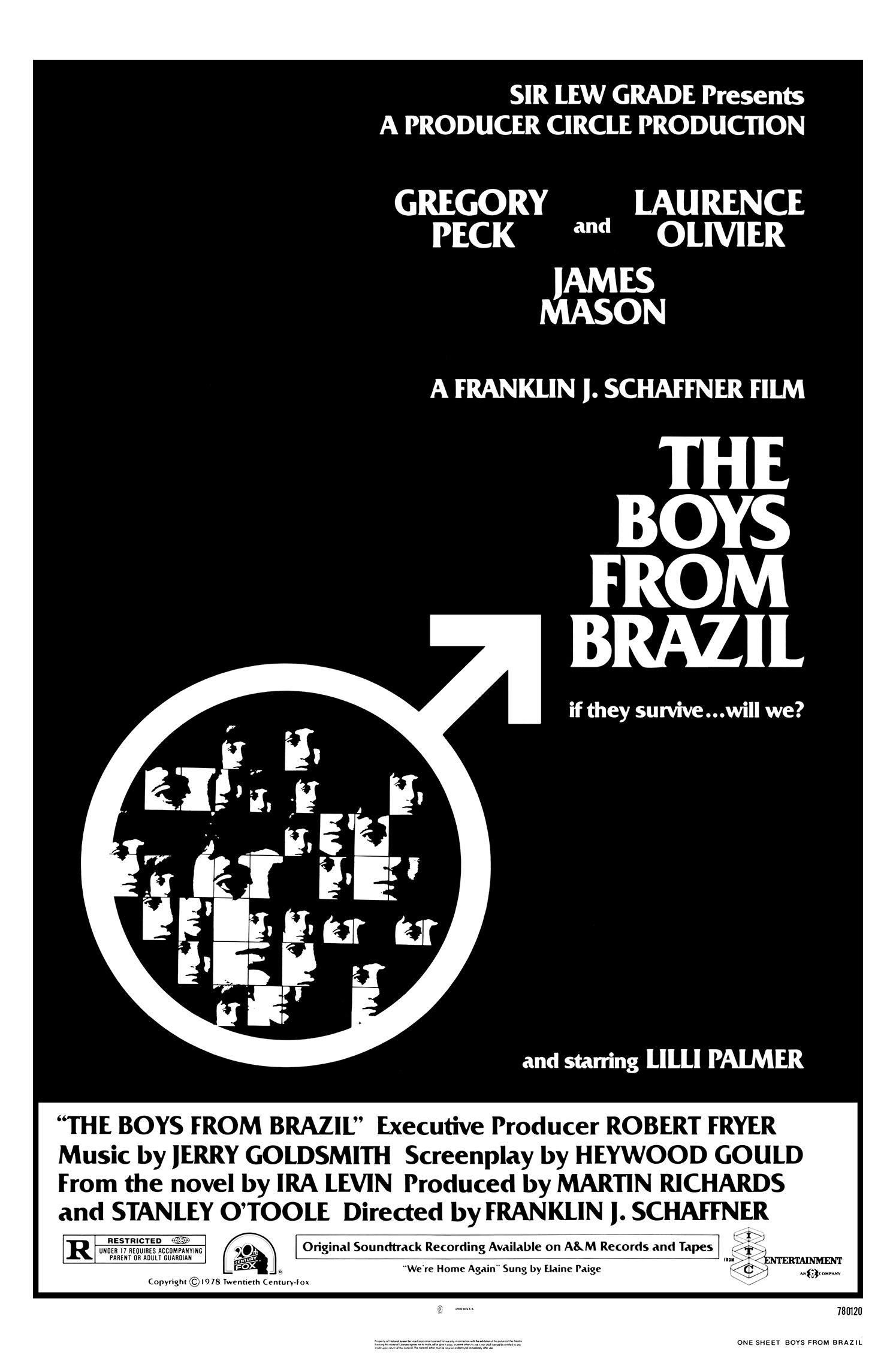
Synopsis- A young Nazi hunter uncovers a horrifying genetic conspiracy led by Dr. Josef Mengele, who aims to clone Adolf Hitler and establish a Fourth Reich
Director- Franklin J. Schaffner
Cast- Gregory Peck, Laurence Olivier, James Mason
Genre- Thriller | Science Fiction
Released- 1978
Franklin J. Schaffner’s The Boys from Brazil is a gripping, unsettling thriller that blends historical horrors with speculative science fiction, delivering a film that is both provocative and entertaining. With its bold premise, strong performances, and a haunting score, the movie captures the paranoia of its era, exploring the terrifying possibility of history repeating itself.
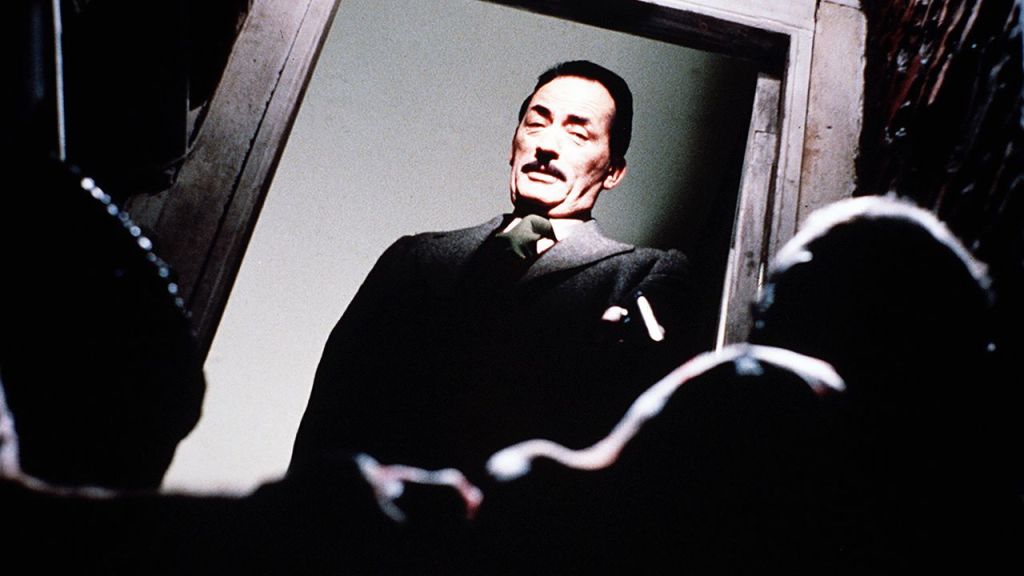
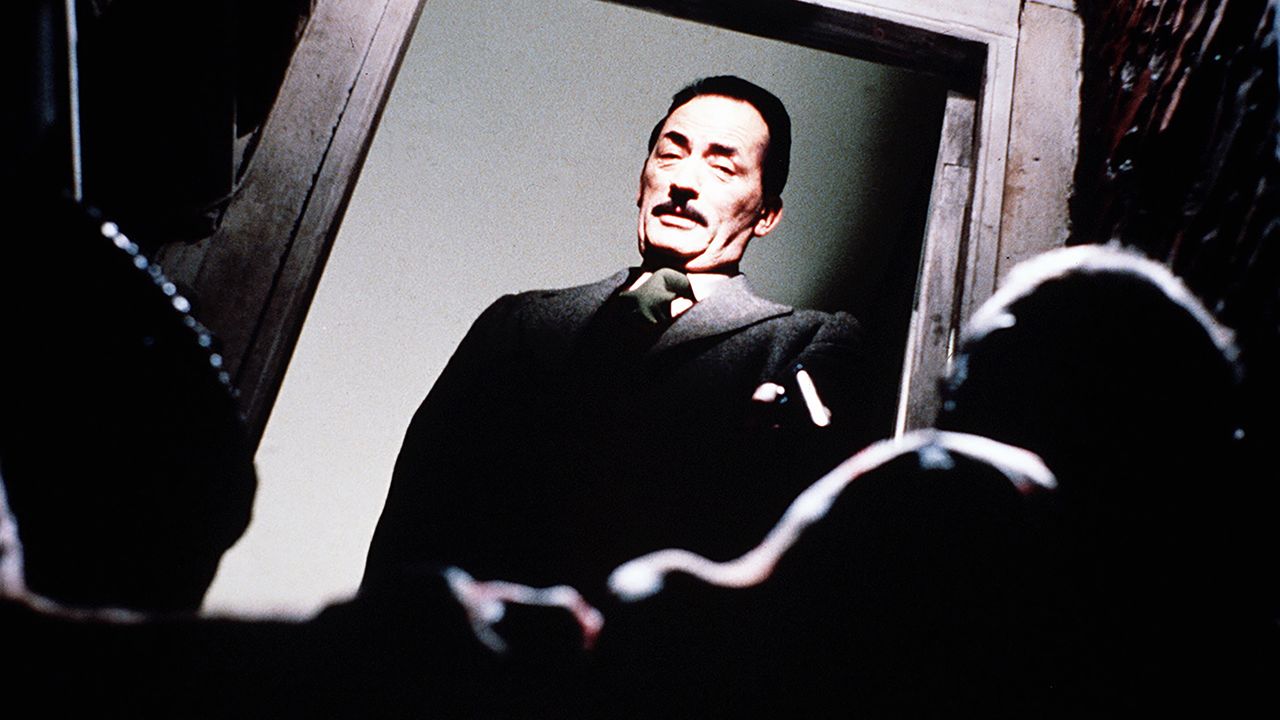
At the film’s centre is the infamous Dr. Josef Mengele, chillingly portrayed by Gregory Peck in a rare villainous turn. Mengele’s sadistic brilliance and unwavering fanaticism drive the story’s tension, as he orchestrates a chilling experiment to recreate the conditions that shaped Adolf Hitler’s psyche. Peck’s performance is cold, calculated, and unnervingly convincing, proving that even a veteran of heroic roles can embody true evil when the script demands it.
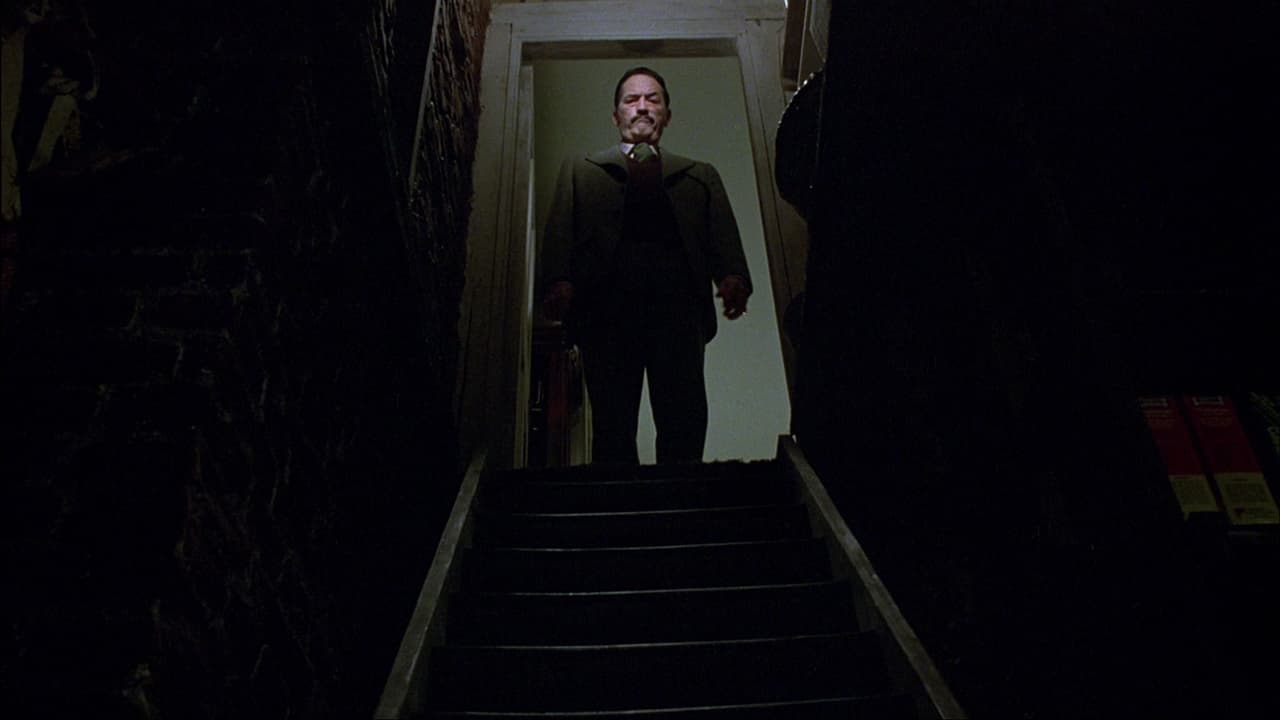
Opposite Peck is Laurence Olivier as Ezra Lieberman, a weary but determined Nazi hunter inspired by real-life figure Simon Wiesenthal. Olivier portrays Lieberman with an endearing mix of vulnerability and tenacity, transforming him into a symbol of justice in a world that often seems indifferent to its darker corners. The cat-and-mouse dynamic between Lieberman and Mengele creates an engaging narrative backbone, as their ideological clash unfolds against a backdrop of global conspiracy.
The script, adapted from Ira Levin’s novel, is tightly paced, maintaining suspense as it navigates complex ideas about morality, identity, and the dangers of unchecked power. While the concept of cloning Hitler might seem far-fetched, the film treats its premise with enough gravitas to keep audiences invested. The story cleverly intertwines science and history, raising disturbing questions about nature versus nurture and the potential misuse of technology.
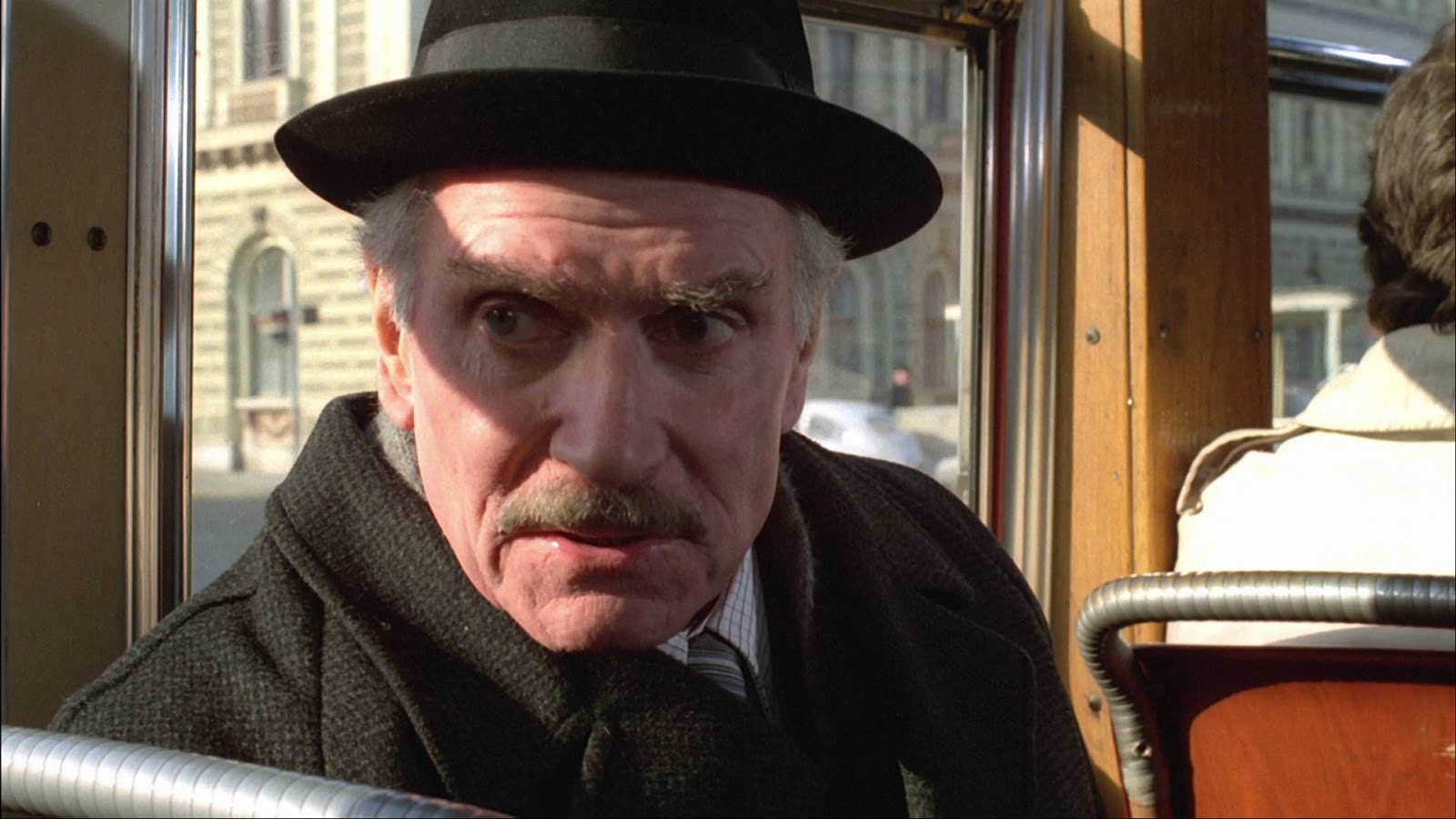
Schaffner’s direction is effective, if occasionally heavy-handed. The film’s visual style alternates between the sterile environments of laboratories and the raw, unsettling chaos of Mengele’s hideouts, emphasizing the clash between calculated evil and moral resistance. Jerry Goldsmith’s haunting score amplifies the film’s tension, lingering long after the credits roll.
Despite its strengths, The Boys from Brazil is not without flaws. Some scenes lean into melodrama, diluting the film’s otherwise chilling tone. Additionally, while the central conflict is compelling, the supporting cast and subplots occasionally feel underdeveloped, leaving parts of the narrative feeling uneven.
Still, these shortcomings do little to diminish the film’s impact. The Boys from Brazil remains a bold and thought-provoking thriller that tackles weighty themes with intelligence and urgency. Its speculative premise and historical resonance ensure that it lingers in the mind, offering both entertainment and food for thought.
For audiences intrigued by stories that blend history, science, and ethical dilemmas, The Boys from Brazil delivers a chilling and engrossing experience. With powerhouse performances and a provocative premise, it’s a film that continues to resonate decades after its release.
 Roses Have Thoughts
Leave a comment