
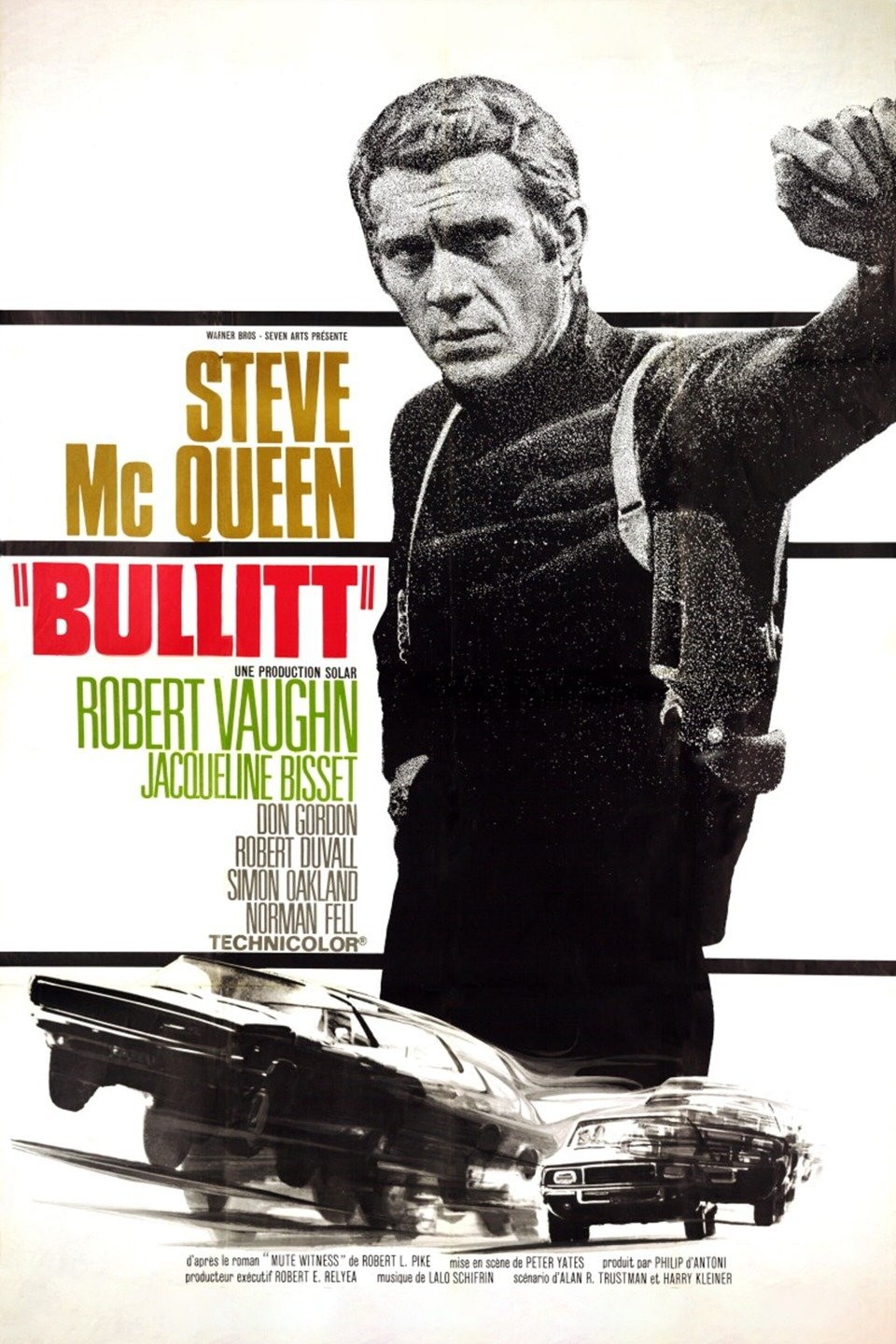
Synopsis- Lieutenant Frank Bullitt investigates a botched witness protection assignment that leads to a tense cat-and-mouse chase through San Francisco, culminating in one of cinema’s most iconic car chases.
Director- Peter Yates
Cast- Steve McQueen, Robert Vaughn, Jacqueline Bisset
Released- 1968
Peter Yates’ Bullitt (1968) is a sleek, taut thriller that redefined the police procedural with its understated storytelling, gritty realism, and a car chase that became the gold standard of action cinema. Anchored by Steve McQueen’s magnetic performance, Bullitt is as much about mood and style as it is about plot, cementing its place as a quintessential piece of 1960s cool.
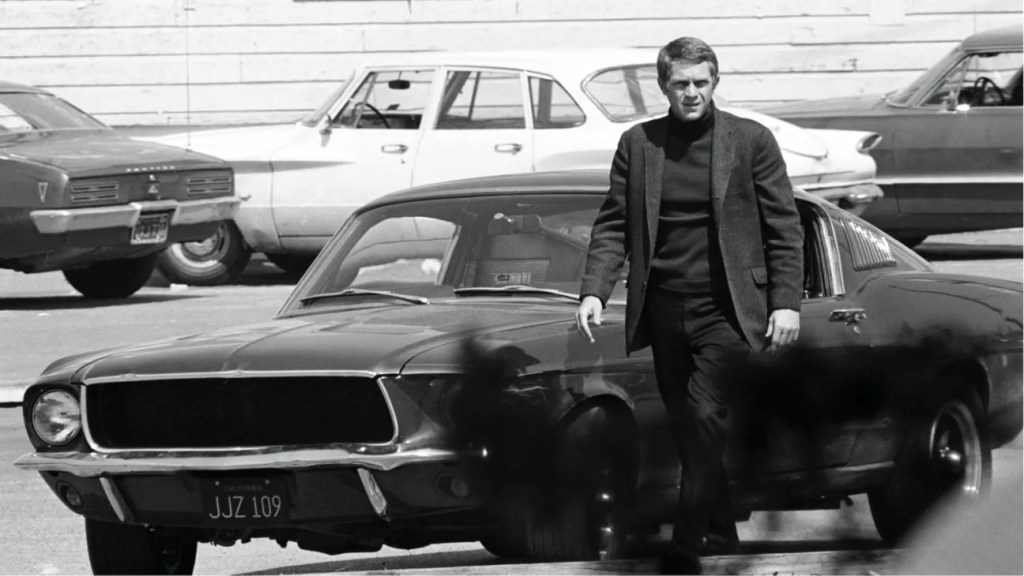
McQueen stars as Lieutenant Frank Bullitt, a San Francisco cop with an unflappable demeanour and an unwavering sense of duty. McQueen’s portrayal is a masterclass in minimalism; his Frank Bullitt speaks more with his eyes and body language than with words, exuding an aura of controlled intensity. McQueen doesn’t just play Bullitt—he becomes him, embodying a character who navigates the gritty underbelly of law enforcement with quiet confidence and moral resolve.

The plot begins simply enough: Bullitt is tasked with guarding a key witness in a high-profile case. When the witness is assassinated under suspicious circumstances, Bullitt must unravel a conspiracy that stretches beyond his immediate jurisdiction. The film doesn’t spoon-feed its audience, trusting viewers to keep up with its clipped dialogue, layered clues, and intricate procedural details.
Yates’ direction is razor-sharp, making excellent use of San Francisco’s unique geography to lend the film an atmospheric quality. The city is as much a character as any of the actors, its steep hills, winding streets, and shadowy alleys providing the perfect stage for the unfolding drama.
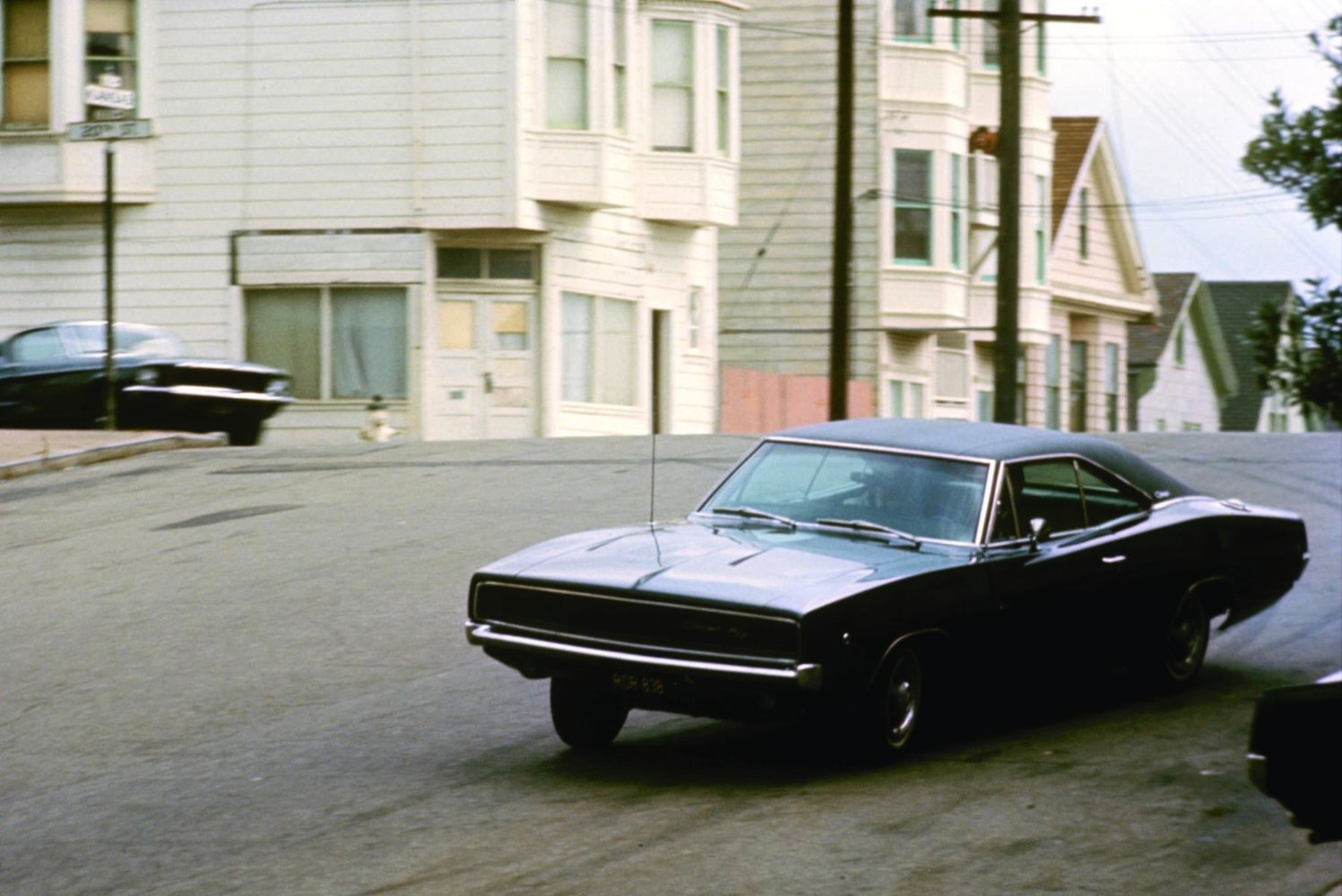
Of course, no discussion of Bullitt would be complete without mentioning its legendary car chase. This nearly 10-minute sequence, set to no music and punctuated by the roar of engines and squealing tires, is a visceral masterpiece. McQueen, performing many of his own driving stunts in his Ford Mustang GT, injects the scene with a palpable adrenaline that few action sequences have matched since. The chase is a perfect encapsulation of what makes Bullitt work: a commitment to realism and raw intensity.
Lalo Schifrin’s jazzy score underpins the film’s tone, striking a balance between tension and effortless cool. The supporting cast, including Robert Vaughn as the politically motivated Walter Chalmers, delivers solid performances, but the film’s focus remains firmly on McQueen’s enigmatic hero.

If Bullitt has any shortcomings, they lie in its deliberate pacing, which might feel slow for modern audiences accustomed to relentless action. However, this restraint is part of its charm, allowing for moments of quiet introspection that deepen the film’s impact.
With its ground-breaking action, gripping narrative, and iconic lead performance, Bullitt remains a genre-defining classic. It’s more than just a great cop movie; it’s a study in style and substance, a film that lingers in the mind as a testament to McQueen’s star power and Yates’ directorial skill. A true masterpiece of its time, Bullitt is still racing ahead decades later.
 Roses Have Thoughts
Leave a comment