
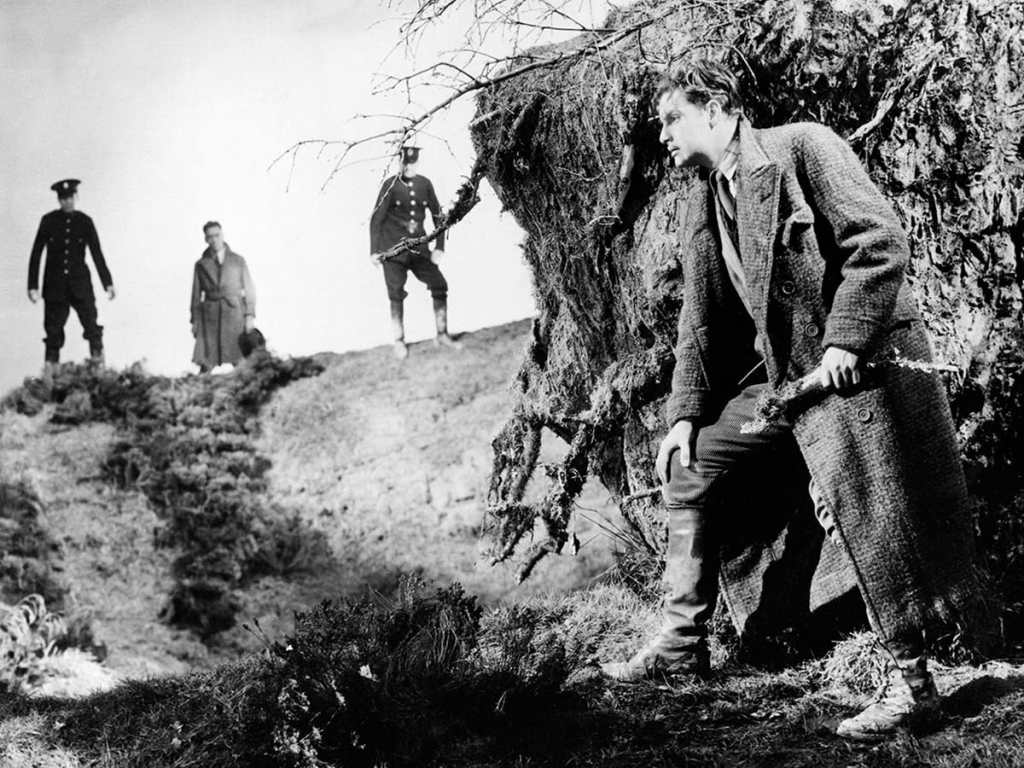

Synopsis- Richard Hannay, an innocent man, becomes entangled in a dangerous espionage plot after a woman’s murder. On the run, he must uncover the secret of “The 39 Steps” to clear his name.
Director- Alfred Hitchcock
Cast- Robert Donat, Madeleine Carroll, John Dwyer
Released- 1935
Alfred Hitchcock’s The 39 Steps is a brisk, entertaining thriller that showcases the budding genius of a director who would later be crowned the “Master of Suspense.” Though not as polished or psychologically intricate as his later works, the film captures the essence of Hitchcock’s early brilliance—impeccable pacing, inventive storytelling, and a knack for turning ordinary settings into arenas of high drama.
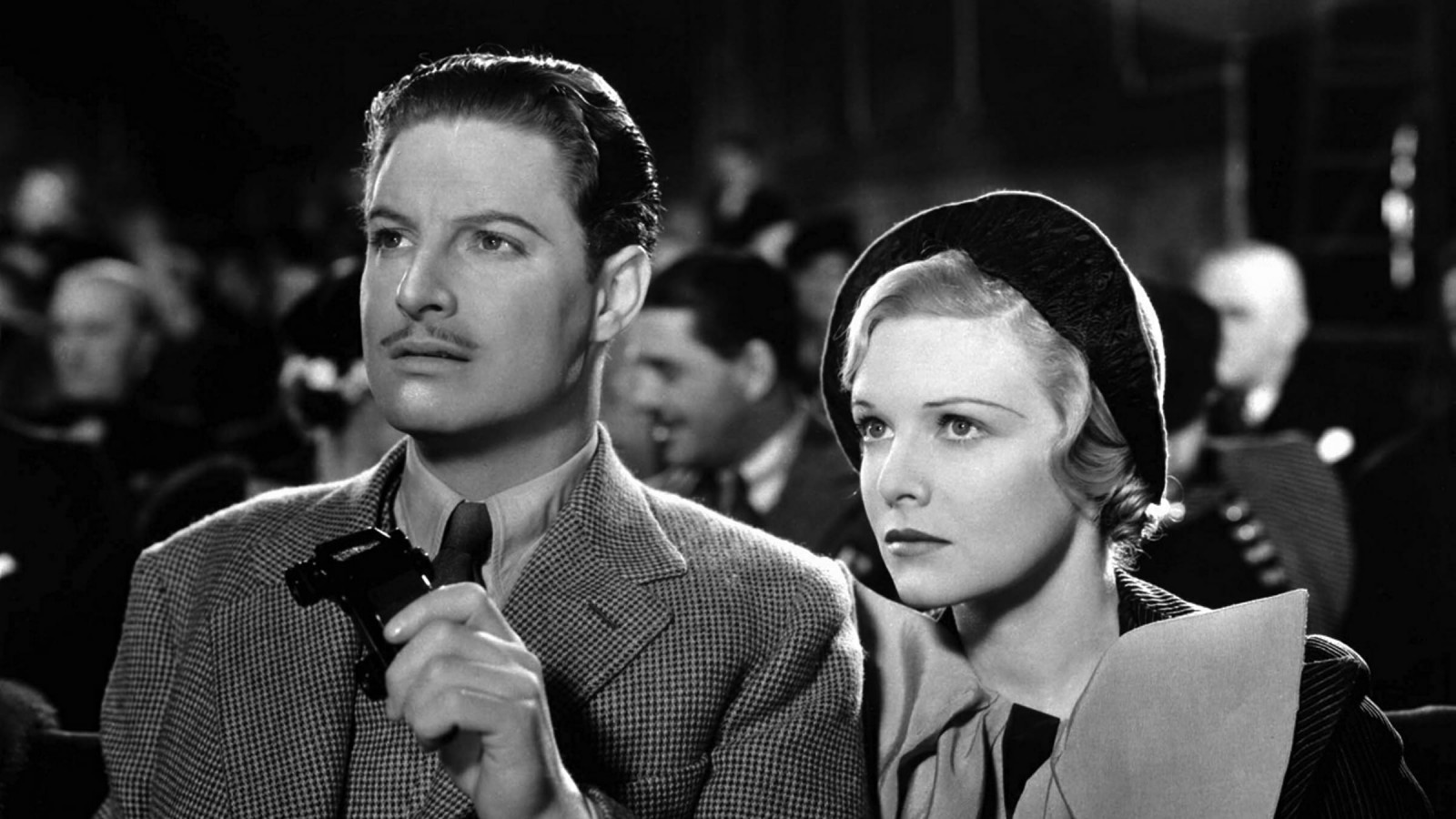
The story begins innocuously enough when Canadian traveller Richard Hannay (Donat) attends a music hall performance in London. What follows is a whirlwind of intrigue as he becomes the unwitting target of shadowy operatives following the murder of a mysterious woman in his apartment. Framed for the crime and pursued across the Scottish Highlands, Hannay must uncover the truth behind “The 39 Steps” while staying one step ahead of the law and his would-be assassins.

Robert Donat delivers a charming and dynamic performance as Hannay, balancing suave composure with a sense of vulnerability. He convincingly portrays a man thrust into extraordinary circumstances, crafting a hero audiences can root for. Opposite him, Madeleine Carroll as Pamela, a woman reluctantly drawn into Hannay’s plight, offers a strong performance that evolves from icy disdain to reluctant camaraderie. Their bickering, especially when handcuffed together in one memorable sequence, injects humour into the tension, a hallmark of Hitchcock’s storytelling style.
The film is visually inventive, particularly given its time. Hitchcock’s use of light and shadow, dynamic camera angles, and carefully choreographed chase scenes reveal his budding mastery of cinematic language. One standout sequence involves Hannay escaping from a police station and blending into a political rally, seamlessly blending suspense with sly social commentary.
Despite its strengths, The 39 Steps does have its limitations. The espionage plot, while compelling, occasionally stretches plausibility and feels thin compared to Hitchcock’s later, more complex narratives. Some characters serve as mere plot devices, lacking the depth that could elevate the stakes further.
However, the film’s energy and inventiveness more than compensate for these shortcomings. At just 86 minutes, it wastes no time, keeping audiences on the edge of their seats with its twists and turns. Hitchcock’s ability to sustain tension while peppering the narrative with sly humour and romance makes The 39 Steps both an engaging and influential thriller.
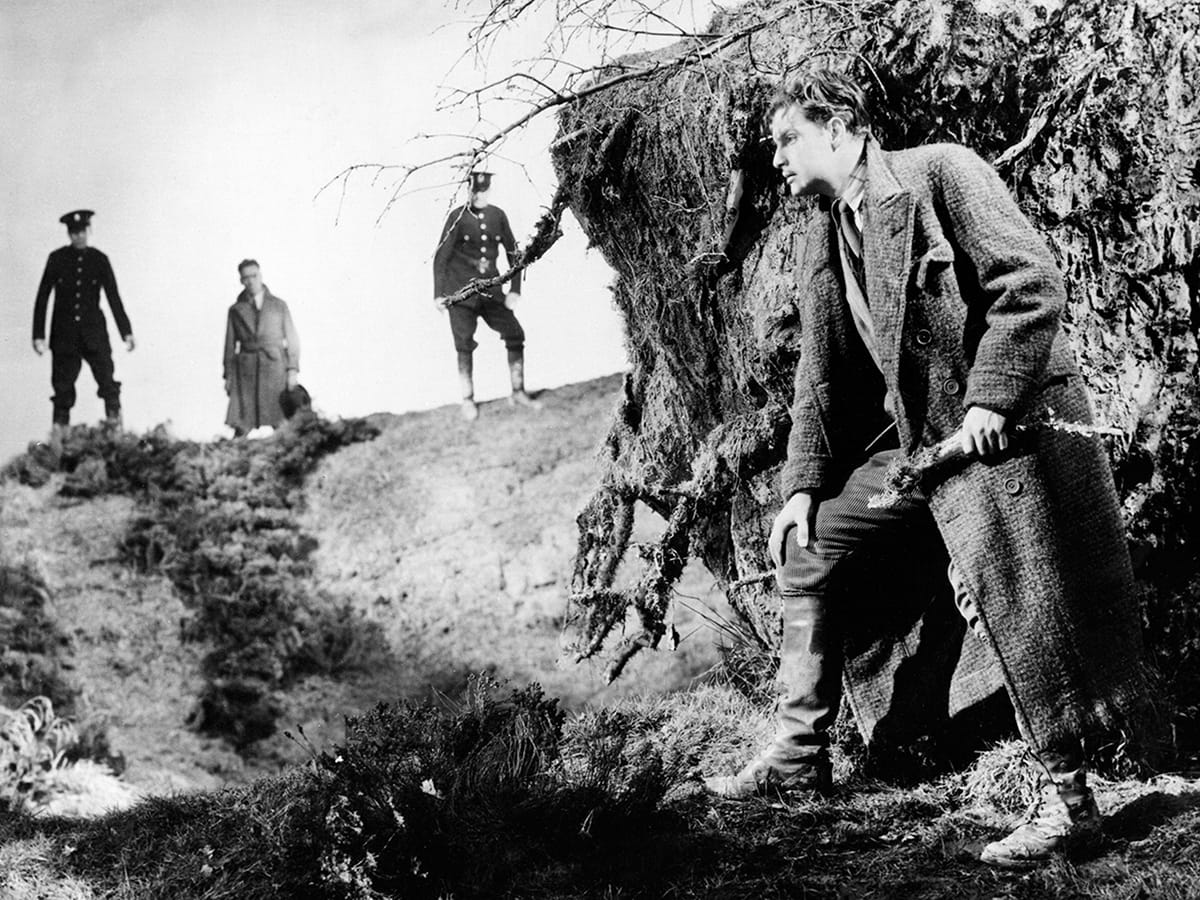
Viewed today, The 39 Steps serves as an early blueprint for the “wrong man” trope that Hitchcock would refine in later classics like North by Northwest. Though not as nuanced as his later work, it remains an essential piece of cinematic history—a film that entertains while offering a glimpse of the genius yet to come.
For fans of spy thrillers and Hitchcock’s oeuvre, The 39 Steps is a worthy watch, blending suspense, charm, and wit into a timeless chase across the Scottish moors, I just happen to like the 1959 remake better.
 Roses Have Thoughts
Leave a comment