
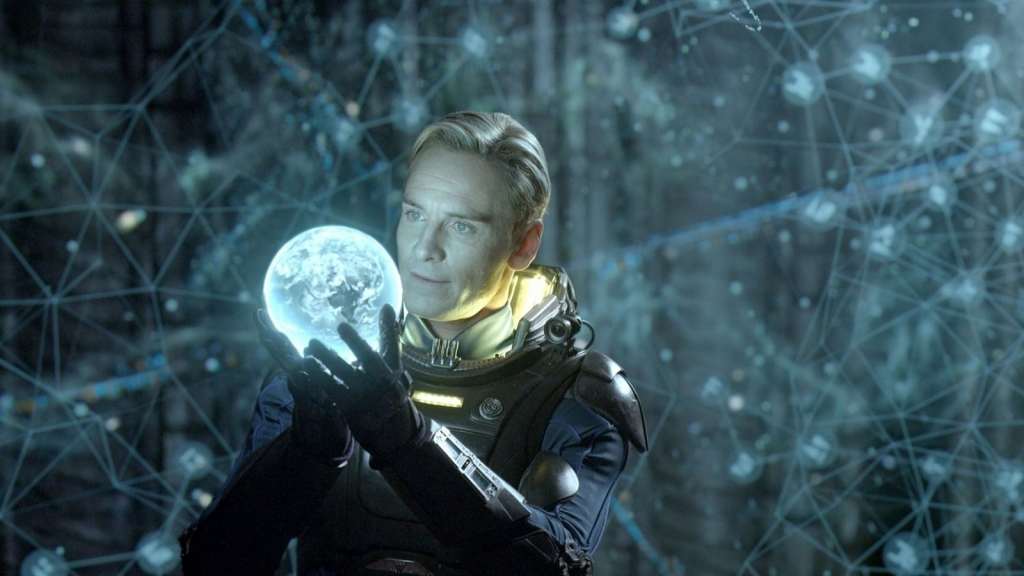

Synopsis- A team of explorers seeks humanity’s origins on a distant planet but encounters an ancient alien threat, forcing them to confront terrifying truths about creation, survival, and their own mortality.
Director- Ridley Scott
Cast- Noomi Rapace, Michael Fassbender, Charlize Theron
Genre- Science Fiction, Horror
Released- 2012
Ridley Scott’s Prometheus is an ambitious and visually arresting return to the universe of Alien, delivering a heady blend of science fiction, horror, and philosophical inquiry. While the film doesn’t always land its loftiest ideas, it stands as an engrossing cinematic experience, marked by breathtaking visuals and a hauntingly enigmatic narrative.
Set in the late 21st century, Prometheus follows a scientific expedition led by archaeologists Elizabeth Shaw (Noomi Rapace) and Charlie Holloway (Logan Marshall-Green) as they trace ancient star maps to a distant planet. Funded by the enigmatic Weyland Corporation, the crew discovers evidence of an advanced alien race, the Engineers, who may have played a role in humanity’s creation. However, their search for answers unravels into chaos as they awaken a deadly threat.
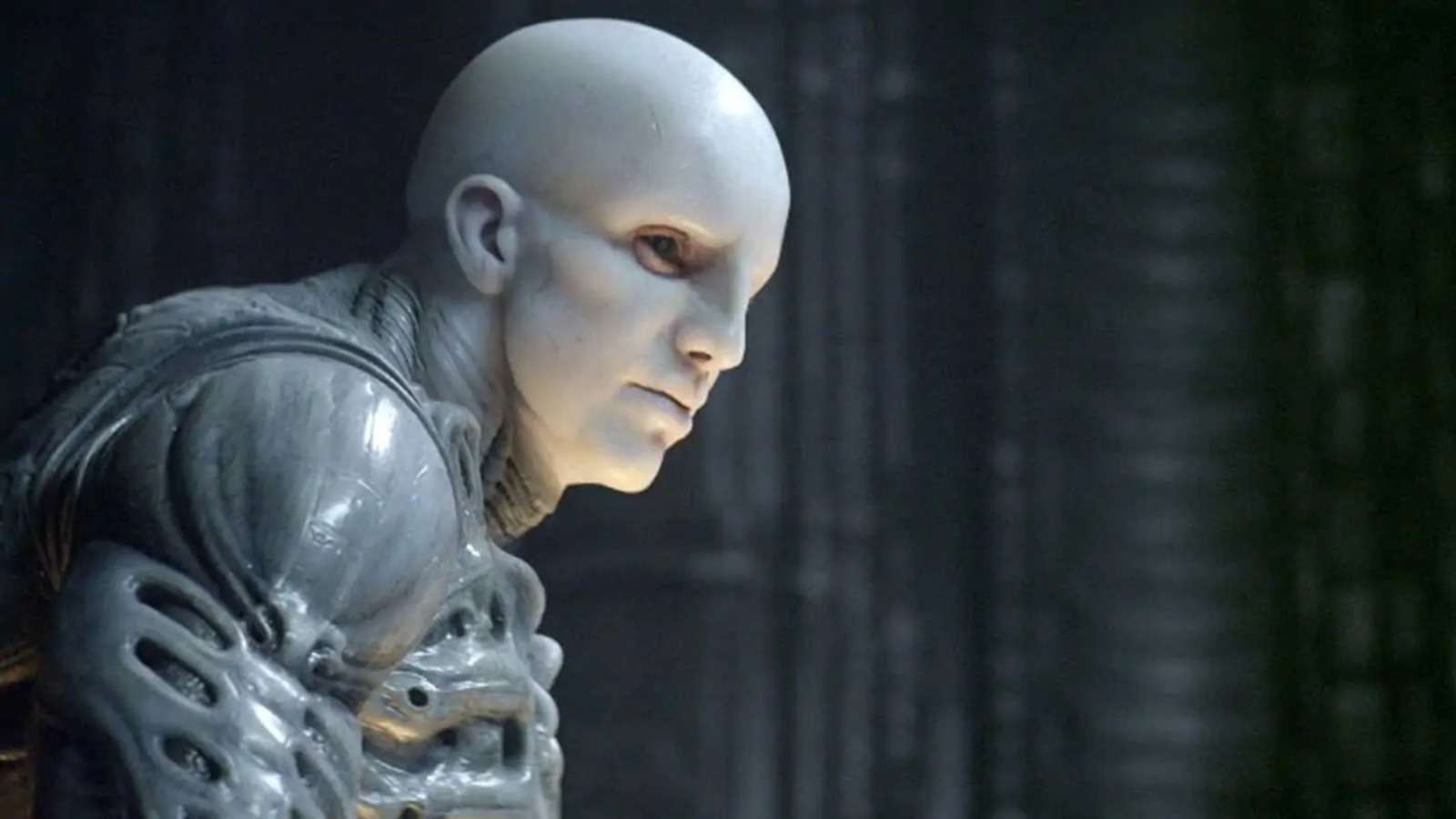
Noomi Rapace brings conviction and vulnerability to her role as Shaw, a character-driven by faith and a thirst for knowledge. Rapace’s performance anchors the film, balancing scientific curiosity with a deeply personal struggle to reconcile her beliefs with the unfolding nightmare. Michael Fassbender steals scenes as David, the android whose cold intellect and ambiguous motivations add a layer of tension to every interaction. Fassbender’s portrayal is eerie and mesmerizing, encapsulating the film’s exploration of creation and the dangers of playing god.
Scott’s direction is nothing short of masterful. From the hauntingly desolate landscapes of the Engineers’ planet to the sleek interiors of the Prometheus spacecraft, every frame is meticulously crafted. The use of practical effects and CGI strikes a seamless balance, creating an immersive world that feels both futuristic and grounded. Cinematographer Dariusz Wolski’s work adds to the film’s grandeur, with ethereal lighting and sweeping shots that evoke both awe and dread.

The film’s thematic ambition is one of its greatest strengths—and its most significant weakness. Prometheus grapples with profound questions about creation, mortality, and humanity’s place in the universe, but its script, co-written by Jon Spaihts and Damon Lindelof, occasionally falters under the weight of its ideas. Some characters are thinly drawn, and a few plot threads are left frustratingly unresolved, leaving viewers with more questions than answers.
However, Prometheus shines as a sensory and emotional experience. The tension builds masterfully, particularly in scenes of discovery and danger, reminiscent of the best moments in Alien. The film’s standout sequence, involving a harrowing medical procedure, is a visceral triumph of body horror and suspense.

While it may divide audiences with its ambitious but imperfect narrative, Prometheus is undeniably a thought-provoking and visually stunning journey. It may not fully replicate the claustrophobic terror of Alien, but it carves its own path, inviting viewers to ponder humanity’s origins and our unyielding quest for meaning.
For fans of cerebral science fiction and Ridley Scott’s visionary style, Prometheus offers a compelling and chilling exploration of creation and consequence. It’s a flawed masterpiece, but one worth experiencing.
 Roses Have Thoughts
Leave a comment