

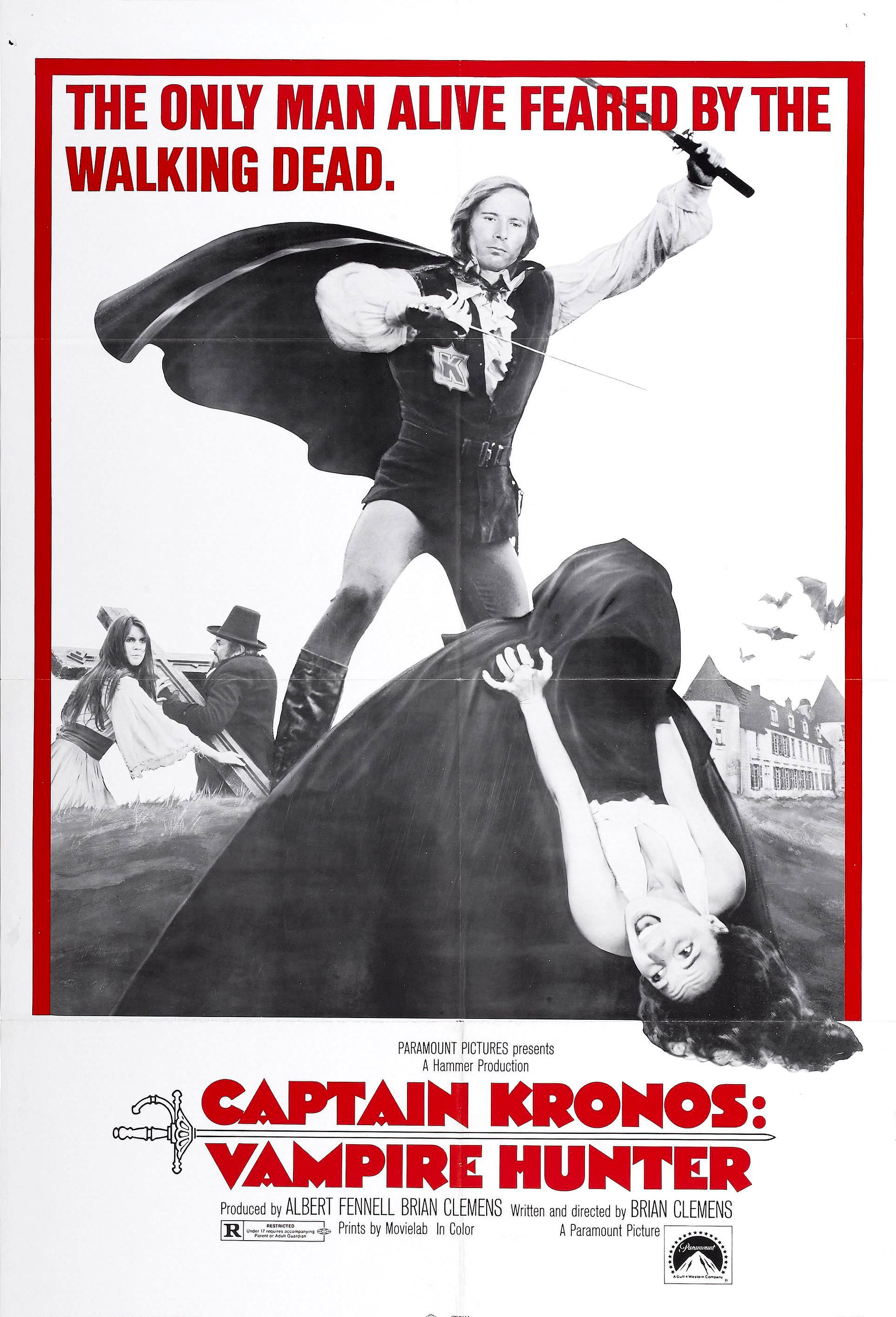
Synopsis- A dashing swordsman and his hunchbacked assistant traverse the countryside, hunting vampires who drain youth instead of blood, blending gothic horror with swashbuckling adventure in Hammer Films’ bold genre experiment.
Director- Brian Clemens
Cast- Horst Janson, Caroline Munro, Lois Daine
Genre- Horror | Action
Released- 1974
Hammer Films’ Captain Kronos: Vampire Hunter is an intriguing, if uneven, attempt to breathe new life into the vampire genre. Directed by Brian Clemens, this swashbuckling horror-adventure offers a refreshing mix of gothic atmosphere and dashing heroics, though it struggles to fully realize its ambitions. With its unique tone and stylish execution, Captain Kronos is a cult curiosity that occasionally thrills but ultimately leaves the viewer craving more substance.
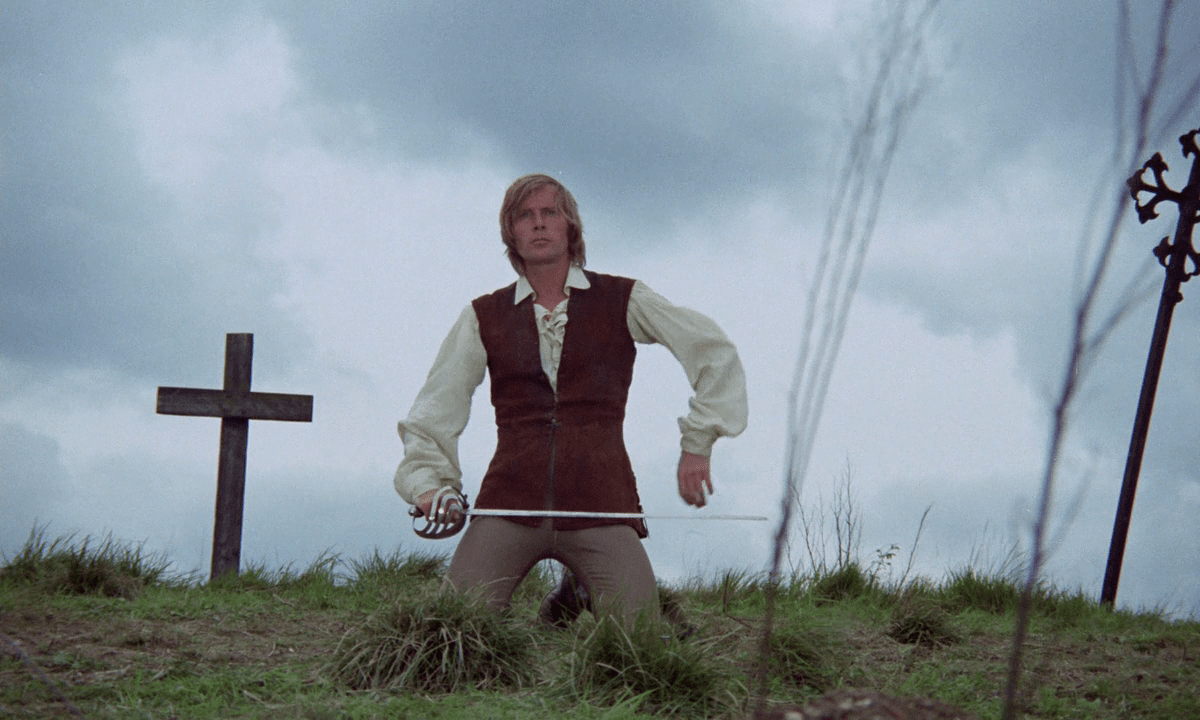
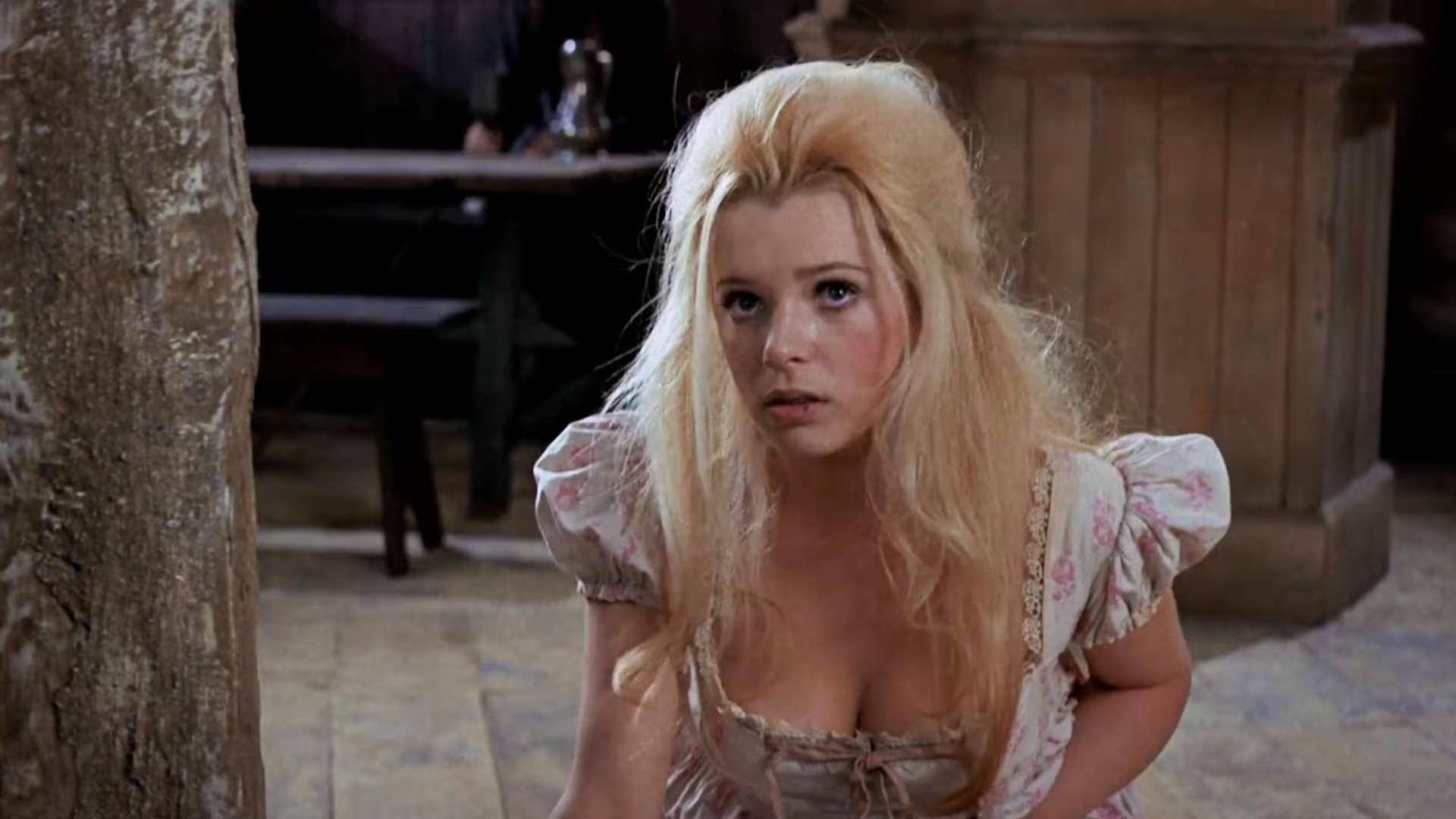
The titular hero, Captain Kronos (Horst Janson), is a stoic and enigmatic former soldier turned vampire hunter. Accompanied by his resourceful, hunchbacked companion, Professor Hieronymus Grost (John Cater), Kronos roams the countryside in pursuit of a new breed of vampire—one that drains the youth of its victims rather than their blood. Along the way, they are joined by Carla (Caroline Munro), a spirited peasant woman whose chemistry with Kronos adds a romantic spark to the film’s brooding atmosphere.
Horst Janson’s performance as Kronos is fittingly heroic, exuding an effortless charisma and physicality that suit the film’s action-driven moments. However, his character feels underdeveloped, with little exploration of his backstory or inner motivations. John Cater’s Grost brings a touch of humour and humanity to the proceedings, while Caroline Munro’s Carla is captivating, though her role is largely decorative.
Clemens’ direction leans heavily on style, with striking visuals and a strong sense of mood. The countryside settings and eerie village locales evoke the gothic sensibilities of Hammer’s earlier films, while the action sequences, including swordfights and ambushes, add a swashbuckling flair rarely seen in vampire stories. The concept of a vampire that feeds on youth is a clever twist, and the mystery surrounding the antagonist keeps the narrative engaging, even if the resolution feels rushed.
While Captain Kronos shines in its atmosphere and ambition, its pacing is uneven, with long stretches of exposition and underwhelming character development. The film hints at deeper themes—loss, vengeance, and redemption—but never delves deeply enough to leave a lasting impact.
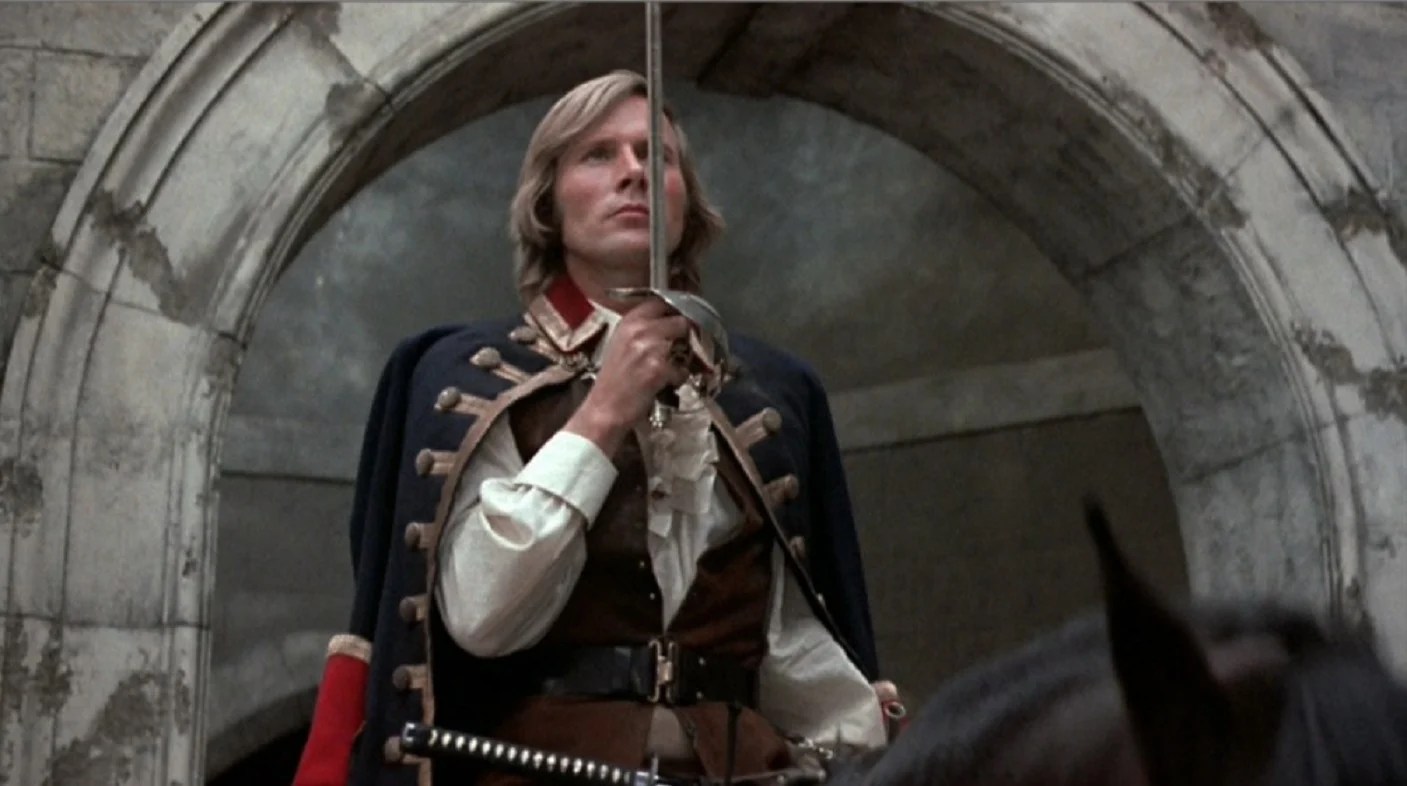
The production values are impressive for the era, with lush cinematography and practical effects that enhance the film’s gothic tone. Laurie Johnson’s score, though occasionally overbearing, complements the film’s adventurous spirit.
Captain Kronos: Vampire Hunter feels like the pilot for a series that never came to fruition, which may explain its episodic structure and lack of narrative depth. It tantalizes with its potential—a mashup of genres, an enigmatic hero, and a fresh take on vampire lore—but doesn’t fully deliver on its promise.
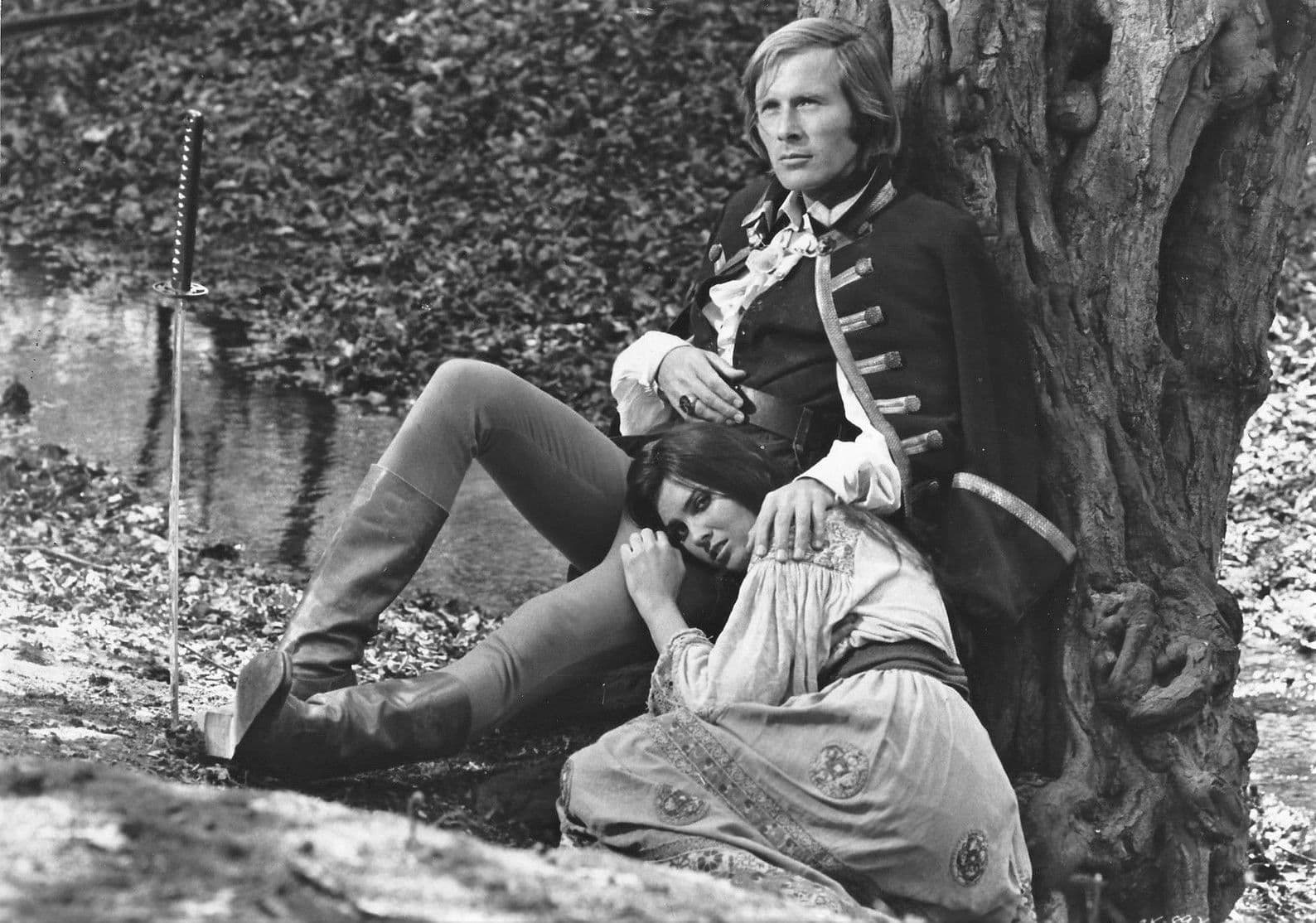
Despite its shortcomings, Captain Kronos remains a fascinating experiment in genre-blending. For fans of Hammer Films or those seeking a unique twist on vampire stories, it offers a glimpse of what could have been a rich cinematic universe. It’s a film worth watching if only to see Hammer’s bold attempt to break from tradition. Though imperfect, Captain Kronos still manages to leave its mark as a charming and stylish cult classic.

 Roses Have Thoughts
Leave a comment