

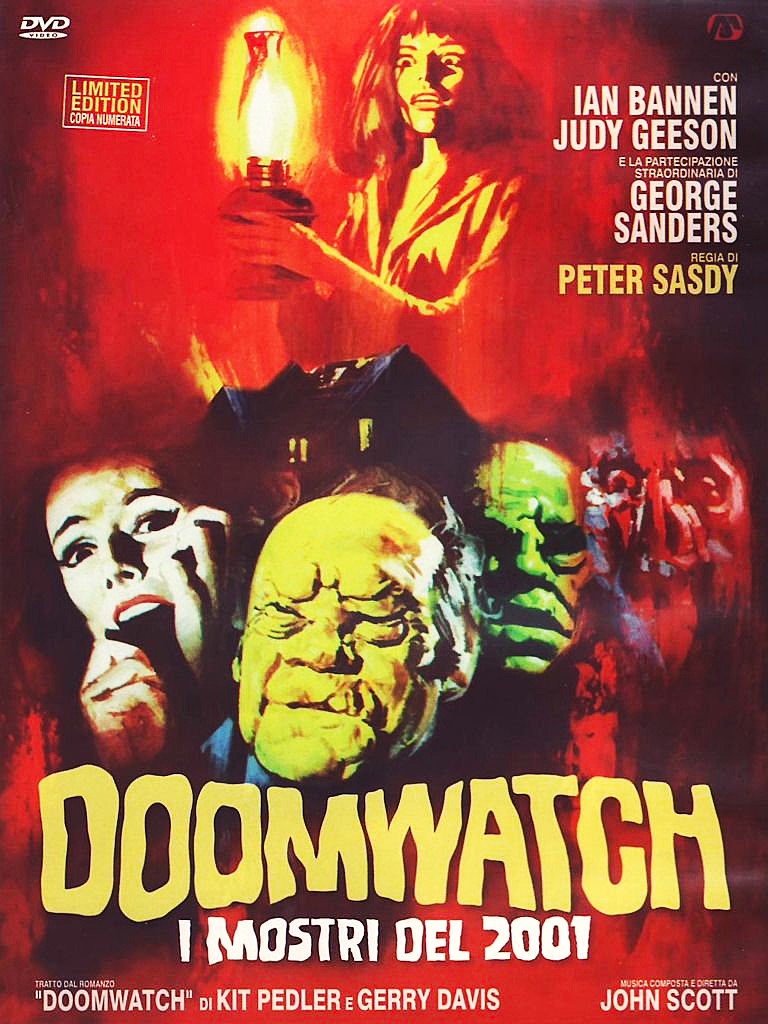
Synopsis- When an investigator visits an isolated fishing village, he discovers a horrifying environmental disaster involving chemical contamination, deformed locals, and the dangerous cost of unchecked industrial pollution.
Director – Peter Sasdy
Cast- Ian Bannen, Judy Geeson, John Paul
Genre- Horror | Science Fiction
Released- 1972
Doomwatch (1972) is a brooding British eco-thriller that delves into the dark consequences of humanity’s disregard for the environment. Adapted from the popular BBC television series, the film delivers an eerie, thought-provoking narrative that feels as timely today as it did upon release. While it lacks the polish of higher-budget genre entries, Doomwatch compensates with its atmospheric tension and sobering message.
The story follows Dr. Del Shaw (Ian Bannen), an investigator for the titular environmental watchdog organization, as he arrives on the remote island of Balfe. Initially there to examine the aftermath of an oil spill, Shaw soon uncovers disturbing secrets lurking within the tight-knit community. Deformities and violent outbursts among the villagers lead him to a chilling discovery: the water supply has been contaminated by industrial chemicals, causing genetic mutations and irreversible damage.

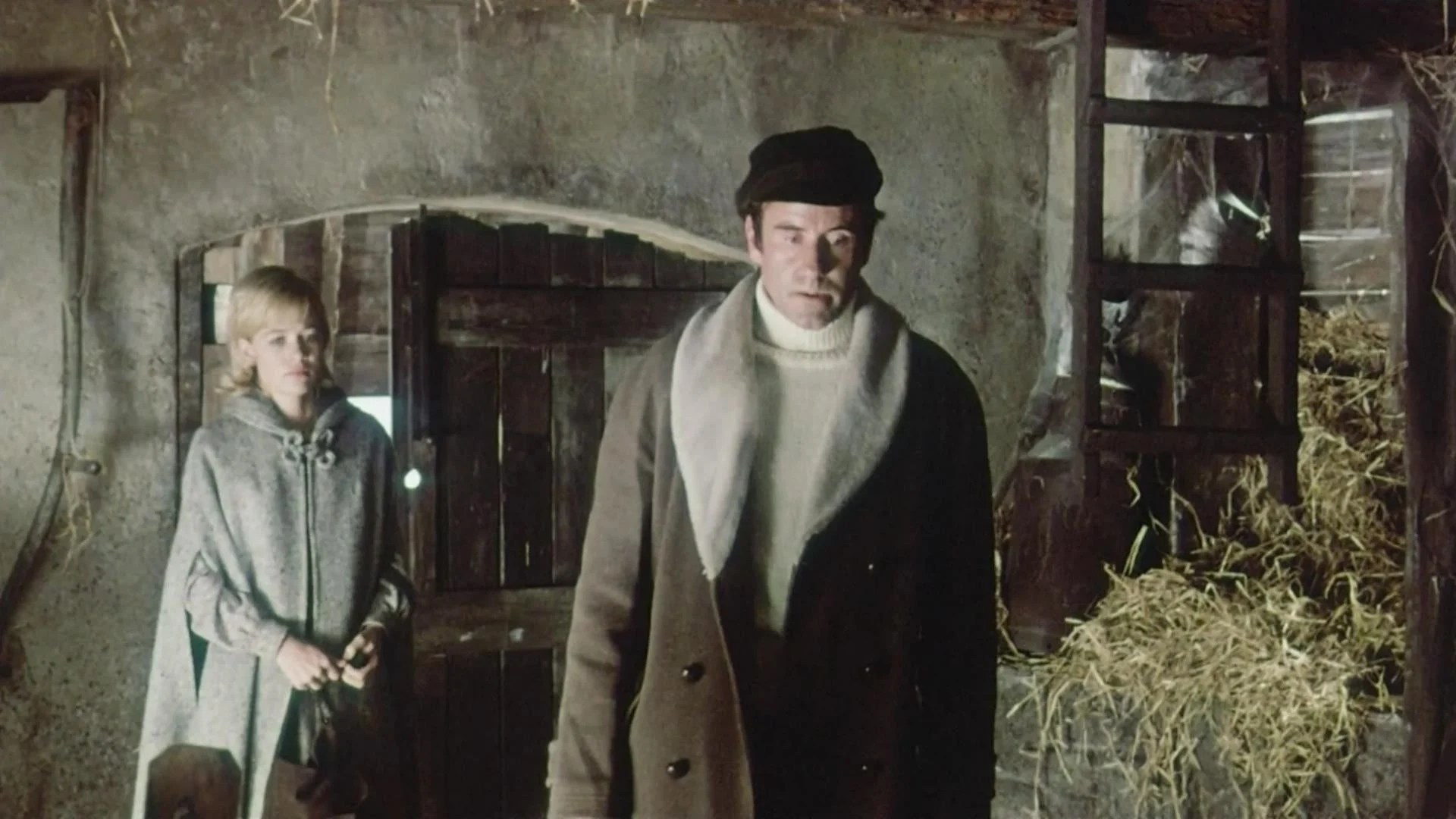
Ian Bannen anchors the film with a steady, understated performance as the methodical and empathetic Shaw. His scientist is no action hero but rather a determined professional who seeks answers in the face of mounting hostility. Opposite him is Judy Geeson a local schoolteacher who becomes both an ally and a voice of the community’s anguish. Their dynamic brings a human element to the unfolding mystery, though their relationship could have been more fully explored.
Director Peter Sasdy crafts a moody, claustrophobic atmosphere that serves the story well. The fog-drenched village, with its dilapidated buildings and insular, suspicious residents, becomes a character in its own right. This setting heightens the unease as Shaw delves deeper into the villagers’ plight, underscoring their desperation and mistrust of outsiders.
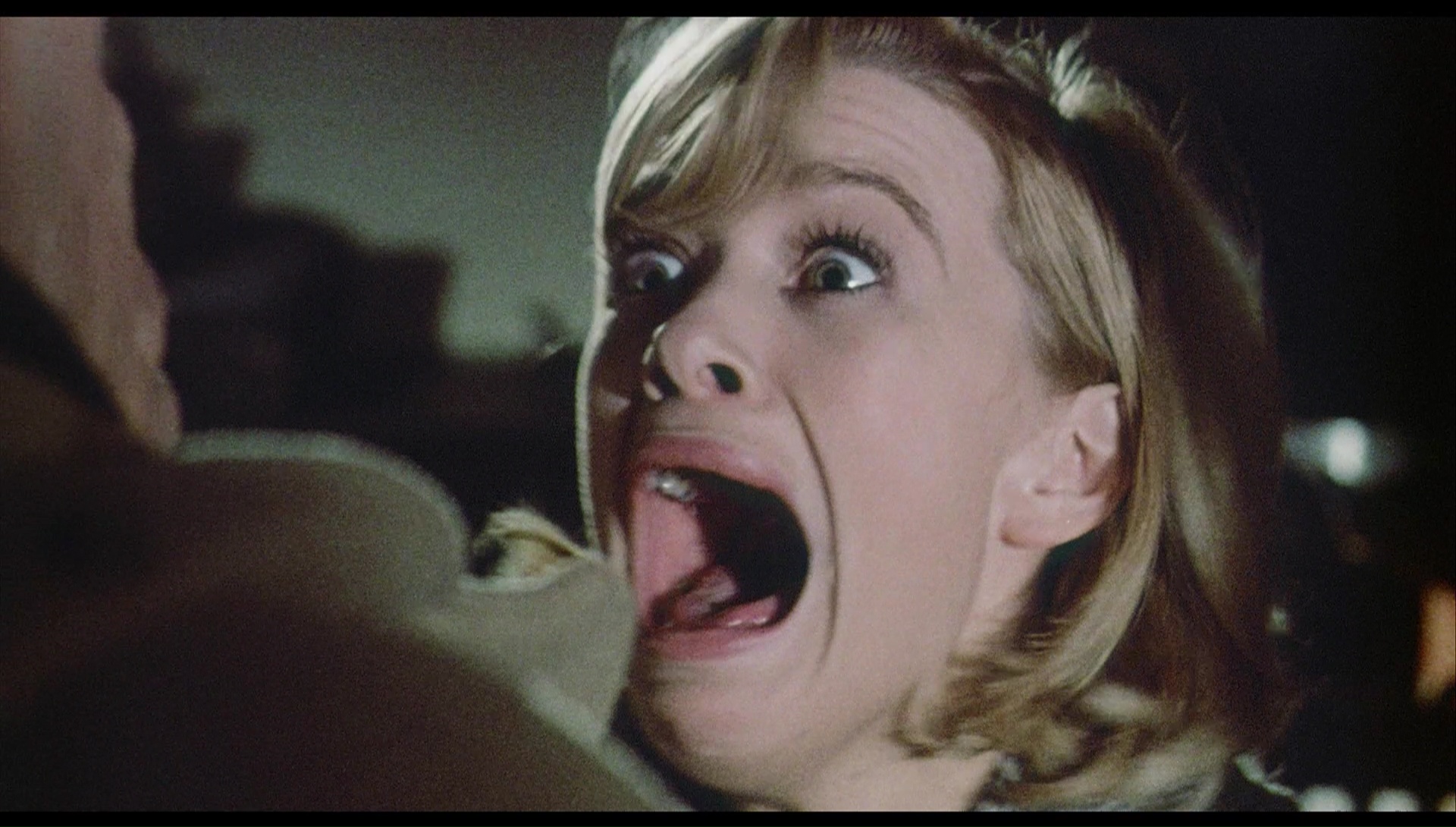
Where Doomwatch falters is in its pacing and execution. The film’s budgetary constraints are evident, particularly in its creature effects, which leave much to the imagination. Additionally, the narrative occasionally meanders, losing momentum as it transitions from an environmental thriller to a more traditional mystery. While the themes are impactful, the script sometimes feels more interested in lecturing than letting the tension unfold naturally.
Nevertheless, the film’s central message about the dangers of industrial irresponsibility resonates strongly. The slow revelation of the environmental catastrophe is genuinely unsettling, forcing viewers to confront uncomfortable questions about humanity’s impact on nature and the ethical responsibilities of science.
Doomwatch is not a perfect film, but it is an admirable and ambitious effort that successfully blends eco-conscious storytelling with classic horror elements. Fans of socially conscious genre cinema will appreciate its foresight and relevance, while those seeking an atmospheric thriller will find much to enjoy despite its flaws.
In an age where environmental issues are ever more urgent, Doomwatch serves as a stark reminder of the consequences of ignoring nature’s limits. It is a film that lingers, its warnings hauntingly prescient, making it a thought-provoking addition to the eco-horror canon.
 Roses Have Thoughts
Leave a comment