


Synopsis- Nosferatu the Vampyre reimagines F.W. Murnau’s silent classic, following Jonathan Harker’s journey to Transylvania, where he encounters the enigmatic Count Dracula, unleashing a plague of death and desire upon his hometown.
Director- Werner Herzog
Cast- Klaus Kinski, Isabelle Adjani, Bruno Ganz, Roland Topor, Walter Ladengast
Genre- Horror
Released- 1979
Werner Herzog’s Nosferatu the Vampyre is a mesmerizing reinterpretation of F.W. Murnau’s 1922 silent film, retaining the eerie, shadowy essence of the original while infusing it with Herzog’s distinct blend of atmosphere, existential dread, and emotional depth. This is not merely a remake; it is a meditation on the nature of monstrosity, isolation, and the haunting beauty of death.

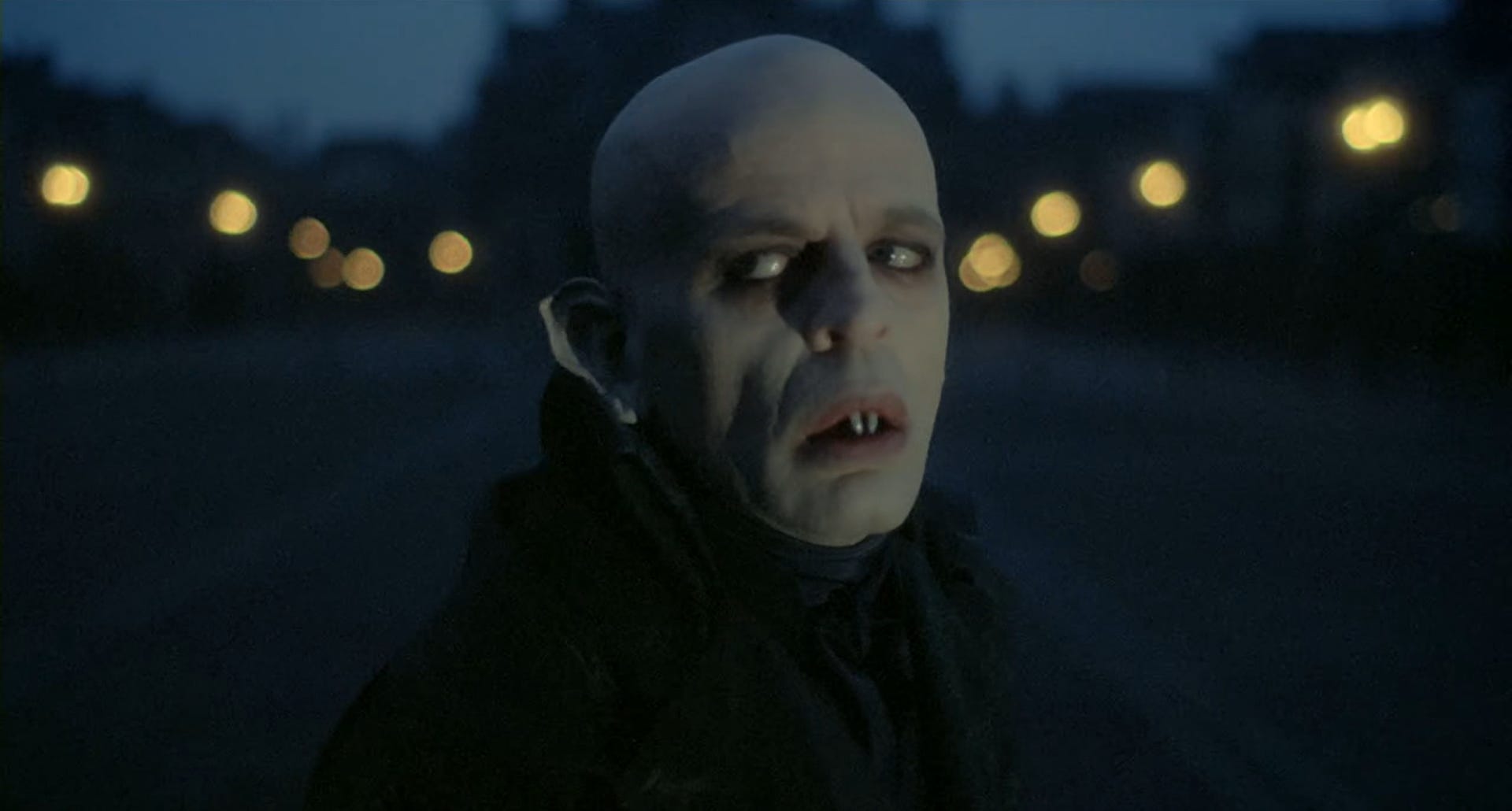
At the film’s heart is Klaus Kinski’s unforgettable portrayal of Count Dracula. Eschewing Bela Lugosi’s suave charm, Kinski embodies the vampire as a grotesque and pitiable figure—a creature driven by an insatiable thirst yet burdened by eternal loneliness. His gaunt face, claw-like hands, and mournful gaze create a terrifying and tragically human Dracula.
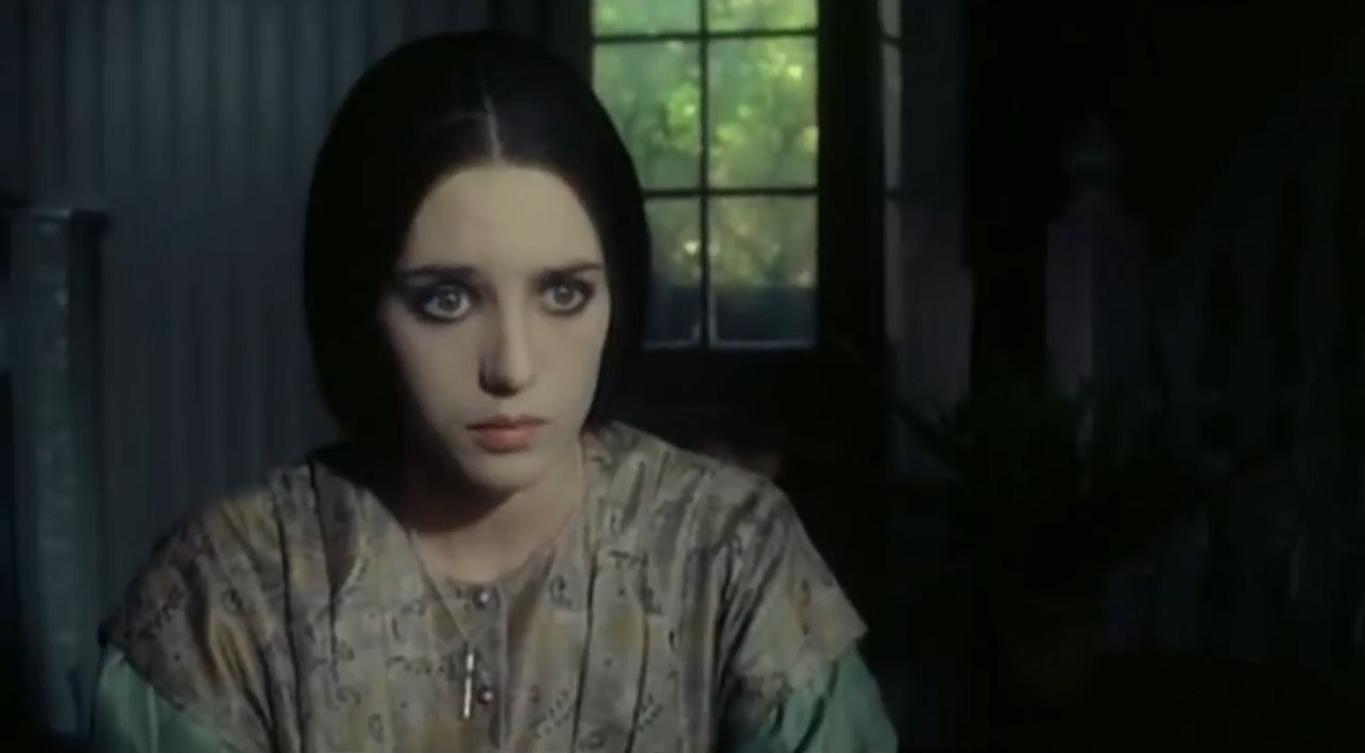
Opposite him, Isabelle Adjani delivers a luminous performance as Lucy Harker. Her ethereal presence and quiet strength make her more than a victim; she becomes the moral and emotional anchor of the story. Bruno Ganz’s Jonathan Harker serves as the audience’s entry point into this gothic nightmare, his transformation from wide-eyed idealist to a man ensnared by darkness a poignant counterpoint to Lucy’s steadfast resilience.
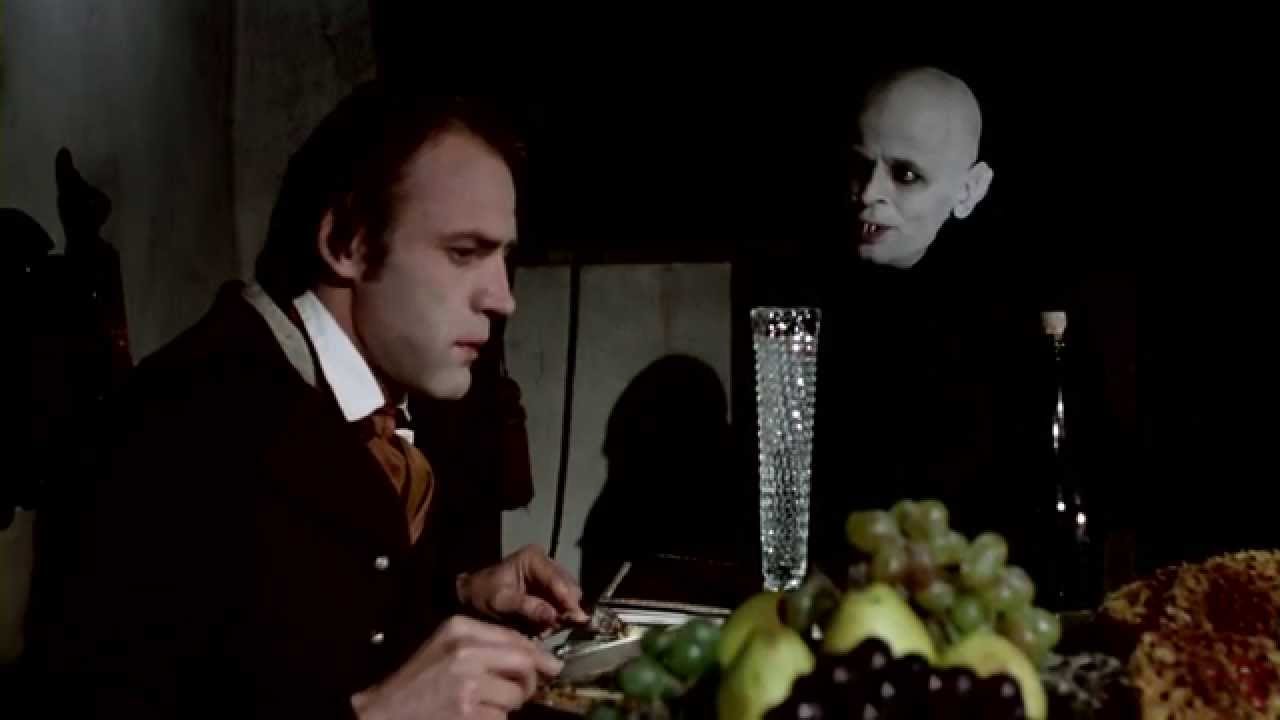
Herzog’s direction is masterful, weaving a tapestry of haunting visuals and oppressive moods. Filmed in rich, saturated colours, the movie juxtaposes the beauty of natural landscapes with the eerie desolation of Dracula’s castle and the plague-stricken town. Each frame is meticulously composed, often evoking the stillness of a painting. Particularly striking is the sequence of Dracula’s ship arriving in Wismar, its hold crawling with rats that spill into the town, a literal and metaphorical manifestation of decay.
Popol Vuh’s hypnotic score amplifies the film’s dreamlike quality, blending ethereal choral music with unsettling, droning motifs. The soundtrack enhances the sense of inevitability that pervades the story as if the characters are trapped in a slow march toward doom.
While Nosferatu the Vampyre largely adheres to the framework of Murnau’s original, Herzog imbues the narrative with his unique philosophical concerns. The vampire here is not merely a monster but a symbol of existential despair—a being whose immortality is both his power and his curse.
If the film has any flaws, they are minor. Its deliberate pacing and sparse dialogue may challenge viewers expecting more conventional horror, but these choices are integral to its meditative tone.
Herzog’s Nosferatu the Vampyre is a triumph of mood and artistry, offering a chilling yet poetic exploration of humanity’s deepest fears. It stands not only as a worthy homage to the silent classic but as a masterpiece in its own right, cementing Herzog’s place as one of cinema’s great auteurs. For fans of gothic horror and meditative storytelling, this is essential viewing.
 Roses Have Thoughts
Leave a comment