
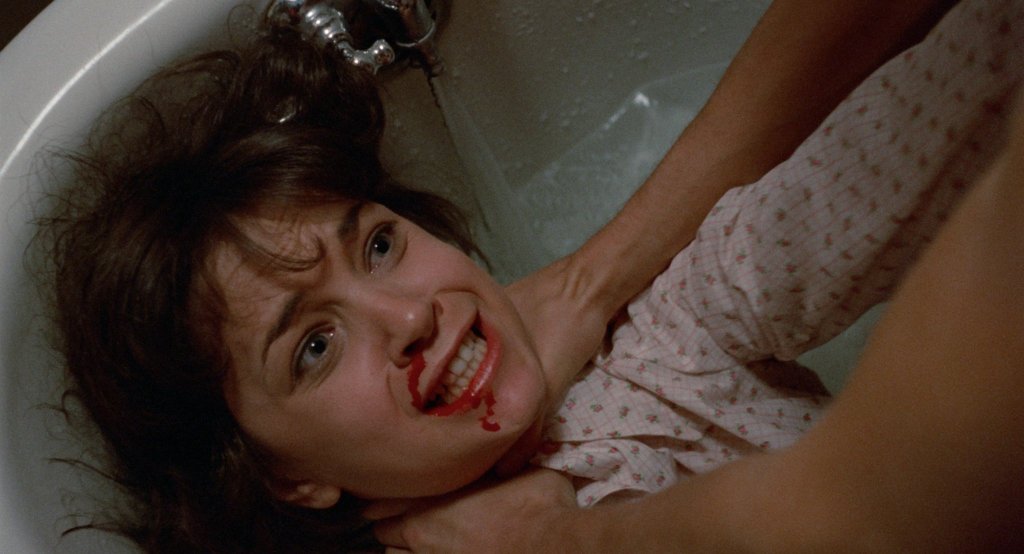

Synopsis- After serving time for a crime he was coerced into, Terry returns home to his overbearing mother. As he struggles to reintegrate, his simmering rage and disturbing behaviour spiral into deadly consequences.
Director- Curtis Harrington
Cast – John Savage, Ann Sothern, Cindy Williams
Released – 1973
Curtis Harrington’s The Killing Kind (1973) is a dark and disturbing psychological thriller that delves into themes of guilt, repression, and toxic familial relationships. While the film succeeds in creating an unsettling atmosphere, its uneven pacing and lack of narrative focus prevent it from achieving its full potential.
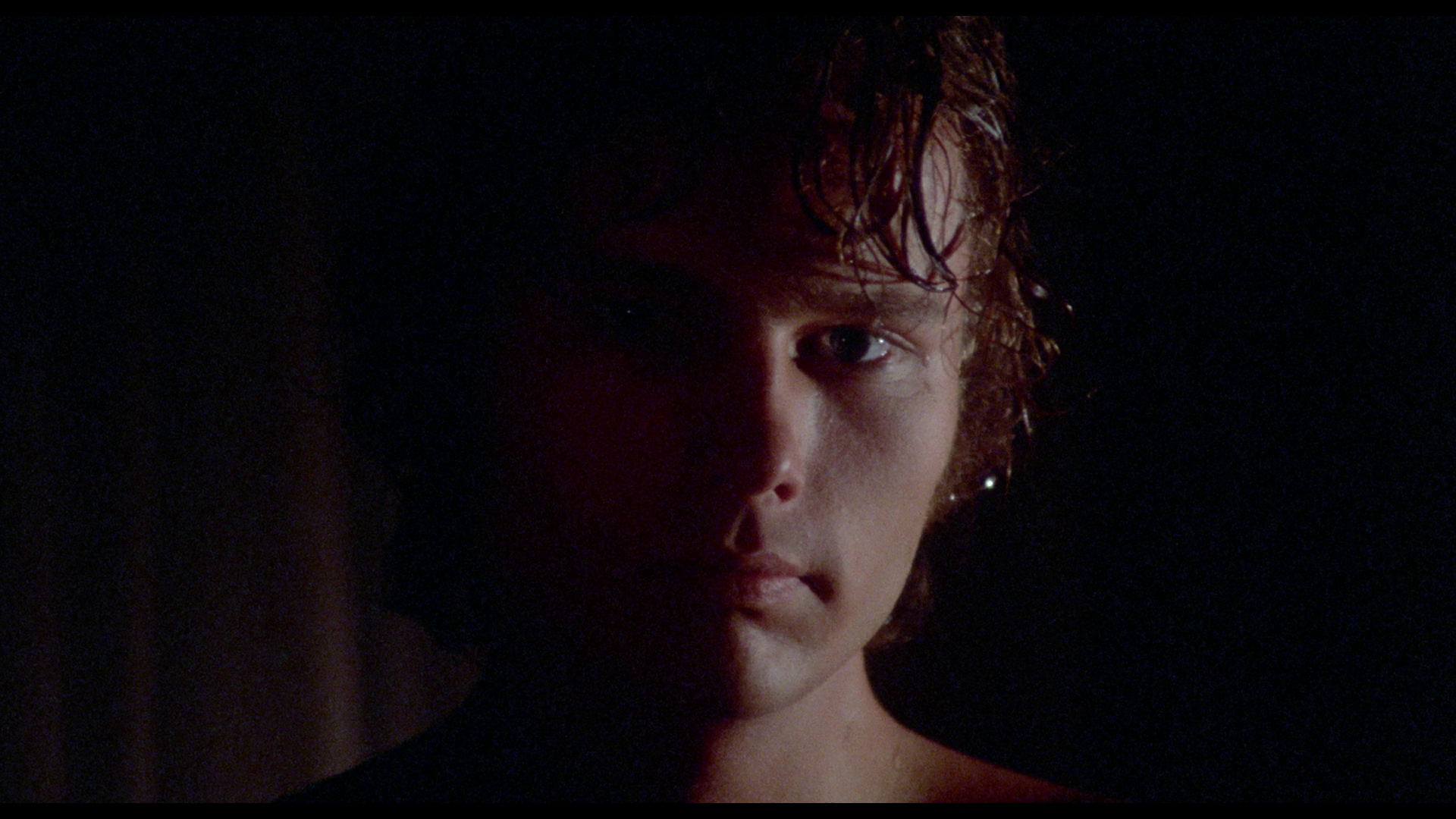
John Savage stars as Terry Lambert, a young man fresh out of prison after being implicated in a sexual assault. Savage delivers a chilling performance, portraying Terry as a deeply damaged individual teetering on the edge of sanity. His boyish charm is offset by an undercurrent of menace, making him both pitiable and terrifying. Ann Sothern, in a rare dramatic role, is equally compelling as Thelma, Terry’s domineering mother. Her portrayal of maternal suffocation borders on grotesque, with an unsettling mix of affection and manipulation that sets the tone for the film’s twisted dynamics.
Harrington’s direction creates a claustrophobic world, with much of the story confined to Thelma’s cluttered boarding house. The film’s muted colour palette and shadowy interiors enhance its oppressive mood, reflecting the psychological turmoil of its characters. However, the visual style occasionally feels at odds with the script’s more lurid moments, resulting in tonal inconsistencies that detract from the overall impact.
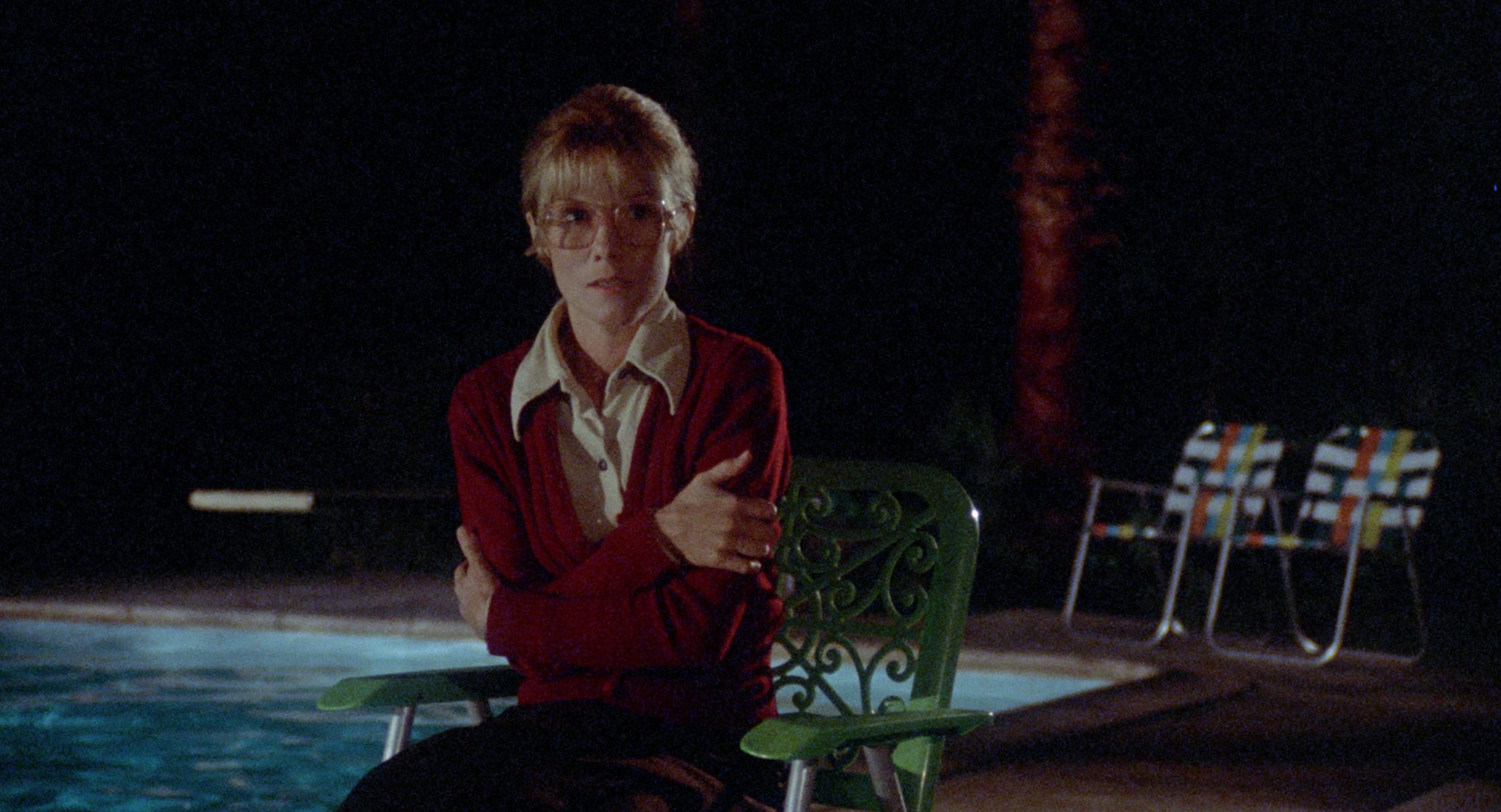
The supporting cast adds depth to the story, particularly Cindy Williams as Lori, a hopeful tenant who becomes entangled in Terry’s life. Williams brings warmth to her role, offering a glimmer of normalcy in an otherwise bleak narrative. Ruth Roman and Luana Anders also deliver strong performances, though their characters are often underutilized, serving primarily to advance Terry’s descent into violence.
While The Killing Kind excels in atmosphere and character work, its plot leaves much to be desired. The narrative meanders, with long stretches of introspection and slow build-up that occasionally sap the film’s momentum. The climax, while shocking, feels rushed and fails to provide a satisfying resolution to the story’s psychological themes.
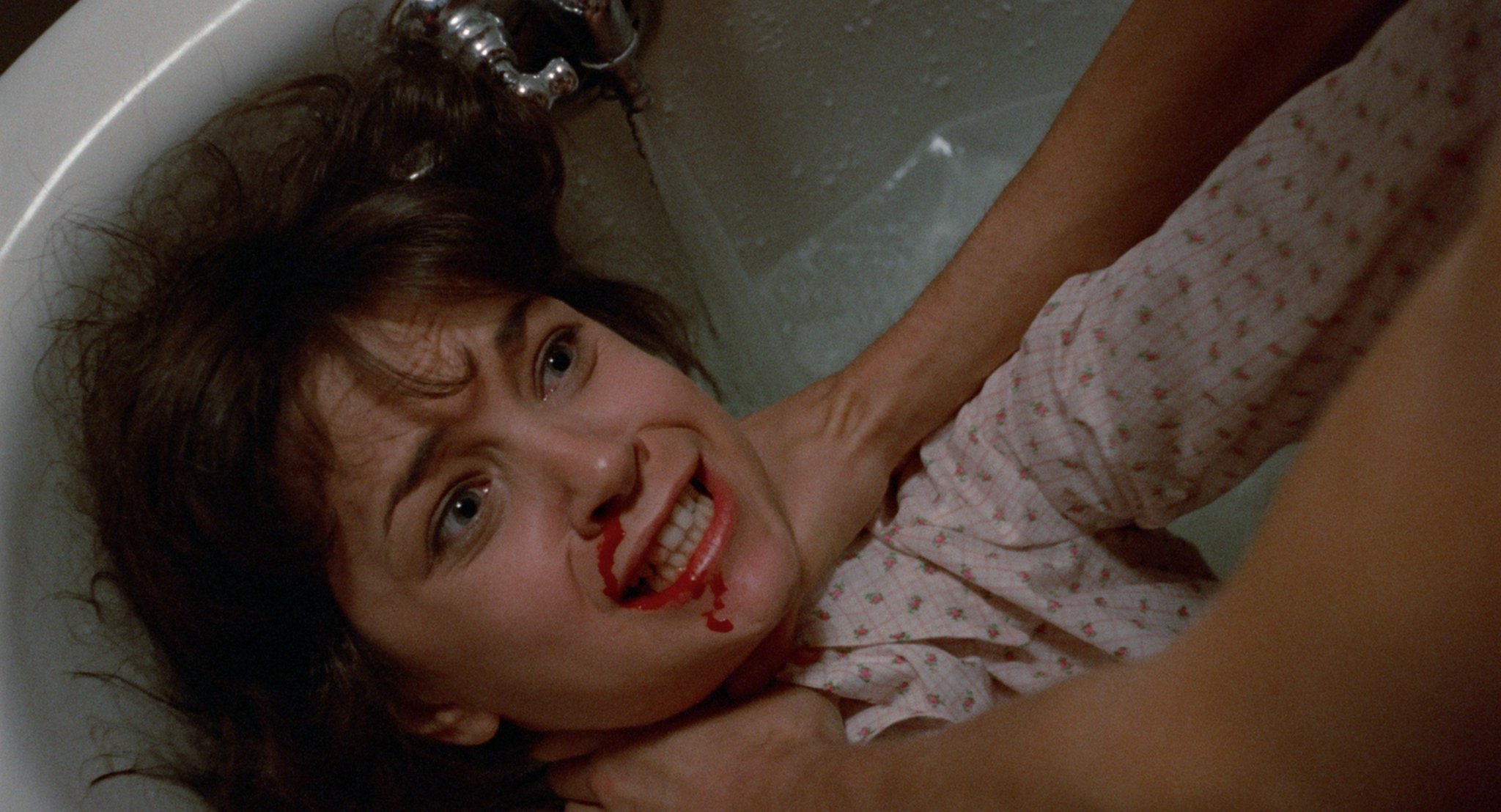
Despite its flaws, The Killing Kind is a fascinating exploration of damaged psyches and interpersonal dysfunction. Harrington’s ability to create unease and Savage’s unsettling performance makes the film worth watching, though it may leave viewers craving a more coherent and impactful conclusion.
For fans of 1970s psychological thrillers and character-driven horror, The Killing Kind offers a disturbing, if imperfect, glimpse into the darker corners of human nature. It’s a film that lingers in the mind, even if it doesn’t fully satisfy.
 Roses Have Thoughts
Leave a comment