

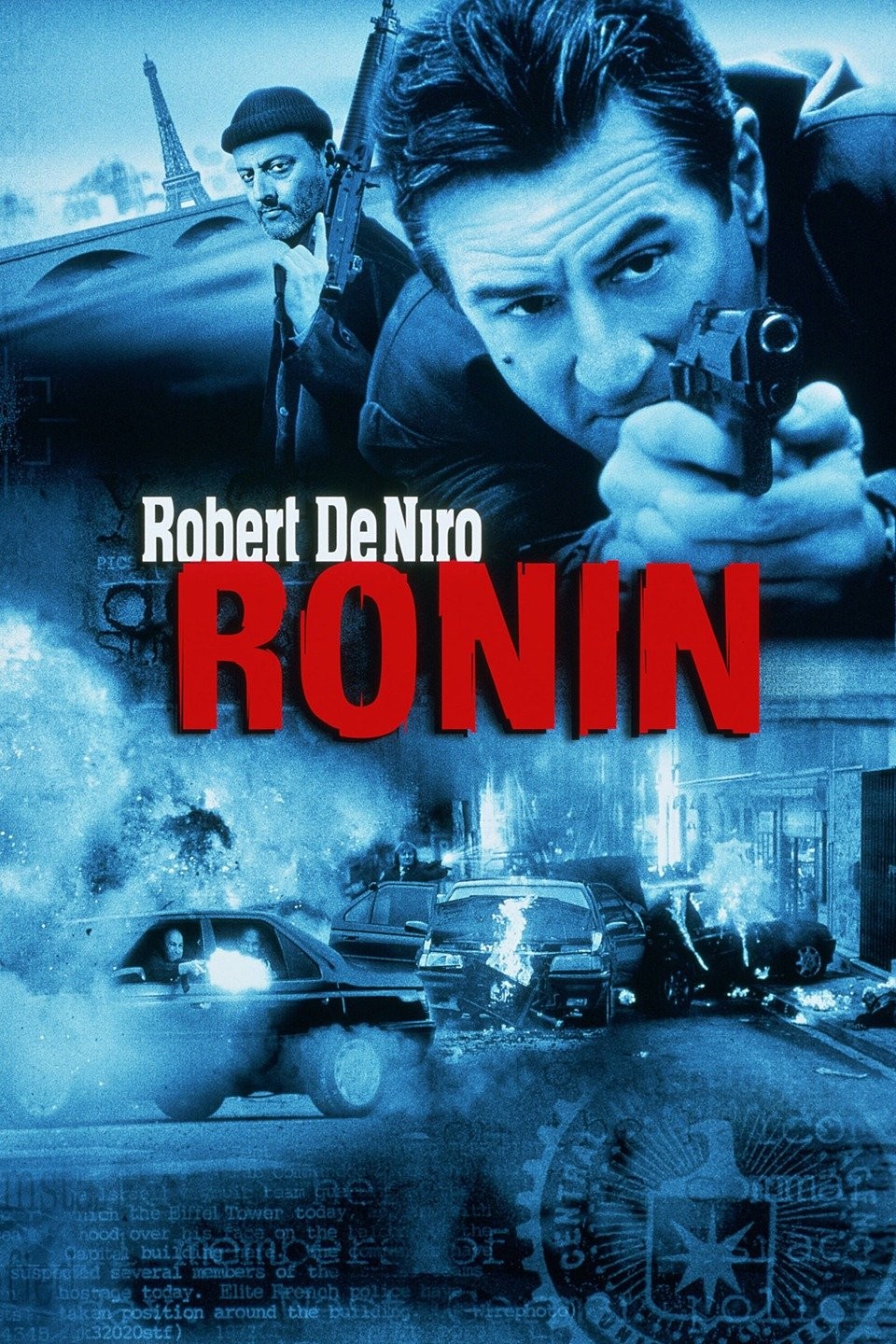
Synopsis- A team of international mercenaries is hired to retrieve a mysterious briefcase in post-Cold War Europe. Double-crosses and shifting loyalties ignite a series of high-stakes car chases and tense betrayals.
Director- John Frankenheimer
Cast- Robert De Niro, Jean Reno, Natascha McElhone, Stellan Skarsgård, Sean Bean, Jonathan Pryce
Released – 1998
John Frankenheimer’s Ronin is a masterclass in stripped-down, old-school action filmmaking. Eschewing CGI-laden bombast for raw intensity, the film delivers a grounded, gripping espionage thriller that harks back to the genre’s heyday. Anchored by an outstanding cast, Ronin is as much about the humanity of its characters as the chaos of its meticulously staged action sequences.
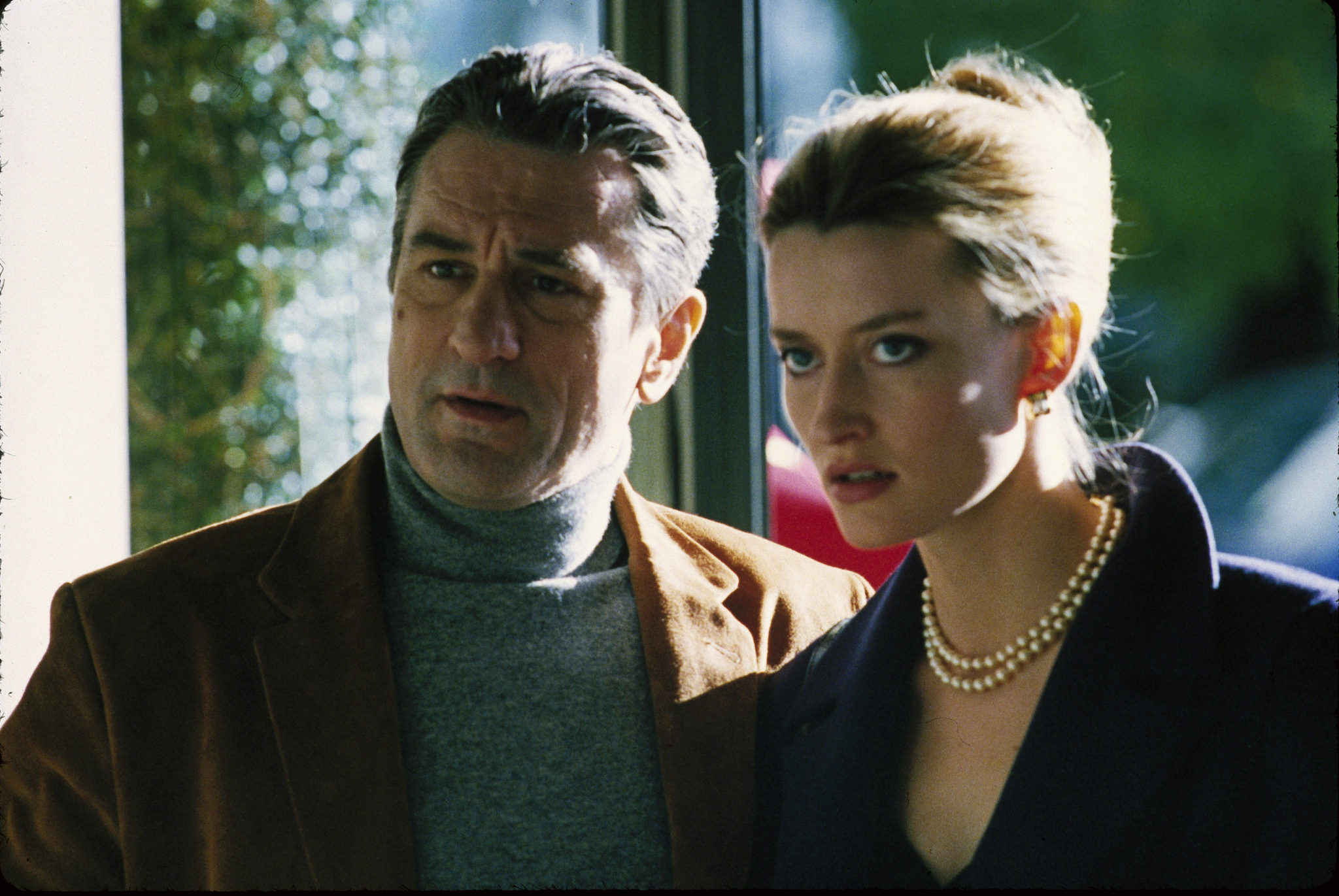
Set in the shadowy underworld of post-Cold War Europe, the film opens with a group of mercenaries, each with an unclear past, assembled by Deirdre (Natascha McElhone) for a mysterious job. Their mission: retrieve a briefcase of unknown contents. As the team navigates through alliances and betrayals, it becomes evident that trust is as scarce as answers.
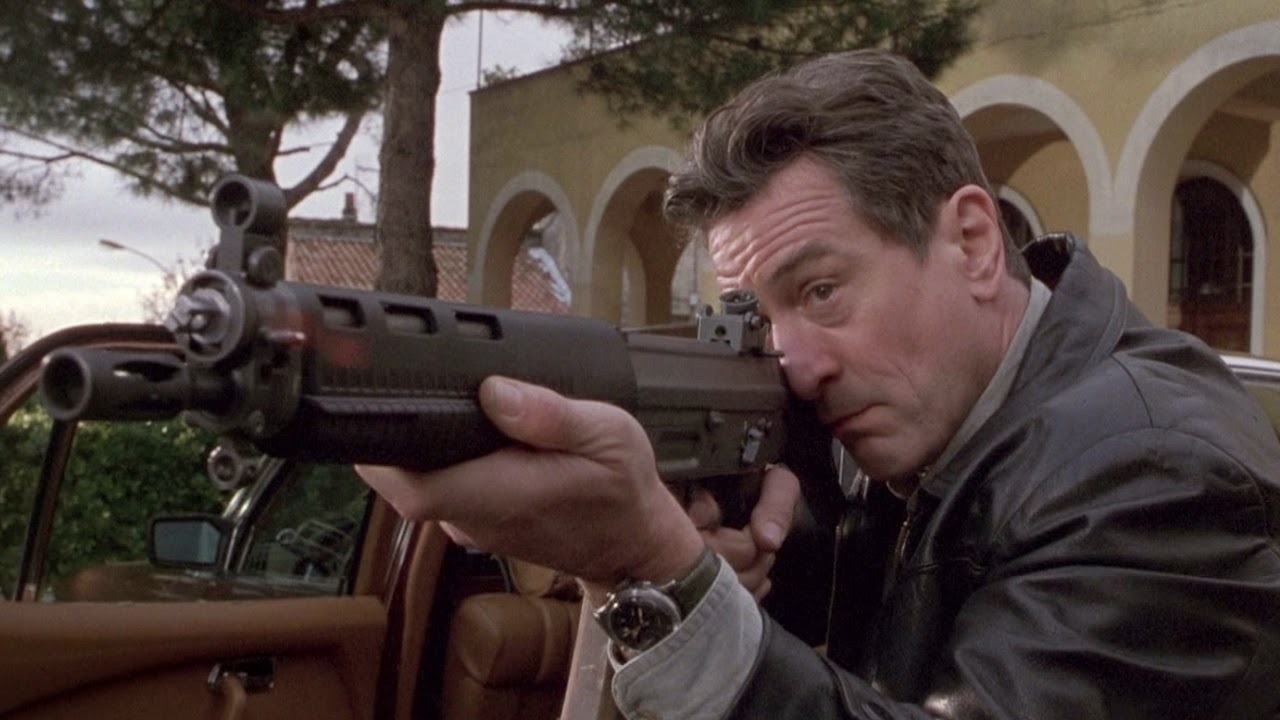
Robert De Niro leads the cast as Sam, a former CIA operative whose calm demeanour masks an expert tactician. De Niro’s restrained performance gives the character gravitas, and his subtle touches—a slight smirk or a knowing glance—convey Sam’s seasoned competence. Jean Reno complements De Niro as Vincent, a pragmatic Frenchman whose loyalty provides the emotional backbone of the story. Their chemistry adds warmth and depth to an otherwise cold and brutal narrative.
Stellan Skarsgård shines as Gregor, a duplicitous operative whose cunning adds layers to the plot. Meanwhile, Sean Bean’s turn as the brash but inexperienced Spence injects a dose of dark humour early in the film. Natascha McElhone, with her icy resolve, keeps the audience guessing about Deirdre’s true motivations, while Jonathan Pryce’s enigmatic Seamus looms as a shadowy figure pulling strings.
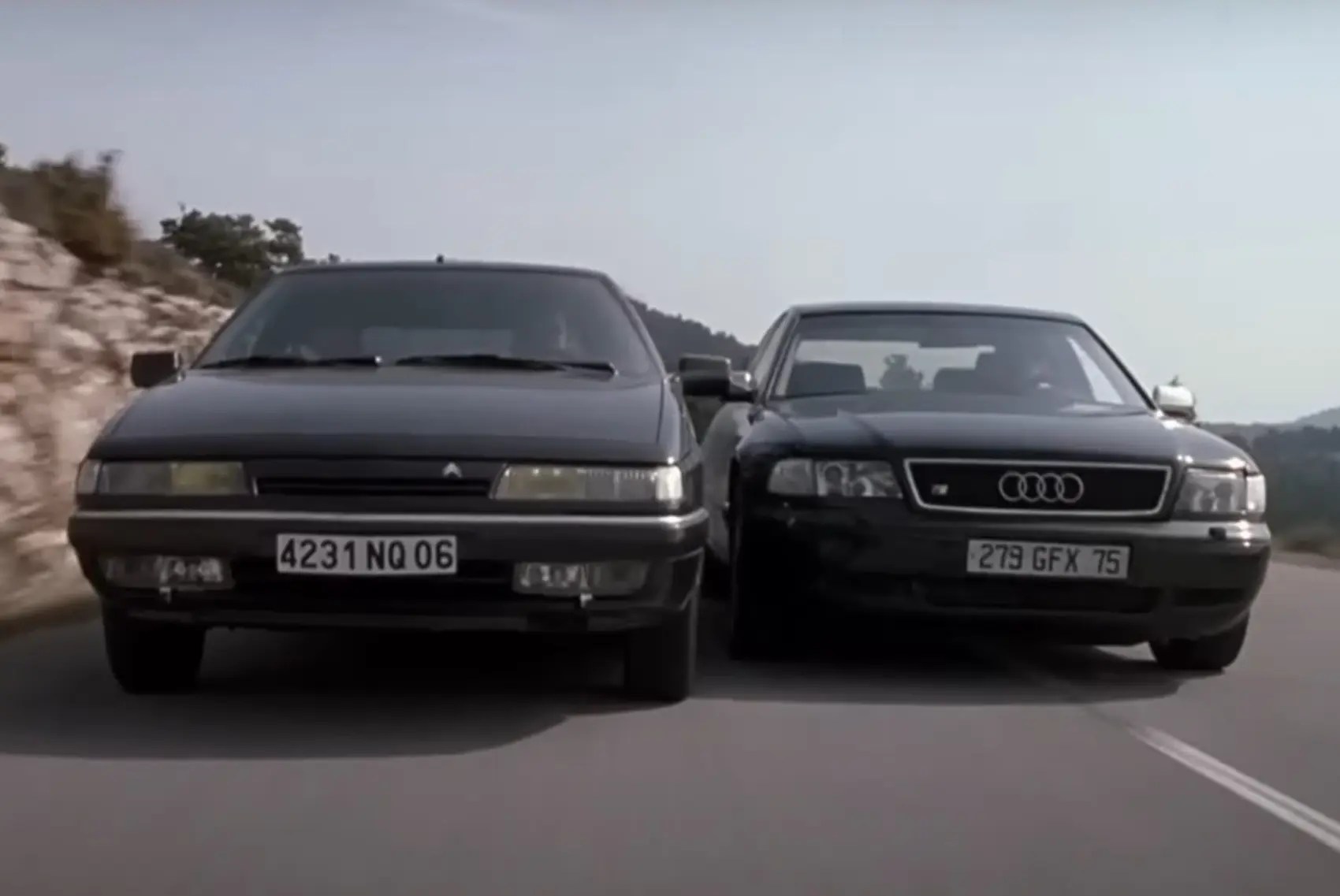
Frankenheimer’s direction is impeccable, particularly in the now-legendary car chases. Shot on the streets of Paris and Nice with a commitment to realism, these sequences are kinetic and visceral, placing the audience directly in the driver’s seat. The absence of digital effects amplifies the tension, as cars tear through narrow streets, causing chaos with every screeching turn. These set pieces exemplify Frankenheimer’s flair for practical action, a dying art even in the late 1990s.

While the film excels in action, its plot leans on familiar espionage tropes. The briefcase, a classic MacGuffin, remains shrouded in mystery, leaving some viewers craving a greater narrative payoff. Yet, Ronin’s strength lies not in what the briefcase represents but in how the pursuit reveals the characters’ complexities.
The film’s sparse dialogue and moody score by Elia Cmiral enhance the tension, creating an atmosphere of distrust and quiet menace. While its cerebral pacing may not appeal to all, Ronin rewards patient viewers with rich character dynamics and nerve-wracking suspense.
In Ronin, Frankenheimer crafted a film that marries intelligence with thrills. It’s a rare action movie that values precision over excess, anchored by an ensemble cast operating at the top of their game. With its timeless grit and masterful execution, Ronin remains a standout in the genre, a must-watch for fans of thoughtful, high-stakes thrillers.
 Roses Have Thoughts
Leave a comment